Medical Disclaimer: The information provided on this website is for informational and educational purposes only and is not intended as personal medical or health advice. The content, including text, graphics, and images, is not a substitute for professional medical advice, diagnosis, or treatment. Always seek the advice of your physician or other qualified healthcare provider with any questions you may have regarding a medical condition or before starting any new exercise, nutrition, or supplement program. Never disregard professional medical advice or delay in seeking it because of something you have read on this blog. Reliance on any information provided by this site is solely at your own risk.
How to Track Recovery with Wearables is simpler than it looks: focus on a few reliable numbers and act on them.
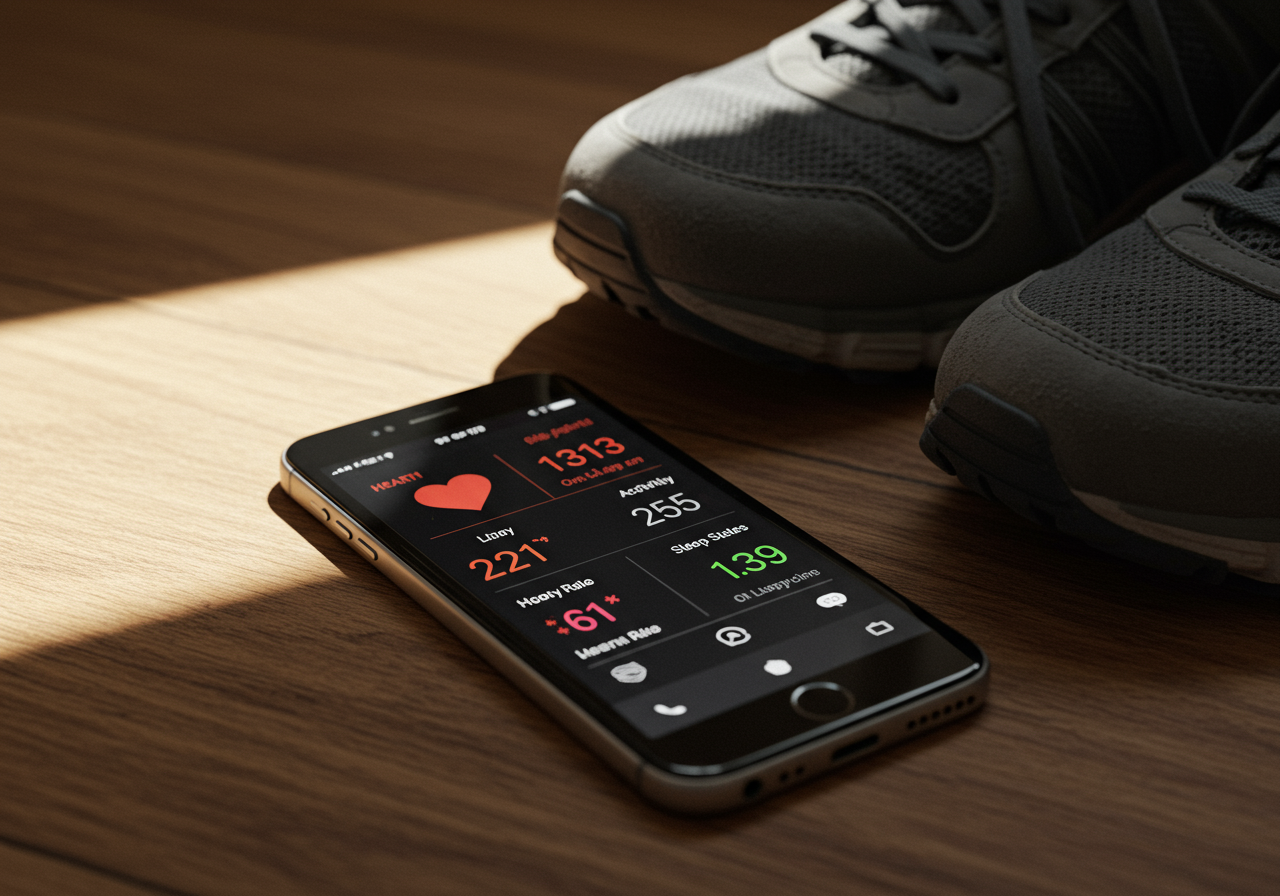
Direct answer: Watch HRV trend, resting heart rate, sleep efficiency, and training load to gauge recovery.
In this guide, I’ll show you how I coach beginners to use wearables across cardio, strength, and mobility. You’ll get clear daily rules, a weekly plan, and progression steps that keep performance climbing while soreness and fatigue stay manageable.
Your Nervous System Signals Recovery Before You Feel It
Recovery isn’t a mystery; your autonomic nervous system leaves clues. When your parasympathetic system rebounds, heart rate variability (HRV) trends up, resting heart rate (RHR) settles, and sleep stabilizes. Those signals often precede how you feel in a workout.
In practice with clients, tuning training to HRV trend, RHR, sleep efficiency, and a simple training load measure reduces sugar‑crash sessions and missed lifts. One client, J., stopped stacking hard intervals after two poor-sleep nights; within a month his easy-run pace improved at the same heart rate, and his knees finally calmed down.
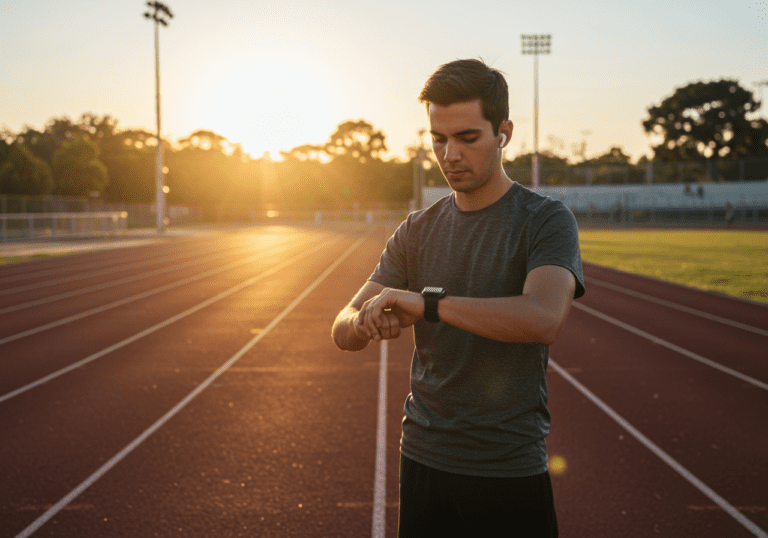
I’ve tested this personally with Garmin and Oura. On weeks where my 7‑day HRV trended steady, my Zone 2 rides showed minimal decoupling (heart rate drift), and my strength sessions hit planned RPE without grinding. When HRV dipped for two days and RHR bumped up after travel, scaling intensity kept me consistent instead of sidelined.
Weekly Template, Calibration, Baseline, and Daily Traffic Lights
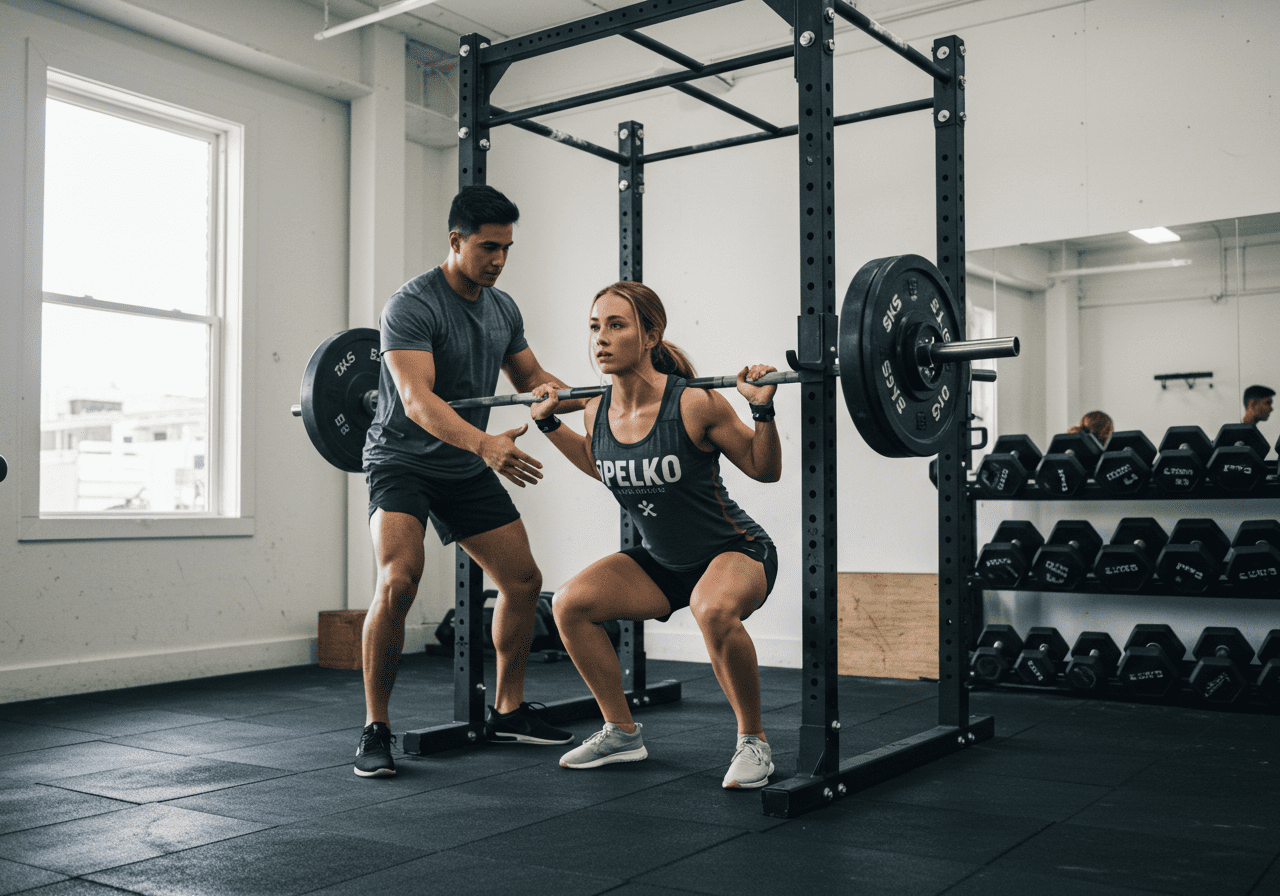
Strength: 2 full‑body days (45–60 min) using RPE 6–8.
Mobility: 10–15 min daily micro‑sessions; one longer 20–30 min on rest day.
2) Calibrate your wearable
Pair a reliable chest strap for workouts if possible (cleaner heart-rate data for zones and decoupling).
Enable sleep tracking and set consistent bedtime/wake windows.
Leave HRV in its default overnight mode; avoid spot readings that vary with posture and caffeine.
3) Establish a 7‑day baseline
Train easy for one week. Note averages for HRV (median), RHR, sleep duration/efficiency, and your app’s training load (e.g., Garmin load, Strava Relative Effort, TrainingPeaks TSS).
Record a few RPE notes after each session. Simple wins: “Felt smooth,” “Legs heavy,” “Breathing easy.”
4) Daily check‑in (takes 60 seconds)
HRV trend: Is today above, near, or below your recent median? One off‑day is fine; two or more low days merit caution.
RHR: Up meaningfully from your baseline? Combine with how you feel and sleep quality.
Sleep: Prior night’s duration and efficiency. Under‑slept? Flag yellow.
Subjective: Energy and soreness (0–10 quick scale).
5) Use Green / Yellow / Red day rules
Green: HRV steady or rising, RHR normal, slept well → Do planned session.
Yellow: Slight HRV dip or RHR up + poor sleep → Shorten by 20–30% or keep intensity submax (stay in Zone 2; strength at RPE 6–7).
Red: HRV suppressed 2+ days, RHR elevated, illness signs → Replace with mobility, easy walk, or complete rest.
6) Session execution tips
Cardio: After 10‑min warm‑up, keep Zone 2 steady. If heart rate drifts > about 5–7% while pace/power is constant, downshift.
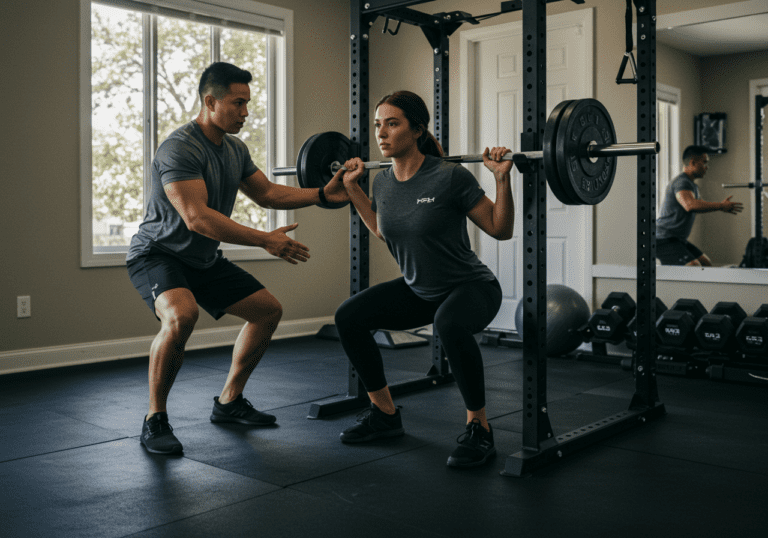
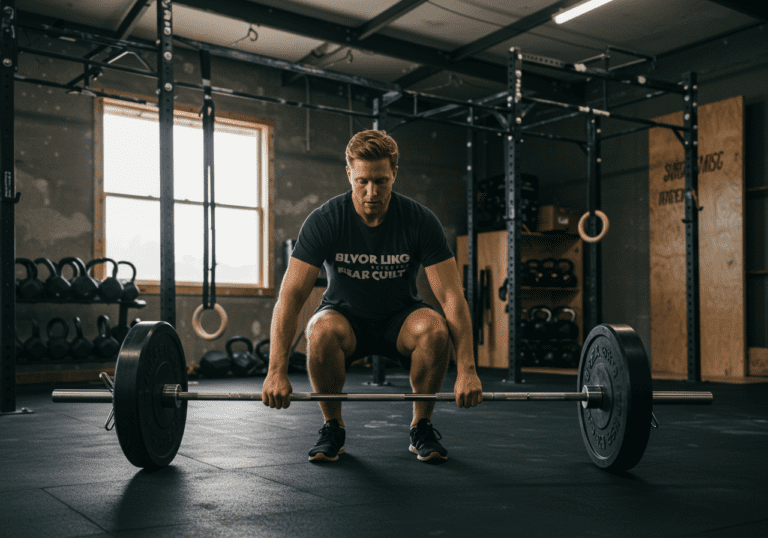
Strength: Choose 4–6 movements (squat/hinge/push/pull/carry/core). If yellow, remove the heaviest top set and add easy technique reps.
Mobility: Hips, T‑spine, ankles, and soft tissue. I like 90/90 hip switches, cat‑cow to thread‑the‑needle, calf rocks, and breathing resets.
7) Weekly review
Open Strava, Garmin Connect, or TrainingPeaks: check training load trend vs. HRV and RHR.
Note which workouts felt best and the preceding sleep/HRV pattern. Keep what worked; trim what didn’t.
8) Nutrition & recovery basics
Protein: roughly 1.6–2.2 g/kg/day; distribute across meals.
Carbs: more on training days, especially around workouts for cardio and heavy lifts.
Hydration: Start the day with water; add electrolytes on sweaty sessions.
Supplements (optional): Creatine monohydrate 3–5 g/day; magnesium glycinate in the evening can support sleep for some.
Tools I’ve used: Garmin Forerunner + HR strap, Oura Ring, Apple Watch, Strava, Garmin Connect, TrainingPeaks, MyFitnessPal for food, and HRV4Training for extra context.
Eight-Week Plan from Easy Sessions to Structured Intensity
Caption: 8‑week glidepath connecting training targets with recovery metrics.
Week 1: Cardio 2x30 min Z2; Strength 2x full-body 2–3 sets @ RPE 6; Mobility daily 10 min. Action if HRV low: keep everything easy.

Week 2: Cardio 2x35 min Z2; Strength add 1 set to big lifts @ RPE 6–7; Long walk 45–60 min. Yellow day: cut volume 20%.

Week 3: Cardio 2x40 min Z2; Optional 20-min brisk add-on; Strength keep RPE 7 top sets. Watch decoupling; if >5–7%, slow down.

Week 4: Introduce intensity: 6x1 min Z4 with 2 min easy (only if HRV trend stable); Strength one lift to RPE 8; Deload accessories if sleep poor.

Week 5: Long Z2 50–60 min; Tempo 10–15 min @ Z3 if fresh; Strength add a back-off set; Mobility 15–20 min once. Red day: skip intensity.

Week 6: Intervals 5x3 min Z4; Second cardio still Z2; Strength wave load (heavy, moderate); If RHR up and sleep down, halve interval count.

Week 7: Long Z2 60–75 min; Strength keep volume, improve form speed; Test decoupling on long session; Extend if drift stays low.

Week 8: Consolidation week (slight deload): Reduce total volume ~20–30%; Keep technique crisp; Sleep focus. Review HRV/RHR trends before next block.
Beginner cues: Prioritize consistency, not intensity. If two yellow days in a row, stack an extra mobility/rest day.
Intermediate upgrades: Add hill intervals biweekly, increase strength top sets to RPE 8 on main lift, incorporate carries or tempo eccentrics.
Advanced options: Track running power or cycling power, monitor acute vs. rolling load change, and use HRV trend to place key sessions after high‑readiness mornings.
Real‑world note: Last month my best long Zone 2 run averaged 140 bpm with <3% drift; I only scheduled it after two solid HRV mornings and 8 hours of sleep.
References & Further Reading
The following peer-reviewed research and authoritative guidelines support the recommendations in this article:
Start Light, Verify Metrics Together, and Deload When Needed
Frequency & intensity: Start with 4–5 total sessions/week. Keep easy truly easy. Use RPE and your morning metrics together, not one alone.
Common mistakes
Chasing a single number. A low HRV after a late night doesn’t doom your day; verify with RHR, mood, and sleep.
Turning recovery into punishment. Replace missed intensity with quality Zone 2 or mobility, not guilt.
Ignoring technique. Sloppy lifts inflate load but tax recovery more.
Troubleshooting
Plateau: Deload 3–7 days, sleep push, then reintroduce intensity once HRV/RHR normalize.
Overuse niggles: Shift impact to bike/rower; increase mobility; keep strength submax with higher reps.
Motivation dips: Shorten sessions to 20 minutes but keep the habit; log a win.
Validating results
Cardio: Same pace at lower heart rate, or longer before decoupling increases—good sign.
Strength: Hitting planned reps at lower RPE after a sleep‑solid week suggests the plan is working.
Wellness: Fewer heavy‑leg mornings and steadier mood across the week.
Nutrition & recovery reminders: Eat enough—especially carbs around hard sessions—hit protein daily, and keep a regular sleep schedule. Light breath work or a post‑dinner walk can improve sleep onset.
Next steps: Save this plan, set alerts in your app for HRV/RHR changes, and review weekly. If you want a customized template.
Medical Disclaimer: The information provided on this website is for informational and educational purposes only and is not intended as personal medical or health advice. The content, including text, graphics, and images, is not a substitute for professional medical advice, diagnosis, or treatment. Always seek the advice of your physician or other qualified healthcare provider…
Medical Disclaimer: The information provided on this website is for informational and educational purposes only and is not intended as personal medical or health advice. The content, including text, graphics, and images, is not a substitute for professional medical advice, diagnosis, or treatment. Always seek the advice of your physician or other qualified healthcare provider…
Medical Disclaimer: The information provided on this website is for informational and educational purposes only and is not intended as personal medical or health advice. The content, including text, graphics, and images, is not a substitute for professional medical advice, diagnosis, or treatment. Always seek the advice of your physician or other qualified healthcare provider…
Medical Disclaimer: The information provided on this website is for informational and educational purposes only and is not intended as personal medical or health advice. The content, including text, graphics, and images, is not a substitute for professional medical advice, diagnosis, or treatment. Always seek the advice of your physician or other qualified healthcare provider…
Medical Disclaimer: The information provided on this website is for informational and educational purposes only and is not intended as personal medical or health advice. The content, including text, graphics, and images, is not a substitute for professional medical advice, diagnosis, or treatment. Always seek the advice of your physician or other qualified healthcare provider…
Medical Disclaimer: The information provided on this website is for informational and educational purposes only and is not intended as personal medical or health advice. The content, including text, graphics, and images, is not a substitute for professional medical advice, diagnosis, or treatment. Always seek the advice of your physician or other qualified healthcare provider…