Learn to track ROI on gear purchases for your home gym or business using a simple training-linked system. You’ll leave with a practical method to budget smarter, train better, and decide what to buy next.
Quick answer: Track gear ROI by logging cost, usage, time saved or revenue, then review monthly cost per session and payback.
Lower Friction Boosts Adherence and Training Volume
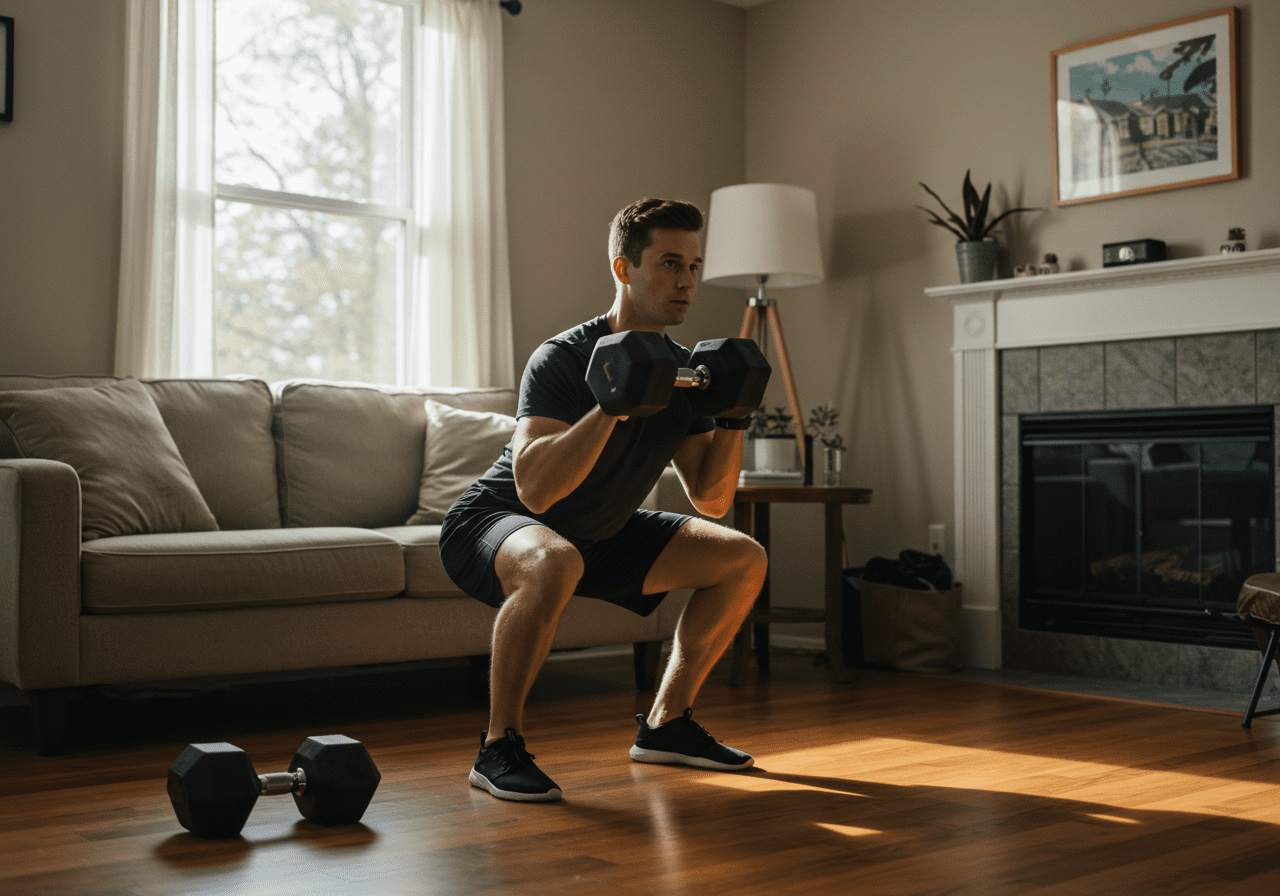
Equipment isn’t just an expense; it’s a performance tool. When a rower or adjustable dumbbells sit within arm’s reach, adherence improves because friction drops. Better adherence usually means more total training minutes, more consistent progressive overload, and steadier cardio development. For owners, gear that increases capacity or saves coaching time can improve revenue per hour.
ROI gives structure to these decisions. A simple framing works: Cost per session = total cost divided by sessions completed. Breakeven months ≈ purchase price divided by monthly benefit (time saved, travel avoided, or revenue generated). Return can be expressed as (benefit − cost) / cost, but in practice I prefer trends: decreasing cost per session and increasing sessions performed.
From my coaching notes, clients who put versatile gear in small spaces often train more consistently and skip fewer sessions during stressful weeks. One client message I received:
“The adjustable bells paid for themselves in missed-commute days. I lifted when the baby napped.”
While individual outcomes vary, consistent logging plus scheduled reviews tends to curb impulse buying and amplify what actually moves the needle.
Inventory Gear and Link Your Training Logs
Define the outcome. Home gym: save time, improve adherence, and progress strength/cardio. Business: increase capacity, revenue per hour, and member retention.
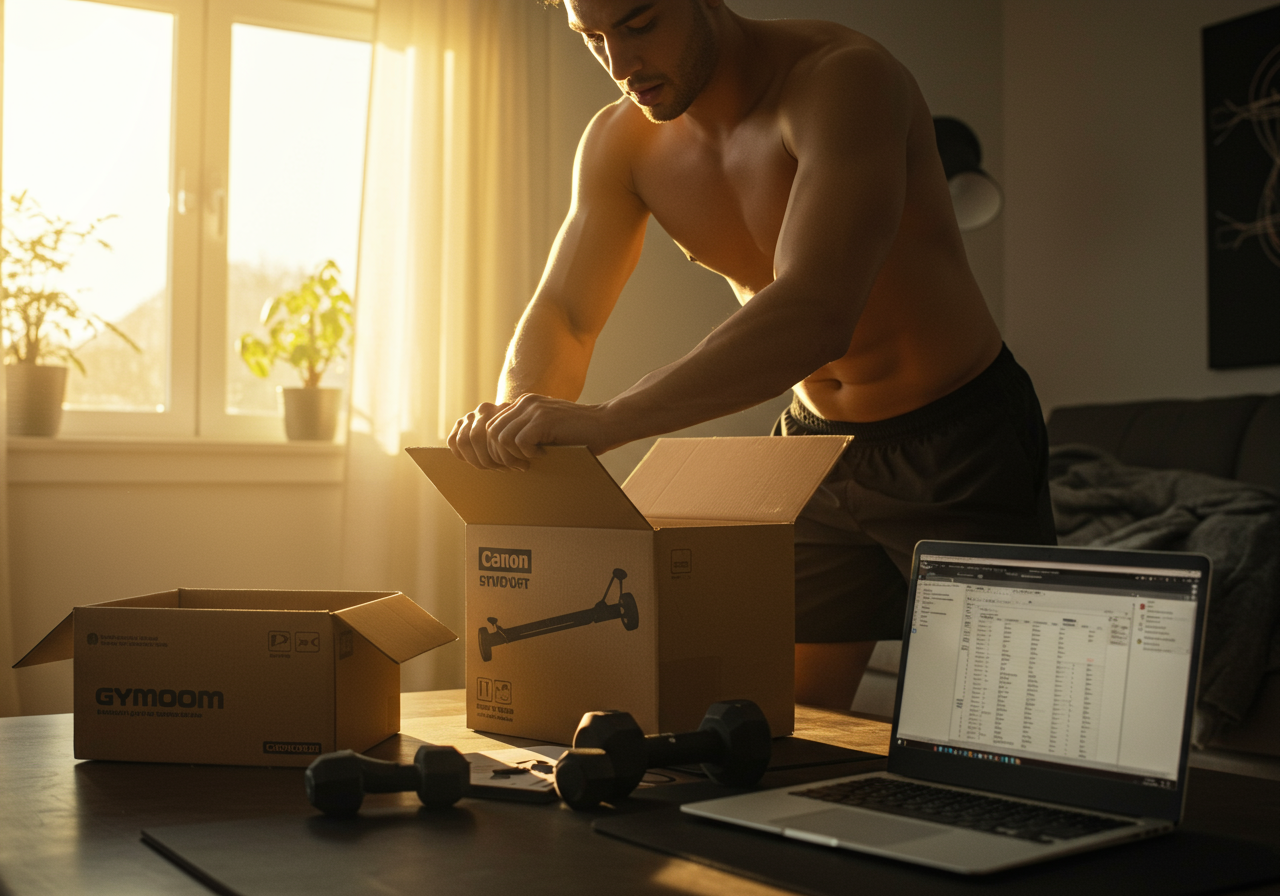
Inventory your gear. List each item with purchase price, date, condition, expected lifespan, and potential resale value.
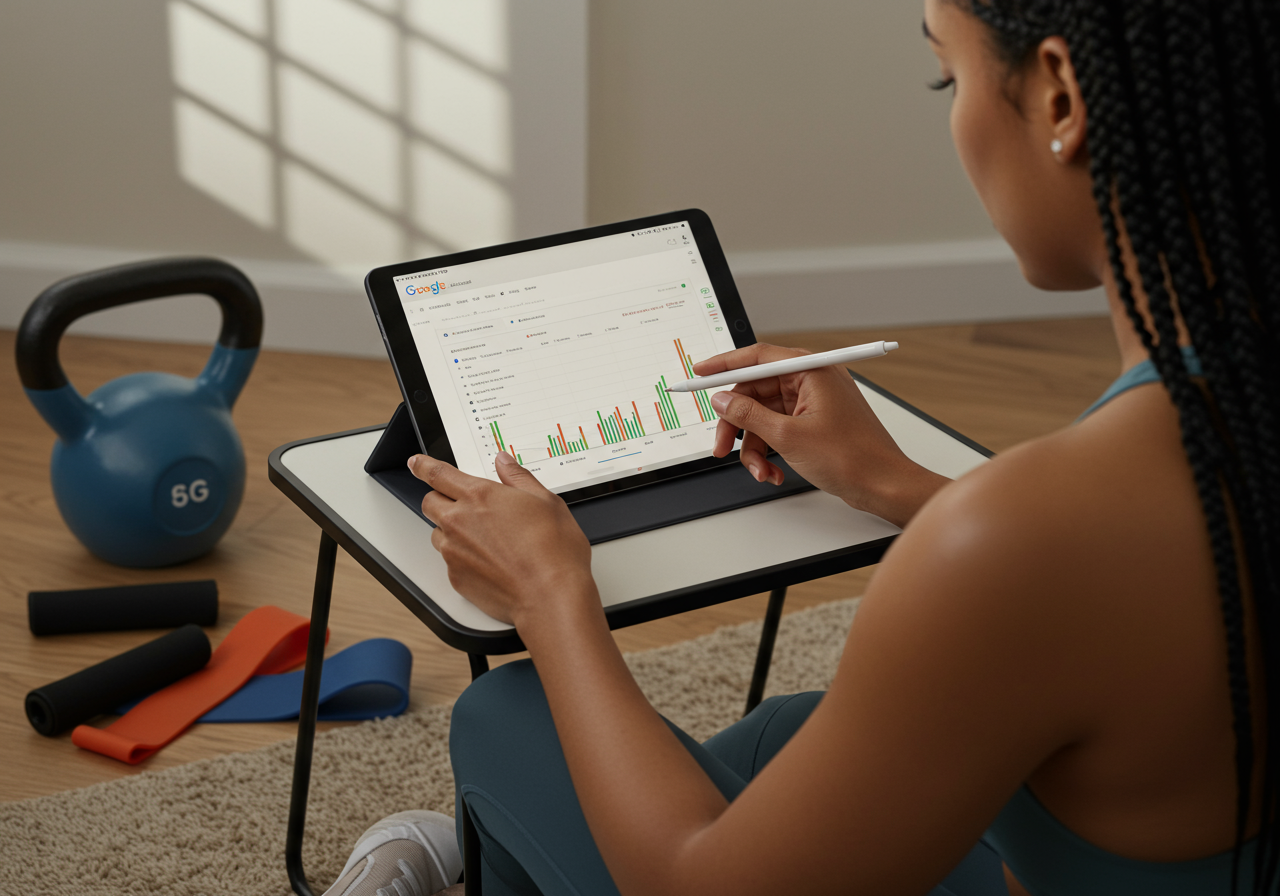
Create a simple tracker. Use Google Sheets or Notion. Columns: Item, Cost, Start Date, Sessions/Month (target), Maintenance, Resale Estimate, Time Saved/Use, Revenue/Use (if applicable), Notes.
Link training logs. Export sessions from Strong (strength), Strava/Garmin (cardio), or TrainerRoad. Count actual uses per item each month. A basic formula: cost_per_session = (purchase + maintenance − resale_estimate) / total_sessions_to_date.
Measure benefits. Home gym: minutes saved per session (no commute), consistency gains (missed-session reduction), and health markers you care about. Business: revenue per use, higher show-up rates, coach time saved.
Calculate breakeven. Approximate: breakeven_months = cost / (monthly_savings + monthly_revenue). Keep it directional, then adjust as real data comes in.
Set a usage target. For any new item, commit to a 90‑day trial with a minimum sessions/month goal. If you miss two consecutive months, consider selling or repurposing.
Integrate into training. Build your weekly plan around owned gear so the tracker reflects real sessions. See template below.
Review monthly. Compare projected vs. actual sessions, cost per session trend, and whether the item advances your training.
Decide: buy, hold, or sell. If cost per session is falling and adherence is up, keep it. If usage lags, loan it out, relocate it, or sell.
Session A — Strength (40–50 min). Warm‑up 5 min. Dumbbell goblet squats, Romanian deadlifts, one‑arm rows, floor press: 3×8–12 each at RPE 7–8. Finish with 5 min core. Log in Strong; tag the item used.
Session B — Cardio (30–45 min). Rower: 10 min Zone 2, 5×2 min at Zone 4 with 2 min easy, 10 min Zone 2 cool‑down. Track in Garmin or Strava. Note perceived exertion and average heart rate.
Session C — Mobility/Conditioning (20–35 min). Bands + sled marches or light kettlebell flows. Keep breathing nasal or conversational. Finish with 5 min hips/thoracic mobility. Record as a session so usage counts.
For businesses: Add columns for class capacity added, rental revenue, or time saved per coach. Example: a second squat rack reduces bottlenecks, allowing on‑time class turnover—log the minutes saved weekly.
Progress Load and Intensity Over Twelve Weeks
Beginner (Weeks 1–4): Train 3 days/week. Strength: 2 sets of 10–12, RPE 6–7, master technique. Cardio: 20–30 min mostly Zone 2, finish with 2 short pick‑ups. Mobility: 10 min. ROI focus: establish baseline usage; aim for consistent tags in your logs.
Early Intermediate (Weeks 5–8): Strength: 3×8–10, add small load weekly if bar speed stays snappy. Cardio: 30–40 min with 4–6 intervals at Zone 4 on alternate weeks. Mobility: 12–15 min focusing on hips/shoulders. ROI focus: check cost per session trend; adjust schedule to raise underused gear.
Intermediate (Weeks 9–12): Strength: undulate—Day 1 4×6 heavy (RPE 8), Day 2 3×12 lighter (RPE 7). Cardio: one threshold session (e.g., 2×8 min Zone 3–4) and one easy long Zone 2. ROI focus: run your first breakeven estimate; re‑allocate budget if an item lags.
Advanced (Month 4+): Strength blocks (4–6 weeks) cycling hypertrophy → strength, plus sport‑specific conditioning. Add specialty tools only if they unlock a clear bottleneck. ROI focus: deeper metrics—cost per PR attempt, revenue per added class block, or time saved per week.
Checkpoints: Weeks 4, 8, 12: review usage counts, cost per session, and whether the gear measurably supports your goals (e.g., improved 5‑rep set quality, steadier Zone 2 pace). If not, experiment with placement (visible storage), session order, or swap exercises that better fit the tool.
Start Three Days Weekly at Manageable Intensity
Frequency & intensity: Start with 3 sessions/week. Keep most strength work at RPE 6–8 and most cardio in Zone 2. Add intensity sparingly after consistency.
Troubleshooting plateaus: If lifts stall, reduce reps and increase rest for two weeks, or add a light recovery week. For cardio stalls, add 5–10 min to one Zone 2 session before adding intervals.
Overtraining signs: Persistent soreness, poor sleep, irritability. Cut volume by 30–40% for 7 days and prioritize walks and mobility.
Injury reduction: Warm up 5–10 min, progress loads gradually, and keep one or two reps in reserve. Swap painful movements, not the workout.
Nutrition & recovery: Aim for protein ~1.6–2.2 g/kg body weight, carbs around training, and 7–9 hours of sleep. Hydrate. If tracking, MyFitnessPal can keep a loose weekly calorie target.
Maintenance matters: Wipe sweat, lubricate moving parts, and schedule quarterly checks. Good care protects resale value and lowers cost per session.
Budget guardrails: Set a monthly “equipment envelope” (YNAB or a simple earmarked savings). New purchases must earn a 90‑day trial spot in your program.
Next steps: Build your tracker, link your logs, and run your first 30‑day review.
Form, Load Progression, and Recovery Prevent Most Injuries How to Avoid Running Injuries starts with better form, sensible load, and intentional recovery. In a few minutes, you’ll get a simple, proven framework. Direct answer: To avoid most running injuries, align posture, raise weekly volume gradually (about 5–10%), and prioritize recovery with sleep, strength, and smart…
Quick Overview: Zone Targets and Weekly Structure Heart Rate Zone Training helps beginners build endurance smarter with clear intensity targets. You’ll learn how to set your zones, plan workouts, and track progress without guesswork. Direct answer: Spend most sessions in Zone 2, add short Zone 4–5 intervals weekly, and take at least one full rest…
360-Degree Bracing Builds Squat and Deadlift Strength Core strength protocols that improve squat and deadlift start with 360-degree bracing and anti-extension control, then layer anti-rotation and carries. Direct answer: strong, braced cores raise squat and deadlift by boosting spinal stiffness and force transfer. In this guide, you’ll get a tested system, level-based progressions, and simple…
Start Smart: Essential Equipment and Training Framework Home gym setup can be affordable, effective, and complete when you follow a simple system. This guide shows equipment picks and a full training plan. Direct answer: Start with a mat, adjustable dumbbells, and a timer; add bands, a bench, and a pull-up option as budget grows. You…
Six-Week Plan for Better Movement and Less Stiffness This 6-week mobility program teaches you to move easier, reduce stiffness, and protect your joints. You’ll learn assessments, daily micro-routines, focused sessions, and how to track progress. Direct answer: assess, do 10–15 minutes daily, add three targeted sessions weekly, and retest at week six. Why Mobility Combines…
Strategic Cold Plunge Timing for Recovery and Performance Cold water immersion can be a powerful recovery tool when you integrate it into a structured week of cardio, strength, and mobility. Use cold water immersion after cardio or on rest days, 2–10 minutes at 10–15°C, and avoid right after heavy lifting. In this guide you’ll learn…