Medical Disclaimer: The information provided on this website is for informational and educational purposes only and is not intended as personal medical or health advice. The content, including text, graphics, and images, is not a substitute for professional medical advice, diagnosis, or treatment. Always seek the advice of your physician or other qualified healthcare provider with any questions you may have regarding a medical condition or before starting any new exercise, nutrition, or supplement program. Never disregard professional medical advice or delay in seeking it because of something you have read on this blog. Reliance on any information provided by this site is solely at your own risk.
Simple System to Control Muscle Soreness Effectively
How to Reduce DOMS is the focus of this plan. You’ll learn a simple system that blends training design, nutrition, sleep, and active recovery to keep soreness manageable.
Quick answer: progress loads slowly, use active recovery, sleep 7–9 hours, hydrate, and hit daily protein; massage, foam rolling, and light cardio help.
When I shifted clients from “no pain, no gain” to smarter progressions and recovery, they trained more consistently and reported less next-day stiffness. This guide shows the exact steps we use.
Understanding DOMS Peaks and Recovery Science Evidence
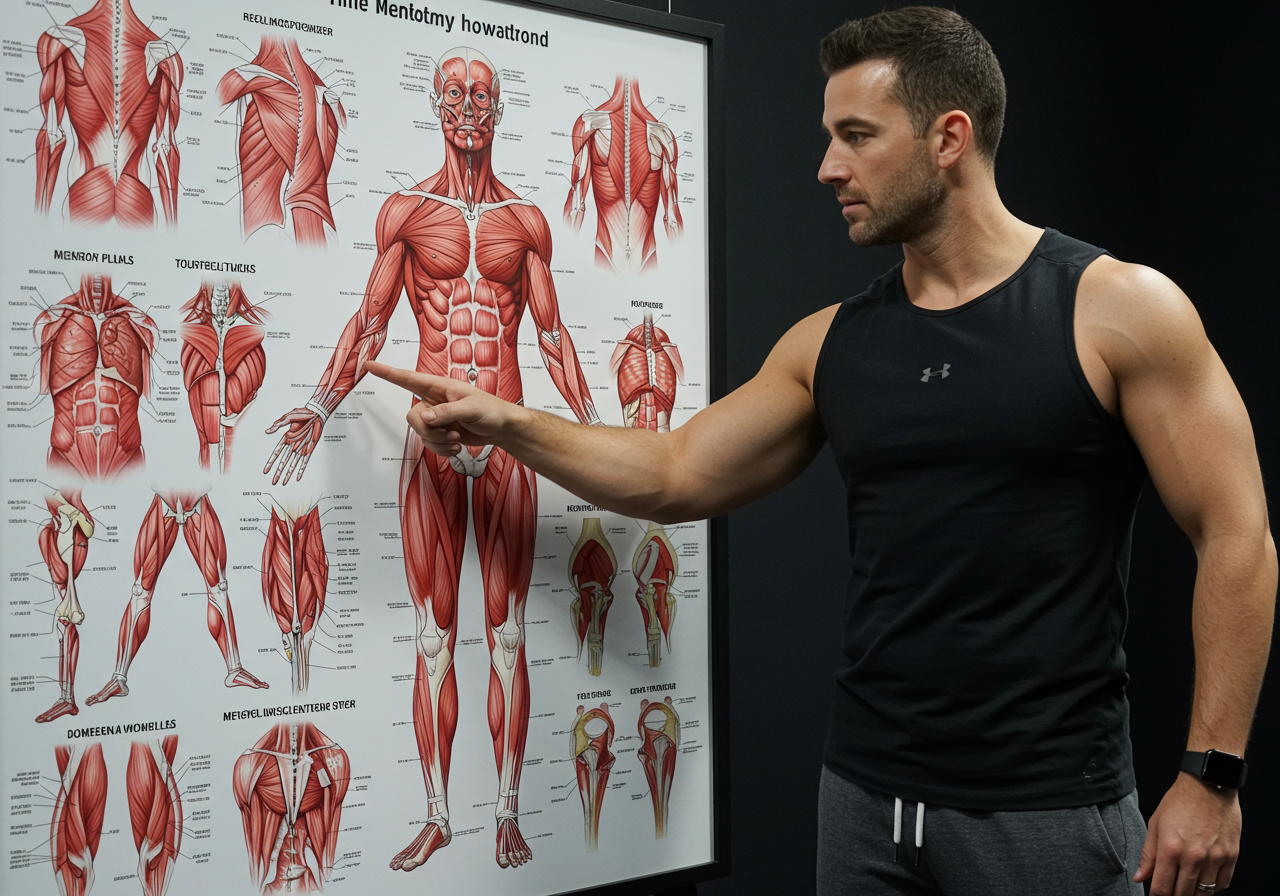
DOMS (delayed-onset muscle soreness) typically peaks 24–72 hours after unaccustomed or eccentric-heavy training. It’s linked to micro-damage, inflammation, and temporary neuromuscular changes. The goal isn’t to eliminate DOMS entirely, but to keep it low enough to train again productively.
What tends to help, based on practice and peer-reviewed findings: graded loading, active recovery (light cardio or movement), massage/foam rolling, compression, adequate sleep, hydration, and sufficient protein. Cold water immersion can blunt soreness in some cases but may slightly dampen muscle-building signals if overused after strength sessions; I reserve it for competition windows or very sore phases.
In my coaching log, clients who added 20–30 minutes of Zone 2 the day after heavy legs reported milder stiffness. One beginner, Maya, wrote, “I could walk stairs again by day two,” after we swapped all-out drop sets for controlled tempos and a recovery circuit. While individual results vary, the pattern is consistent enough to guide programming.
Warm-Up Through Cool-Down Recovery Circuit Protocol
Use this simple routine around each workout to reduce soreness and protect progress.
Warm-up — 5–8 minutes easy cardio (RPE 3–4) + dynamic mobility for the joints you’ll train.
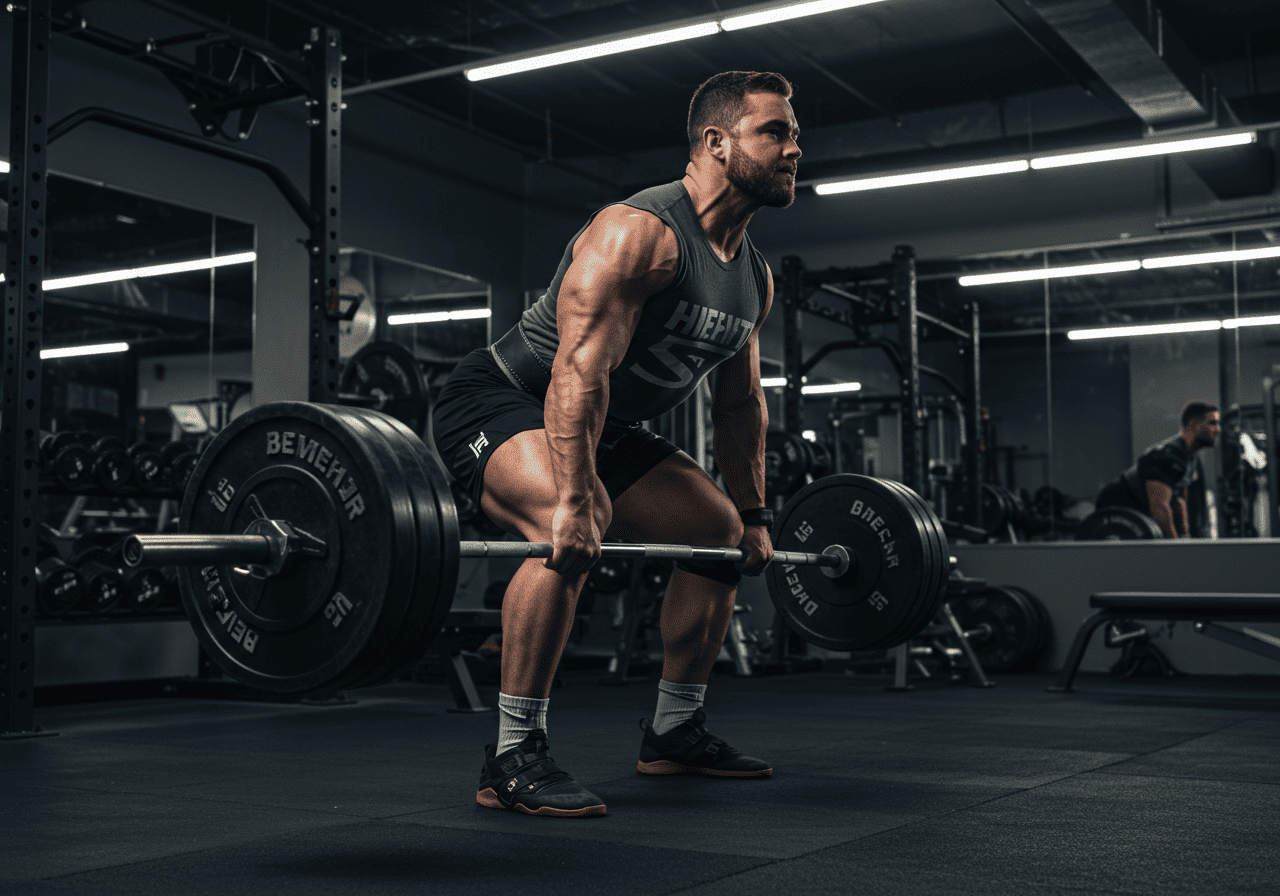
Main lifts — 2–4 sets per exercise, control the lowering phase (2–3 seconds). Start at RPE 6–7 (you feel 3–4 reps in reserve).
Accessories — Choose 2–3 moves that don’t fry the same muscle eccentrically; machines or cables are fine early on.
Cool-down — 5–10 minutes light spin or brisk walk (Zone 1–2), nasal breathing if comfortable.
Post‑session recovery circuit (8–12 minutes):
Foam roll major muscle groups 30–60 seconds each (quads, glutes, lats, calves). Gentle pressure; scan for tender spots without grinding.
Breathing reset: 3 minutes, 4–6 breaths per minute, long exhales to downshift the nervous system.
Mobility snack: 1–2 positions that felt tight during training (e.g., deep squat hold, thoracic rotation).
Next‑day active recovery (20–30 minutes):
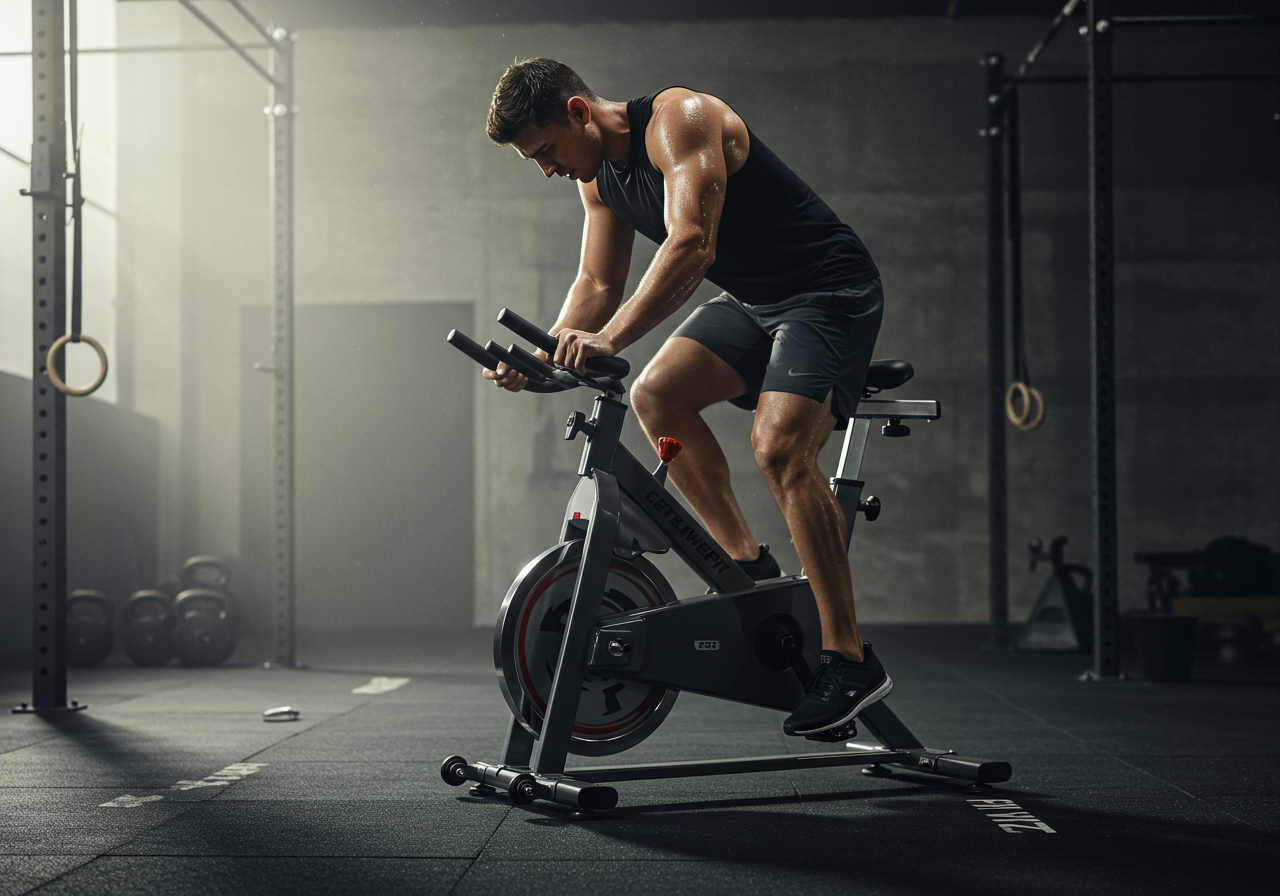
Zone 2 walk or bike (60–70% max HR). If you don’t track HR, you should be able to speak in full sentences.
Keep cadence smooth; avoid hills that spike intensity.
Nutrition and hydration basics:
Protein: aim for 1.6–2.2 g/kg/day, split across meals (25–40 g each). A shake is fine if appetite is low post-workout.
Carbs: emphasize whole-food carbs around training to refill glycogen and support recovery.
Fluids: 500–750 ml water post-session; add electrolytes if sweat losses are high (hot days, long sessions).
Sleep upgrades:
7–9 hours with a consistent schedule. Cool, dark room. Wind-down routine: dim lights and screens 30–60 minutes before bed.
Supplements (optional, evidence is mixed):
Creatine monohydrate 3–5 g/day supports training quality.
Omega‑3s (EPA/DHA 1–2 g/day) may reduce soreness perception.
Tart cherry in the evening during very hard phases may help some lifters.
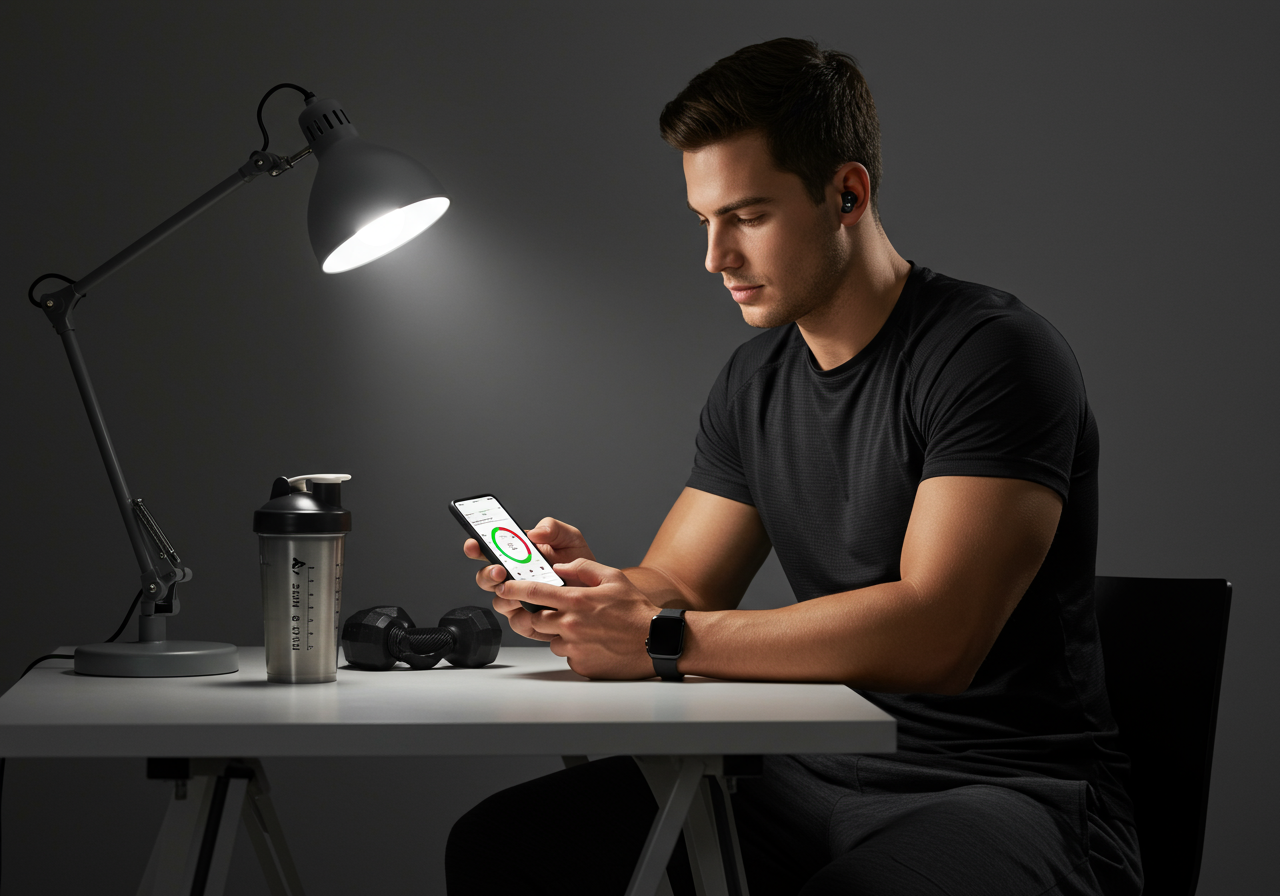
Real-world tools I use: Garmin or Fitbit for HR zones; Strava to log easy cardio; MyFitnessPal for protein checks; a simple 0–10 DOMS score in Google Sheets after each session.
Common mistakes I made early: chasing novelty every session, adding heavy eccentrics and forced reps together, skipping sleep for early lifts, and calling that “hardcore.” Progress got better when I reduced the spikes.
Eight-Week Volume Progression to Minimize Soreness
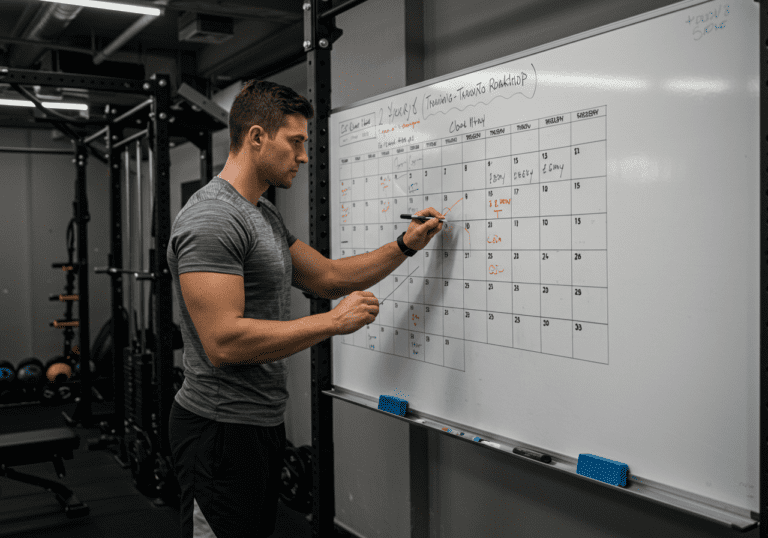
Scale volume and intensity gradually. Use soreness as a guide: if DOMS >6/10 or lasts beyond 72 hours, reduce volume or eccentric tempo for the next session.
Caption: 8‑week overview to build capacity while minimizing DOMS.
Week 1: Full-body 2x/week; main lifts 2x8–10 @ RPE 6; 20 min Zone 2 day after; recovery circuit 8 min.

Week 2: Full-body 3x/week; main lifts 3x8 @ RPE 6–7; add one accessory per pattern; Zone 2 x2.

Week 3: Keep sets; add 2–3% load or 1 rep/ set; tempo 3‑0‑1; Zone 2 x2; foam roll 10 min.

Week 4: Slight deload: reduce sets by 25–30%; keep technique crisp; one extra mobility session.

Week 5: Move to upper/lower split (4x/week) or keep full-body 3x/week; main lifts 3–4x6–8 @ RPE 7; Zone 2 x2.

Week 6: Introduce one eccentric‑focused move per session only (e.g., slow lowering split squats); keep others normal; recovery circuit 10–12 min.

Week 7: Add a top set @ RPE 8 on one main lift; back-off sets @ RPE 6–7; Zone 2 x2–3 short sessions.

Week 8: Consolidation: keep volume stable; test a rep PR at RPE 8 (not max). If DOMS low, add 1 accessory; if high, hold steady.
Beginner cues: prioritize stable technique, keep 2–3 reps in reserve, and avoid stacking unaccustomed movements in one day.
Intermediate: rotate one new stimulus at a time (range of motion, tempo, or load). Keep novelty modest to control DOMS.
Advanced: cluster hard work—use top set + back-offs, then contrast with easy days. If prepping for an event, cold water immersion or compression can be used sparingly after key sessions, understanding the trade-off with adaptation.
Frequency Guidelines and Troubleshooting Plateau Signals
Frequency: 2–4 strength sessions per week is plenty for beginners. Separate heavy lower-body days by 48–72 hours. Don’t chase soreness; chase quality reps and repeatable training.
Intensity: start new exercises at RPE 6–7. Add either small load, a rep, or a set—never all three at once.
Troubleshooting:
Plateaus: trim junk volume, add one focused top set, and keep the rest at RPE 6–7. Increase sleep by 30 minutes.
Overreaching signs: DOMS >6/10 for several sessions, poor sleep, high resting HR. Deload for 4–7 days and reintroduce volume gradually.
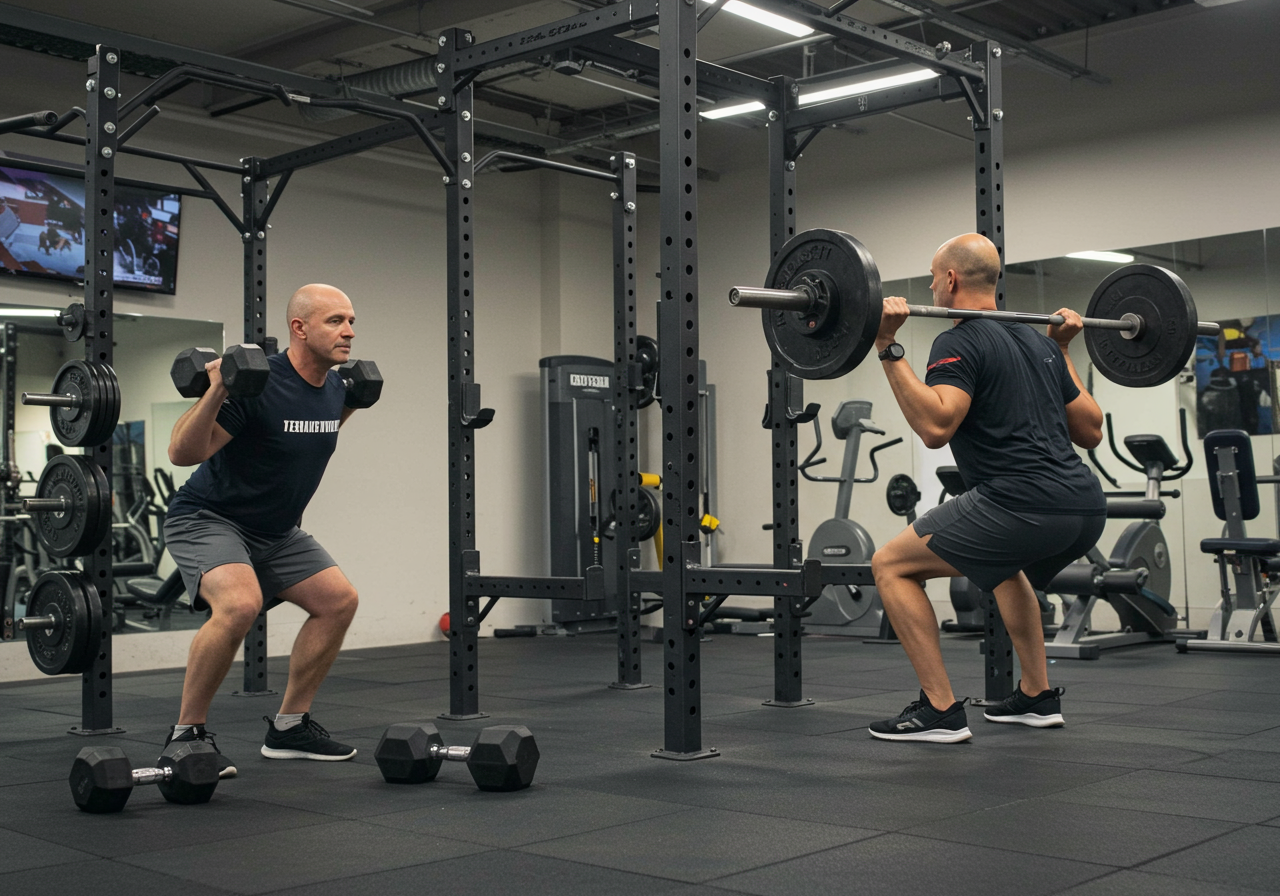
Motivation dip: add a short Zone 2 walk with a podcast or train with a friend; quick wins lower the barrier to entry.
Injury flags: sharp pain or swelling isn’t DOMS. Stop the aggravating lift and get evaluated by a qualified professional.
Monitoring: log session RPE, sets/reps/load, and a 0–10 DOMS score the next morning. Check weekly trends alongside sleep duration and step count. I use Google Sheets plus wearable data for resting HR/HRV to spot overload early.
Client note: Dan, 39, reduced persistent quad soreness from 7/10 to 3/10 in three weeks by pacing eccentrics, doing a 25‑minute recovery ride the day after squats, and hitting 160 g protein/day. He also reported steadier energy at work—an underrated win.
Next steps: save this plan, track your DOMS scores for four weeks, and adjust using the progression table.
Medical Disclaimer: The information provided on this website is for informational and educational purposes only and is not intended as personal medical or health advice. The content, including text, graphics, and images, is not a substitute for professional medical advice, diagnosis, or treatment. Always seek the advice of your physician or other qualified healthcare provider…
Medical Disclaimer: The information provided on this website is for informational and educational purposes only and is not intended as personal medical or health advice. The content, including text, graphics, and images, is not a substitute for professional medical advice, diagnosis, or treatment. Always seek the advice of your physician or other qualified healthcare provider…
Medical Disclaimer: The information provided on this website is for informational and educational purposes only and is not intended as personal medical or health advice. The content, including text, graphics, and images, is not a substitute for professional medical advice, diagnosis, or treatment. Always seek the advice of your physician or other qualified healthcare provider…
Medical Disclaimer: The information provided on this website is for informational and educational purposes only and is not intended as personal medical or health advice. The content, including text, graphics, and images, is not a substitute for professional medical advice, diagnosis, or treatment. Always seek the advice of your physician or other qualified healthcare provider…
Medical Disclaimer: The information provided on this website is for informational and educational purposes only and is not intended as personal medical or health advice. The content, including text, graphics, and images, is not a substitute for professional medical advice, diagnosis, or treatment. Always seek the advice of your physician or other qualified healthcare provider…
Medical Disclaimer: The information provided on this website is for informational and educational purposes only and is not intended as personal medical or health advice. The content, including text, graphics, and images, is not a substitute for professional medical advice, diagnosis, or treatment. Always seek the advice of your physician or other qualified healthcare provider…