Medical Disclaimer: The information provided on this website is for informational and educational purposes only and is not intended as personal medical or health advice. The content, including text, graphics, and images, is not a substitute for professional medical advice, diagnosis, or treatment. Always seek the advice of your physician or other qualified healthcare provider with any questions you may have regarding a medical condition or before starting any new exercise, nutrition, or supplement program. Never disregard professional medical advice or delay in seeking it because of something you have read on this blog. Reliance on any information provided by this site is solely at your own risk.
To monitor overtraining in endurance athletes, you’ll use a simple daily and weekly checklist that keeps training effective without burning you out. You’ll learn how to connect body signals to your plan so fitness goes up while fatigue stays manageable.
Quick answer: Track sleep, morning HRV, resting HR, mood, and session RPE; if two markers slip for three days, cut training load and prioritize recovery.
We’ll build a full endurance system you can run today: how to measure readiness, set intensities, progress safely from beginner to advanced, and validate results with real-world tracking.
Early Warning Signs From Your Autonomic System
Endurance gains arrive when stress and recovery are balanced. Overreaching can be useful in short phases, but sustained overload can push you toward overtraining—where motivation dips, pacing slows, sleep gets messy, and niggles linger.
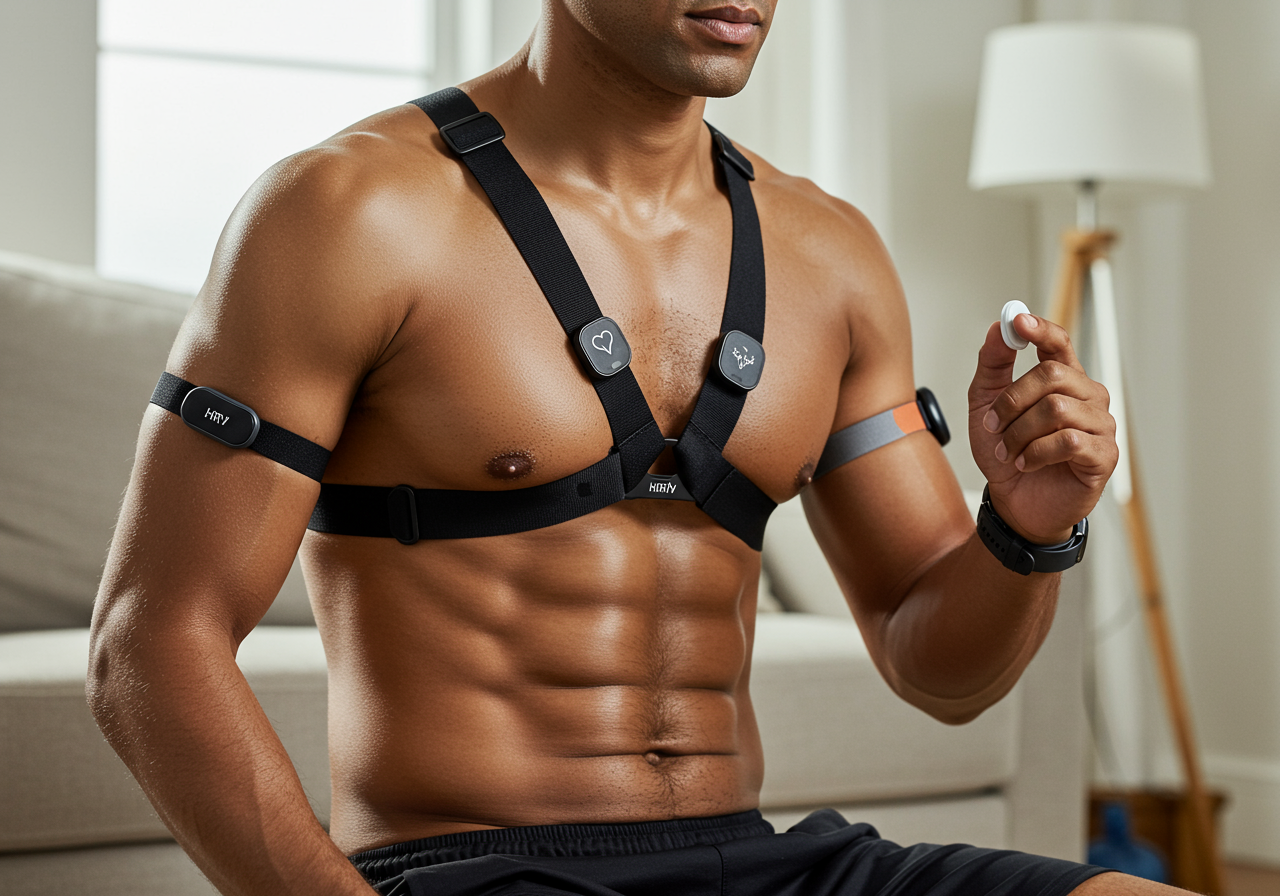
In practice and in peer‑reviewed reports, early signs often appear in the autonomic system. Morning HRV trends lower from your baseline; resting heart rate creeps up; heart rate recovery after hard reps is slower; power or pace feel unusually hard. Mood and appetite can change, and sleep quality drops despite feeling exhausted. None of these alone prove overtraining, but together they form a reliable picture.
My lesson learned: during a marathon block last spring, my easy-day heart rate sat 5–8 beats higher than usual for three mornings, and my tempo felt like a race. I trimmed volume for four days, slept more, and fitness resumed instead of stalling. A client note from Maya, 44, masters marathoner: “The color‑coded check-in stopped me from grinding through ‘meh’ days. I ran my long run stronger the next week instead of limping into it.”
Morning Readiness Loop With Traffic Light System
Set up a simple readiness-to-train loop. Use common tools you may already have: Garmin, Polar, Coros, Fitbit, HRV4Training, Whoop, Oura, Strava, or TrainingPeaks. Keep decisions simple and consistent.
Morning readiness (5 minutes):
HRV: Measure after waking with the same method daily. Compare today’s value to your rolling baseline. Look for trends over 3+ days, not single dips.
Resting HR: Note if it’s higher than your typical morning pattern for several days in a row.
Sleep & mood: Did you sleep at least fairly well? Do a quick 1–5 mood check. Short notes beat long essays.
Plan the session (traffic light):
Green: All markers normal → proceed as planned.
Yellow: One marker off → reduce duration or intensity slightly; keep technique crisp.
Red: Two or more off for 2–3 days → swap to easy aerobic or rest; prioritize fueling and sleep.
During training (quality control):
Easy aerobic days: Stay conversational (Zone 1–2). Watch heart rate drift relative to pace. Minimal drift means you’re within capacity.
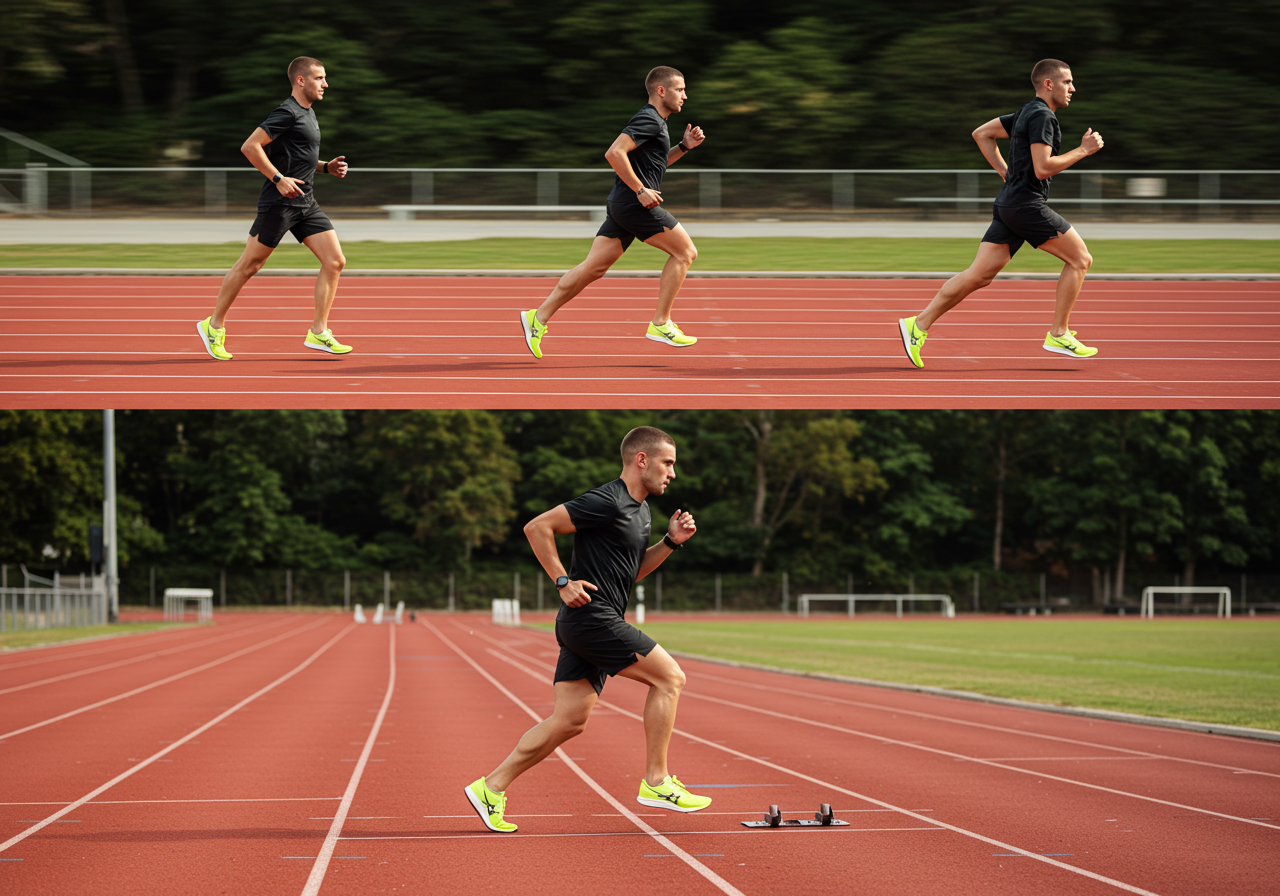
Work sessions: Hit the intended zone (tempo/threshold/VO2) without straining form. If RPE spikes unusually at the same pace or power, shorten the workout.
Decoupling check: If heart rate climbs a lot while pace holds steady on long runs, cap the run and refuel sooner next time.
After training (2 minutes):
Log session RPE (1–10), duration, and any notes (sleep, cramps, stomach, hot weather). Apps like Strava, Garmin Connect, or TrainingPeaks make this quick.
Note heart rate recovery from the last hard rep. Slower recovery than your usual pattern can signal fatigue.
Weekly review (10 minutes):
Scan your 7‑day view: Is the number of hard days creeping up? Are long runs extending while sleep dips?
Look for spikes in load. Big jumps raise risk. If a spike happened, schedule a lighter 3–4 day block next.
Real example from my log: On a Tuesday threshold session (3×8 minutes), I planned RPE 7–8. Midway, RPE felt like 9 while heart rate ran hotter than usual. I cut the last rep in half and finished with easy spinning. That small pivot kept the rest of the week productive.
Fuel and hydrate to support the system: Eat most carbs around key sessions, include protein at each meal, and sip electrolytes in heat. Under‑fueling often mimics overtraining—fixing nutrition can restore normal readiness quickly.
12-Week Build From Walk-Jogs to Tempo Intervals
This progression grows fitness while guarding recovery. Deload every 4–6 weeks or whenever red flags persist.
12-week endurance build with embedded monitoring checkpoints.
Week 3–4 (Beginner): 3–4 sessions; add gentle strides or short pickups in one run. Monitoring: if HRV and mood stable, keep; if off, keep all easy.
Week 5–6 (Intermediate): 4 sessions; 2 easy, 1 aerobic long run (45–70 min), 1 moderate tempo intro (8–12 min continuous or 2×6 min). Monitoring: cut reps if RPE spikes early.
Week 7–8 (Intermediate): 4–5 sessions; progress long run slightly; tempo becomes 2×8–10 min or cruise intervals. Monitoring: if morning markers slip 2–3 days, swap tempo for easy spin or rest.
Week 9–10 (Advanced): 5 sessions; long run builds; introduce VO2 touch (e.g., 6×1 min fast with full recovery). Monitoring: maintain two true easy days between hard sessions.
Week 11 (Advanced): Sharpen; hold volume steady, keep intensity tidy. Monitoring: no additions—only execute clean work.
Week 12: Deload/test; cut volume notably, short aerobic test (same route, same conditions). Monitoring: compare RPE and heart rate to Week 4/8; expect similar or better feel.
Go/No‑Go rules across all levels: If two readiness markers are off for 3 days, reduce duration and keep only easy aerobic. Resume quality when sleep, mood, and HR trends normalize.
References & Further Reading
The following peer-reviewed research and authoritative guidelines support the recommendations in this article:
Frequency and intensity: Most weeks: 80–90% easy aerobic, 10–20% quality. Keep at least one full rest day. Hard days earn easy days.
Common mistakes:
Chasing paces when tired. Hold zones; let pace float with conditions.
Under‑fueling. Eat enough carbs around sessions and adequate protein daily.
Skipping sleep. Aim for consistent sleep and a wind‑down routine.
Stacking intensity days. Spread quality to protect tendons and mood.
Injury and plateau troubleshooting: Persistent hot spots, rising resting HR, and flat motivation suggest load is too high. Pull back 3–7 days, cross‑train gently (bike, swim, brisk walk), and re‑start with shorter sessions. If pain alters gait, seek a professional evaluation.
Nutrition and recovery basics: Anchor protein across meals, center carbs near training, hydrate with electrolytes in heat, and include colorful plants for micronutrients. Many endurance athletes do well with moderate caffeine before key sessions, but test tolerance. Creatine can help high‑intensity work; some notice extra water weight—decide based on goals.
Validation and tracking: Use Strava or TrainingPeaks to compare like‑for‑like routes. You’re trending well if the same easy loop feels easier at a similar heart rate, or your HRV stabilizes with steady performance. If you lack improvements, reassess sleep, fueling, and intensity distribution.
Next steps: Start with the readiness checks tomorrow morning. Build your 7‑day plan with the traffic‑light rules. If you want my simple Google Sheet log and color‑coding template.
Medical Disclaimer: The information provided on this website is for informational and educational purposes only and is not intended as personal medical or health advice. The content, including text, graphics, and images, is not a substitute for professional medical advice, diagnosis, or treatment. Always seek the advice of your physician or other qualified healthcare provider…
Medical Disclaimer: The information provided on this website is for informational and educational purposes only and is not intended as personal medical or health advice. The content, including text, graphics, and images, is not a substitute for professional medical advice, diagnosis, or treatment. Always seek the advice of your physician or other qualified healthcare provider…
Medical Disclaimer: The information provided on this website is for informational and educational purposes only and is not intended as personal medical or health advice. The content, including text, graphics, and images, is not a substitute for professional medical advice, diagnosis, or treatment. Always seek the advice of your physician or other qualified healthcare provider…
Medical Disclaimer: The information provided on this website is for informational and educational purposes only and is not intended as personal medical or health advice. The content, including text, graphics, and images, is not a substitute for professional medical advice, diagnosis, or treatment. Always seek the advice of your physician or other qualified healthcare provider…
Medical Disclaimer: The information provided on this website is for informational and educational purposes only and is not intended as personal medical or health advice. The content, including text, graphics, and images, is not a substitute for professional medical advice, diagnosis, or treatment. Always seek the advice of your physician or other qualified healthcare provider…
Medical Disclaimer: The information provided on this website is for informational and educational purposes only and is not intended as personal medical or health advice. The content, including text, graphics, and images, is not a substitute for professional medical advice, diagnosis, or treatment. Always seek the advice of your physician or other qualified healthcare provider…