How to Identify Overtraining Syndrome and Recover Properly

Build Strength Without Bulk: Train Smart, Not Hard
Women and Strength Training is not about getting bulky—it’s about building capable bodies, resilient joints, and long‑term confidence. In this guide, you’ll learn how to lift safely, follow a clear progression from first session to advanced work, and dial in nutrition and recovery without turning your life upside down.
Direct answer: Train 2–4 days weekly, push sets near RPE 7–9, eat 1.6–2.2 g/kg protein, and you can gain strength and muscle without unwanted bulk.
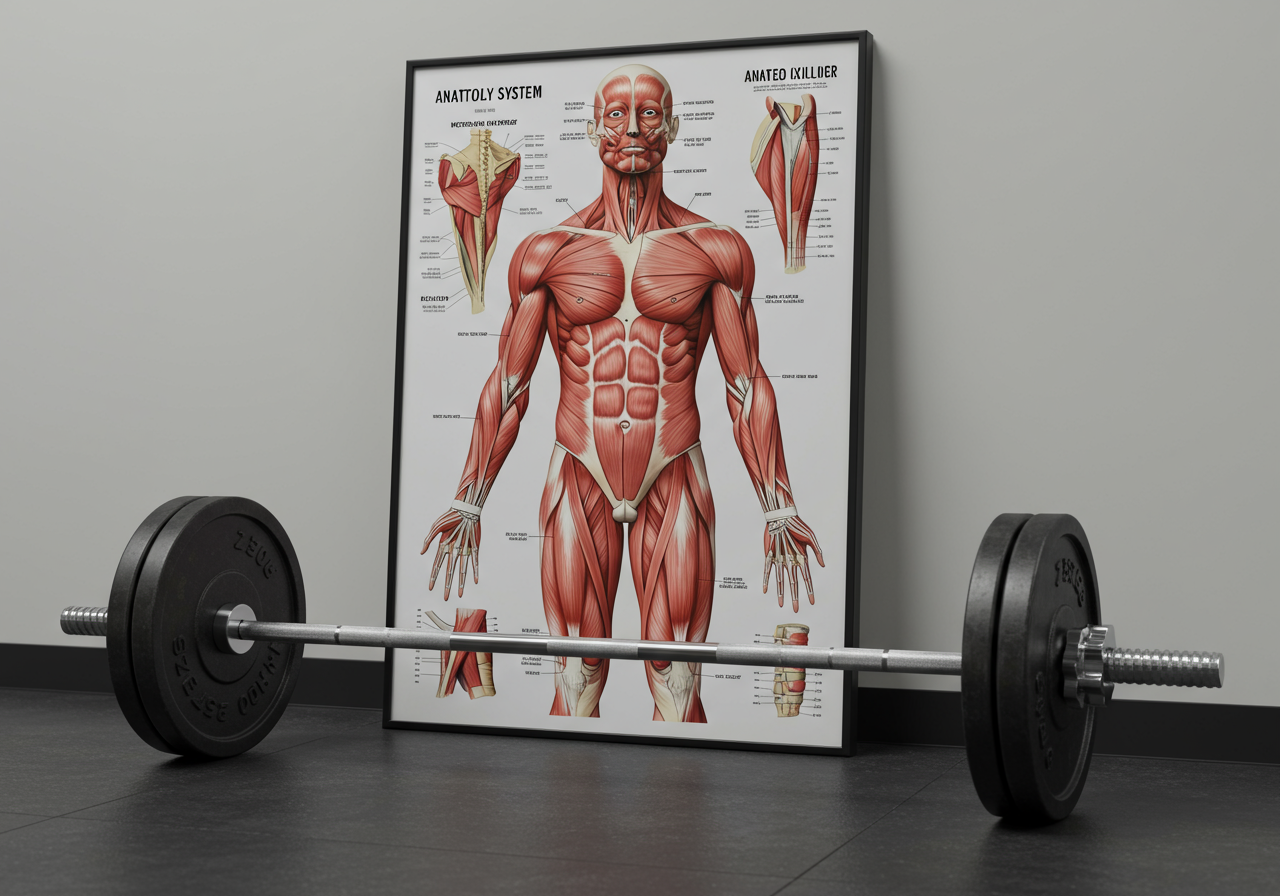
Bone Density, Lean Mass, and Hormonal Advantages Explained
Strength training improves bone density, preserves lean mass, and boosts daily function. For many women, estrogen’s tendon‑protective effects and higher fatigue resistance support excellent training quality. In peer‑reviewed work and practice reports, well‑progressed lifting enhances insulin sensitivity, mood, and back and knee comfort.
Muscle does not appear overnight. Hypertrophy requires progressive overload, adequate calories, and time. When load, volume, and protein are reasonable, body composition usually shifts toward a firmer, stronger look rather than dramatic size gains. Bone benefits are meaningful—compound lifts and jumps signal the skeleton to hold and build mineral, especially important across perimenopause and beyond.
“I feared bulky legs. Eight weeks in, my jeans fit the same but I can carry groceries up two flights without stopping.” — Jess, 44 (client note)
We’ll translate this into practice next: simple movement patterns, clear effort targets, and tracking that respects busy schedules.
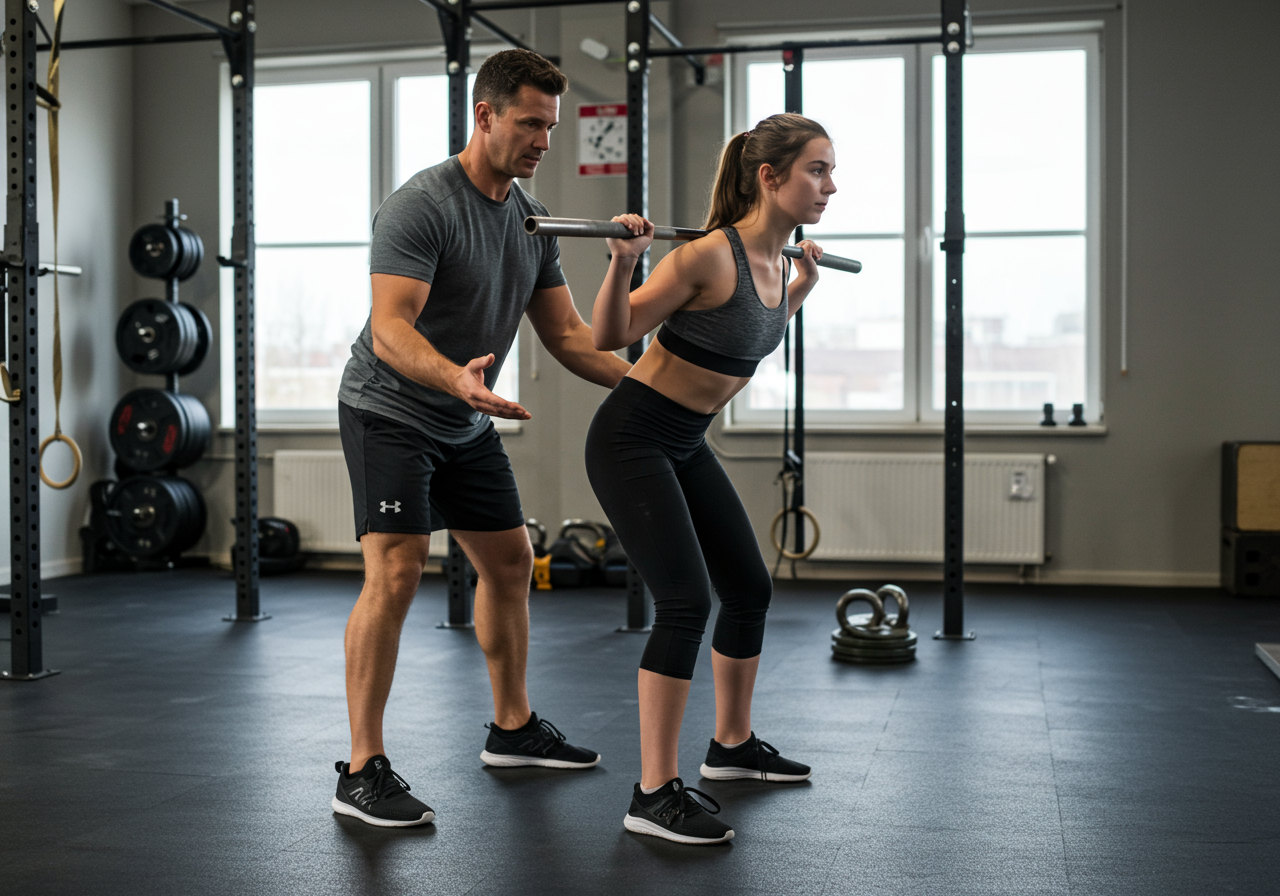
Five Movement Patterns: Your Complete Session Blueprint
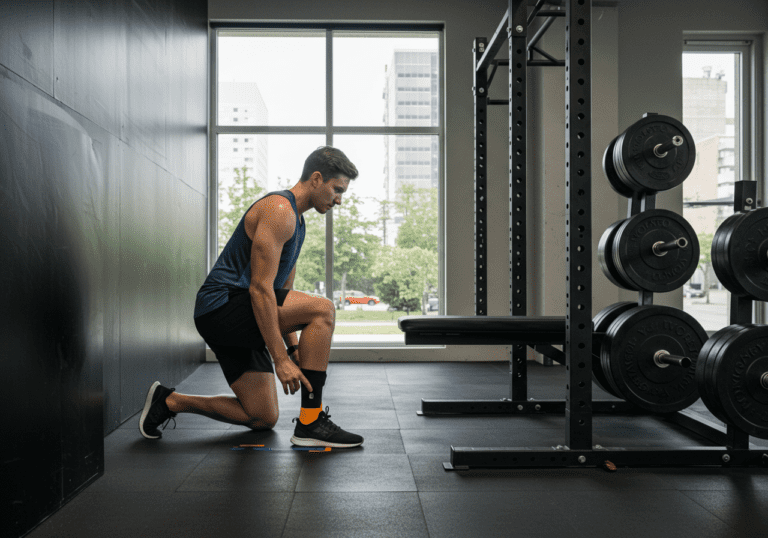
Warm‑up — 5–8 minutes: easy cardio in Zone 1–2 (brisk walk, bike), then dynamic hips, ankles, and T‑spine (leg swings, deep squat pry, thoracic rotations).
Choose the five patterns: squat, hinge, push, pull, carry/core. Rotate variations that match your equipment.
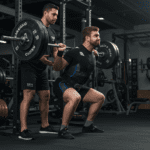
- Squat: goblet squat → front/back squat or leg press
- Hinge: hip hinge drill → Romanian deadlift or trap‑bar deadlift
- Push: push‑up → dumbbell bench → barbell bench/overhead press
- Pull: row → assisted pull‑up/lat pull‑down
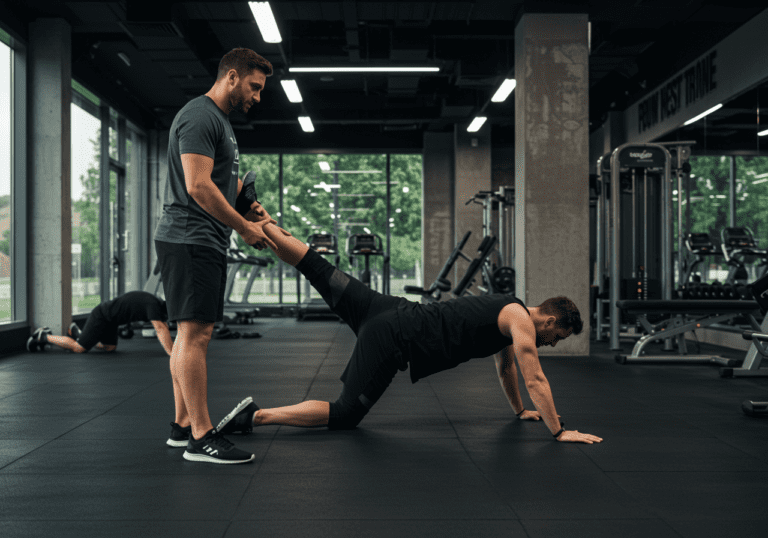
- Carry/Core: suitcase carry, dead bug, side plank
Session layout (45–60 minutes):
- Main lifts: 2 movements, 3–4 sets of 5–10 reps at RPE 7–8 (two to three reps left in reserve). Rest 90–150 seconds.
- Accessories: 2–3 movements, 2–3 sets of 8–15 reps at RPE 7. Shorter rests (60–90 seconds).
- Optional finish: 8–12 minutes Zone 2 cardio or low‑impact intervals.
Technique cues (simple and effective): “Brace like you’re about to cough,” “Feet tripod: big toe, little toe, heel,” “Push the floor away on squats,” “Hinge by sending hips back, shins quiet,” “Row to ribs, not neck.”
Effort guide: Use RPE (rate of perceived exertion). RPE 7–8 feels challenging but controlled; form holds. End sets with 1–3 reps in reserve most days.
Real session example (from my training log): 50 minutes, HR avg ~118 bpm (Zone 2). Goblet squat 3×10 @ 16 kg (RPE 7), Romanian deadlift 3×8 @ moderate load (RPE 7–8), one‑arm row 3×10, push‑ups 3×AMRAP leaving 2 reps in reserve, suitcase carry 3×30 m. Logged in Strong; HR tracked on Garmin.
Tracking: Record sets, reps, load, and RPE in Strong or Apple Notes. Sync steps and sleep via Fitbit or Apple Health. For nutrition, MyFitnessPal or Cronometer helps you confirm protein and overall intake.
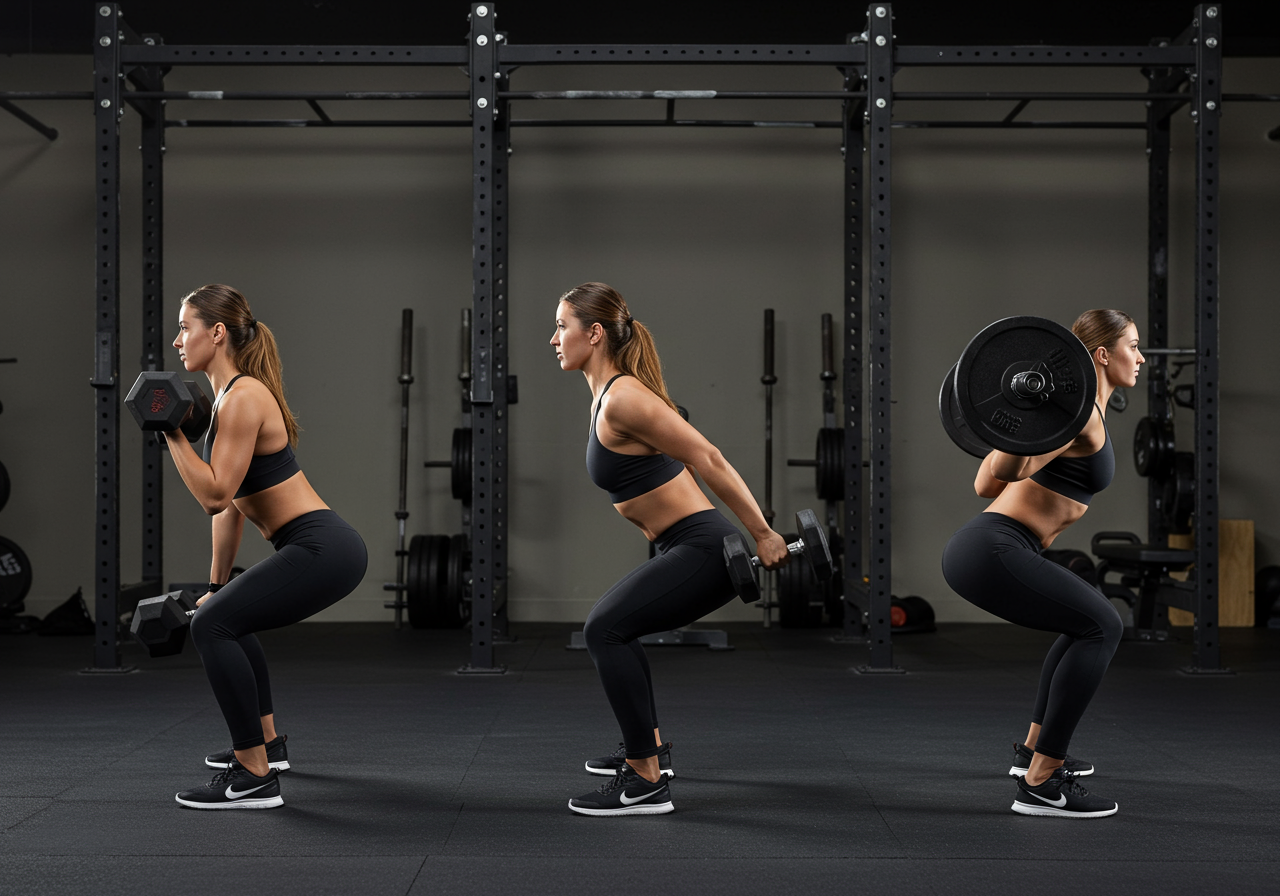
12-Week Roadmap from Beginner to Intermediate Lifter
Start where form is steady and build patiently. Use micro‑plates (0.5–1.25 kg) when jumps feel large. Deload every 4–8 weeks or after tough life periods.
12‑week roadmap—use RPE to pick loads and adjust around the menstrual cycle as needed.
Table: weekly focus and loading landmarks
Weeks 1–2 (Beginner): Full‑body 2–3x/week; 3×8 @ RPE 6–7; learn goblet squat, RDL, row, push‑up, suitcase carry.

Weeks 3–4 (Beginner): 3×8–10 @ RPE 7; add 1–2.5 kg if last set felt ≤RPE 7; keep 2 reps in reserve.

Weeks 5–6 (Early Intermediate): 3–4×6–8 @ RPE 7–8; introduce a heavier top set of 5–6, then back‑offs -10%.

Weeks 7–8 (Intermediate): 4×6 on main lifts; add a single at RPE 8 on the day it feels good; accessories 2–3×10–15.

Week 9 (Deload): Reduce volume by ~40–50%; keep movement patterns; stay at RPE 6–7.

Weeks 10–11 (Late Intermediate): 4×5–6 @ RPE 8 on mains; small weekly load bumps (0.5–2.5 kg); optional assisted pull‑up work.

Week 12 (Advanced taste/test): One top set @ RPE 8–9, then 2×5 back‑offs -12–15%; keep accessories lighter for quality.
Beginner movement swap ideas: if barbell access is limited, use dumbbell front squat or leg press; use trap‑bar deadlift if conventional feels awkward. If push‑ups are tough, regress to incline push‑ups.
Cycle smart: During late luteal days, some lifters prefer RPE −1 and slightly longer rest. In follicular weeks, many feel ready to push a little harder.
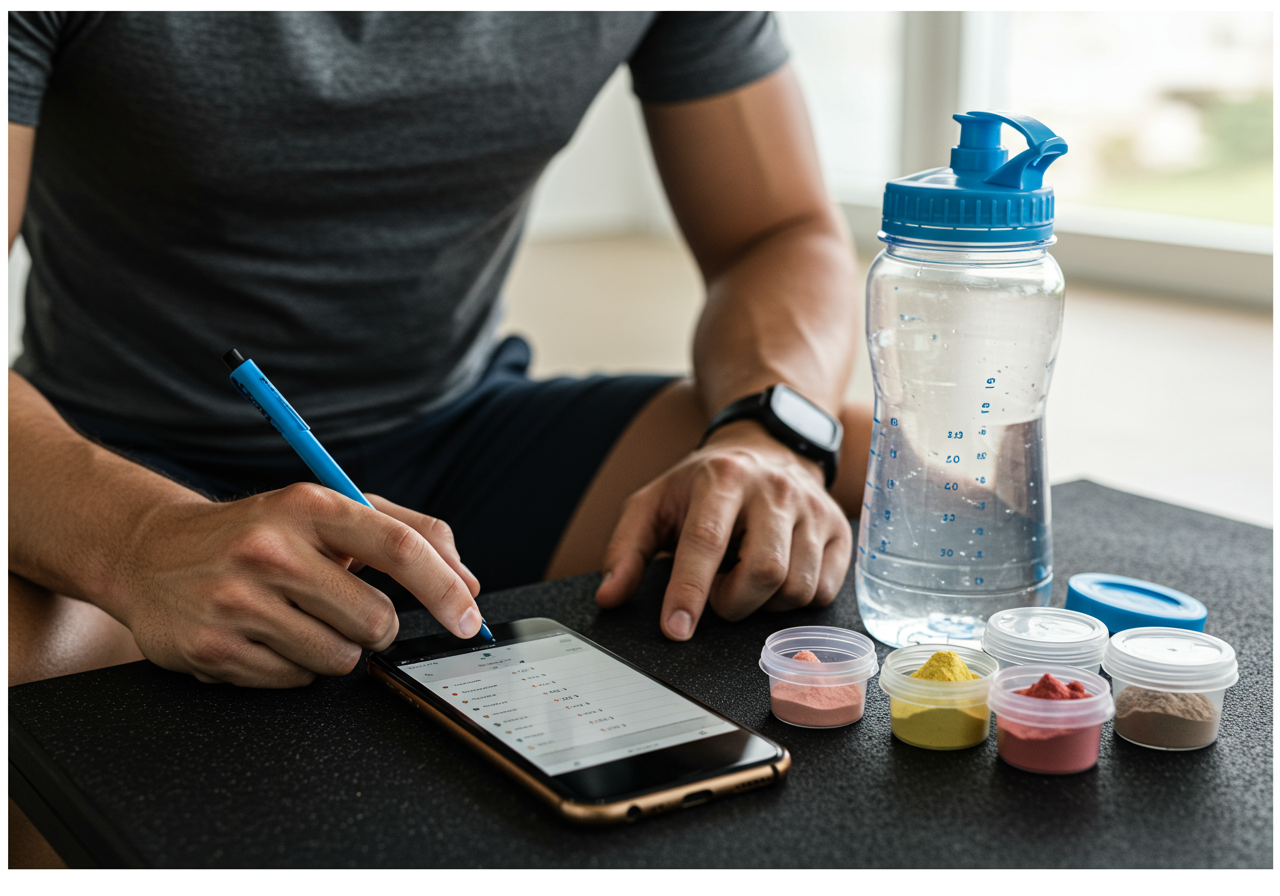
Frequency, Intensity, and Injury Prevention Essentials
- Frequency: 2–4 lifting days weekly. Split full‑body (2–3 days) or upper/lower (4 days). Keep at least one rest day between hard sessions.
- Intensity: Live between RPE 6–9. You should rarely miss reps. Save all‑out attempts for occasional test weeks.
- Common mistakes: Skipping warm‑ups, chasing sweat over skill, increasing volume and intensity simultaneously, and ignoring sleep. Avoid these to prevent plateaus.
- Monitoring: Track morning mood, resting HR, and sleep duration. If soreness lingers >72 hours or motivation tanks, reduce volume 20–30% for a week.
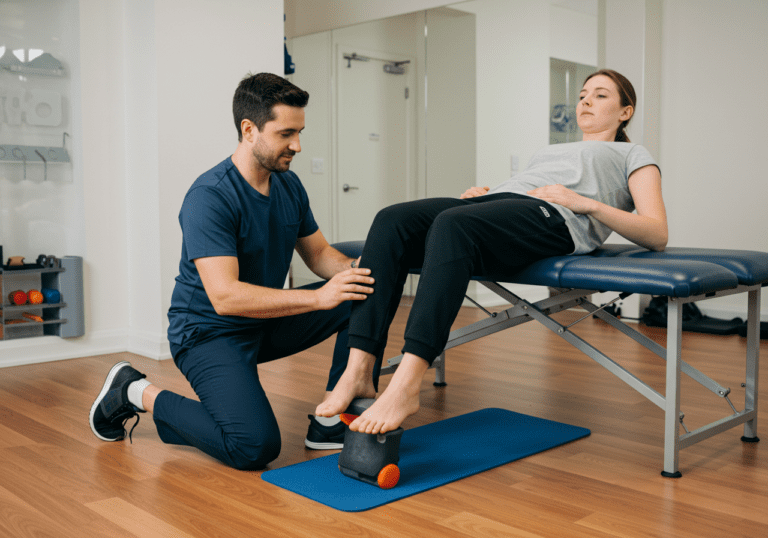
- Injury‑aware adjustments: Use ROM you can control. For knee niggles, try shorter‑range split squats and emphasize hamstring hinges. For shoulder irritability, neutral‑grip pressing and rows help.
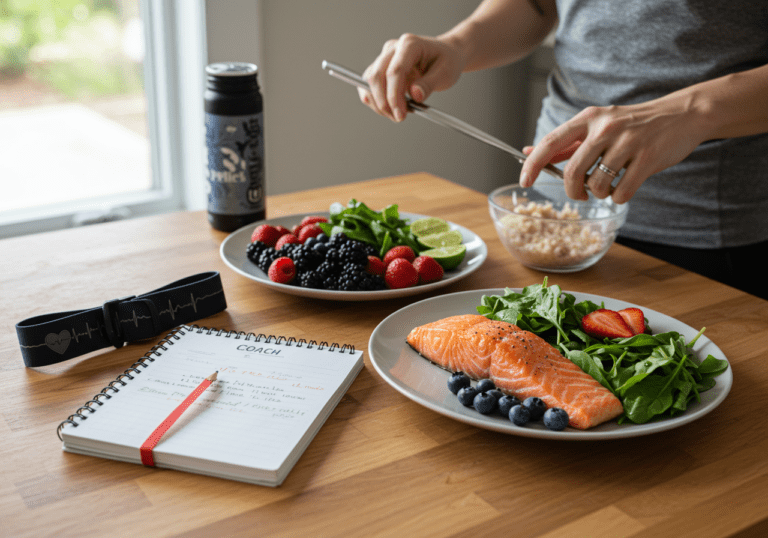
- Nutrition basics: Protein 1.6–2.2 g/kg/day; aim 20–40 g per meal. For fat loss, a modest deficit works best; for strength focus, maintain or slight surplus. Hydrate and add a fruit/Greek yogurt snack around training.
- Recovery: Sleep 7–9 hours. Light walks or Zone 2 on off days speed recovery. Consider creatine monohydrate 3–5 g/day if cleared by your clinician.
- Plateau fixes: Add a set to one main lift, change the rep range (e.g., 8s → 6s), or swap a variation for 4–6 weeks. Micro‑load when jumps feel too big.
- Accountability: Log in Strong, review weekly in 5 minutes, and jot one micro‑goal (e.g., add 1 rep on rows). Many clients find Strava groups add consistency.
If you want my printable checklist and sample weeks, subscribe and I’ll send the template plus a short video on bracing and hinge setup.