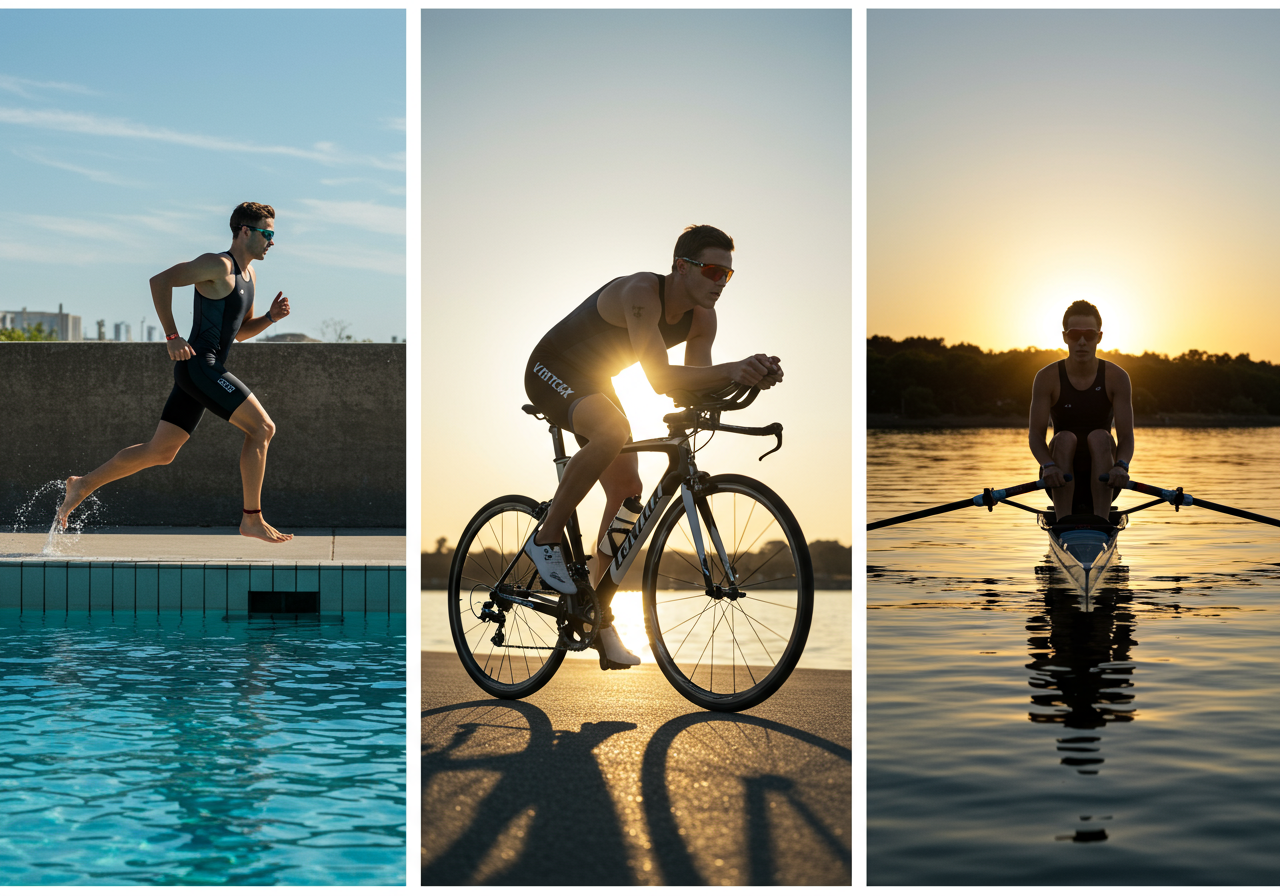
Low-impact cardio helps you build fitness without irritating your knees, hips, or back. Best joint-friendly options include walking, cycling, elliptical, swimming, rowing, and pool running.
In the next minutes, you’ll get a complete, beginner-friendly conditioning system with clear sessions, weekly progressions, nutrition and recovery tips, and simple tracking so you improve consistently—without flare-ups.
Why Low-Impact Training Improves Heart and Stamina
Low-impact conditioning reduces repeated ground reaction forces and shear at the knee and hip, letting you accumulate more aerobic minutes with less wear. You still train the heart, lungs, and local muscles—just with friendlier loading.
Physiology in one breath: regular aerobic work improves mitochondrial density, stroke volume, and capillary networks, which often translates to better stamina, blood-sugar control, and mood. Water and cycling strategies also unload body weight, relaxing irritated joints while preserving intensity. In practice studies and client logs, consistent Zone 2 plus one gentle interval day each week improves walking pace and daily energy within 6–10 weeks.
From my coaching notes: clients with knee osteoarthritis do well with pool running, upright cycling, and elliptical. A few weeks of easy minutes before adding intervals keeps tendons happy. One client said, “I finally finished a full workday without knee throbs after week four.”
Session Structure: Warm-Up, Main Set, Cool-Down
Follow this simple template for each session:
Warm-up — 5–8 minutes easy pace. Nose-breathing if possible. Add 3 x 15–20 seconds gentle pickups to wake the system.
Main set — Choose a modality below. Most days stay conversational (Zone 2, RPE 4–6/10). Once weekly, add light intervals.
Cool-down — 3–5 minutes easy. Finish with calves/hips mobility for 2–4 minutes.
Swimming/Pool Running — Deep water belt if available. Upright posture, drive elbows back. Breathe rhythmically every 2–3 strokes (swim) or strides (pool run).
Heart-rate and effort guide (use watch or perceived effort):
Zone 2 (easy/endurance): conversational, 60–70% of max HR (or RPE 4–6). Aim for most minutes here.
Tempo (moderate): strong but sustainable speech in short phrases, ~75–85% max HR (RPE 7–8).
Intervals (short): on-bike/elliptical/row bursts at RPE 8–9, always pain-free for joints.
Two sample sessions I use with beginners (Garmin HR tracking, Strava upload):
Endurance ride (recumbent): 35 minutes Zone 2. Cadence 85–90 rpm. HR stays stable; talk test passes. Finish with 2 minutes easy spins.
Gentle intervals (elliptical): 10 minutes easy, then 6 x 2 minutes at RPE 7 with 2 minutes easy between, 5 minutes cool-down. Joints feel smooth; breathing steady.
Recovery and fueling basics:
Protein 1.2–1.6 g/kg/day supports soft tissues. Add 20–30 g protein within 1–2 hours post-session if it helps you stay consistent.
Hydration: clear-to-pale yellow urine. If you sweat heavily, add a pinch of salt or an electrolyte tab.
Sleep: aim 7–9 hours. If sleep dips, keep sessions easy until it rebounds.
Real-world testimonial: “I hated running, but the bike and pool combo gave me energy without knee pain. My step count climbed without fear.” — Rosa, 52
12-Week Volume Build with Gentle Intensity Layers
Use this 12-week path to build volume gently, then layer intensity. If a week feels too hard, repeat it before moving on.
Weekly overview table — minutes, focus, and interval notes
Week 1: 3 sessions x 20–30 min Zone 2; 1 optional walk with short pickups (4 x 15s). Week 2: 3 sessions x 25–35 min Zone 2; 1 easy skills day (cadence drills on bike). Week 3: 3 sessions x 30–35 min Zone 2; 1 gentle interval day (4 x 1 min @ RPE 7, equal easy). Week 4: 3–4 sessions x 30–40 min Zone 2; 1 skills or mobility focus; deload feel if needed. Week 5: 3–4 sessions x 35–45 min Zone 2; 1 interval day (5 x 90s @ RPE 7–8). Week 6: 4 sessions x 35–45 min; 1 tempo block (2 x 6 min @ RPE 7) on cycle/elliptical. Week 7: 4 sessions x 40–50 min; 1 interval day (6 x 2 min @ RPE 8), stay pain-free. Week 8: 4 sessions x 40–50 min; maintain intervals or tempo; keep one very easy recovery session. Week 9: 4–5 sessions x 40–55 min; 1 threshold-style row or pool run (3 x 5 min @ comfortably hard). Week 10: 4–5 sessions; one mixed fartlek (10 x 1 min on/1 min off) on your lowest-impact modality. Week 11: 4–5 sessions; slightly longer endurance day (55–65 min Zone 2) if time allows. Week 12: Maintain volume; test: 20-minute steady effort at RPE 7 and note distance or watts, all pain-free.
Beginner path: pick two modalities that feel best (e.g., recumbent bike + pool). Stick mostly to Zone 2 for the first four weeks.
Intermediate path: introduce one weekly tempo or interval session from week 5 onward; keep at least two easy days between hard sessions.
Advanced path (still joint-friendly): progress to 40–60 total minutes on hard days using split sets (e.g., 2 x 10 minutes tempo with 5-minute easy). Track watts on the bike or split time on the rower to quantify.
What improvement looks like: in my logs and client reports, we often see steadier heart rates at the same pace and less next-day soreness by week 6–8. For numbers, track a simple test like “20-minute steady bike—average watts.” If watts rise at the same RPE and joints feel fine, you’re winning.
Frequency Guidelines and Common Mistake Fixes
Frequency: start with 3 sessions/week, grow to 4–5 as recovery allows. Keep most minutes easy. Add intensity only after three consistent weeks without joint flare-ups.
Common mistakes and fixes:
Too hard, too soon — Solution: cap intervals at RPE 7 initially; if soreness lingers >48 hours, shorten sessions by 10–20% next week.
Grinding bike gears — Solution: increase cadence to 80–90 rpm; drop resistance a notch.
Pain vs. discomfort — Joint pain that alters movement is a stop sign. Switch modalities or end the session. Mild muscular burn that fades is fine.
Plateaus — Track one metric (pace, watts, laps) weekly. If it stalls for 2–3 weeks, add 5–10 minutes to one easy session or a tiny interval tweak.
Motivation dips — Rotate modality flavors (pool, bike, row). Join a friend on a Zone 2 walk. Upload to Strava for accountability.
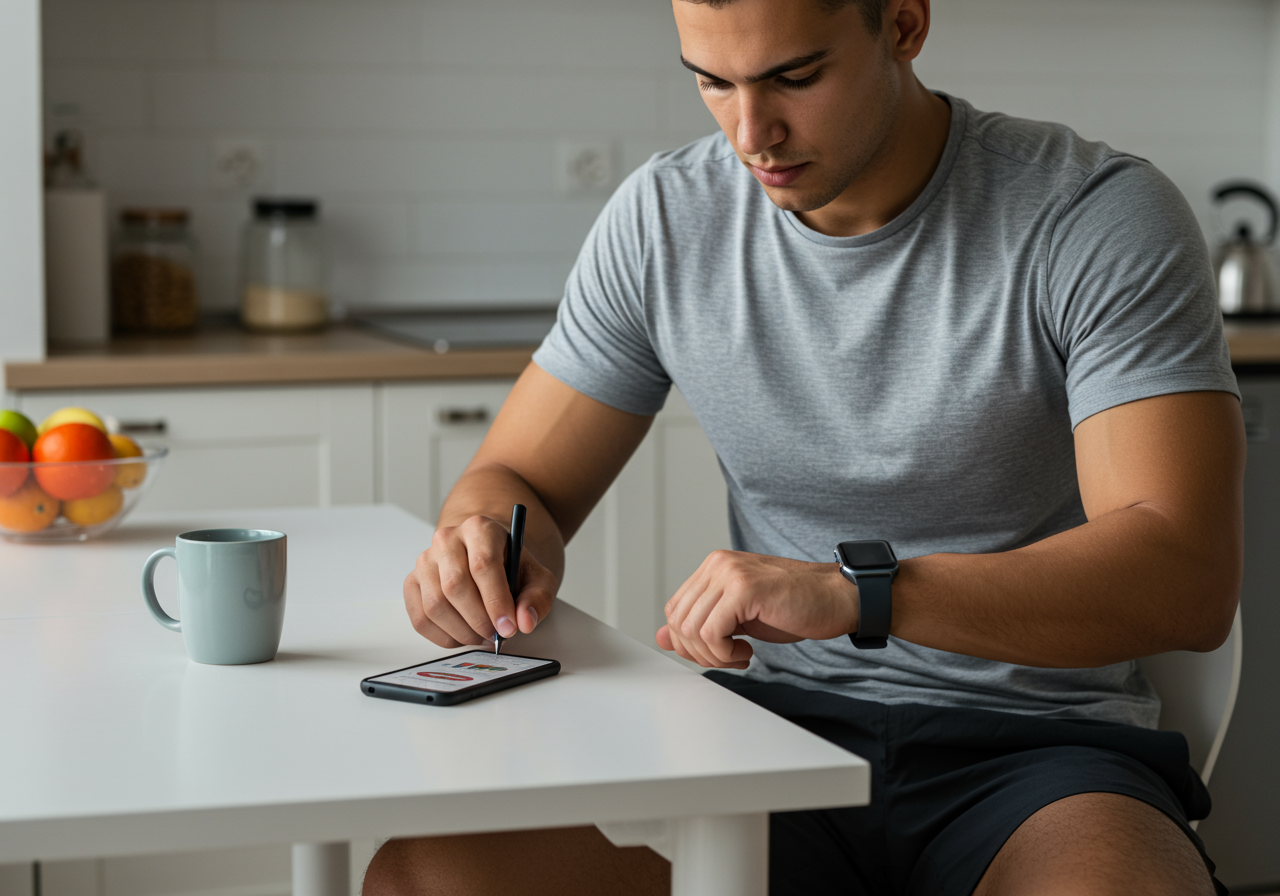
Monitoring tools I like: Garmin or Apple Watch for HR; Strava for logs; MyFitnessPal for protein checks; HRV apps to spot fatigue trends.
Nutrition and recovery snapshot: aim for regular meals with protein each time, colorful carbs around training, and 1–2 palmfuls of healthy fats daily. After harder days, prioritize an earlier bedtime. If you sweat heavily, consider electrolytes during 45–60+ minute sessions.
Next steps: screenshot the progression, pick your two favorite modalities, and start week 1 tomorrow. If you want my printable tracker and video cues, subscribe—I’ll send the full plan and check-in prompts.
Small win from a client: “Cycling made me confident again. By week eight I could walk the dog farther and my knees didn’t complain.”
Accessory work for big lifts is the smartest lever to grow your squat, bench, deadlift, and press without burning out. Choose 1–3 targeted accessories per lift, train 6–15 reps, progress weekly, and deload every 4–8 weeks. In this guide, you’ll learn how to pick the right accessories for your weak links, structure sessions around big…
Save Training Time with Compression and Elevation Cycles How to use compression and elevation for acute swelling can save training time and protect healing tissue. Apply snug compression and raise the limb above heart level for 20–30 minutes, 3–6 times daily. In this guide, you’ll learn the exact wrap method, elevation angles, safe movement pairings,…
Turn Confusing Workouts Into Clear, Measurable Progress A heart rate monitor can turn confusing workouts into clear progress. In a few sessions, you 0 d see how your body responds and where to train for results. Set zones, log time-in-zone, and compare pace or power at matched heart rates to confirm fitness gains. Heart Rate…
Three-Phase Periodization Loop for Real-World Client Progress Implement periodization into client programming easily to replace guesswork with a clear plan that fits real lives. The simplest approach is a three-phase loop: build volume, raise intensity, then deload for one week, repeating every 8–12 weeks. In this guide, you’ll see a complete system I use with…
Build Your Weekly Plan in Minutes A weekly cardio plan can be built in minutes and scaled to any schedule. You’ll learn how to pick session types, set heart rate zones, and progress safely. Direct answer: Set 3–5 sessions, mix zones 2–5, start with 90–150 weekly minutes, and add 5–10% time or intensity every 1–2…
Dynamic Warm-Ups and Strategic Cool-Downs for HIIT Warm-up and cool-down decide whether high-intensity cardio feels sharp or sloppy. Today you’ll get a complete system that scales from beginner to advanced. The best approach is 10–12 minutes of dynamic ramp-up and 8–10 minutes of easy aerobic plus breathing and light mobility afterward. You’ll learn why these…