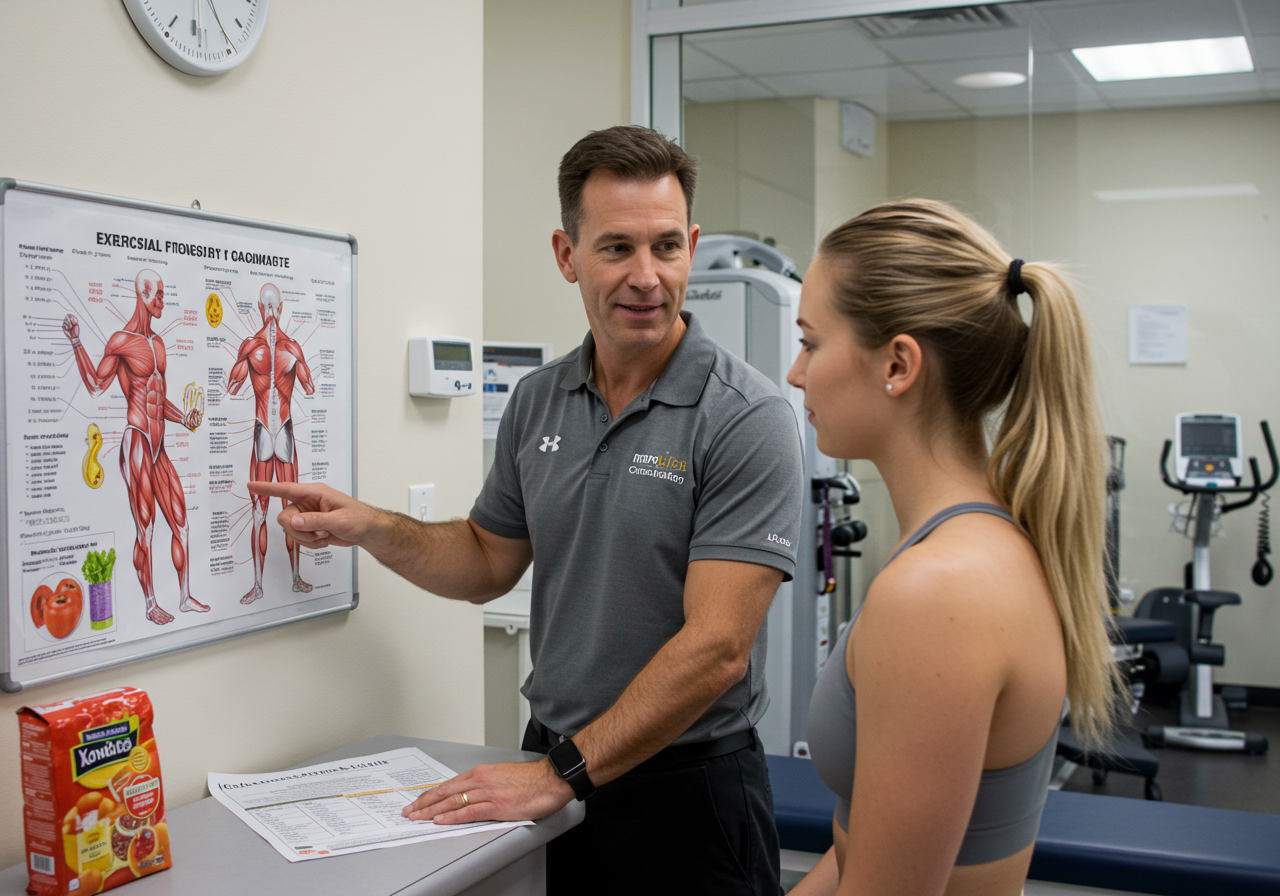
Learning how to read nutrition labels can supercharge beginner training by aligning food choices with workouts and recovery. This guide gives you an easy system for training, fueling, and tracking.
Quick answer: choose clear serving sizes, 15–30 g protein per meal, higher fiber, lower added sugar, and match carb intake to training days.
Why Protein Density and Fiber Drive Performance
Training changes your energy use and recovery needs. Cardio taps glycogen; strength training triggers muscle repair. Reading labels helps you supply the right fuel without guessing. Serving size, protein density, fiber, and added sugar drive satiety, body composition, and performance.
In practice and in peer‑reviewed research summaries, beginners progress reliably when they combine progressive training with adequate protein and calories. My clients who scan labels before buying report fewer energy crashes and steadier training consistency.
Client note: “I stopped chasing ‘low fat’ and looked at protein per 100 g. My snacks changed, afternoon dips faded, and my workouts felt purposeful.” — Maya, 41
Build Your Weekly Training and Nutrition System
Follow this starter system for training, food choices, and tracking. Adjust volumes based on the talk test (cardio) and RPE 1–10 (strength).
1) Weekly layout (3–4 days): – Day A: Full‑body strength + short Zone 2 cardio finish. – Day B: Zone 2 cardio or brisk walk/jog, 30–40 min. – Day C: Full‑body strength + mobility. – Optional Day D: Intervals (Zone 3 surges) or long steady cardio.
2) Strength session (35–45 min): – Warm‑up: 5 min easy movement, dynamic hips/shoulders. – Main lifts (push, pull, squat/hinge): 3 sets x 8–12 reps at RPE 6–7. – Accessories: 1–2 core or single‑leg moves, 2 sets x 10–15. – Finish: 5–10 min Zone 2 cardio (bike/row/jog).
3) Cardio guidelines: – Zone 2: conversational pace, ~60–70% HRmax; you can nose‑breathe or talk in full sentences. – Intervals (when ready): 4–6 repeats of 1 min hard (Zone 3), 2 min easy.
4) Read nutrition labels fast: – Serving size: confirm what a portion actually is. – Protein: aim 0.4 g/kg per meal or 15–30 g for most beginners; prefer ≥10 g per 100 g for protein foods. – Fiber: 3–6 g per meal helps fullness; whole foods > refined. – Added sugar: keep lower most days; use carbs around harder sessions. – Fats: prefer unsaturated; be mindful of trans fats and excess saturated fat. – Sodium: compare similar items; lower most days, higher may be useful after sweaty sessions.
5) Make better swaps (simple wins): – Breakfast: Greek yogurt + berries + oats instead of pastry; check protein per 100 g. – Lunch: rotisserie chicken wrap with veggies vs. processed deli meats; compare sodium. – Snacks: roasted chickpeas/protein bar (≥15 g protein, ≤8 g added sugar) vs. candy. – Dinner: salmon, quinoa, mixed greens; add olive oil for fats; read serving sizes.
6) Track without obsession: – Use MyFitnessPal or Cronometer to scan labels the first 1–2 weeks; focus on protein and fiber anchors. – Log workouts on Strava, Garmin, or Fitbit; record RPE and minutes. Watch trends, not single days.
7) Recovery basics: – Protein: 1.6–2.2 g/kg/day across 3–4 meals. – Sleep: 7–9 hours; consistent schedule. – Hydration: clear to pale straw urine; add electrolytes after long, sweaty sessions.
Scale Volume and Intensity Over Twelve Weeks
Advance gradually by volume, intensity, and smarter food choices matched to training stress.
12‑week progression overview (plain‑text table):
Weeks 1–2: Strength 2x/week @ RPE 6; Zone 2 cardio 2x 25–35 min; learn labels (serving size, protein/100 g); track 3 days/week. Weeks 3–4: Strength 3x/week @ RPE 6–7; Zone 2 2x 30–40 min; fiber target 25–35 g/day; added sugar mostly <10% kcal. Weeks 5–6: Add intervals 1x/week (4×1 min Z3, 2 min easy); increase main lifts 2.5–5% if reps hit 12; pre‑workout carbs 20–40 g for hard days. Weeks 7–8: Strength 3x/week with one heavier set @ RPE 8; Zone 2 long session 45–60 min; compare sodium across brands; hydrate to thirst + electrolytes. Weeks 9–10: Intervals 1–2x/week (5–6 reps); deload strength volume by ~20% if soreness lingers; protein 1.8–2.2 g/kg/day; scan labels for added sugar in sauces. Weeks 11–12: Test week: keep form safe; choose either a distance PR attempt or 5‑rep strength check; maintain sleep priority; simplify foods you digest best.
Level cues: – Beginner: stop sets 3–4 reps shy of failure (RPE ≤7). – Intermediate: one top set at RPE 8, back‑off sets lighter. – Advanced: wave loading (e.g., 3×5, 3×3) every other week; intervals become structured (like 3–5 min Z3).
What results look like: In client logs and my coaching notes, consistent trainees often report steadier energy, easier portion control, and gradual strength or pace improvements. Expect plateaus; the table above builds in small load bumps and a deload to keep progress moving.
Avoid Common Label Mistakes and Training Errors
Frequency & intensity: Start with 3–4 sessions weekly. Keep most cardio in Zone 2. Reserve hard intervals for 1x/week after four consistent weeks. Strength stays mostly at RPE 6–7 early on.
Common mistakes: Chasing low‑calorie labels but missing protein; skipping warm‑ups; adding intervals too soon; comparing serving sizes incorrectly; ignoring sleep quality. Fix the label mistake by checking protein and fiber before calories.
Troubleshooting: – Plateau: add a set to two main lifts or extend Zone 2 by 5–10 min; reassess protein. – Overtraining signs: persistent fatigue, elevated RPE—reduce volume 20% for a week; prioritize sleep and carbs around hard days. – Motivation dip: shorten sessions to 20 minutes and keep the habit; pre‑log tomorrow’s food in MyFitnessPal to remove friction. – Niggles/injuries: swap high‑impact cardio for bike/row; keep strength with tempo and reduced load; see a qualified clinician if pain persists.
Nutrition fine‑tuning: Center each plate on protein, add colorful produce, then starches to match training intensity. Whole foods first; labels help you compare similar items quickly instead of chasing perfection.
Call to action: Download my free “Label‑Smart Training” checklist, subscribe for weekly progress prompts, and share your first two weeks of logs—I’ll help you troubleshoot your next step.
Quick bodyweight intervals burn fat at home Home Cardio Workouts Without Equipment can reduce body fat, improve conditioning, and fit into busy schedules. In this guide, you’ll learn practical routines, progressions, and how to track results. Direct answer: Do 20–30 minutes of mixed bodyweight intervals three to five days weekly at moderate to vigorous effort….
Turn Random Rest Into a Repeatable Recovery System A recovery toolbox turns random rest into a repeatable system for better training results. It uses simple tools, short timers, and checklists to reduce fatigue, protect joints, and keep progress steady. In a few minutes, you will learn how to combine practical tools, reliable timers, and a…
Weekly Training Plan With Built-In Gear Audits A gear audit built into your training prevents injuries and keeps progress steady. This guide gives you a complete weekly plan plus a safety and maintenance checklist. Direct answer: Train 3–4 days weekly; run a 2-minute gear audit before sessions; progress gradually; log sleep, nutrition, and performance. Equipment…
Balance Strength and Cardio with Smart Weekly Structure To combine strength lifts with endurance, start with a simple 3+2 weekly template that balances intensity and recovery. Do two strength days, two endurance days, and one mixed day while keeping easy volume high and hard efforts brief. In minutes, you will learn a clear weekly layout,…
Choose exercises that fit your body’s actual ranges Mobility assessments help you choose the right exercises, loads, and warm-ups so training fits your body instead of forcing it. Today you’ll learn simple tests and how to apply them. Direct answer: Mobility assessments reveal joint limits and control so you can adjust exercise selection, loading, and…
Anti-inflammatory foods can meaningfully reduce soreness and speed up recovery when paired with smart training, adequate protein, and sleep. In this guide, I merge a simple training week (strength, cardio, and mobility) with recovery nutrition that lowers unnecessary inflammation. You’ll get meal templates, grocery picks, supplement considerations, and a step-by-step plan to progress from beginner…