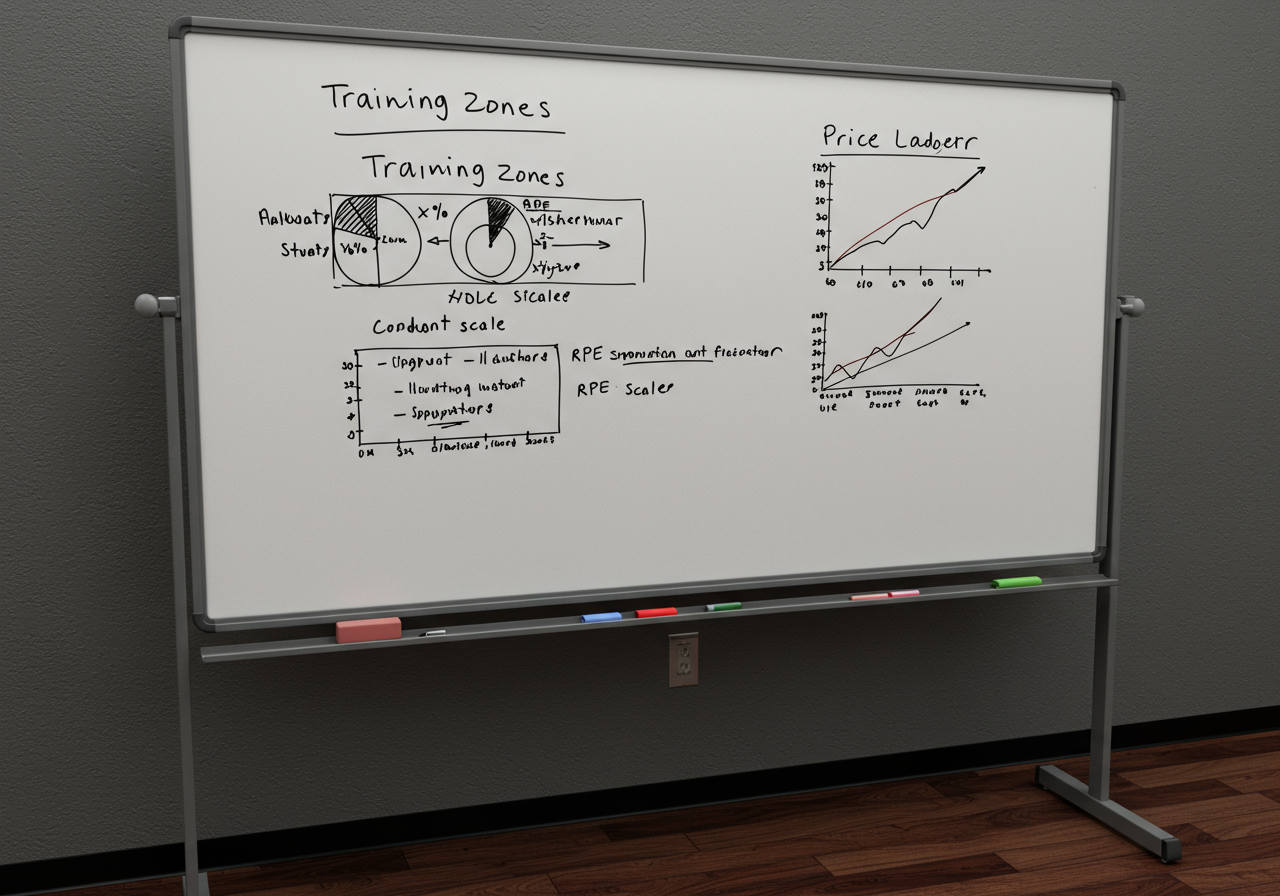
Tiered pricing can organize your training programs and subscriptions into clear levels that scale coaching, content, and results.
Direct answer: Create three tiers aligned to support depth, price with anchors, and match programming complexity to client needs for sustainable adherence and revenue.
You’ll learn how to build the tiers, map training for strength, cardio, and mobility, set prices confidently, roll out upgrades safely, and track proof of progress without guesswork.
Graded Feedback and Structure Improve Long-Term Adherence
Clear levels reduce decision fatigue and help clients select the right dose of coaching. In coaching practice, a strong middle tier often becomes the most chosen option, improving adherence because clients get enough feedback without feeling overwhelmed.
Physiologically, progression needs repeatable workloads, timely feedback, and recovery. Tiered systems formalize these levers: beginners receive simple habits and low-friction plans; intermediates add structured progression and form checks; advanced athletes get periodization, readiness monitoring, and higher-intensity blocks when recovery is ready.
Behavior research and coaching experience show that graded autonomy, consistent feedback, and visible milestones support long-term adherence. While outcomes vary, coaches commonly report better session completion and fewer plateaus after organizing offers into tiers.
Price by Coaching Value, Not Content Volume
Choose three tiers with clear promises. Names I use: Essential, Coaching Plus, and Pro Hybrid. Each tier increases coaching depth, feedback frequency, and program complexity.
Map the weekly training architecture. Every tier includes strength, cardio, mobility, and activity breaks. The difference is feedback depth and progression detail.
Price with anchors and outcomes. Set the Pro tier first (your full-service anchor), then position Plus in the middle and Essential as your entry. Price reflects access and support—not just content.
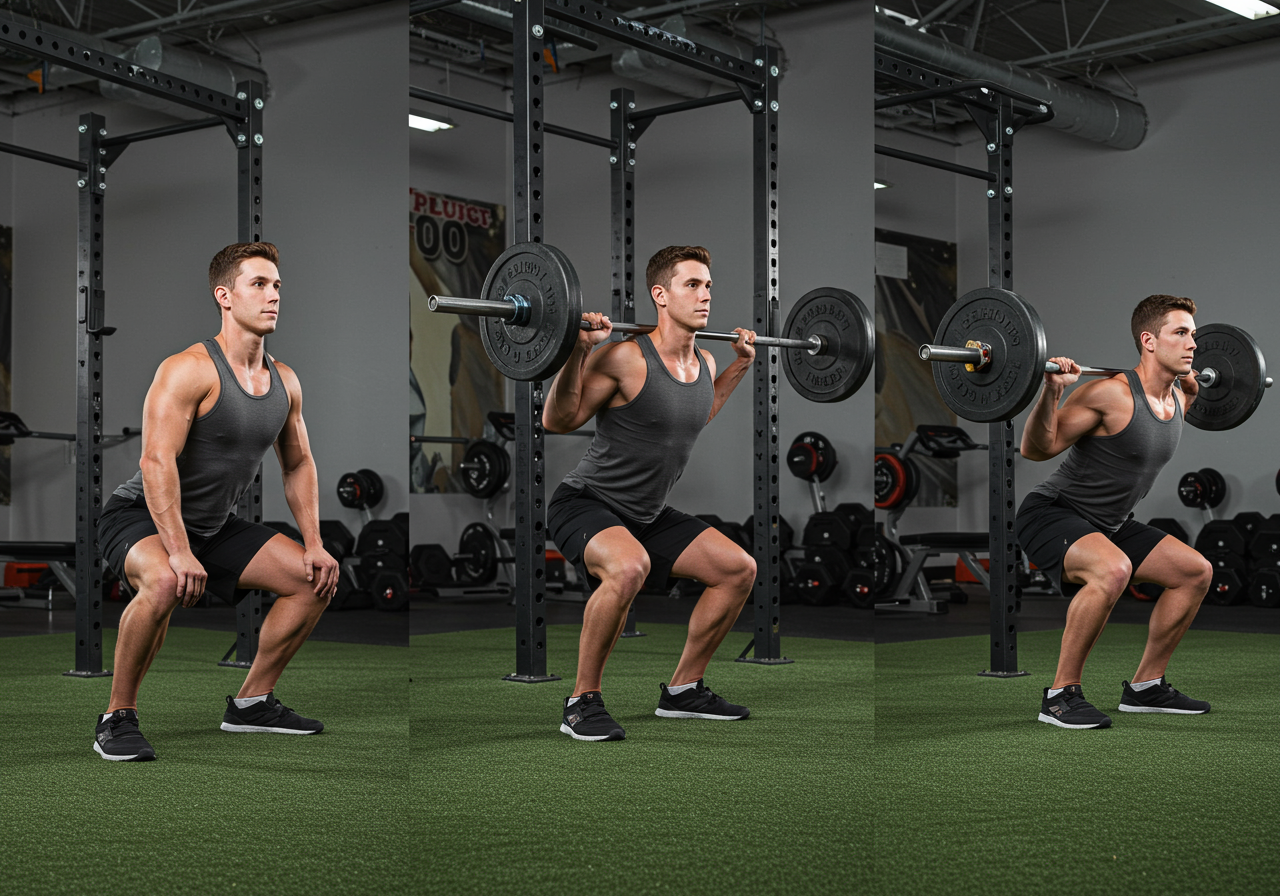
Onboard with a short assessment. Use PAR‑Q, a 3‑minute movement screen (air squat, hinge, push, pull), and a simple cardio test (6–12 minutes easy jog/ride) to estimate zones.
Build the program templates. Keep the skeleton consistent so upgrades feel seamless.
Table: Example tier structure, features, and price anchors (illustrative)
Essential — sample week: 2 strength sessions (full‑body, 35–45 min, RPE 6–7), 2 Zone 2 cardio sessions (25–35 min, conversational pace; HR Zone 2 by Garmin/Polar), daily 8–10 min mobility (hips/shoulders/ankles). Example main lift: Goblet squat 3×8–10; DB bench 3×8–10; hip hinge 3×8; row 3×10; carry 3×30 m.
Coaching Plus — sample week: 3 strength sessions (upper/lower/full; 40–55 min, RPE 6–8), 1 Zone 2 (30–40 min) + 1 interval session (6×2 min Z4 with 2 min easy), mobility 10–15 min. Add form reviews via Loom/TrueCoach. Load progression: add 2.5–5% when last set leaves 2 reps in reserve.
Pro Hybrid — sample week: 4 strength sessions (upper/lower split + accessory day; RPE undulating 6–9), 2–3 cardio days (mix Z2, 20–30 min tempo at upper Z3, or short threshold bouts), mobility 15–20 min plus soft‑tissue. Use readiness metrics (HRV on Whoop/Oura, morning RPE) to schedule hard days.
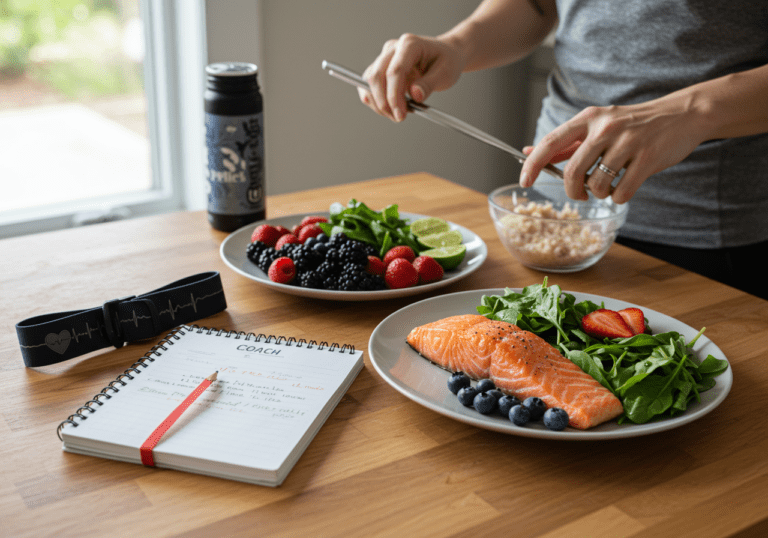
Nutrition & recovery scaffolding by tier: Essential—protein 1.6–2.0 g/kg, 7+ hours sleep, hydrate 30–40 ml/kg; Plus—add food logging 3 days/week in MyFitnessPal or Cronometer and a simple pre/post training carb plan; Pro—periodize calories around hard weeks, optional creatine monohydrate if appropriate (consult a professional), sleep regularity windows.
Tracking and tools: Programming in Trainerize/TrueCoach/Google Sheets; cardio tracking on Strava/Garmin; strength logs in Strong or Trainerize; mobility via preset video library. Use weekly check‑ins: sessions completed, average RPE, bodyweight trend, and a quick mood scale (1–5).
Client notes: “The Essential plan finally got me moving 4 days a week without stress.” — Jill, 39. “Plus gave me the form cues I needed; knee pain faded after two weeks of hinge work.” — Mark, 46. (Shared with permission.)
Rollout in practice: Announce tiers to current clients with an upgrade path. Keep grandfathered pricing for one cycle, then invite them to choose the tier that matches their goals.
Progress Load and Intensity When Technique Is Solid
Beginner (first 4–6 weeks): Focus on consistent attendance and simple technique. Strength at RPE 6–7 leaving 2–3 reps in reserve. Cardio mostly Zone 2, 20–35 minutes. Mobility daily for 8–10 minutes. Upgrade from Essential to Plus when you want form feedback or stall for 2+ weeks.
Intermediate (next 6–12 weeks): Add an extra strength day (or a higher‑rep accessory block) and introduce one weekly interval or tempo cardio session. Progress loads 2.5–5% when last sets feel strong. Use monthly mini‑tests: 1‑minute max push‑ups with clean form, a 12‑minute easy loop pace, and a 30‑second balance hold per leg.
Advanced (ongoing blocks): Periodize 3–4 week build phases with 1 deload week. Strength may include heavy doubles/triples at RPE 8–9 sparingly. Cardio adds threshold or hill repeats if recovery is solid. Mobility shifts to targeted limitations (thoracic rotation, hip IR/ER). Pro tier fits best here for readiness tracking and hybrid sessions.
Movement quality gates: Before adding intensity, achieve: stable air squat to parallel, pain‑free hinge to mid‑shin, single‑arm row without trunk twist, 20 minutes steady Z2 without breath spikes. If any gate fails, repeat the current level for two more weeks with extra mobility and lighter loads.
When to adjust tiers: Move up if you consistently hit 90%+ of planned sessions and feel under‑challenged. Shift down if sleep drops, motivation fades, or soreness lingers beyond 48–72 hours.
Schedule Deloads and Set Boundaries to Prevent Burnout
Frequency & intensity: Start with 4–5 training touchpoints weekly (including mobility). Keep most strength work at RPE 6–8. Cardio base should be predominantly Zone 2. Schedule one higher‑intensity session only when sleep and nutrition are steady.
Common mistakes: Jumping tiers too soon, skipping deloads, chasing metrics instead of technique, and pricing tiers by content volume rather than coaching value. Avoid offering unlimited messaging; set clear response windows.
Troubleshooting plateaus: If lifts stall, reduce volume by 20% for a week, then resume. If cardio stalls, swap one Z2 with a short interval set. For motivation dips, add a measurable 4‑week goal and a mid‑block check‑in.
Overuse & safety: Pain that sharpens with load or persists at rest needs a pause and professional input. Use a 24‑hour rule after acute tweaks: mobility only; re‑test next day. Keep warm‑ups simple: 5 minutes easy cardio, joint cars, and two ramp‑up sets per lift.
Monitoring: Track sessions completed, average RPE, sleep hours, and morning mood. If two metrics slide for a week, deload or drop a tier temporarily.
Business follow‑through: Review tiers quarterly. Retire features clients don’t use, and highlight the ones they love. In my practice, the middle tier became the default choice within a few months, and session completion improved compared to a single‑offer model.
Next steps: Pick your starting tier, download a habit tracker, and commit to four weeks.
Clear Plan to Restart Stalled Lifts Fast How to break through a strength plateau starts with a clear plan that adjusts volume, recovery, and technique without guessing. You will learn a simple system that gets lifts moving again. Direct answer: Deload briefly, then raise weekly hard sets 10–20% while improving sleep and technique to restart…
Mobility drills prepare joints for better performance Mobility warm-up sets your joints and nervous system for better movement, strength, and cardio performance. Quick answer: pair short mobility drills with activation, then rehearse the day’s pattern. In a few minutes, you will learn an easy sequence I use with new clients: breathing reset, joint prep, mobility–activation…
Mixed Fuel Strategy: 60-90g Carbs Per Hour Fueling Strategies for Long Rides: Solid Food vs Gels is the foundation of this ride-ready system. You’ll learn how to choose the right fuel at the right time, pair it with smart training, and track results without guesswork. Quick answer: For rides over two hours, aim for 60…
Define Your Goal and Map Three Weekly Sessions A goal-based 12-week training program becomes simple when you follow a clear map. In the next few minutes, you’ll learn how to align your goal, weekly schedule, and progress checks so you keep moving forward—without guessing. Do this: define one goal, set three focused sessions per week,…
Restore T-Spine Extension for Pain-Free Overhead Lifts Thoracic mobility is the hinge that unlocks safe, powerful overhead lifts. In minutes per day, you can restore extension and rotation and protect your shoulders. Quick answer: Combine breath-led drills, end-range loading, and clean scapular mechanics practiced daily for 8–12 minutes. You’ll learn how to assess your T‑spine,…
Start Strong Cycling Workout Plan for Endurance and Power Gains: here’s a simple path to ride longer, push harder, and recover better. Direct answer: Do 3–5 rides weekly—2 base, 1 threshold, 1 power/sprints, plus optional skills; progress volume or intensity every week. In this guide you’ll learn the exact ride types, how to set zones…