Restore T-Spine Extension for Pain-Free Overhead Lifts
Thoracic mobility is the hinge that unlocks safe, powerful overhead lifts. In minutes per day, you can restore extension and rotation and protect your shoulders.
Quick answer: Combine breath-led drills, end-range loading, and clean scapular mechanics practiced daily for 8–12 minutes.
You’ll learn how to assess your T‑spine, the exact drills I use with clients, a beginner→advanced progression, and how to track changes so your overhead press, jerk, and snatch feel smooth again.
T-Spine Mobility Prevents Shoulder Impingement and Compensations
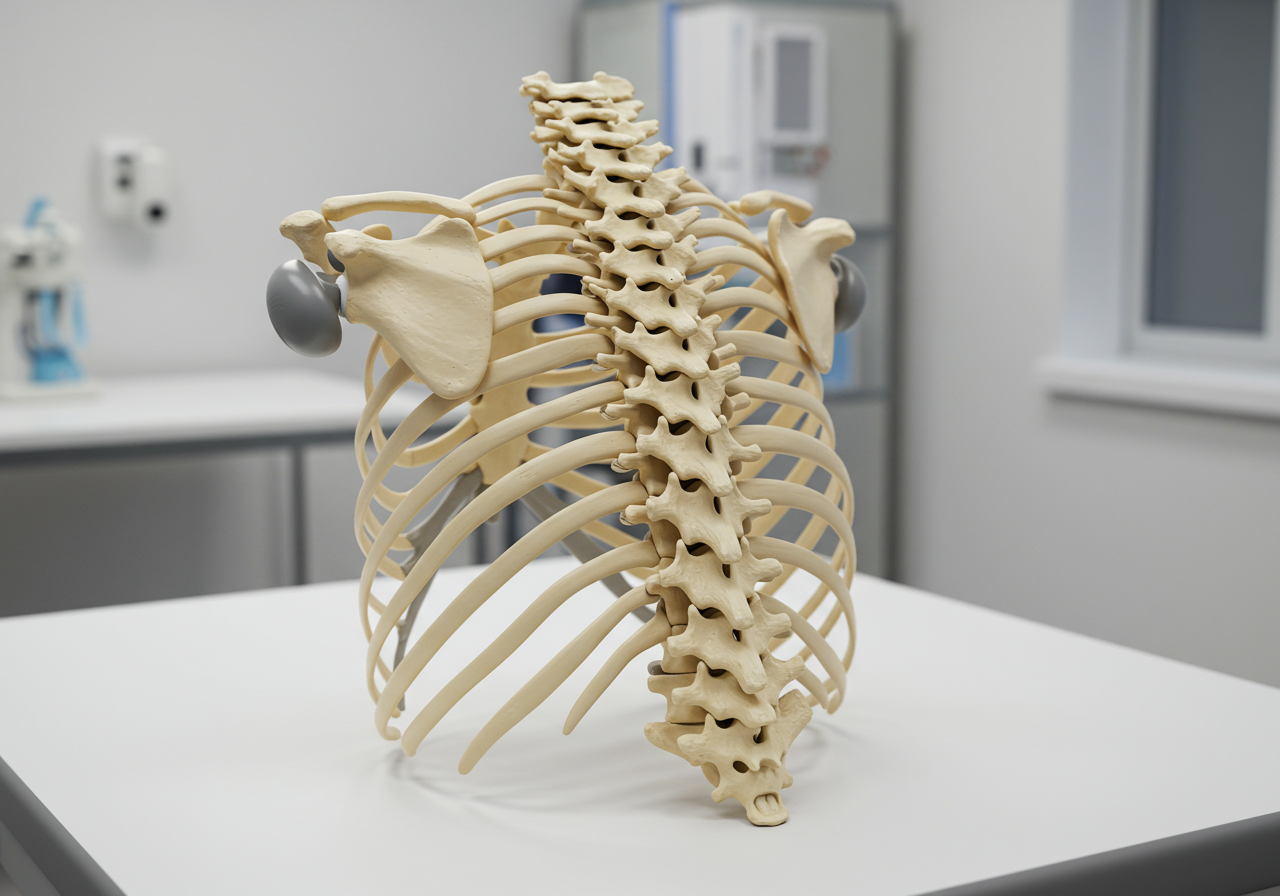
The thoracic spine (T1–T12) needs extension and rotation for the shoulder blade to upwardly rotate and posteriorly tilt. Without it, lifters borrow motion from the lower back, flare ribs, and impinge soft tissue at end range. Better T‑spine motion lets the humerus clear the acromion and keeps the bar or kettlebell stacked over mid‑foot.
Breath mechanics matter: a long exhale helps the ribs descend so the mid‑back can actually extend instead of the low back jamming forward. In practice and in peer‑reviewed research, mobility changes tend to stick when combined with light strength at the new range and consistent exposure to the target skill.
My experience: after a shoulder flare‑up, I dedicated 10 minutes daily for six weeks. My back‑to‑wall shoulder flexion improved from fingertips to knuckles on the wall, and my overhead press path smoothed out. Client note (Ana, designer): “Two weeks in, the overhead PVC test felt natural. By week five, I stopped arching during presses.” Results vary, but the pattern repeats when the drills are done consistently.
Breathing Drills, Foam Rolling, and Rotation Assessments
Warm-up — 3–5 minutes: light cardio (easy bike or brisk walk) and nasal breathing to raise temperature. Keep heart rate around Zone 1; my Garmin usually reads 95–110 bpm here.
1) Quick self-assessment (60–90 sec) – Back‑to‑wall shoulder flexion test: ribs down, low back neutral; reach both arms overhead. Note if hands hit the wall without arching. – Seated rotation: arms across chest; rotate left/right. Notice asymmetry.
2) Breathing reset (2 minutes) – 90/90 hip lift with two‑second inhale through nose, 6–8 second soft exhale, 2‑second pause. 5–6 breaths. Cue: “Exhale, ribs down; inhale into mid‑back.”
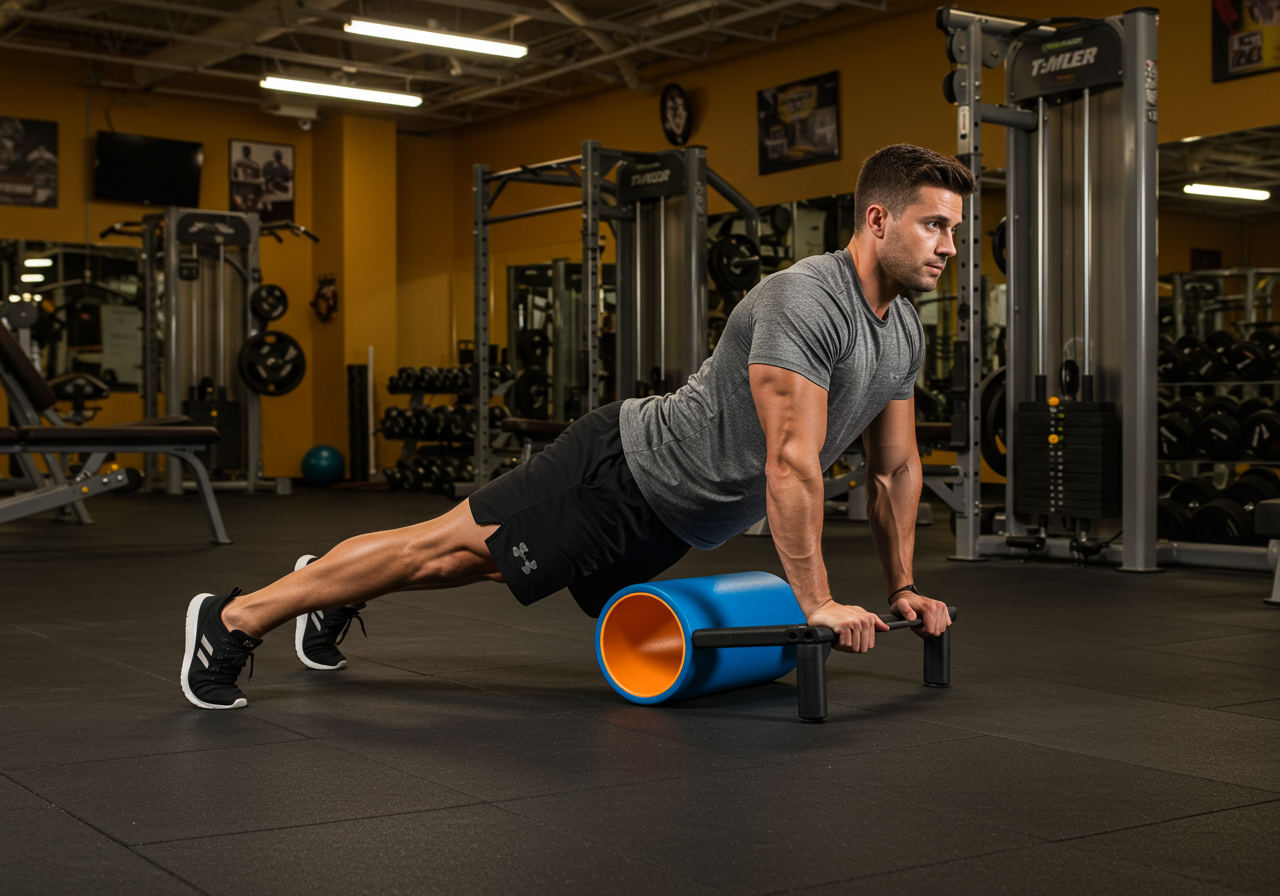
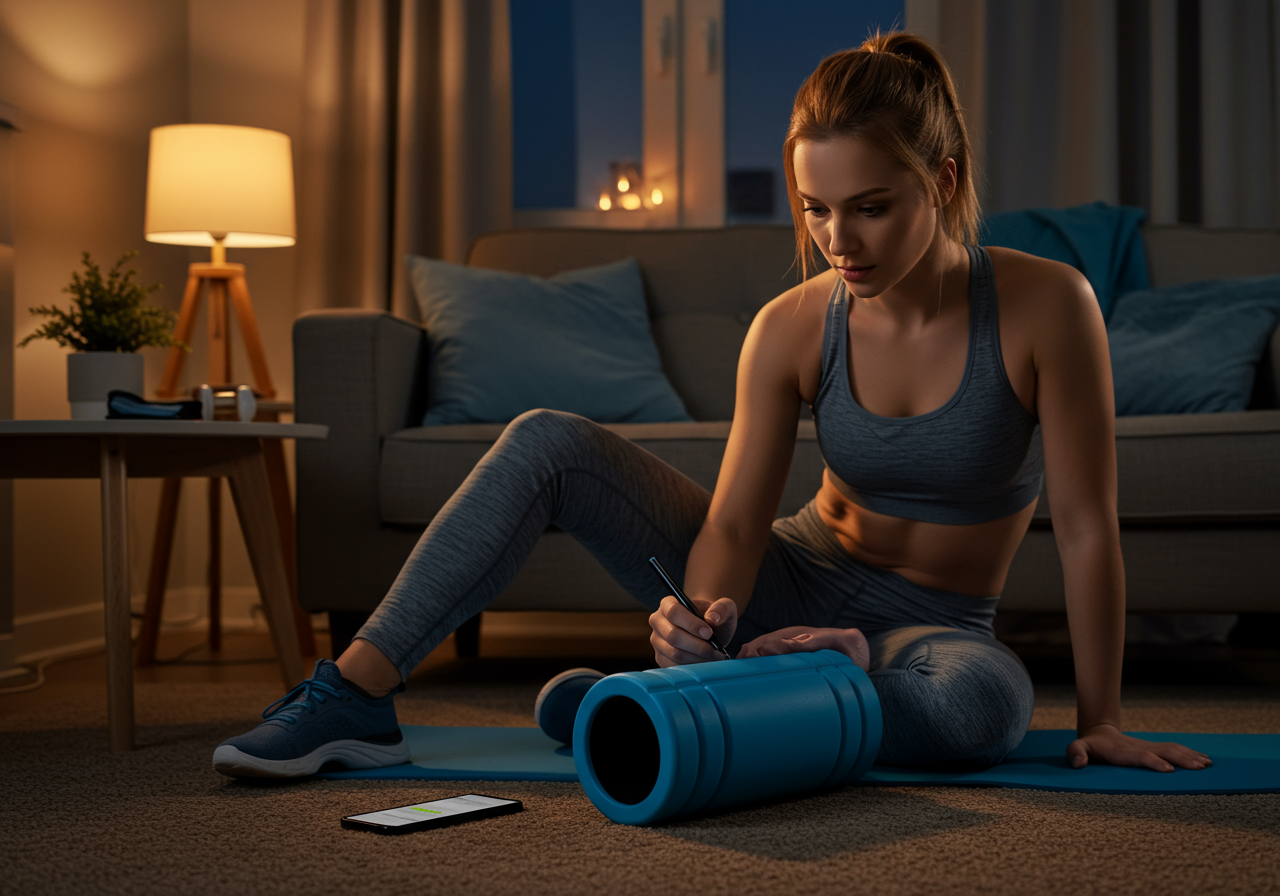
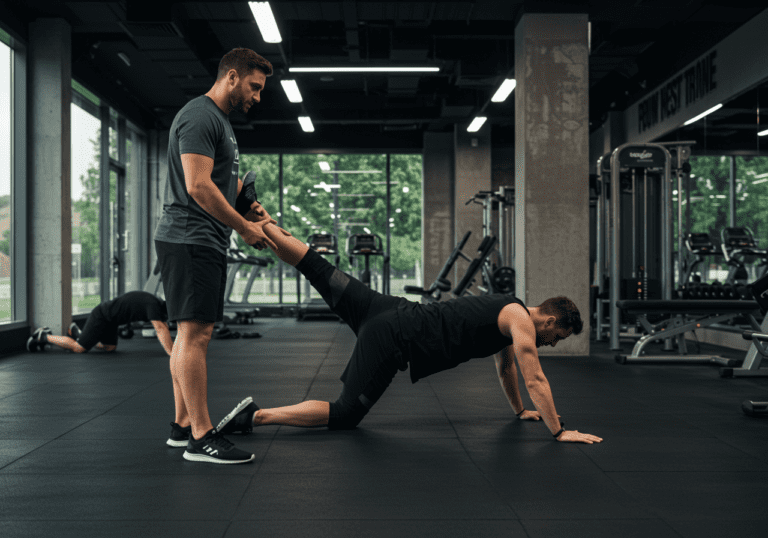
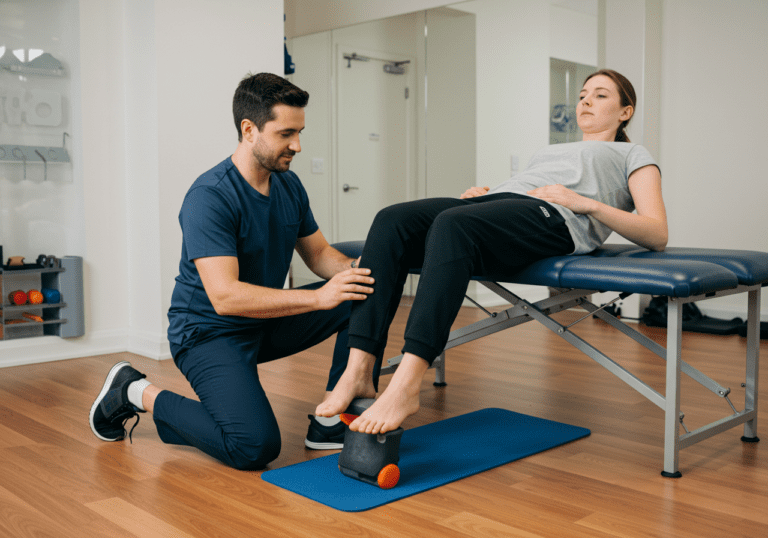
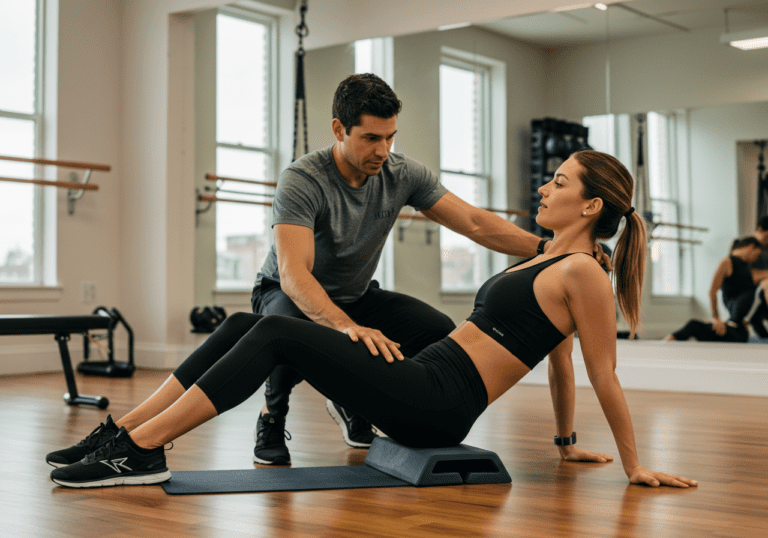
3) Extension + rotation circuit (6–8 minutes total) – Foam roller T‑spine opener over upper back (not low back): 1–2 sets of 5–6 slow extensions; keep ribs drawn down. – Quadruped segmented cat‑camel: 2 sets of 5, moving one vertebra at a time; long exhales in flexion. – Half‑kneeling windmill (light kettlebell or bodyweight): 2 sets of 3–5 per side; keep front hip stacked. – Wall slide with lift‑off: forearms on wall, slide up, gently lift wrists away 1–2 cm, 2 sets of 6–8 reps. Cue serratus: “Elbows forward, reach long.”
4) Strengthen the new range (2–4 minutes) – Tall‑kneeling landmine press: 2–3 sets of 6–8 at RPE 5–6; ribs quiet, glutes on. – Overhead carry (light): 2 x 20–30 meters per arm; pack shoulder, reach tall through the bell.
Coaching cues I repeat: “Exhale to own the position,” “Long neck, soft ribs,” “Move slow; earn each centimeter.”
Tracking: film the wall flexion test weekly; log drills in Strong or Notes; mark RPE and any pinch. I tag sessions in Strava as Mobility for streak accountability.
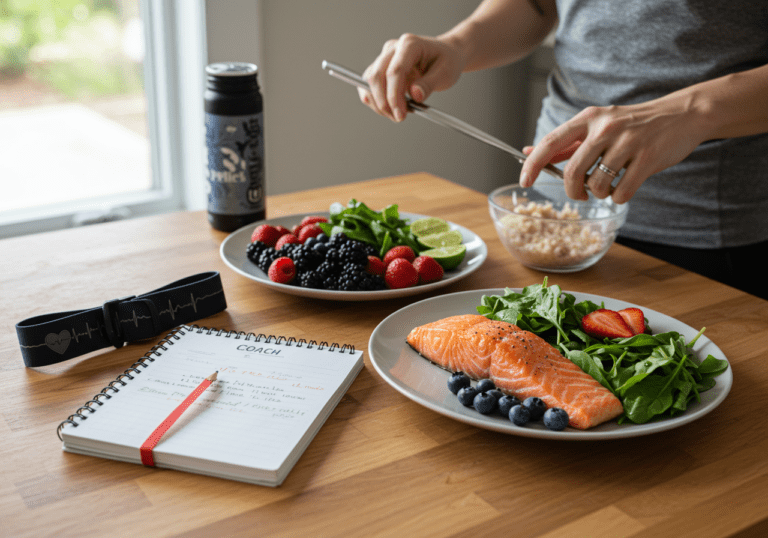
Recovery & nutrition: prioritize 7–9 hours sleep; protein 1.6–2.2 g/kg/day (track in MyFitnessPal if helpful); hydrate, and place mobility after a warm shower if you’re stiff. I avoid aggressive static stretches pre‑lifting; I save long holds for evenings.
Common mistakes: jamming the roller into the low back, cranking into pain, holding breath, and letting the rib cage flare. Go slow and breathe.
Eight-Week Protocol from Breathing Resets to Loaded Press
Use this 8‑week arc to layer capacity. Train mobility 5–6 days/week for 8–12 minutes. Integrate light overhead strength 2–3 days/week.
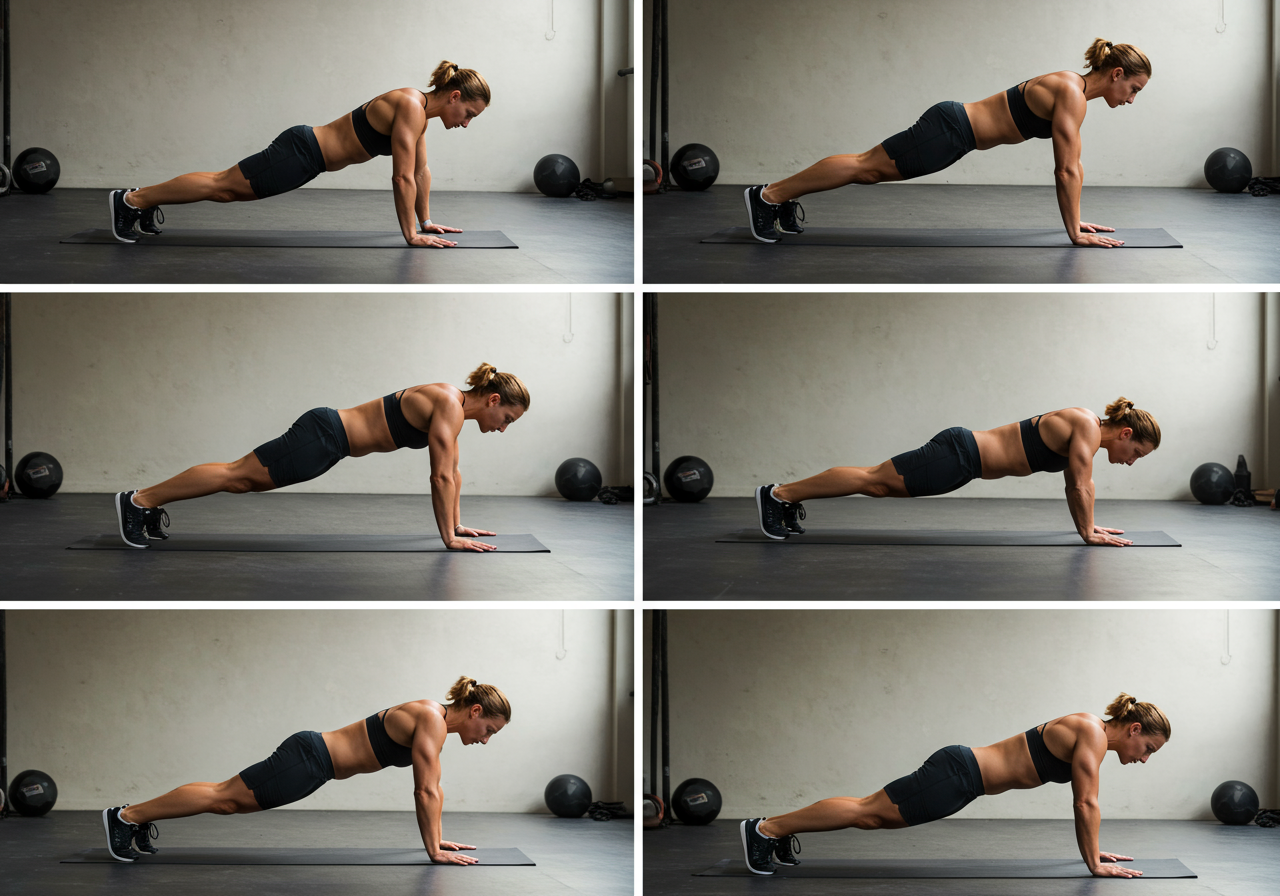
Caption: 8‑week progression for thoracic mobility and overhead integration.
Week 1–2: Daily breathing reset (5–6 breaths), foam roller opener 1–2x5, cat‑camel 2x5, wall slide 2x6; tall‑kneeling landmine press 2x8 @ RPE 5; carries 2x20 m.

Week 3–4: Add half‑kneeling windmill 2x4/side; wall slide with lift‑off 3x6; landmine press 3x6 @ RPE 6; carries 3x20–30 m; test wall flexion weekly.

Week 5–6: Progress load slightly; introduce 1/2‑kneeling KB press 3x5/side @ RPE 6–7; prone swimmer (unloaded) 2x4 slow; carries 3x30 m; rotate drills to bias your tighter side.

Week 7–8: Maintain daily resets; add overhead press tempo 3x5 (2‑1‑2 tempo) pain‑free; windmill with light KB 3x3/side; carries 2x40 m; deload if stiffness accumulates.

Advanced option (ongoing): Turkish get‑up 2–3 singles/side; overhead squat PVC 2x5; inchworm to cobra 2x4; refine bar path with 3–5 submax singles.
Progress markers: back‑to‑wall flexion from fingertips → knuckles; smoother bar path on video; ability to press without rib flare; rotation symmetry within a comfortable tolerance. I re‑test on Day 1 of each week and after Week 4 and 8.
When to move up: drills feel smooth, no pinch, and you maintain stacked ribs under load. If soreness lingers >48 hours or pressing form degrades, repeat the week or deload (reduce sets by ~30%).
Frequency: 5–6 quick mobility sessions weekly; 2–3 overhead strength integrations. Intensity: keep most work at RPE 3–6; save heavy presses for days you feel springy.
Troubleshooting: – Plateau: add 1–2 sets of rotation (windmills) or reduce load to focus on breath and control. – Overworking: persistent mid‑back soreness means cut volume by a third for 5–7 days. – Motivation dip: track a streak and celebrate minutes, not perfection.
Safety: skip any drill that creates numbness or sharp pain; consult a clinician if symptoms persist. Replace painful overhead presses with landmine or bottoms‑up carries until symptoms calm. Never force range—own it with breath.
Client note (Paul, 42): “The daily 10‑minute circuit was easier to keep than full workouts. After three weeks, my jerk rack felt natural again.”
Next steps: keep the micro‑session habit, sprinkle in Turkish get‑ups or overhead carries on strength days, and re‑test monthly. If you want my one‑page tracker and video cues, subscribe and I’ll send the template I use with new clients.
Build Sustainable Speed with Weekly Threshold Sessions Tempo runs are my most reliable tool for lifting sustained race pace without feeling wrecked. If you’re new to structured training, this guide shows you exactly how to build, progress, and measure tempos for safer, faster results. Direct answer: Run 15–30 minutes at comfortably hard threshold once weekly,…
Mobility drills prepare joints for better performance Mobility warm-up sets your joints and nervous system for better movement, strength, and cardio performance. Quick answer: pair short mobility drills with activation, then rehearse the day’s pattern. In a few minutes, you will learn an easy sequence I use with new clients: breathing reset, joint prep, mobility–activation…
Strength training for older adults builds confidence, mobility, and independence when progressed gradually and performed with good form. The safest plan uses simple exercises, pain-free ranges, and steady load increases. In the next few minutes you will learn a complete system: joint-friendly exercise choices, clear weekly progressions, safety cues, recovery habits, and how to confirm…
Clear Plan to Restart Stalled Lifts Fast How to break through a strength plateau starts with a clear plan that adjusts volume, recovery, and technique without guessing. You will learn a simple system that gets lifts moving again. Direct answer: Deload briefly, then raise weekly hard sets 10–20% while improving sleep and technique to restart…
Master lactate threshold testing and zone-based training systems Lactate threshold is the anchor metric you’ll use to pace, build endurance, and recover smarter. Here you’ll learn how to test it, interpret it, and train around it. Lactate threshold is the fastest steady pace you can hold for 30–60 minutes; train slightly below and just above…
Start Strong Cycling Workout Plan for Endurance and Power Gains: here’s a simple path to ride longer, push harder, and recover better. Direct answer: Do 3–5 rides weekly—2 base, 1 threshold, 1 power/sprints, plus optional skills; progress volume or intensity every week. In this guide you’ll learn the exact ride types, how to set zones…