Medical Disclaimer: The information provided on this website is for informational and educational purposes only and is not intended as personal medical or health advice. The content, including text, graphics, and images, is not a substitute for professional medical advice, diagnosis, or treatment. Always seek the advice of your physician or other qualified healthcare provider with any questions you may have regarding a medical condition or before starting any new exercise, nutrition, or supplement program. Never disregard professional medical advice or delay in seeking it because of something you have read on this blog. Reliance on any information provided by this site is solely at your own risk.
Fueling Strategies for Long Rides: Solid Food vs Gels is the foundation of this ride-ready system. You’ll learn how to choose the right fuel at the right time, pair it with smart training, and track results without guesswork.
Quick answer: For rides over two hours, aim for 60 –90 g carbs/hour from a mix of gels and easy-to-chew solids, plus steady fluids.
Glycogen Science: Why Gels Plus Solids Work
Long efforts tap limited glycogen stores. Gels digest fast and suit higher intensities; solids can feel more satisfying, deliver steady energy, and reduce flavor fatigue. A blend helps maintain carbohydrate delivery while protecting your stomach. In peer-reviewed work, mixed carbohydrate sources (like glucose + fructose) often improve carb uptake and comfort at higher intakes, but tolerance varies.
Gastric emptying slows with dehydration, heat, and intensity spikes. Softer, lower-fiber solids (rice cakes, soft bars, bananas) typically sit better than dry, high-fiber foods. Sodium and fluid replace sweat losses, supporting blood volume and gut comfort. In practice, riders who train their gut can gradually move from ~45 g to ~90 g carbohydrates per hour with fewer issues.
Client note: 22I used to bonk at 2.5 hours. Switching to one gel every 30 –40 minutes plus small rice cakes kept me steady on a 4-hour charity ride.22
Timing Your Fuel: Pre-Ride to Multi-Hour Rides
Pre-ride (2–3 hours out): Eat a carb-forward meal you bve tested: oatmeal with banana and honey, or rice with eggs and a little soy sauce. Keep fat and fiber modest. Hydrate with water and a pinch of electrolytes.
30 minutes pre-ride: Optional 20 –30 g carb top-up: half a banana, a small bar, or a gel with a few sips of water.
On-bike fueling by duration:
90–120 minutes: 30 –45 g carbs/hour if easy; one gel per hour or a small solid plus sips of sports drink.
2–3 hours: 60 –75 g carbs/hour; alternate gel and soft solid every 20 –30 minutes.
3–5 hours: 75 –90 g carbs/hour if trained; keep solids early, shift to more gels late when intensity rises or chewing feels hard.
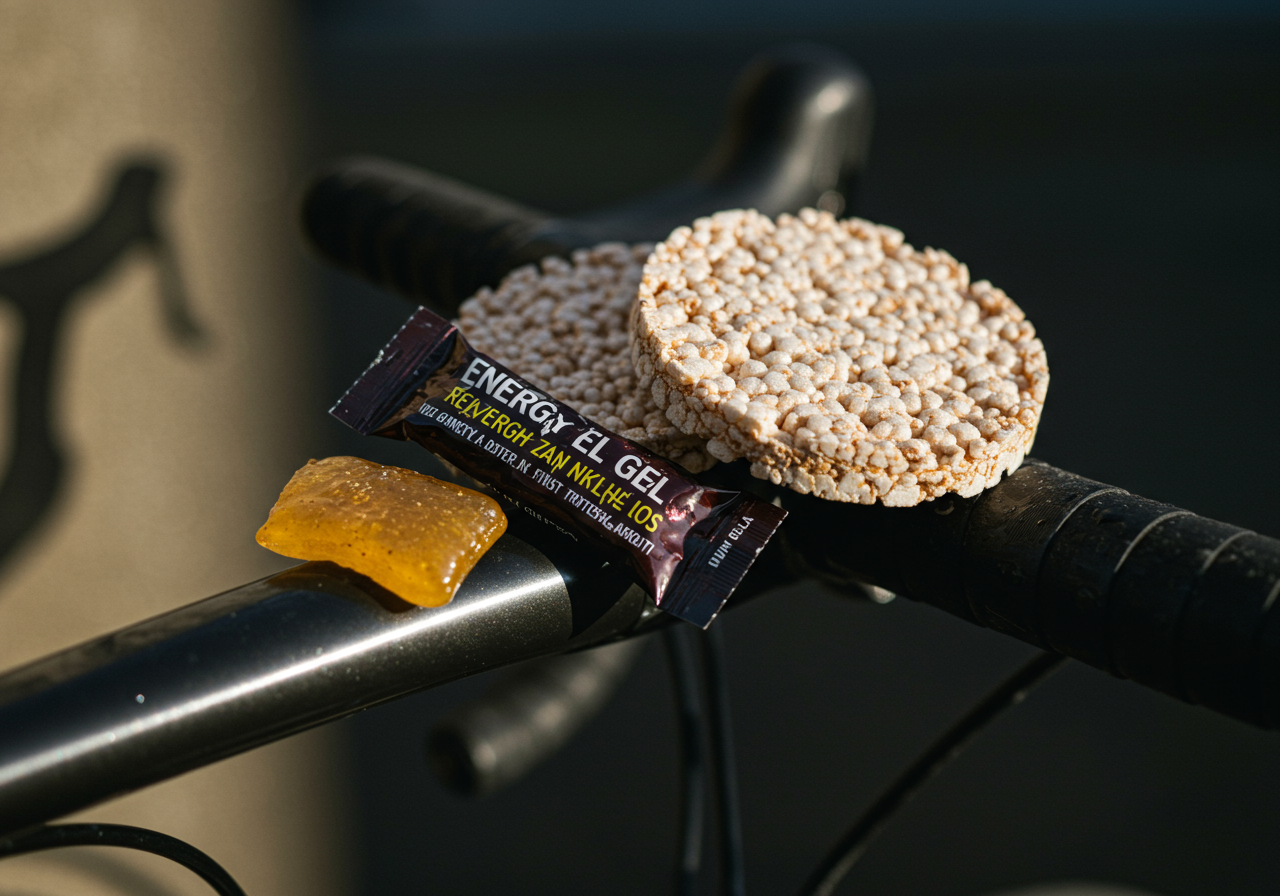
Gels vs solids: Use gels when breathing is heavy, terrain is technical, or late in the ride. Use easy solids (rice cakes, jam sandwiches, bananas, soft chews) early and on steady terrain to improve satisfaction and reduce palate fatigue.
Hydration & sodium: Start well-hydrated. Drink consistently (small sips every 10 –15 minutes). In warmer conditions, consider an electrolyte mix; adjust by thirst and check body mass change post-ride to refine your plan. If you finish >2% lighter, you likely under-drank; if heavier, you likely over-drank.
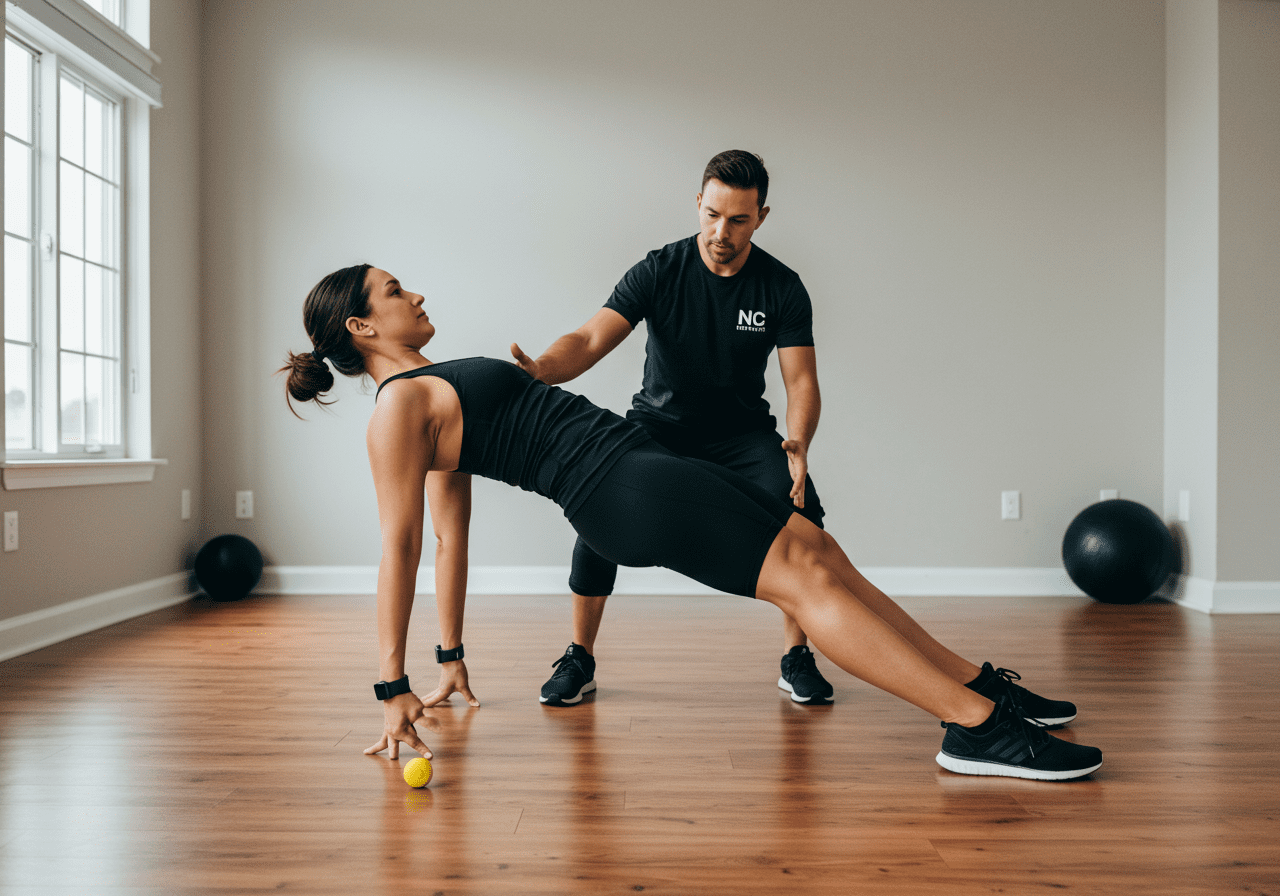
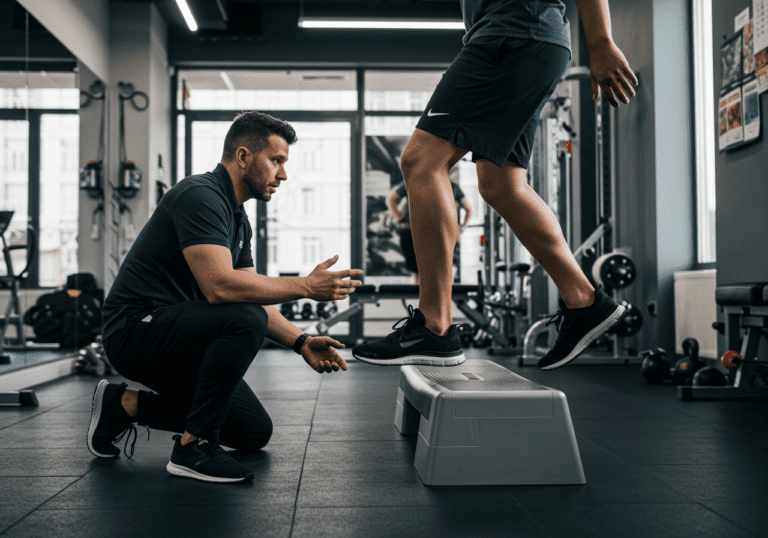
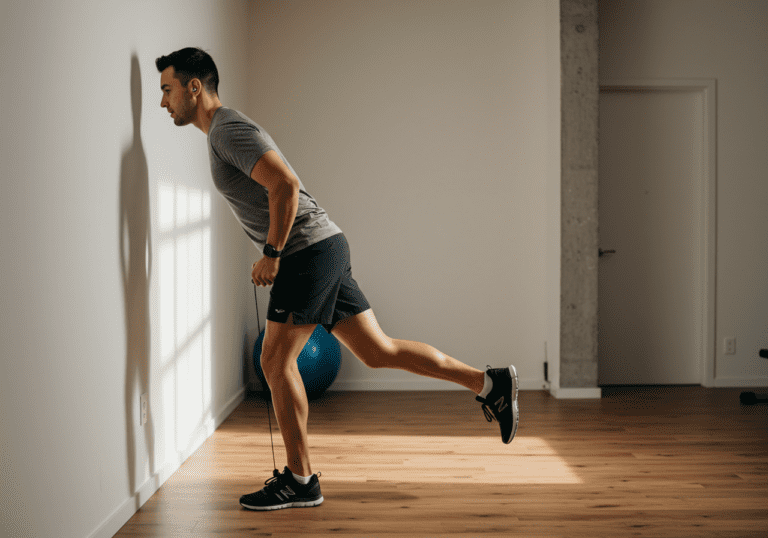
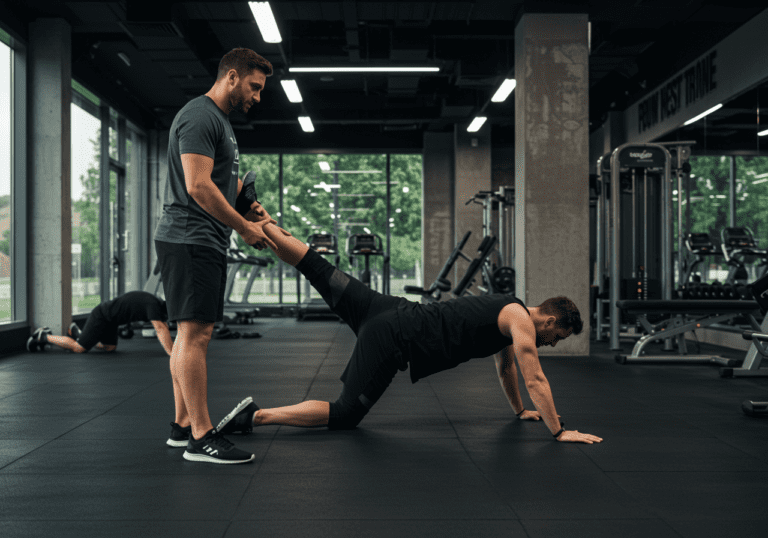
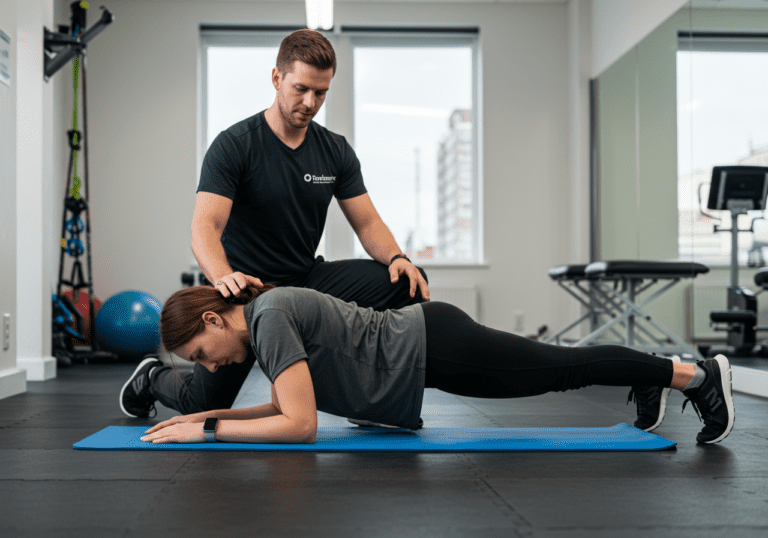
Strength & mobility (off-bike): Twice weekly, 25 –35 minutes: hip hinge (RDL or kettlebell deadlift), split squat, rowing movement, plank side-to-side breathing, calf-eccentric drops; 5 –8 reps strength, 8 –12 reps accessories. Add 10 minutes of hip flexor, hamstring, and thoracic mobility after rides.
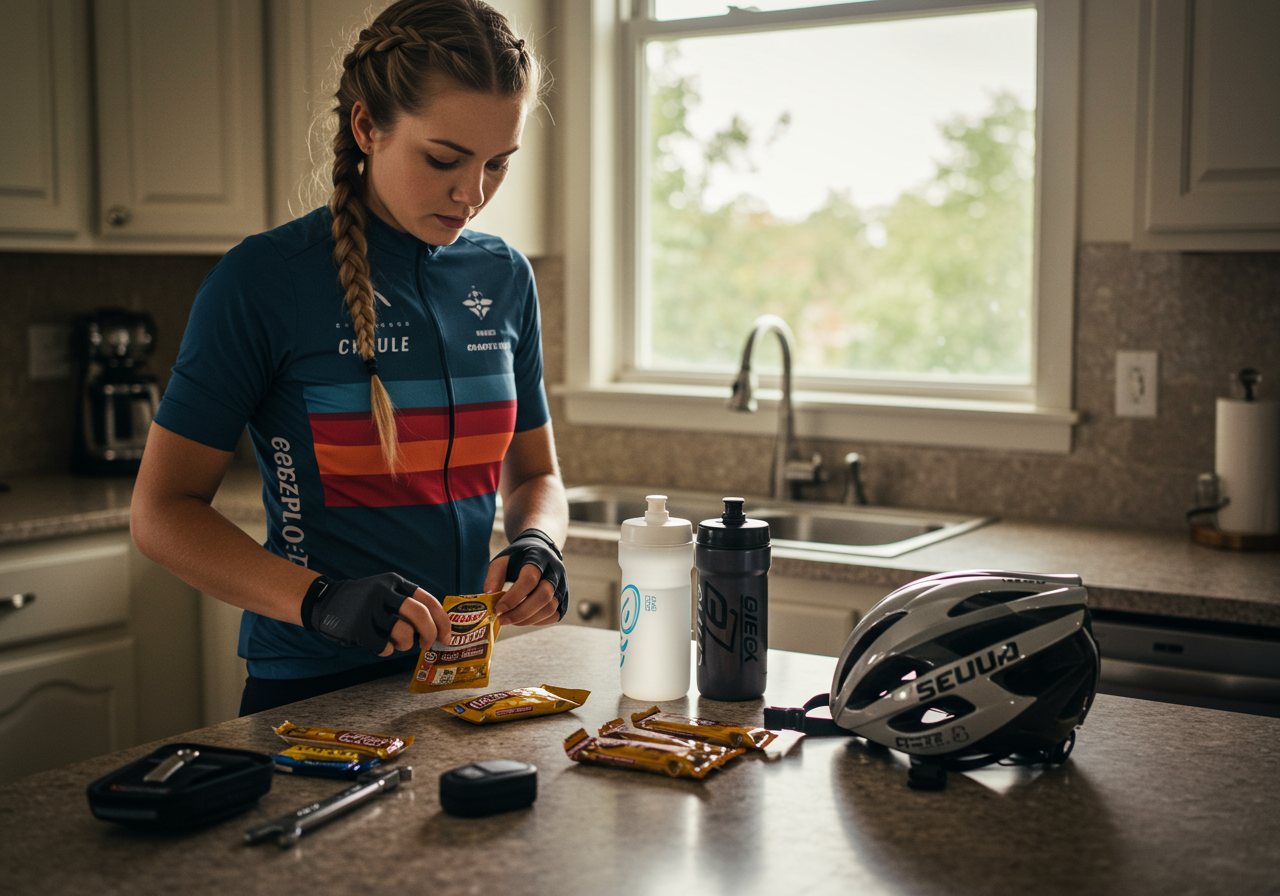
Real session example (my log): 3h 20m endurance ride, mostly Zone 2 (easy talk pace), short climbs to low Zone 3. Fuel: two rice cakes (early), three gels (later), ~1.5 –2 bottles with electrolytes. Felt stable energy; no GI issues. Your numbers may differ —practice and adjust.
Tools I use with clients: Strava or Garmin Connect for pace/HR zones and lap splits; MyFitnessPal to estimate carb intake; a simple notes app to record gut comfort (1 –5) and palatability.
Eight-Week Gut Training: 45g to 90g Progression
Goal: Gradually extend ride duration while training the gut from ~45 g to ~90 g carbs/hour, and layer supportive strength/mobility.
Progression overview (8 weeks):
Week 1: 90 min long ride Z2; fuel 30 –45 g/h; 1 gel + sips of drink. Strength x1 (full-body basics). Week 2: 1h 45m Z2; fuel 45 –55 g/h; 1 gel + half solid each hour. Strength x1 –2. Week 3: 2h Z2 with 2 ×5 min Z3; fuel 55 –65 g/h; test a new solid early. Strength x2. Week 4: 2h 15m Z2; fuel 60 –70 g/h; gels on climbs, solids on flats. Mobility +10 min after rides. Week 5: 2h 30m Z2; fuel 65 –75 g/h; add electrolytes if warm. Strength moderate load, 3 ×5 –6 on main lift. Week 6: 3h Z2 with 3 ×6 min Z3; fuel 70 –80 g/h; practice bottle handups/refills. Core finisher 6 –8 min. Week 7: 3h 15m steady; fuel 75 –85 g/h; shift to more gels in final hour. Strength deload 30 –40% volume. Week 8: 3h 30m endurance or back-to-back 2h + 2h; fuel 80 –90 g/h if tolerated; finalize race-day choices.
Beginner: Keep pace truly conversational. Start with simpler solids (bananas, soft bars) and one flavor of gel. Focus on consistency rather than speed.
Intermediate: Add controlled tempo blocks (low Z3) and alternate gel/solid every 20 –30 minutes. Practice eating during mild climbs.
Advanced: Introduce back-to-back long rides and higher carb targets late in rides. Use caffeine strategically if you tolerate it, and refine sodium in heat.
Troubleshooting: If you feel sloshy, slow down, switch to small sips, and pause solids for 20 minutes. If you re starving, increase hourly carbs by ~10 g next ride. If cramps appear, review sodium intake and pacing. Plateaued endurance? Add sleep, reduce midweek intensity spikes, and keep strength volume moderate, not maximal.
References & Further Reading
The following peer-reviewed research and authoritative guidelines support the recommendations in this article:
Avoid Common Errors: Timing, Hydration, and Recovery
Frequency & intensity: One weekly long ride, one tempo/interval day, one skills or endurance ride, and two short strength sessions works well for many. Keep most time in easy Z2; it preserves legs and the gut —so you can fuel and absorb better.
Common mistakes: Waiting too long to eat; choosing dry, high-fiber solids; chugging water without electrolytes; overusing caffeine; trying new foods on event day; skipping sleep before big rides.
Recovery basics: Within 60 minutes, target a carb-forward snack plus 20 –30 g protein (e.g., chocolate milk, rice + tuna). Rehydrate gradually and include sodium. Aim for 7 –9 hours sleep. Light mobility helps stiffness.
Monitoring: Track carbs/hour, fluids, sodium source, gut comfort (1 –5), RPE, and body mass change. Review every week in Strava/Garmin notes. If fatigue lingers >3 days, pull back volume and intensity.
Safety: If you have GI conditions or medical concerns, consult a qualified professional. Test one new fuel at a time, on lower-stakes rides. Chew carefully and avoid heavy traffic when eating.
Testimonial: 22Two months of this plan took me from 90-minute bonks to a relaxed 3.5-hour loop. The solid-plus-gel rhythm just clicked.22
Medical Disclaimer: The information provided on this website is for informational and educational purposes only and is not intended as personal medical or health advice. The content, including text, graphics, and images, is not a substitute for professional medical advice, diagnosis, or treatment. Always seek the advice of your physician or other qualified healthcare provider…
Medical Disclaimer: The information provided on this website is for informational and educational purposes only and is not intended as personal medical or health advice. The content, including text, graphics, and images, is not a substitute for professional medical advice, diagnosis, or treatment. Always seek the advice of your physician or other qualified healthcare provider…
Medical Disclaimer: The information provided on this website is for informational and educational purposes only and is not intended as personal medical or health advice. The content, including text, graphics, and images, is not a substitute for professional medical advice, diagnosis, or treatment. Always seek the advice of your physician or other qualified healthcare provider…
Medical Disclaimer: The information provided on this website is for informational and educational purposes only and is not intended as personal medical or health advice. The content, including text, graphics, and images, is not a substitute for professional medical advice, diagnosis, or treatment. Always seek the advice of your physician or other qualified healthcare provider…
Medical Disclaimer: The information provided on this website is for informational and educational purposes only and is not intended as personal medical or health advice. The content, including text, graphics, and images, is not a substitute for professional medical advice, diagnosis, or treatment. Always seek the advice of your physician or other qualified healthcare provider…
Medical Disclaimer: The information provided on this website is for informational and educational purposes only and is not intended as personal medical or health advice. The content, including text, graphics, and images, is not a substitute for professional medical advice, diagnosis, or treatment. Always seek the advice of your physician or other qualified healthcare provider…