Medical Disclaimer: The information provided on this website is for informational and educational purposes only and is not intended as personal medical or health advice. The content, including text, graphics, and images, is not a substitute for professional medical advice, diagnosis, or treatment. Always seek the advice of your physician or other qualified healthcare provider with any questions you may have regarding a medical condition or before starting any new exercise, nutrition, or supplement program. Never disregard professional medical advice or delay in seeking it because of something you have read on this blog. Reliance on any information provided by this site is solely at your own risk.
To select supplements safely, build them into a complete training plan—cardio, strength, and mobility—so quality, dosing, and timing truly matter.
Direct answer: Choose third‑party tested products, begin with the lowest effective dose, time around training or sleep, and track effects weekly.
In this guide, you’ll learn how to organize your workouts, pick only evidence‑backed options, dose and time them with intent, and confirm what actually helps.
Build Training First, Then Add Targeted Supplements
Supplements work best when your base is solid: consistent cardio, progressive strength, mobility work, and recovery. Without that, even great products won’t move the needle.
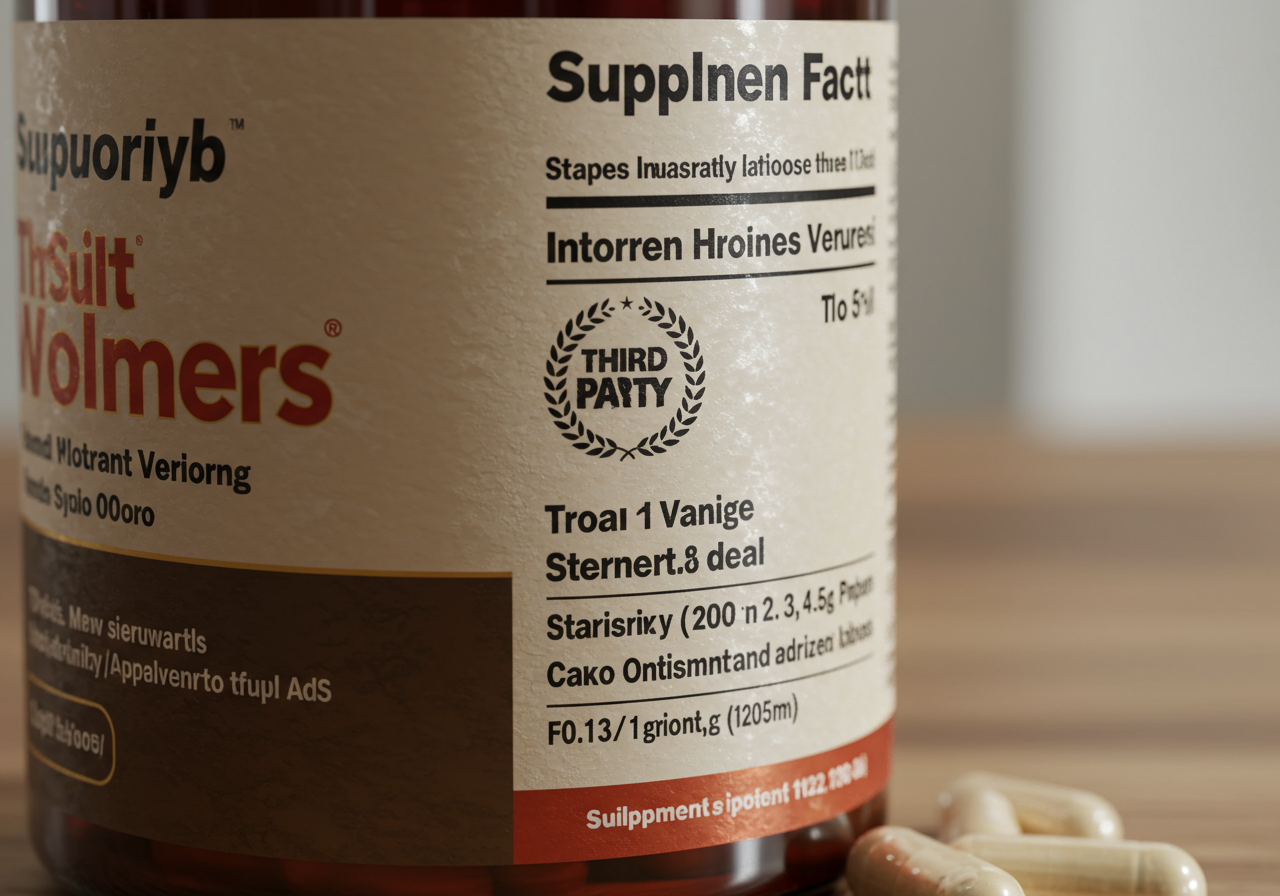
Quality: Look for third‑party certification marks (e.g., respected sport-testing programs) to reduce contamination risk. If you take medications, are pregnant, or have medical conditions, consult a clinician first.
What tends to help: protein powder to hit daily protein targets, creatine monohydrate for strength and repeated high‑intensity efforts, caffeine for acute performance, electrolytes during long hot sessions, and possibly vitamin D or omega‑3s based on diet and labs. Benefits vary; in practice-based reports and peer‑reviewed literature, effects depend on training quality, total sleep, and adherence.
Mechanisms: protein supports muscle repair; creatine raises phosphocreatine availability; caffeine affects adenosine receptors to reduce perceived effort; electrolytes support fluid balance; mobility work maintains joint range so you can train harder, longer.
Quality Certifications and Evidence-Based Supplement Selection Matter
Use this simple weekly structure, then layer supplements safely.
Set the weekly framework • Cardio: 2 sessions (one easy conversation pace; one intervals). • Strength: 2 full‑body sessions (push, pull, squat/hinge, core). • Mobility: 10–15 min after each workout + one longer 20–30 min session. • Activity day: hike, bike, or sport for enjoyment and extra steps.
Cardio targets • Easy run/ride: 30–45 min at talkable pace (Zone 2 feel). • Intervals: 6–10 rounds of 1 min brisk, 1–2 min easy; keep form tidy.
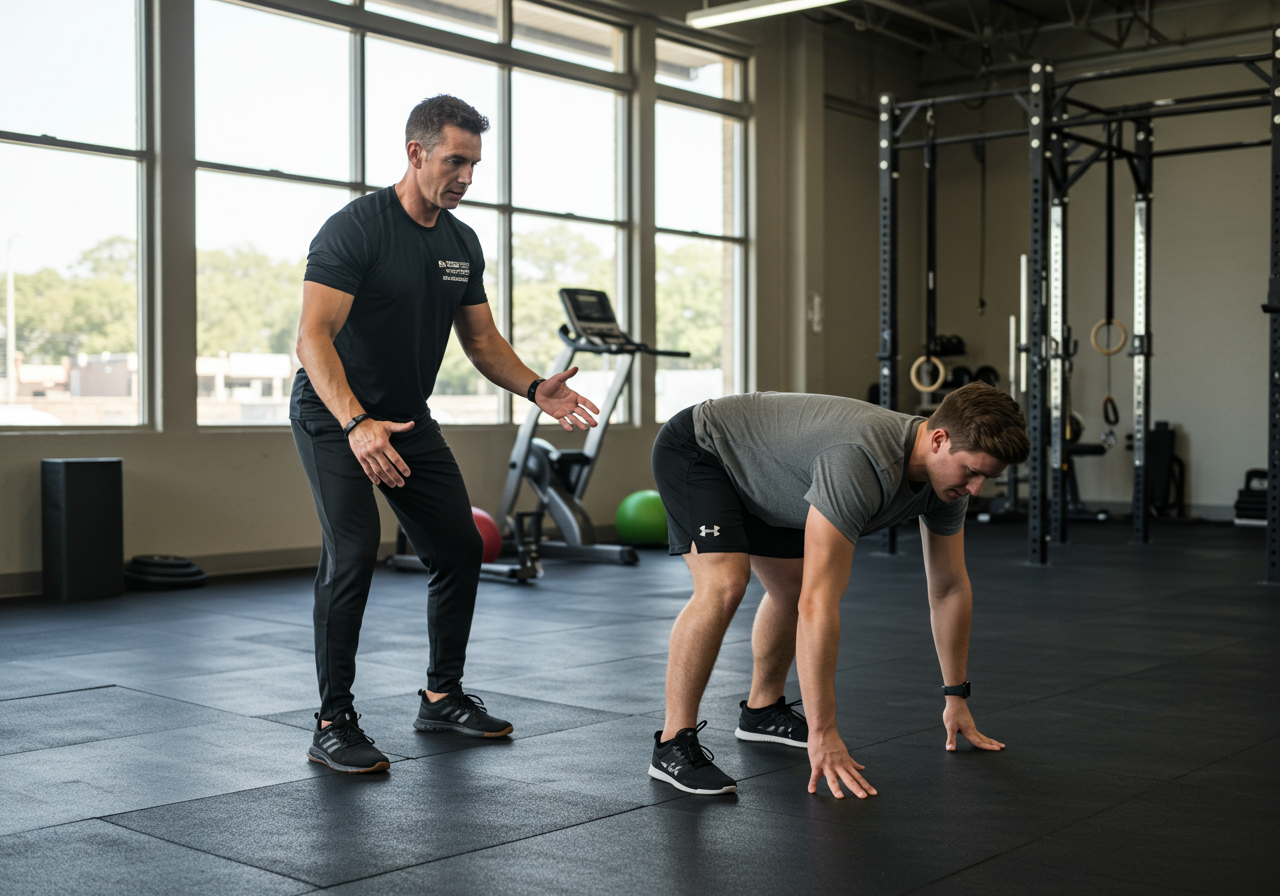
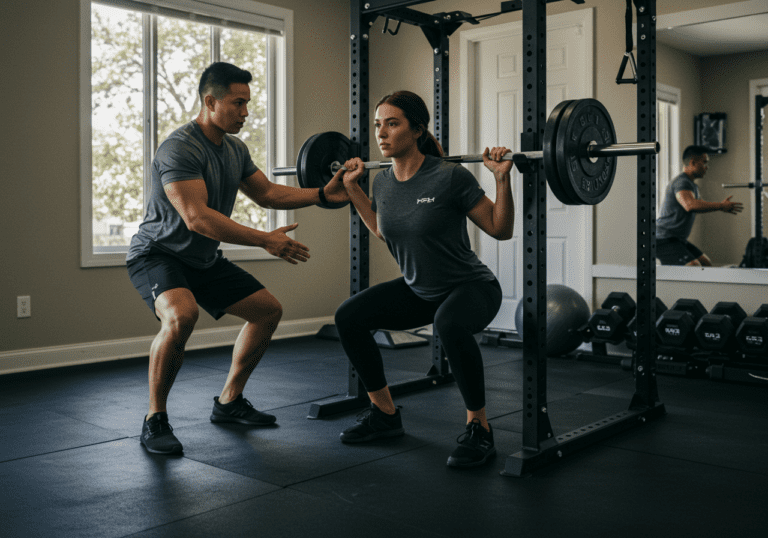
Strength layout (45–60 min) • Warm‑up: 5 min easy movement + dynamic hips/shoulders. • Main: Squat or hinge, press, row, lunge—3 sets of 6–12 reps, RPE 6–8. • Core/Carry: 2–3 sets of planks, dead bugs, or farmer carries.
Supplement selection—safety first • Choose third‑party tested brands; avoid proprietary blends hiding dosages. • Start minimal; change one variable at a time for 2–3 weeks. • Common options and typical ranges (confirm with your clinician): – Protein: 20–40 g per serving to meet daily protein (~1.6–2.2 g/kg). – Creatine monohydrate: 3–5 g/day, any time; stay hydrated. – Caffeine: ~1–3 mg/kg, 30–60 min pre‑workout; avoid late evening. – Beta‑alanine: ~3.2–6.4 g/day in split doses to reduce tingles. – Electrolytes: tailor sodium to sweat rate and heat exposure. – Vitamin D/omega‑3: consider based on diet, sun, and bloodwork.
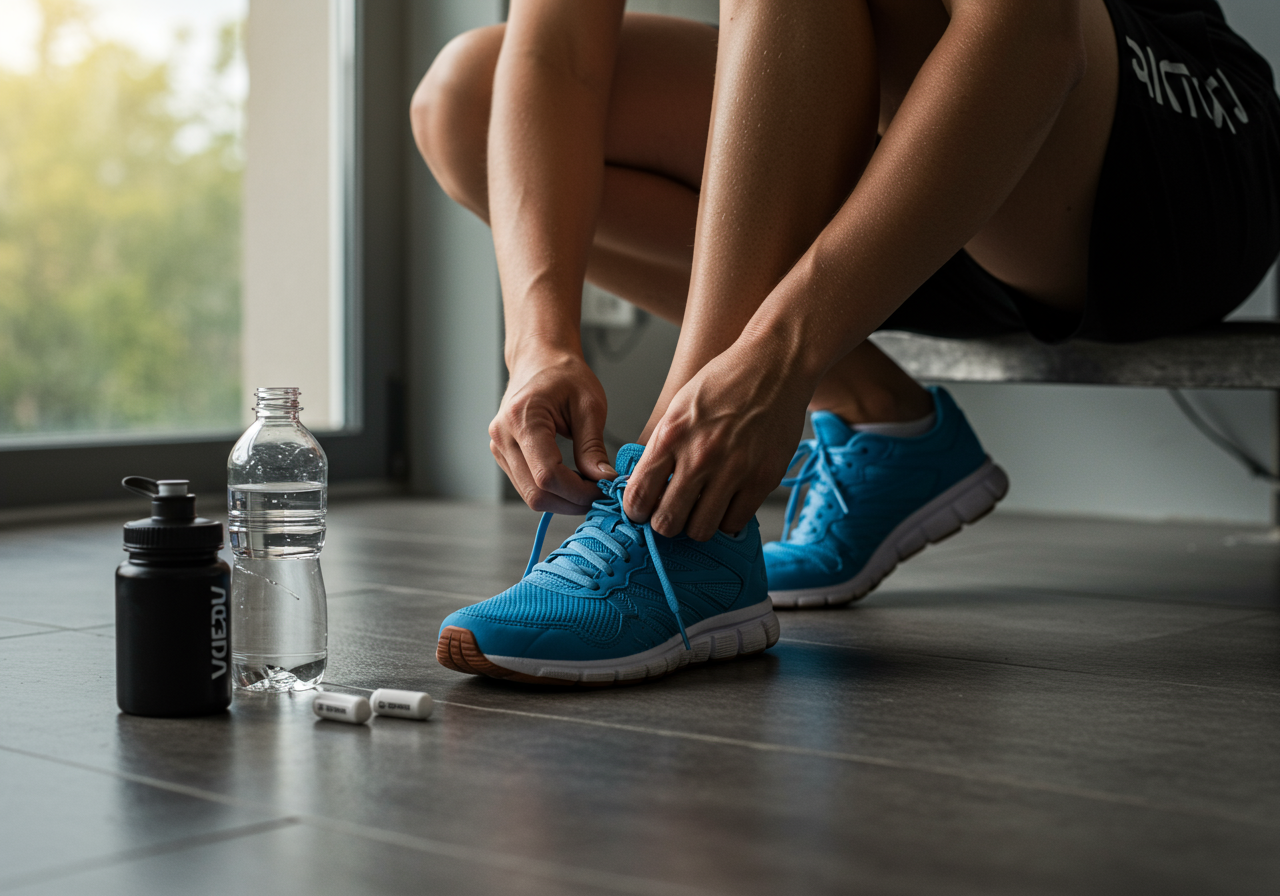
Timing tips • Pre: caffeine (if used), carbs + a little protein 60–90 min before. • Intra (long/hot): fluids + electrolytes; small carbs for >90 min. • Post: 20–40 g protein + carbs; creatine can be anytime daily.
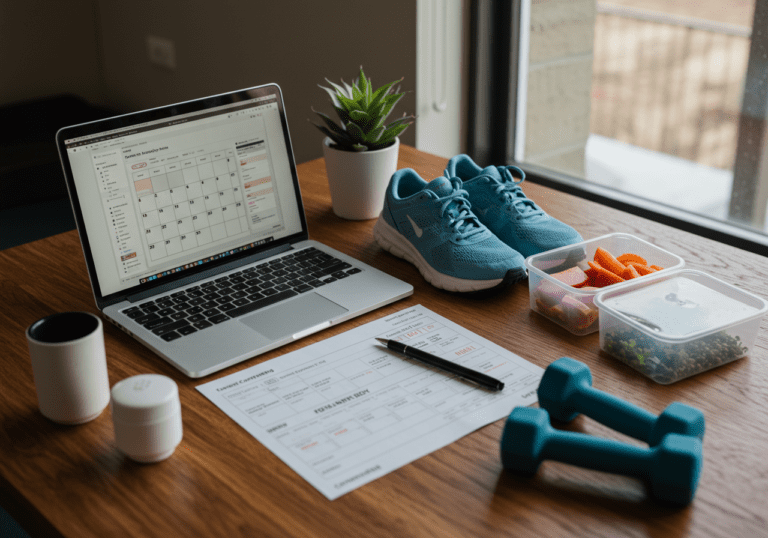
Track results • Log sessions in Strava or Garmin; note HR, pace, RPE. • Record lifts (sets/reps/RPE) in a notes app or spreadsheet. • Track bodyweight and waist weekly; use MyFitnessPal to spot protein gaps. • After 14–21 days, keep what helps, remove what doesn’t.
Trainer note: In my own blocks, adding electrolytes during summer interval runs reduced mid‑session cramps and made paces steadier—correlation, not proof, but useful in practice.
Client Ana: “Once we standardized my protein intake and kept caffeine under control, my evening lifts felt predictable. No jitters, fewer ‘off’ days.”
Weekly Structure: Cardio, Strength, Mobility, Plus Timing
Advance volume and intensity gradually while keeping supplement changes conservative.
Eight-Week Progression from Foundation to Loaded Training
Frequency and intensity: Aim for 4–6 sessions/week. Keep most cardio easy; make hard days purposeful. Strength sets should finish with 2–4 reps in reserve most weeks.
Recovery: Sleep 7–9 hours, protein evenly across meals, and hydrate. A simple target is a protein source at each meal and fluids visible at your desk.
Troubleshooting
Plateaus: Reduce junk volume, add a deload week, and confirm you’re eating enough protein and total calories.
Overtraining signs: Elevated resting HR, poor sleep, irritability. Pull back intensity and drop stimulants until metrics normalize.
Motivation dip: Switch one cardio session to a fun activity (hike, pickleball). Keep the habit alive while you recover enthusiasm.
Niggles/injuries: Lower load, raise reps, and keep pain‑free ranges. Mobility and light cardio maintain momentum.
Safety: Avoid stacking new supplements. Introduce one at a time for 2–3 weeks, watch for side effects, and discontinue if you notice issues. If you have health conditions or take medications, involve a healthcare professional and consider baseline labs for things like vitamin D.
Validating results: Review your last 4 weeks. Are Zone‑2 paces easier at the same heart rate? Are your main lifts up a rep or two at the same RPE? If yes, your plan—and any supplement you kept—likely helps. In my logs, standardizing protein and sleep consistently improved session quality more than any single product.
Next steps: Keep the weekly template, adjust only one training or supplement variable at a time, and retest.
Medical Disclaimer: The information provided on this website is for informational and educational purposes only and is not intended as personal medical or health advice. The content, including text, graphics, and images, is not a substitute for professional medical advice, diagnosis, or treatment. Always seek the advice of your physician or other qualified healthcare provider…
Medical Disclaimer: The information provided on this website is for informational and educational purposes only and is not intended as personal medical or health advice. The content, including text, graphics, and images, is not a substitute for professional medical advice, diagnosis, or treatment. Always seek the advice of your physician or other qualified healthcare provider…
Medical Disclaimer: The information provided on this website is for informational and educational purposes only and is not intended as personal medical or health advice. The content, including text, graphics, and images, is not a substitute for professional medical advice, diagnosis, or treatment. Always seek the advice of your physician or other qualified healthcare provider…
Medical Disclaimer: The information provided on this website is for informational and educational purposes only and is not intended as personal medical or health advice. The content, including text, graphics, and images, is not a substitute for professional medical advice, diagnosis, or treatment. Always seek the advice of your physician or other qualified healthcare provider…
Medical Disclaimer: The information provided on this website is for informational and educational purposes only and is not intended as personal medical or health advice. The content, including text, graphics, and images, is not a substitute for professional medical advice, diagnosis, or treatment. Always seek the advice of your physician or other qualified healthcare provider…
Medical Disclaimer: The information provided on this website is for informational and educational purposes only and is not intended as personal medical or health advice. The content, including text, graphics, and images, is not a substitute for professional medical advice, diagnosis, or treatment. Always seek the advice of your physician or other qualified healthcare provider…