Medical Disclaimer: The information provided on this website is for informational and educational purposes only and is not intended as personal medical or health advice. The content, including text, graphics, and images, is not a substitute for professional medical advice, diagnosis, or treatment. Always seek the advice of your physician or other qualified healthcare provider with any questions you may have regarding a medical condition or before starting any new exercise, nutrition, or supplement program. Never disregard professional medical advice or delay in seeking it because of something you have read on this blog. Reliance on any information provided by this site is solely at your own risk.
Mastering nutrition for muscle gain and pairing it with smart training is the fastest way to grow. This guide gives you the exact steps I use with new clients.
Direct answer: Eat a small calorie surplus, hit daily protein, train hard 3–4 days weekly, and sleep well to build muscle consistently.
Tension, Surplus, and Protein Drive Real Growth
Muscle is built where tension, energy, and amino acids meet. Progressive strength work creates the signal. A slight calorie surplus supplies the energy. Protein—distributed across the day—provides the building blocks. Cardio in the right dose improves work capacity and recovery, not just heart health.
In practice, novices grow reliably with consistent training and adequate nutrition. A peer‑reviewed body of research supports small surpluses, 1.6–2.2 g/kg/day protein, and progressive overload. My clients who adopt these basics report steady strength increases and tighter measurements at the waist even as scale weight rises slowly.
From my own logs: adding two 30‑minute Zone 2 rides weekly (Garmin HR monitor, ~65–70% max HR) lowered my session RPE and improved squat volume tolerance within a month. The blend of strength, conditioning, mobility, and smart fueling multiplies results rather than competing for them.
Calculate Calories, Time Protein, Track Progress Weekly
Follow these steps to build muscle without guesswork. We will set calories, dial protein and timing, then run a simple full‑body plan.
Set calories: Start near bodyweight (kg) × 33–38 kcal/day. Choose the low end if sedentary, high end if very active. Aim for a 200–300 kcal surplus. Track bodyweight 2–3 mornings/week; adjust ±100–150 kcal if weekly trend misses +0.25–0.5% bodyweight.
Hit protein: 1.6–2.2 g/kg/day. Split across 3–5 meals. Include leucine‑rich sources (eggs, dairy, whey, soy, meat). Example day at 75 kg: 150 g protein split as 35–40 g per meal.
Time your nutrients: Eat 20–40 g protein within 1–2 hours post‑training. Place most carbs around workouts (pre and post) to fuel performance. Keep fiber and fats moderate before training.
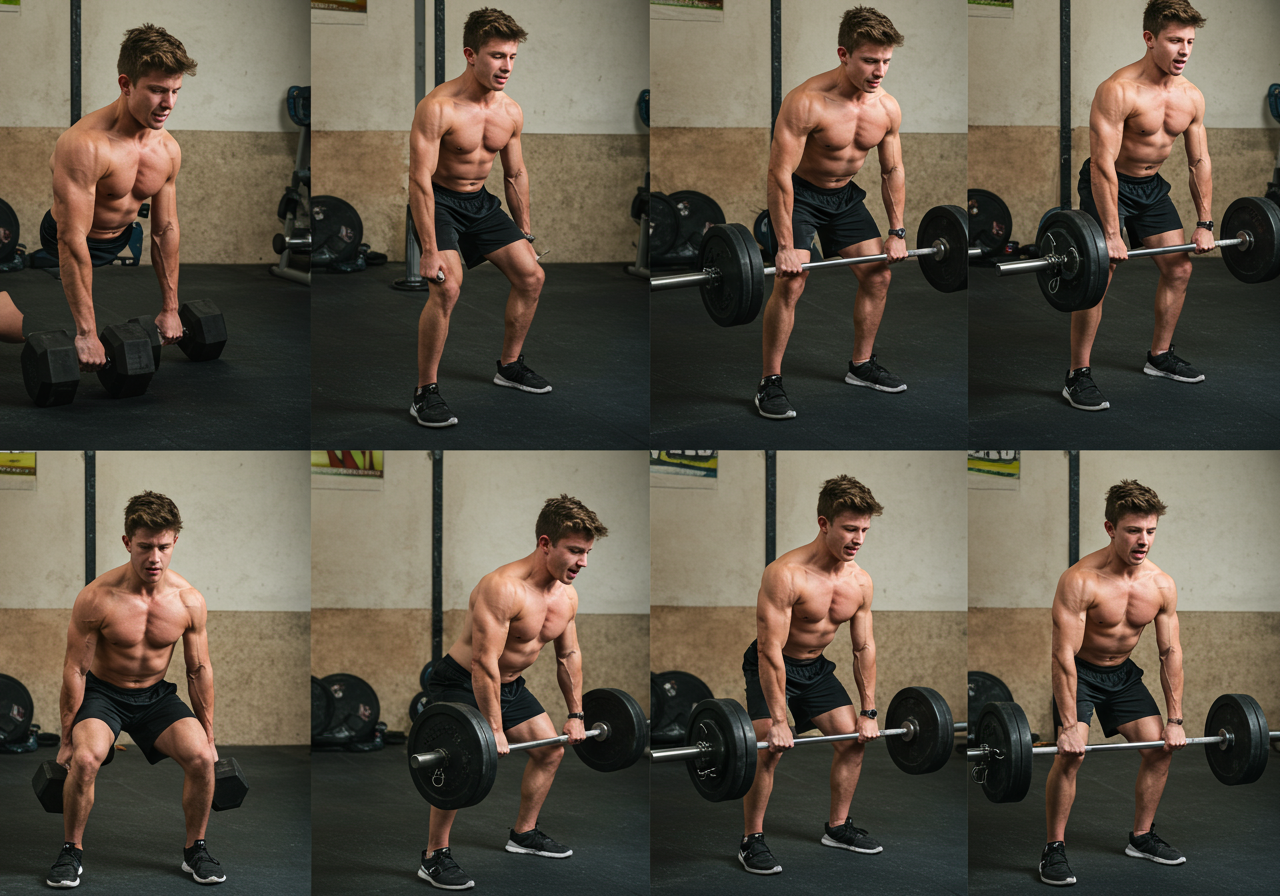
Weekly training layout (3–4 sessions, 50–75 minutes): – Day A: Full‑body focus 1 (squat pattern + push + pull + core). – Day B: Conditioning + accessories (Zone 2 bike or brisk incline walk 25–35 min; single‑leg work; calves; mobility). – Day C: Full‑body focus 2 (hip hinge + vertical press + row + core). – Optional Day D: Short full‑body power/volume (RDL or leg press, dips/push‑ups, pulldowns, curls, carries).
Session template: Warm‑up — 5–8 min: easy cardio + dynamic mobility (hips, T‑spine, shoulders). Main lifts — 3–5 sets in the 5–12 rep range at RPE 6–8 (or 65–80% 1RM). Add load when you beat the rep target. Accessories — 2–3 sets of 8–15 reps, 1–2 reps in reserve, slow eccentrics. Conditioning — 20–30 min Zone 2 (breathing steady, can talk in sentences). Cooldown — 3–5 min light movement + 2 simple stretches.
Example Day A (my log from last month): Front Squat 4×6 @ RPE 7 (last set videoed). Dumbbell Bench 3×10 @ RPE 8 + 1 back‑off set ×12. 1‑Arm Row 3×10 each. Pallof Press 3×12 each. Zone 2 bike 22 min (HR 135–140 bpm; Max ~190). Session length: 64 min.
Track everything: Log sets/reps/RPE (Strong app or Google Sheets). For food, MyFitnessPal or Cronometer. For HR zones and sleep, Garmin, Fitbit, or Apple Watch. Weigh in after bathroom, before breakfast, 2–3x weekly. Photos every 2–4 weeks in consistent lighting.
Client note: “I never thought two strength days and one cardio day would change my body. After six weeks, my scrubs fit better and I feel strong.” — Ana, new lifter
Eight-Week Plan from Technique to True Overload
This is the ramp I use to move from technique to real overload while keeping recovery intact.
Caption: 8‑week ramp outline for training, cardio, and nutrition adjustments.
Week 1–2: Learn moves, 3×8 @ RPE 6–7; +1–2 accessories each; Zone 2 x2×20–25 min; Surplus +200 kcal; Protein 1.8 g/kg.

Week 3–4: Add 2.5–5% load or 1 rep/set; 1 top set @ RPE 8 + back‑off; Zone 2 x2×25–30 min; Keep surplus steady.

Week 5–6: Keep reps, add load weekly; add 1–2 hard sets for lagging muscle; optional short intervals 6×30s easy/hard; Review weight trend.

Week 7 (Deload): Cut volume ~40–50%, keep light technique sets @ RPE 6; Zone 2 easy 20 min; Hold calories or trim 100 kcal if fatigue high.

Week 8: Push singles @ RPE 7 then 3×5 @ RPE 8 for main lift; accessories 3×10–12; Zone 2 25–30 min; Adjust calories to sustain +0.25–0.5% BW/wk.
Leveling up:
Beginner: 3 days/week, full‑body. Focus on control, consistent RPE, and perfect reps. Add 2.5–5% load or 1 rep when you beat targets.
Intermediate: 4 days/week. Rotate rep ranges (5–8 and 8–12). Add a second hinge or squat variation. Introduce paused reps and tempo work.
Advanced: 4–5 days/week. Use microcycles with volume/intensity waves, myo‑reps or rest‑pause on accessories, and strategic mini‑cuts if appetite or recovery stalls.
Validation in practice: When clients progress volume first, then load, and keep a modest surplus, they report steady strength climbs with minimal fat gain. In my last 10‑week block, adding one back‑off set per main lift after a deload moved my bench from comfortable sets of 8 to 9–10 reps at the same load.
References & Further Reading
The following peer-reviewed research and authoritative guidelines support the recommendations in this article:
Frequency & intensity: Start with 3 training days and 1–2 cardio sessions. Keep most sets at RPE 6–8. Save true grinders for the final set of your main lift once per week.
Recovery: Sleep 7–9 hours. Hydrate to clear urine. Creatine monohydrate 3–5 g/day is safe and useful for most lifters. A multivitamin and vitamin D can plug simple gaps when diet is inconsistent.
Troubleshooting:
Plateau: If reps stall for two weeks, add a back‑off set or 2.5–5% load reduction and rebuild. Increase daily calories by ~100–150 if bodyweight is flat.
Overtraining signs: Unusual soreness, poor sleep, irritability. Reduce volume 30–40% for one week, keep technique crisp, and walk daily.
Motivation dips: Track PRs beyond load—volume PRs, rep PRs, and perfect‑form videos. Train with a friend or post to Strava for accountability.
Injuries or pain: Swap the pattern, not the goal. Example: replace back squat with goblet squat or leg press. Keep intensity lower and chase a pump.
Progress checks: Weekly: bodyweight trend, session RPE, and sleep hours. Bi‑weekly: progress photos and tape measures (waist, thigh, upper arm). If waist grows faster than performance, trim 100–200 kcal. If performance climbs but weight does not, add 100 kcal.
Client outcomes: New lifters commonly add a few reps to each main lift every 1–2 weeks and notice shoulder and leg definition by weeks 4–6. One client added about a plate to her trap‑bar deadlift over 10 weeks by simply hitting protein and logging every set.
Next steps: Keep this framework for 12 weeks, then schedule a deload and reassess goals. If you want my spreadsheet and video checklist.
Medical Disclaimer: The information provided on this website is for informational and educational purposes only and is not intended as personal medical or health advice. The content, including text, graphics, and images, is not a substitute for professional medical advice, diagnosis, or treatment. Always seek the advice of your physician or other qualified healthcare provider…
Medical Disclaimer: The information provided on this website is for informational and educational purposes only and is not intended as personal medical or health advice. The content, including text, graphics, and images, is not a substitute for professional medical advice, diagnosis, or treatment. Always seek the advice of your physician or other qualified healthcare provider…
Medical Disclaimer: The information provided on this website is for informational and educational purposes only and is not intended as personal medical or health advice. The content, including text, graphics, and images, is not a substitute for professional medical advice, diagnosis, or treatment. Always seek the advice of your physician or other qualified healthcare provider…
Medical Disclaimer: The information provided on this website is for informational and educational purposes only and is not intended as personal medical or health advice. The content, including text, graphics, and images, is not a substitute for professional medical advice, diagnosis, or treatment. Always seek the advice of your physician or other qualified healthcare provider…
Medical Disclaimer: The information provided on this website is for informational and educational purposes only and is not intended as personal medical or health advice. The content, including text, graphics, and images, is not a substitute for professional medical advice, diagnosis, or treatment. Always seek the advice of your physician or other qualified healthcare provider…
Medical Disclaimer: The information provided on this website is for informational and educational purposes only and is not intended as personal medical or health advice. The content, including text, graphics, and images, is not a substitute for professional medical advice, diagnosis, or treatment. Always seek the advice of your physician or other qualified healthcare provider…