Medical Disclaimer: The information provided on this website is for informational and educational purposes only and is not intended as personal medical or health advice. The content, including text, graphics, and images, is not a substitute for professional medical advice, diagnosis, or treatment. Always seek the advice of your physician or other qualified healthcare provider with any questions you may have regarding a medical condition or before starting any new exercise, nutrition, or supplement program. Never disregard professional medical advice or delay in seeking it because of something you have read on this blog. Reliance on any information provided by this site is solely at your own risk.
Best supplements for strength athletes work only when paired with a solid program, recovery, and consistent habits. You’ll learn how to combine all three.
Direct answer: For strength, the best-supported stack is creatine monohydrate, whey or casein protein, caffeine as needed, and vitamin D if deficient.
This guide delivers a full training system: strength, conditioning, mobility, nutrition, and evidence-based supplement timing. I’ll share coaching notes, client experiences, and the exact steps I use to plan, progress, and validate results.
Research-Backed Supplements Amplify Training Signals
Creatine replenishes phosphocreatine for heavy sets and short bursts. Protein supports muscle protein synthesis. Caffeine can improve perceived effort and power. Vitamin D supports musculoskeletal health, especially if you’re deficient. Omega‑3s may help soreness and joint comfort. These effects appear consistently in peer‑reviewed research, though individual responses vary.
Supplements amplify training signals; they don’t replace them. Neuromuscular adaptations, progressive overload, sleep, and adequate calories still do most of the work. In my coaching, lifters who dial in programming and basics benefit more from supplements than those chasing pills while skipping meals and sleep.
Practical note from my logbook: caffeine boosts focus on heavy singles, but I avoid it every session to manage tolerance. Creatine monohydrate remains the most reliable, budget‑friendly addition across trainees.
Track Baseline, Structure Week, Dose Supplements
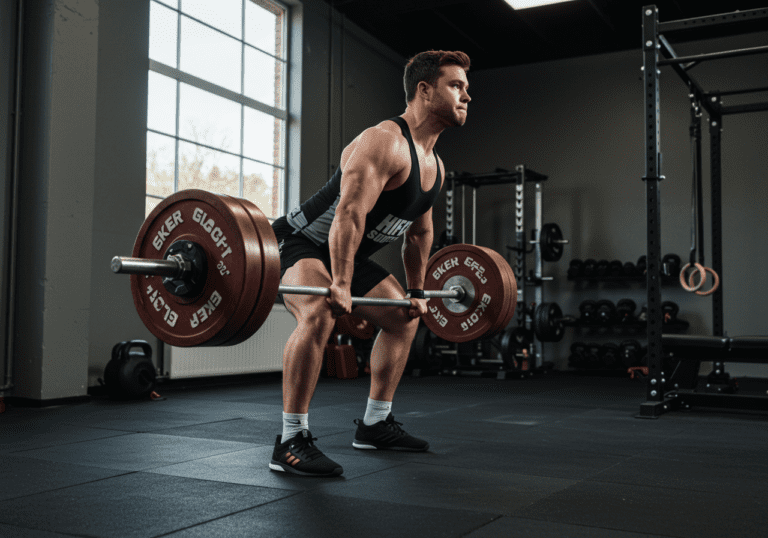
Step 1 — Set your baseline. Test technique on squat, bench, and deadlift with room to spare (RPE 7). Note bodyweight, sleep average, and a short mobility check (ankle/knee/hip). Log data in Strong or a simple spreadsheet. Track food with MyFitnessPal for one week.
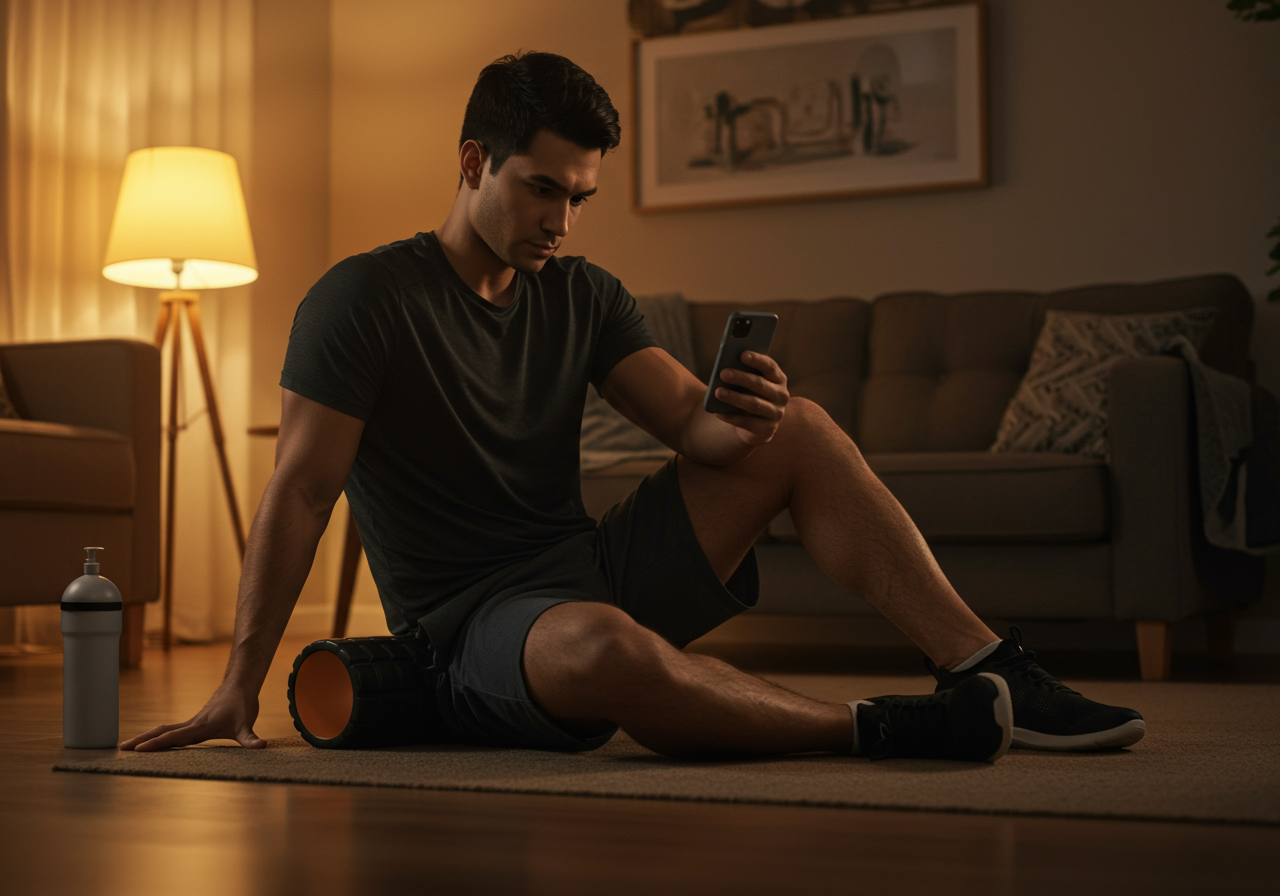
Step 2 — Build the weekly structure. 3–4 strength days, 1–2 easy cardio sessions (Zone 2, 120–140 bpm for many), and 2 short mobility blocks (10–15 minutes). Keep at least one full rest day.
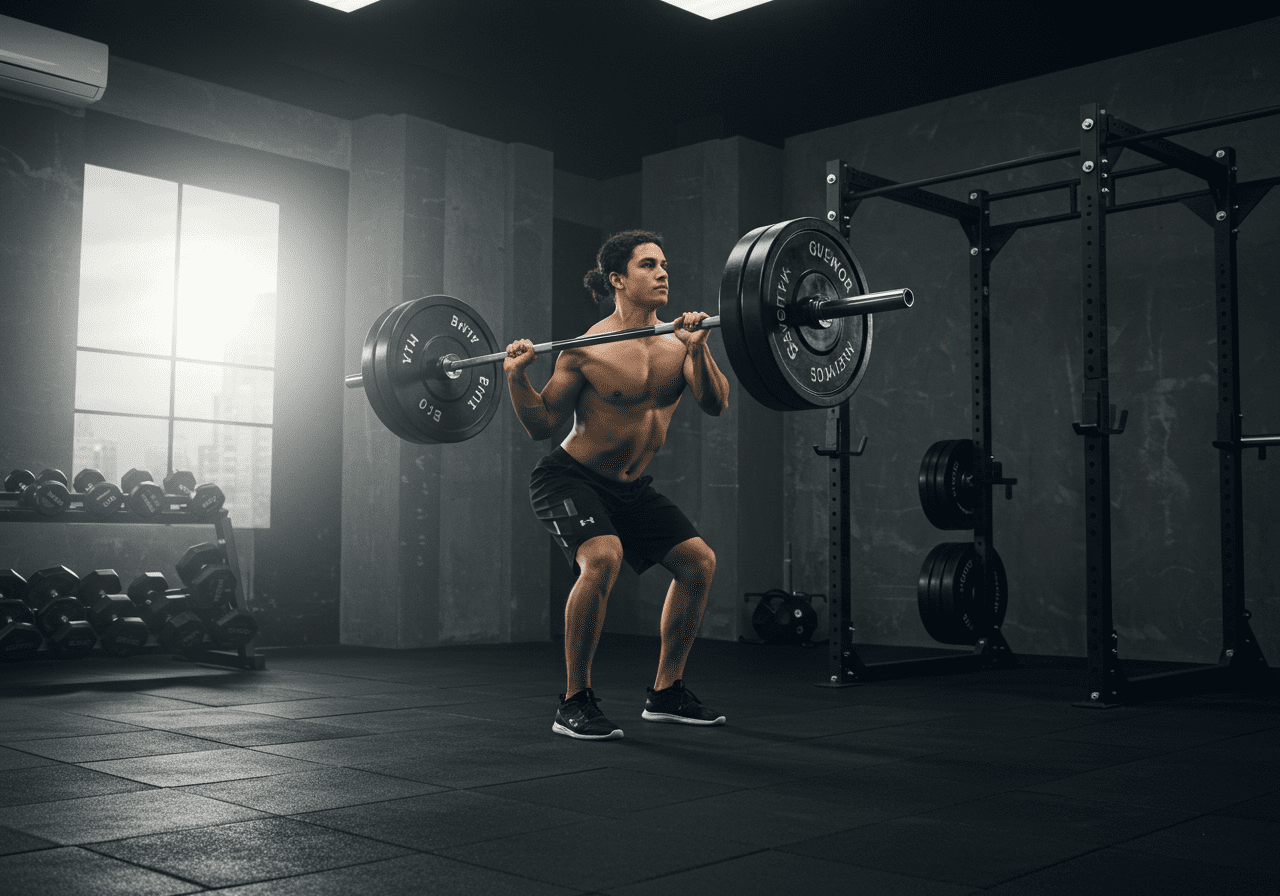
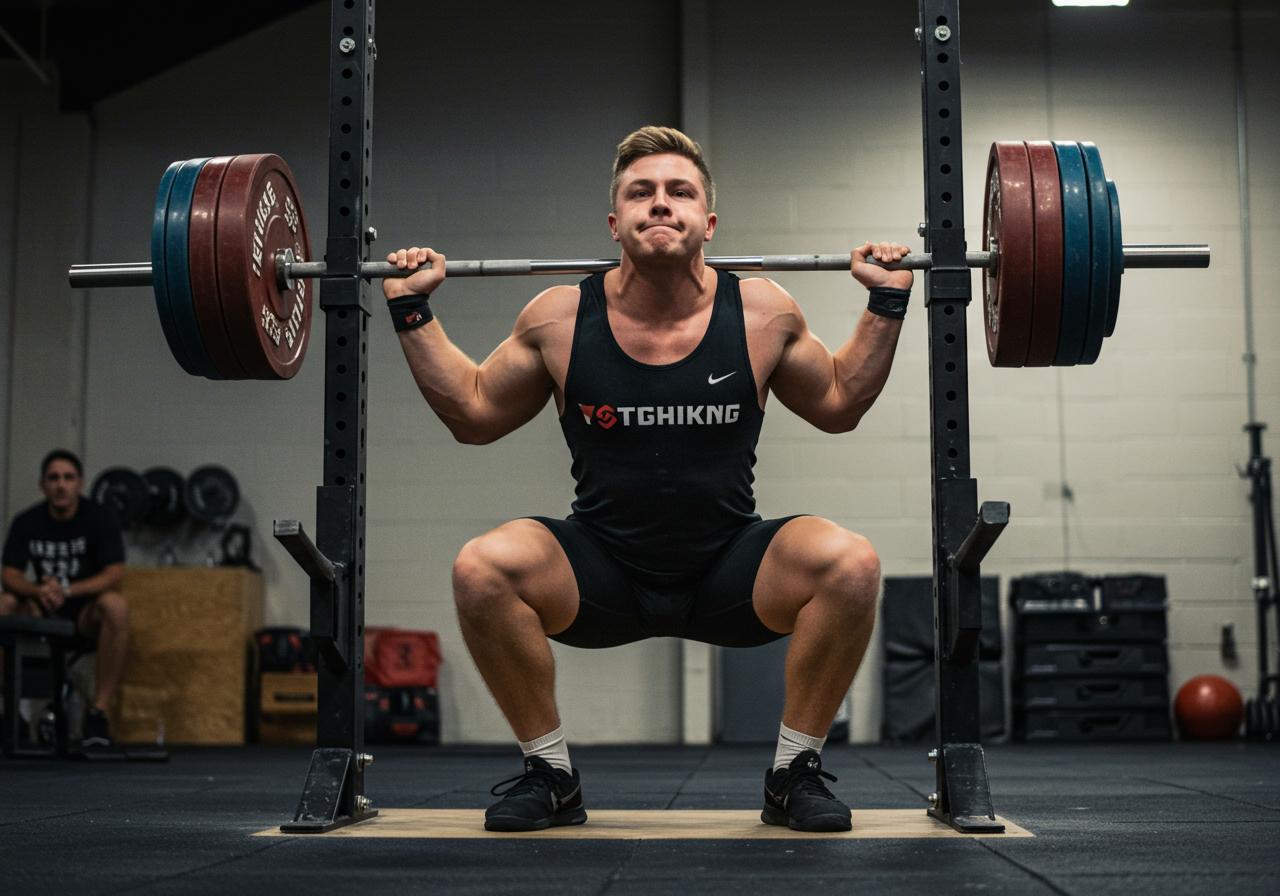
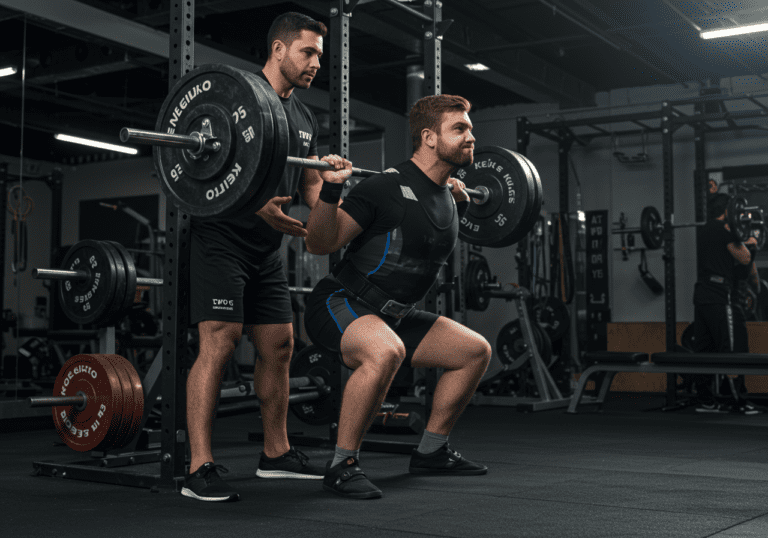
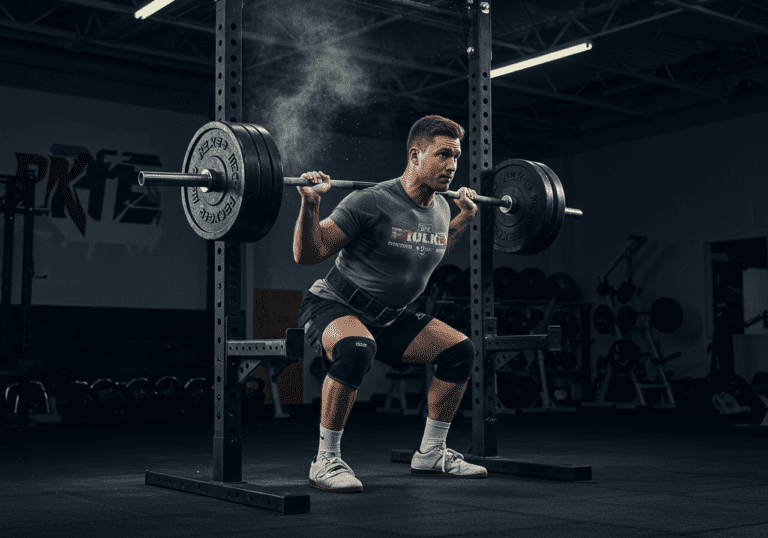
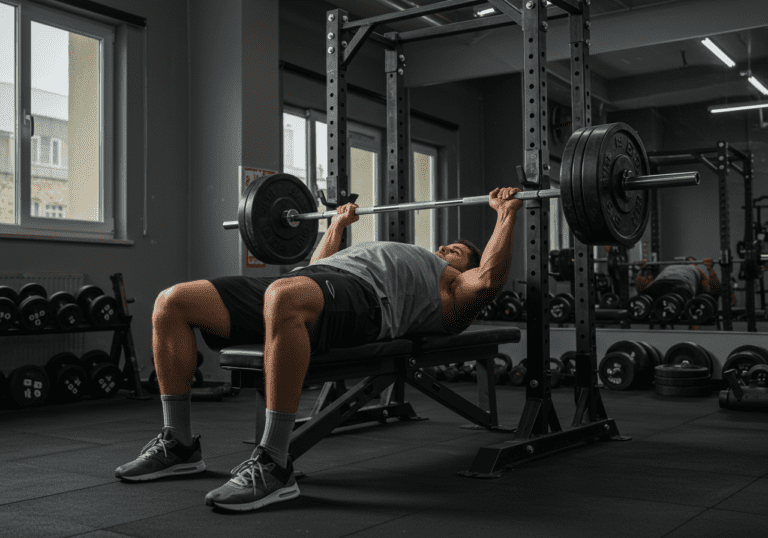
Step 3 — Core lifts and sets. Use 2–3 compound lifts per session (e.g., squat/bench/row). Start with 3–5 sets of 3–8 reps at RPE 6–8. Accessory work: 2–4 movements for 8–15 reps to address weak points and joint health.
Step 4 — Evidence‑based supplements and timing.
Creatine monohydrate: 3–5 g daily, any time; consistency over timing. No loading required.
Protein: 1.6–2.2 g/kg/day from food plus whey/casein as needed. Spread across 3–5 meals.
Caffeine: up to ~3 mg/kg 45–60 minutes pre‑lift if you tolerate it; skip on light days to manage tolerance.
Vitamin D: test first; supplement under healthcare guidance if deficient.
Omega‑3 (EPA/DHA): 1–2 g combined per day if intake is low; may help joint comfort.
Optional for specific needs: beta‑alanine for high‑rep sets; sodium bicarbonate for repeated hard efforts (trial on a non‑critical day due to GI risk); magnesium glycinate at night if intake is low.
Step 5 — Warm‑up and session flow. Warm‑up: 5 minutes easy movement + 2–3 mobility drills (hips, T‑spine). Then ramp sets to your first working set. Example day: Back Squat 5×5 @ RPE 7, Bench 4×6 @ RPE 7, Row 4×8, Split Squat 3×10, Core 3x30s. Cool‑down: light walk and breathing.
Step 6 — Recovery and nutrition. Aim 7–9 hours sleep. Carbs pre‑lift (banana + yogurt) and a protein‑rich meal within a few hours after. Hydrate with electrolytes if training in heat or sweating heavily. Total calories depend on goal: modest surplus for gain, small deficit for fat loss while lifting.
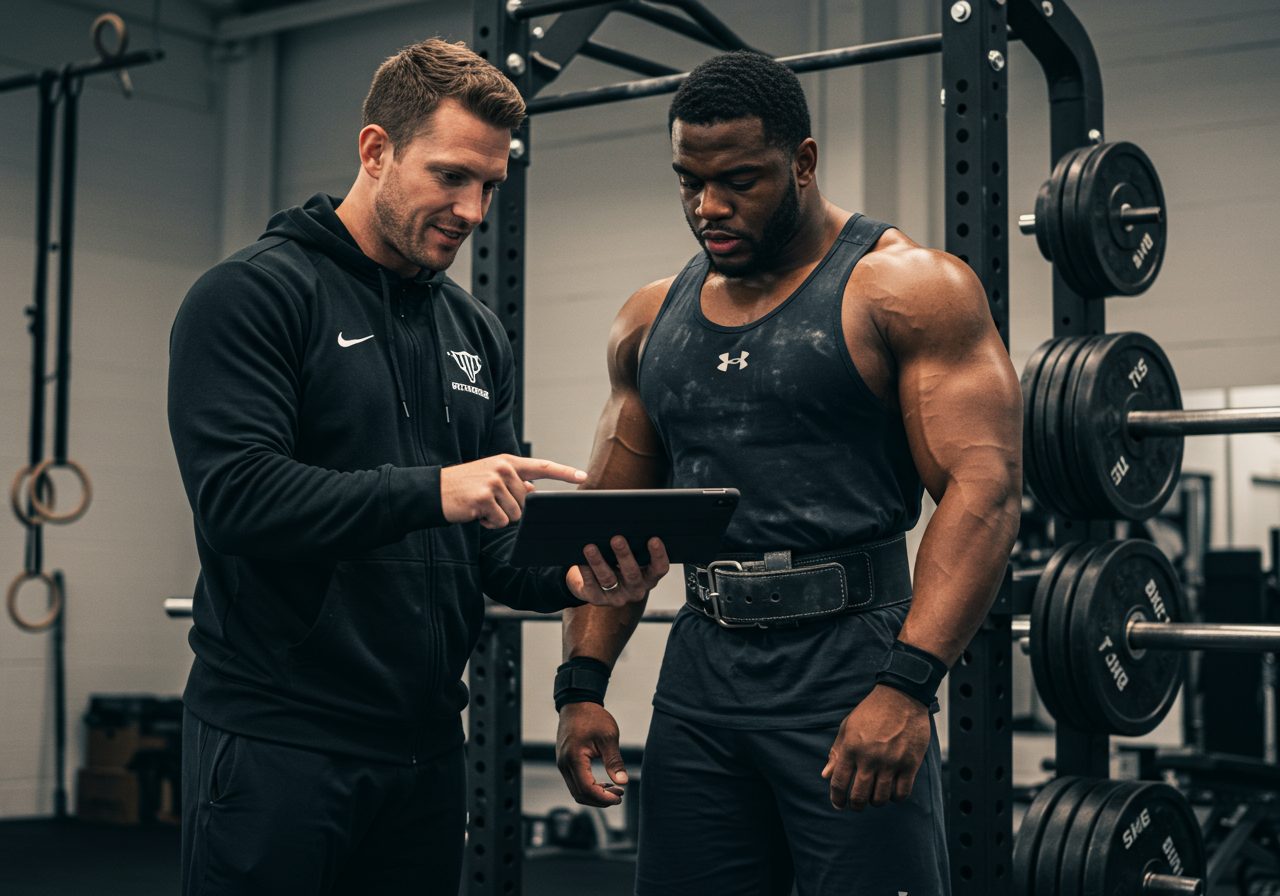
Step 7 — Track and review weekly. Use RPE, bar speed (if you have a velocity device), and session notes. Check bodyweight trend, readiness (resting HR or HRV if using Garmin/Whoop), and soreness. Adjust one variable at a time.
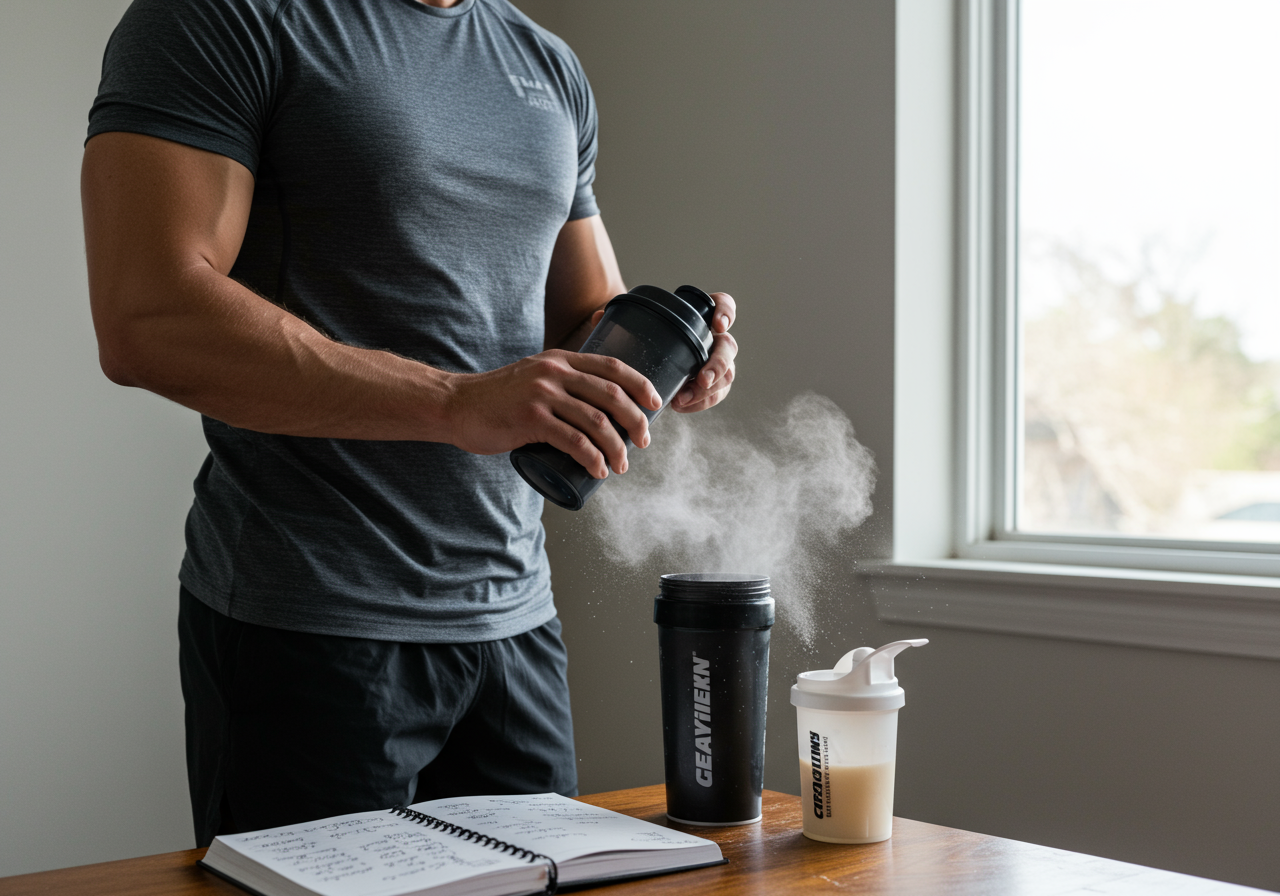
Step 8 — Small real‑world notes. I’ve had better adherence when lifters set creatine next to the coffee machine. I reserve caffeine for priority days. Casein before bed helps those who struggle to hit protein targets.
Client note: “Adding creatine and a simple protein shake made recovery smoother. My sessions felt steadier, and I finally stuck to 3 days/week.” — J., novice lifter
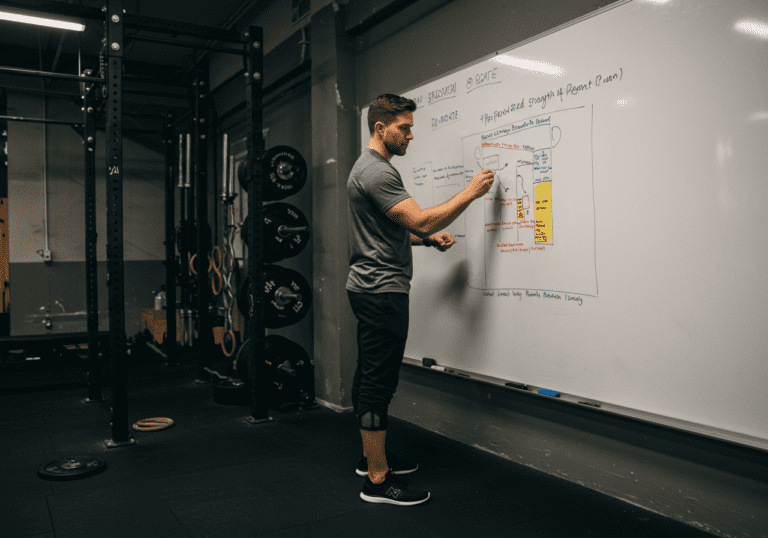
12-Week Foundation to Peak Strength Progression
Follow this 12‑week path. Keep creatine daily. Use caffeine on priority days only. Add optional ergogenics cautiously and only if the basics are locked in.
Caption: 12‑week strength + supplement progression (RPE guidance; adjust loads to stay in range).
Weeks 1–4 (Foundation): 3x/week full‑body; main lifts 3–4x5–8 @ RPE 6–7; Zone 2 cardio 1–2x20 min.

Supplements: Creatine 3–5 g daily; Protein 1.6–2.0 g/kg; Caffeine optional 1–2 days/week.


Weeks 5–8 (Build): 4x/week upper/lower split; priority lift 5x3–5 @ RPE 7–8; accessories 3–4x8–12; Zone 2 1–2x25 min.

Supplements: Creatine daily; Protein 1.8–2.2 g/kg; Caffeine 2–3 days/week; Consider omega‑3 if joints ache.


Week 9–11 (Peak Strength): 3–4x/week; top single @ RPE 8 then back‑offs 4–5x3–5 @ RPE 7–8; cardio 1x20 min easy.

Supplements: Creatine daily; Protein steady; Caffeine reserved for heavy sessions; Optional beta‑alanine if higher‑rep accessories.


Week 12 (Deload/Test): Reduce volume 40–60%, keep light technique work; one test day if recovered.

Supplements: Keep creatine; Minimize caffeine to reset; Maintain protein; Focus on sleep and hydration.
Beginner cues: Leave two reps in the tank. Add 2.5–5 kg only when bar speed and technique look clean. Shorter sessions beat skipped sessions.
Intermediate cues: Rotate variations (pause squat, close‑grip bench) to avoid plateaus. Use microplates. Track weekly tonnage and RPE drift.
Advanced cues: Plan fatigue with deloads every 4–8 weeks. Consider velocity thresholds (stop sets when bar speed drops past your cutoff). Supplements are the same; precision and timing matter more.
Validation: In practice, novices often see steady weekly load bumps early, then slower progress. In my group logs, most who hit protein targets and creatine adherence report better session quality; individual outcomes vary.
Avoid Common Mistakes and Troubleshoot Plateaus
Frequency and intensity: Start with 3 lifting days. Keep most work at RPE 6–8. Save grinders for test week. Add cardio at an easy pace to support work capacity without stealing recovery.
Common mistakes: Chasing stimulants while under‑eating, stacking every supplement at once, skipping sleep, and adding load when technique is shaky. Fix basics first, then layer in tools.
Plateau troubleshooting: Reduce fatigue (drop a set), add 200–300 kcal/day for two weeks, or rotate lift variations. If progress stalls despite changes, take a deload.
Overtraining and safety: Watch resting HR, motivation, and sleep quality. If caffeine worsens sleep, shift earlier or cut dose. Test vitamin D before dosing. Choose third‑party tested products.
Injury management: Train around pain with safe ranges and higher reps. Keep creatine and protein steady to support muscle. If symptoms persist, consult a clinician.
Client note: “Once I logged sleep and protein, my squat sessions stopped feeling like coin flips. Creatine was easy, and caffeine only on heavy day helped.” — A., busy parent
Next steps: Save this plan, print the 12‑week outline, and set reminders for your supplement routine. If you found this useful.
Medical Disclaimer: The information provided on this website is for informational and educational purposes only and is not intended as personal medical or health advice. The content, including text, graphics, and images, is not a substitute for professional medical advice, diagnosis, or treatment. Always seek the advice of your physician or other qualified healthcare provider…
Medical Disclaimer: The information provided on this website is for informational and educational purposes only and is not intended as personal medical or health advice. The content, including text, graphics, and images, is not a substitute for professional medical advice, diagnosis, or treatment. Always seek the advice of your physician or other qualified healthcare provider…
Medical Disclaimer: The information provided on this website is for informational and educational purposes only and is not intended as personal medical or health advice. The content, including text, graphics, and images, is not a substitute for professional medical advice, diagnosis, or treatment. Always seek the advice of your physician or other qualified healthcare provider…
Medical Disclaimer: The information provided on this website is for informational and educational purposes only and is not intended as personal medical or health advice. The content, including text, graphics, and images, is not a substitute for professional medical advice, diagnosis, or treatment. Always seek the advice of your physician or other qualified healthcare provider…
Medical Disclaimer: The information provided on this website is for informational and educational purposes only and is not intended as personal medical or health advice. The content, including text, graphics, and images, is not a substitute for professional medical advice, diagnosis, or treatment. Always seek the advice of your physician or other qualified healthcare provider…
Medical Disclaimer: The information provided on this website is for informational and educational purposes only and is not intended as personal medical or health advice. The content, including text, graphics, and images, is not a substitute for professional medical advice, diagnosis, or treatment. Always seek the advice of your physician or other qualified healthcare provider…