Medical Disclaimer: The information provided on this website is for informational and educational purposes only and is not intended as personal medical or health advice. The content, including text, graphics, and images, is not a substitute for professional medical advice, diagnosis, or treatment. Always seek the advice of your physician or other qualified healthcare provider with any questions you may have regarding a medical condition or before starting any new exercise, nutrition, or supplement program. Never disregard professional medical advice or delay in seeking it because of something you have read on this blog. Reliance on any information provided by this site is solely at your own risk.
The nighttime routine for athletes is the lever that deepens sleep and accelerates recovery. In this guide you’ll build a simple, scalable system that fits your training.
Direct answer: Follow a consistent wind‑down, cut stimulating inputs, and track simple sleep metrics nightly for steadier performance gains.
How Sleep Routine Drives Recovery and HRV
Sleep drives tissue repair, hormone balance, and neural recovery. A predictable evening routine reduces late spikes in cortisol and allows melatonin to rise, which helps you fall asleep faster and spend more time in restorative stages.
In practice studies and sports clinic reports, athletes who standardize light exposure, temperature, and pre‑sleep behaviors often see steadier heart rate variability (HRV), fewer overnight awakenings, and improved mood. My clients who adopted a 60–90 minute wind‑down typically reported easier sleep onset within two weeks. While results vary, the combination of low light, calmer breathing, and smart nutrition timing consistently supports recovery.
Mechanisms worth knowing: dim light signals the circadian clock; cooler room temperature supports thermoregulation; lower arousal from gentle breathing reduces sympathetic drive. Together, these cues make your training adaptations stick.
90-Minute Template: Dim Lights to Breathing Drills
Use this 90‑minute template. Shift times earlier if you naturally sleep sooner.
T‑90 minutes — Set the stage
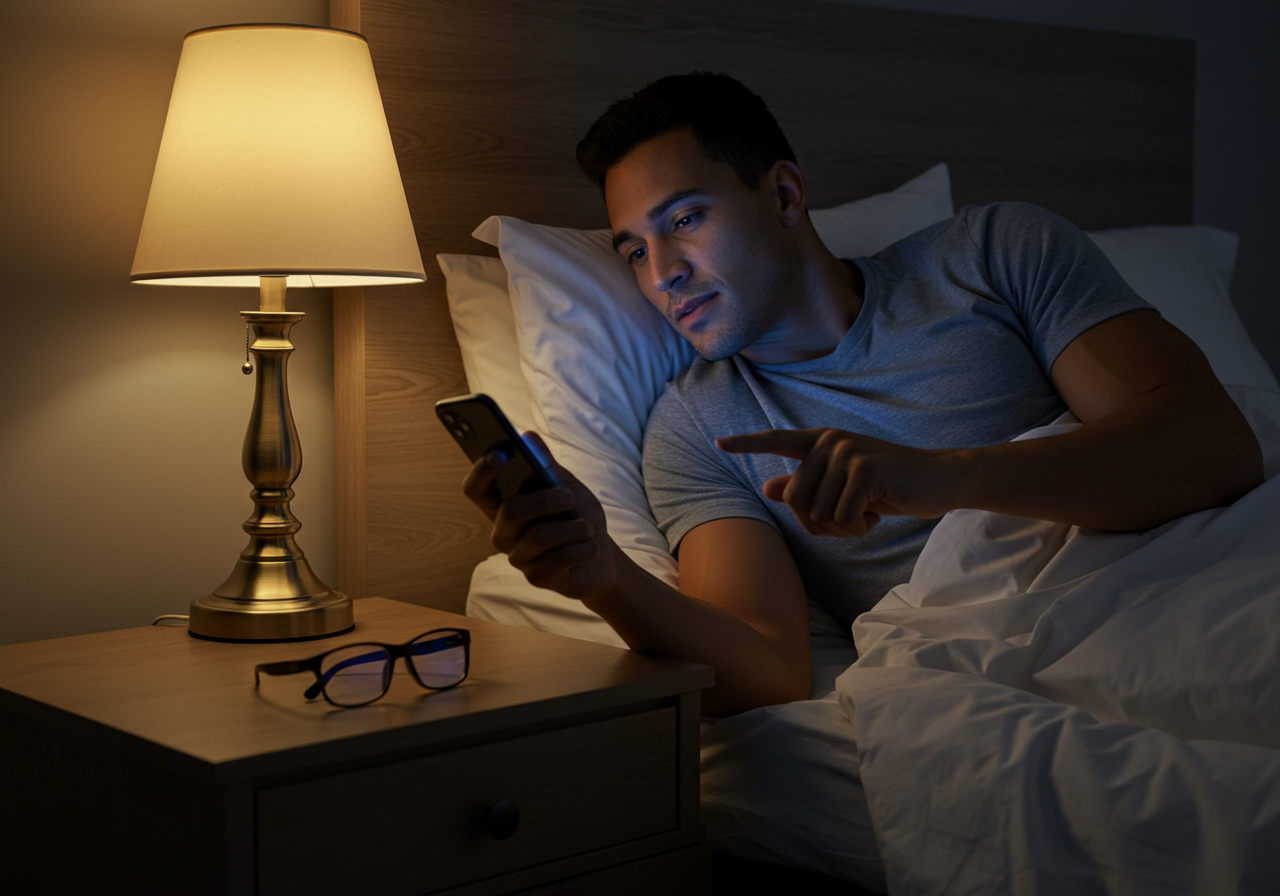
Dim lights and enable Night Shift/f.lux; if sensitive to screens, wear amber glasses.
Cool the room (about 17–19°C/63–66°F) or use a fan/chilled mattress topper.
Close training loops: skim tomorrow’s plan so worries won’t follow you to bed.
T‑60 minutes — Gentle body and mind
Evening walk 10–15 minutes in Zone 1 (very easy; RPE 2–3) or a 5‑minute mobility flow: cat‑camel, 90/90 hip switches, thoracic rotations.
Breathing: 5 minutes of 4‑7‑8 or 6 breaths per minute. Aim for soft exhales.
Finish fluids modestly to limit bathroom trips. Avoid heavy alcohol.
Optional snack if hungry: protein‑forward (e.g., Greek yogurt or casein) with a small portion of slow carbs. This helps overnight recovery and avoids blood sugar dips.
Cut caffeine 8–10 hours before bed; for sensitive athletes, even earlier.
T‑30 minutes — Mental unload
Two‑minute brain dump: list worries/tasks; pick one tiny action for tomorrow.
Light reading or a short non‑sleep deep rest (NSDR)/yoga nidra audio.
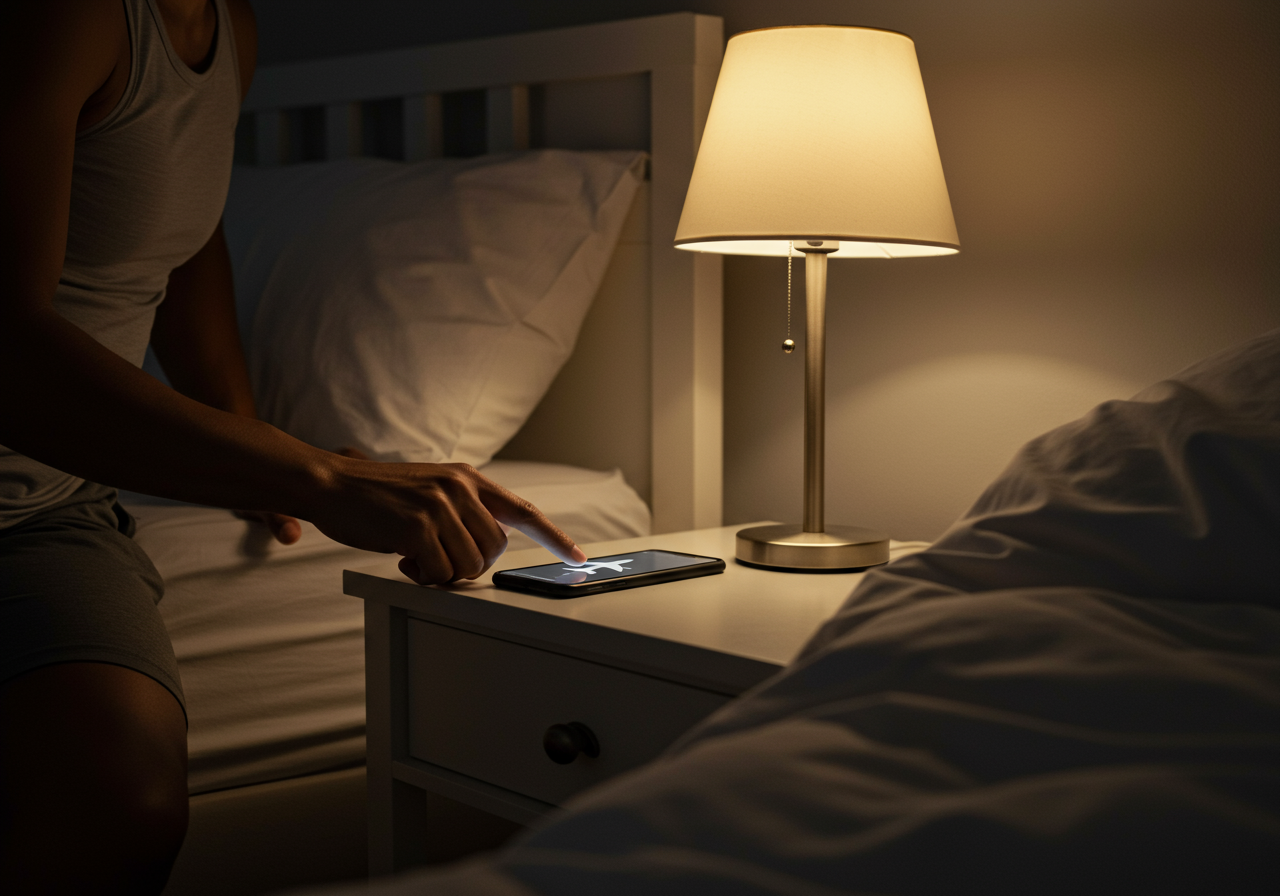
Phones away or on airplane mode; alarms set.
T‑10 minutes — Bedtime ritual
Dark room: blackout curtains or eye mask; cool sheets; earplugs/white noise if noisy.
Two minutes of slow nasal breathing while lying on your side or back.
Lights out. If you can’t sleep within ~20 minutes, get out of bed and do quiet reading in dim light until drowsy.
If you train late (evening practices or lifts)
End session with 5 minutes Zone 1 cool‑down, then 3–5 minutes slow breathing.
Protein‑centric recovery snack and electrolytes; avoid spicy or fatty foods close to bed.
Quick warm shower, then dim‑light routine as above. Prioritize the breathing and the T‑30 mental unload.
Tracking and tools
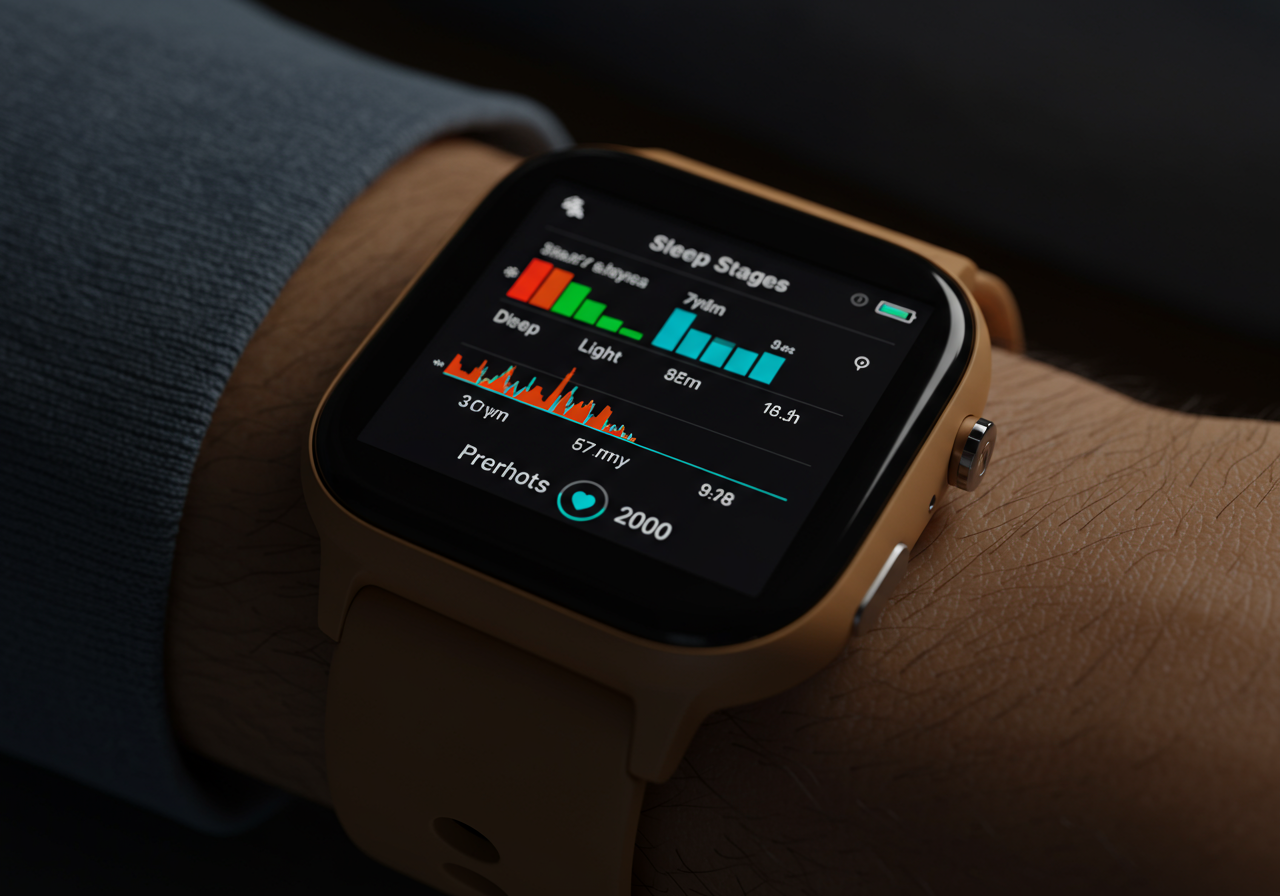
Metrics (pick two): sleep latency (minutes to fall asleep), awakenings, morning resting HR, subjective readiness (1–5), or HRV if you use WHOOP/Oura/Garmin.
Apps: Sleep Cycle or Oura for trends; Notion/Google Sheets or paper log for notes; MyFitnessPal for evening snack consistency.
Client voice
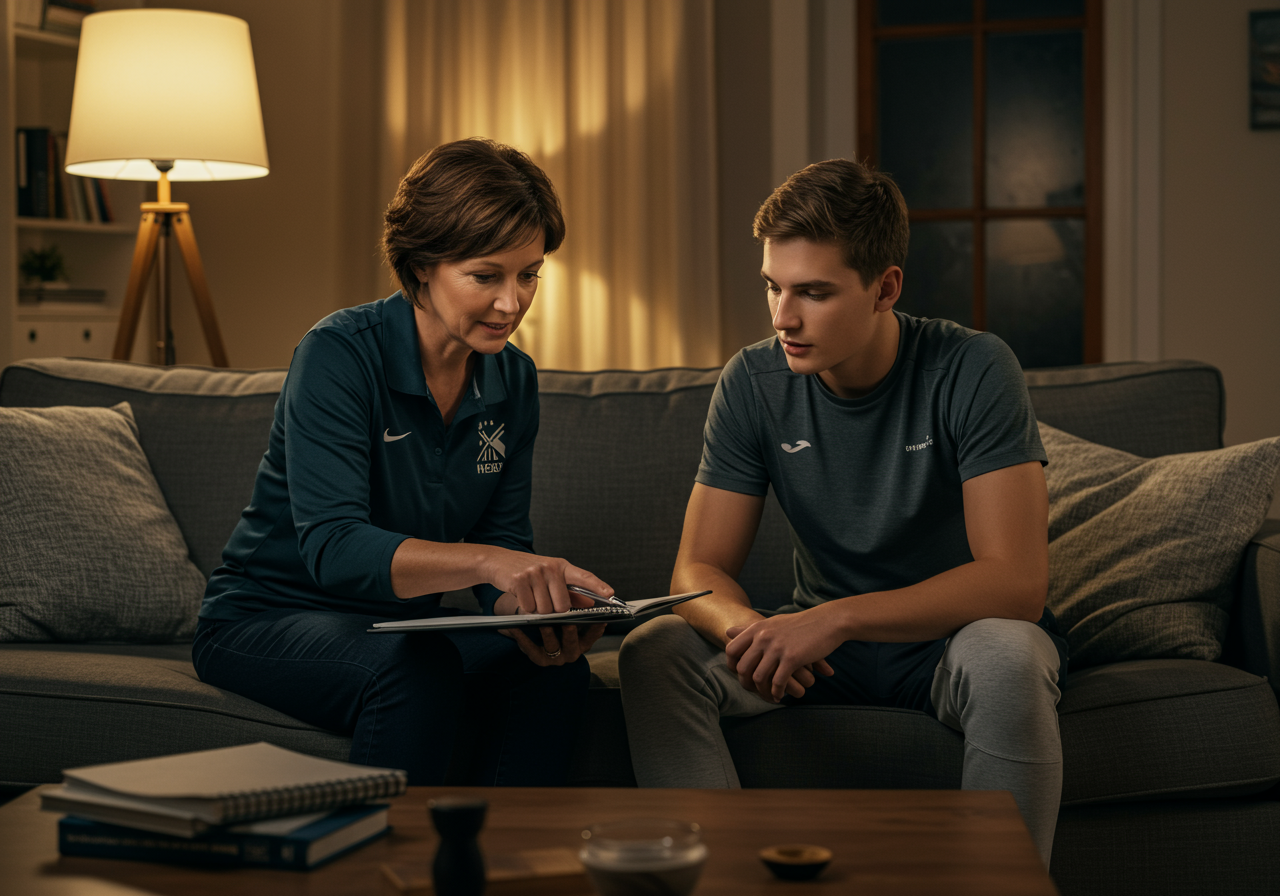
“Switching to dim lights and a 10‑minute breathing session cut my tossing around. Within a couple of weeks I felt fresher on tempo runs.” — L., half‑marathoner
Coach note: My own late‑interval days (ending ~7:30 p.m.) improved when I stacked a short walk, warm shower, and 6‑breaths‑per‑minute drill. My tracker trends showed fewer wake‑ups and steadier morning HR over several weeks.
Optional supplements (use judgment; consult a professional)
Magnesium glycinate or threonate in modest doses may aid relaxation.
A small dose of glycine or a cup of chamomile can be soothing.
Avoid adding multiple new supplements at once; change one variable at a time.
Progress from Basic Routine to Competition-Ready Protocol
Build habits in layers. Add only what you can repeat on busy nights.
Progression overview — choose the level that matches your current consistency.
Level 1 (Weeks 1–2): Dim lights; T‑30 brain dump; 5-min breathing; fixed lights-out time ±15 min.

Level 2 (Weeks 3–4): Add Zone 1 walk or 5-min mobility; warm shower; protein-focused snack if hungry.

Level 3 (Weeks 5–6): Standardize room temp; blackout/eye mask; limit fluids after T‑45; NSDR or light reading.

Level 4 (Weeks 7–8): Late-session protocol (cool-down + breathing); caffeine cutoff rules; formalize tracking (latency + morning HR/HRV or readiness).

Level 5 (Weeks 9+): Travel/competition plan: portable eye mask/earplugs, consistent pre-sleep script; review data weekly and adjust one variable.
Weekly check‑in (5 minutes)
Look for trends, not perfect nights. If two metrics improve or hold steady, keep the plan. If sleep worsens three nights in a row, simplify the routine and reduce training intensity by one notch (e.g., from RPE 8 to 7) for 48 hours.
Plateaus and heavy training blocks
Signs of overreaching (elevated resting HR, irritability, unusual soreness) call for earlier bedtime and a temporary 10–20% drop in volume.
If racing nerves spike, extend the NSDR segment and practice it midday for skill carryover.
Avoid Late Screens and Heavy Meals
Frequency: Do the routine every night. Consistency, not perfection, drives results.
Intensity: Keep all evening movement very light. Save challenging work for earlier in the day.
Common mistakes
Late heavy meals or alcohol: swap for a lighter protein‑forward snack.
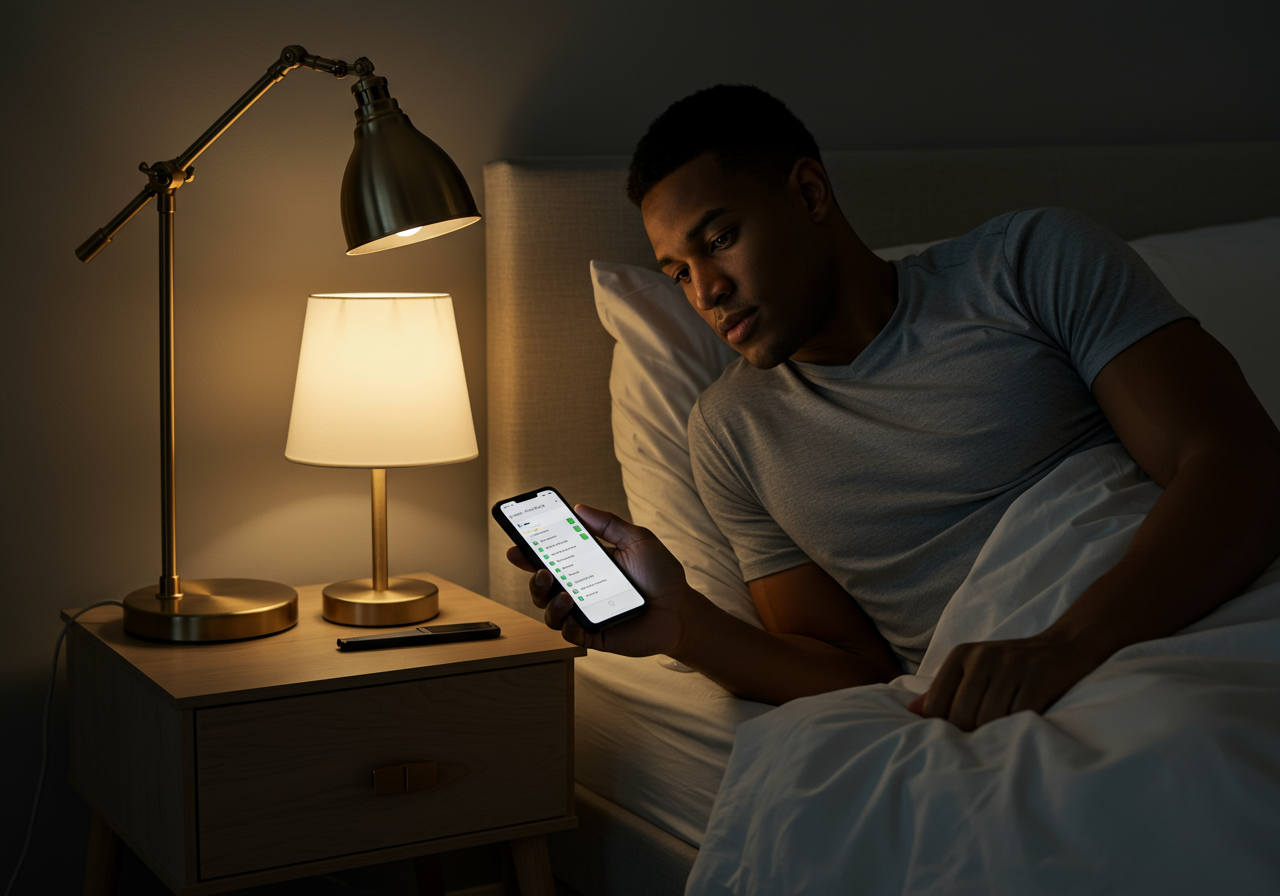
Chasing screens in bed: move phones to another room and use a cheap alarm clock.
Too many changes at once: modify a single element per week.
Injury and pain considerations
If pain disturbs sleep, trial side‑lying with a pillow between knees and brief heat earlier in the evening, not at bedtime.
Discuss persistent pain or insomnia with a qualified clinician.
Motivation dips
Attach the routine to something rewarding (cozy reading nook, favorite herbal tea). Use a tiny checklist so you can check boxes even on chaotic days.
Result validation
Clients who adopted Levels 1–3 typically reported shorter time‑to‑sleep and steadier mood in morning training. My own logs showed fewer wake‑ups on travel weeks when I kept the dim‑light + breathing combo. Individual responses differ, so rely on your two chosen metrics.
Next steps: Start Level 1 tonight, log two metrics for seven days, then move to Level 2. If this helped.
Medical Disclaimer: The information provided on this website is for informational and educational purposes only and is not intended as personal medical or health advice. The content, including text, graphics, and images, is not a substitute for professional medical advice, diagnosis, or treatment. Always seek the advice of your physician or other qualified healthcare provider…
Medical Disclaimer: The information provided on this website is for informational and educational purposes only and is not intended as personal medical or health advice. The content, including text, graphics, and images, is not a substitute for professional medical advice, diagnosis, or treatment. Always seek the advice of your physician or other qualified healthcare provider…
Medical Disclaimer: The information provided on this website is for informational and educational purposes only and is not intended as personal medical or health advice. The content, including text, graphics, and images, is not a substitute for professional medical advice, diagnosis, or treatment. Always seek the advice of your physician or other qualified healthcare provider…
Medical Disclaimer: The information provided on this website is for informational and educational purposes only and is not intended as personal medical or health advice. The content, including text, graphics, and images, is not a substitute for professional medical advice, diagnosis, or treatment. Always seek the advice of your physician or other qualified healthcare provider…
Medical Disclaimer: The information provided on this website is for informational and educational purposes only and is not intended as personal medical or health advice. The content, including text, graphics, and images, is not a substitute for professional medical advice, diagnosis, or treatment. Always seek the advice of your physician or other qualified healthcare provider…
Medical Disclaimer: The information provided on this website is for informational and educational purposes only and is not intended as personal medical or health advice. The content, including text, graphics, and images, is not a substitute for professional medical advice, diagnosis, or treatment. Always seek the advice of your physician or other qualified healthcare provider…