This content is for general informational purposes only.
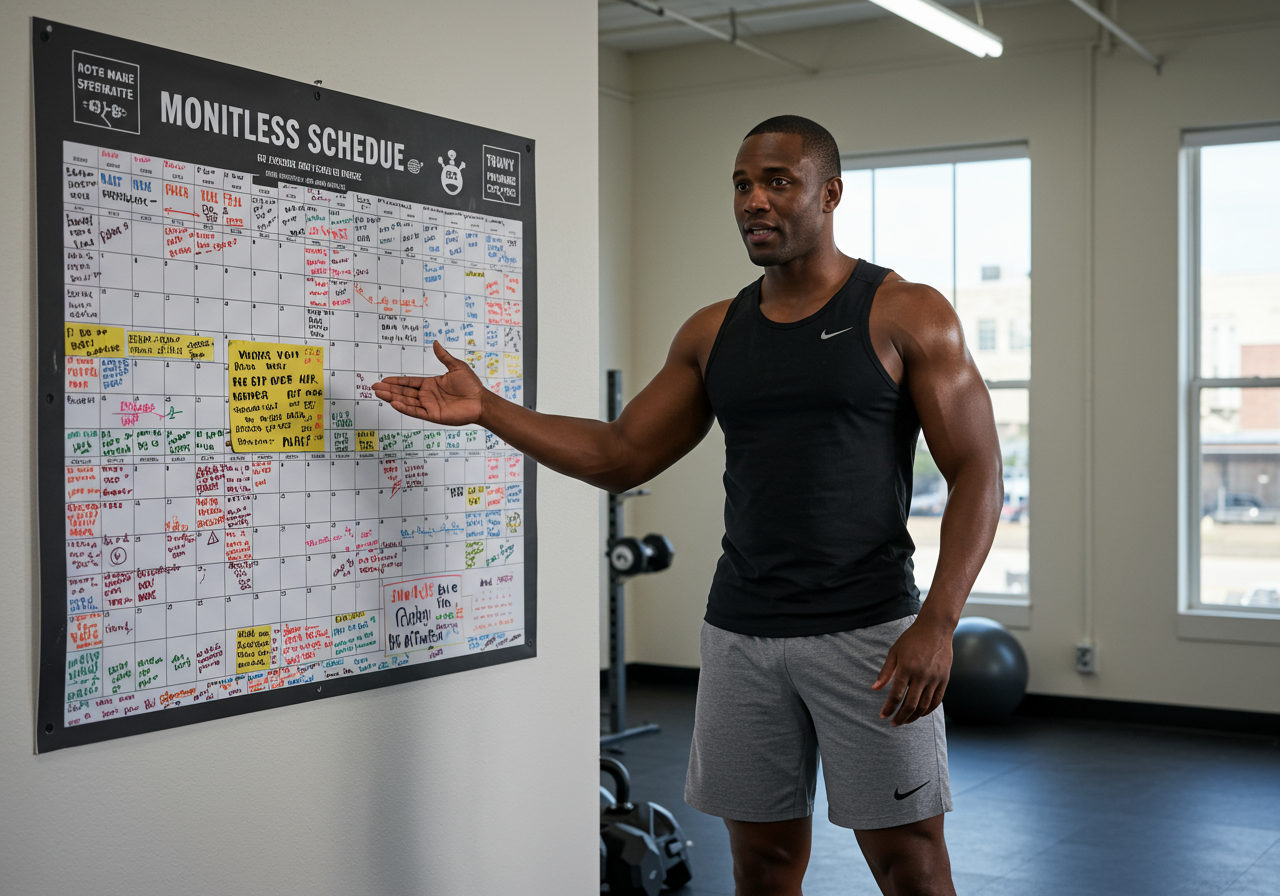
A content calendar can organize training, nutrition, and gear planning into a single structured system. It can be built by grouping themes, mapping sessions, and scheduling regular check-ins.
This approach connects cardio, strength, mobility, meal planning, and gear tracking so that each element works together instead of competing for time.
Consistency is often a bigger challenge than capability. A structured calendar helps reduce decision fatigue and makes it easier to follow planned actions at specific times.
Planning nutrition and gear alongside training can support a more balanced routine. Adjusting food timing based on training intensity and rotating equipment may help distribute workload more evenly.
In many cases, having a clear plan in advance makes it easier to stay consistent because decisions are already made before the activity begins.
How to Build Your Fitness Content Calendar
The following steps outline a structured method for building a system that combines training, nutrition, and simple content tracking.
Define pillars: Cardio (endurance and intervals), Strength (full-body focus), Mobility/Flexibility (short daily sessions), Activities, Nutrition, Recovery, and Gear.
Pick a hub: Use tools such as Notion, Trello, or Google Calendar to organize schedules and notes.
Map monthly themes: Examples include endurance focus, strength focus, interval training, and lighter recovery phases.
Build a weekly template: A simple structure can include training-related tracking, nutrition notes, and gear observations.
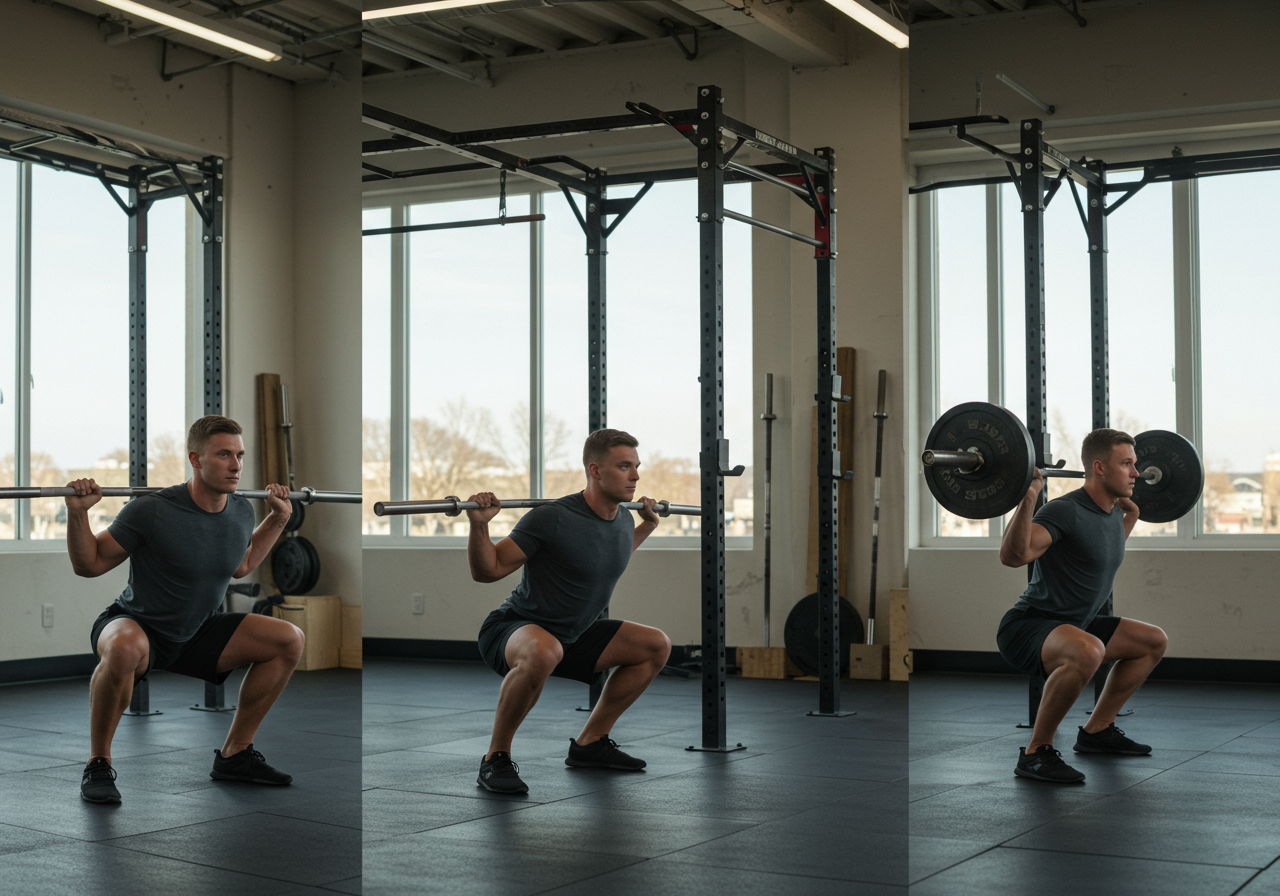
Session blueprint: Begin with a short warm-up, followed by main training such as cardio or strength work, and finish with mobility exercises. Recording notes immediately after each session can help maintain consistency.
Nutrition support: Maintaining balanced intake, adjusting food timing based on activity level, and staying hydrated can support overall routine consistency.
Gear rotation: Rotating equipment and noting comfort or wear can help manage usage over time.
Batch content: Preparing notes or summaries in advance can make it easier to keep records updated throughout the week.
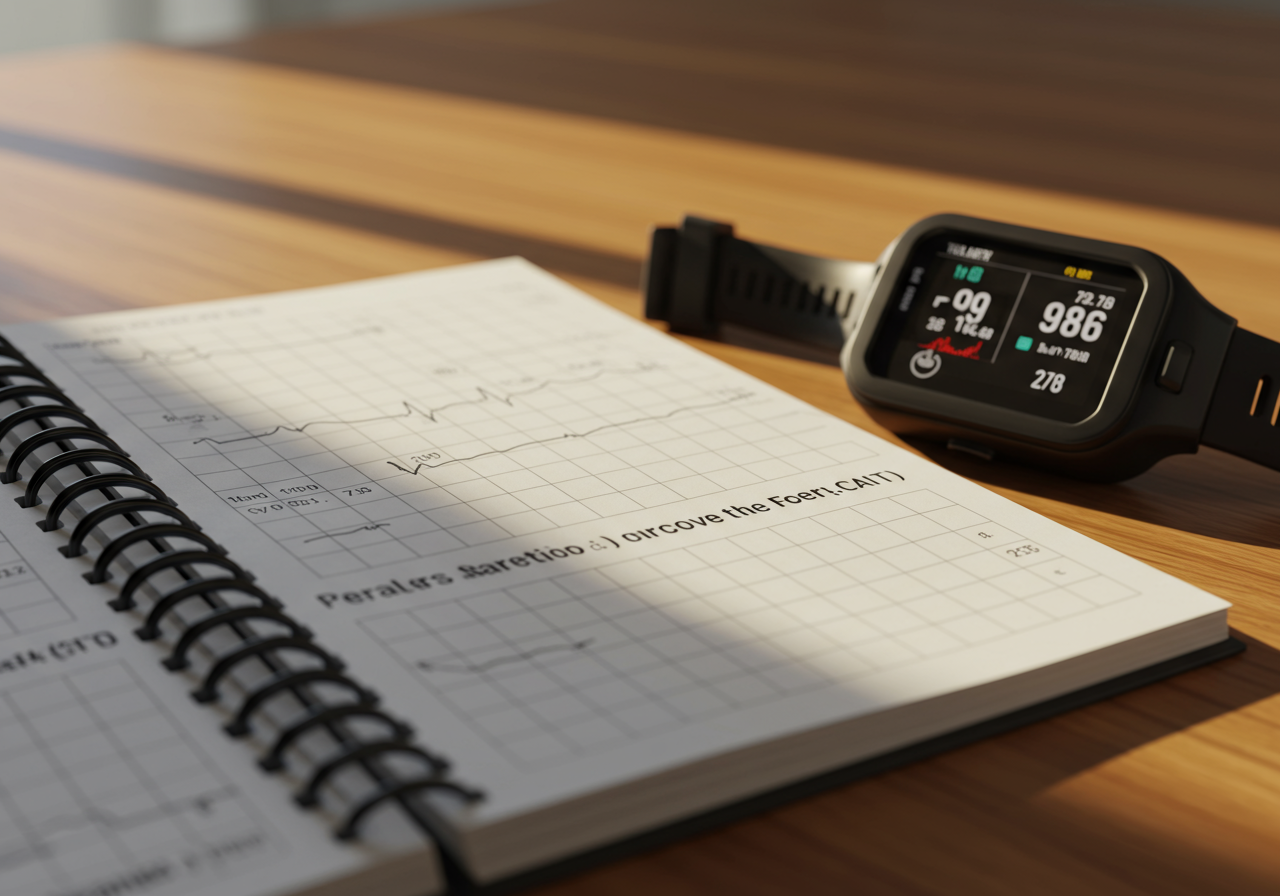
Automate inputs: Using connected apps or recurring reminders can reduce manual tracking effort.
Review loop: Regularly reviewing progress and adjusting plans can help maintain structure over time.
Preparing and organizing content in advance can reduce friction during the week and make the overall routine easier to maintain.
Beginner to Advanced Progressions
Start from a manageable level and increase either volume or intensity gradually. Including lighter periods can help maintain balance.
Level 1: Foundation
Cardio: Several moderate sessions per week.
Strength: Basic full-body routines.
Mobility: Short daily practice.
Focus: Building consistency and familiarity.
Level 2: Build
Cardio: Introduce interval sessions while maintaining steady sessions.
Strength: Increase frequency or volume.
Mobility: Extend duration slightly.
Focus: Gradual progression.
Level 3: Perform
Cardio: Mix higher intensity and longer sessions.
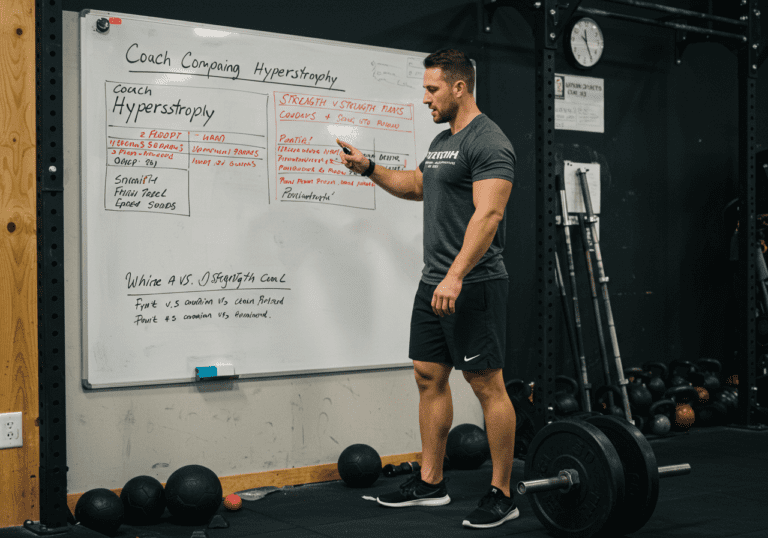
Strength: Alternate between heavier and moderate efforts.
Mobility: Maintain regular practice.
Focus: Structured variation and tracking.
Adjust focus based on preference, such as emphasizing cardio, strength, or mobility depending on individual needs.
Programming Tips and Safety
Frequency & intensity: Begin with several short sessions per week and maintain a balanced intensity across sessions. Include warm-up and cool-down periods.
Routine support: Maintaining consistent hydration, balanced nutrition, and regular rest can support overall activity patterns.
Troubleshooting:
Plateau: Adjust one variable at a time and review consistency.
Fatigue: Reduce intensity or volume temporarily.
Motivation: Start with shorter sessions to rebuild routine.
Discomfort: Modify movements or reduce impact where needed.
Review: Periodic checks of consistency, routine adherence, and overall balance can help guide adjustments.
Maintaining a simple and repeatable system can make it easier to sustain long-term consistency.
Medical Disclaimer: The information provided on this website is for informational and educational purposes only and is not intended as personal medical or health advice. The content, including text, graphics, and images, is not a substitute for professional medical advice, diagnosis, or treatment. Always seek the advice of your physician or other qualified healthcare provider…
Medical Disclaimer: The information provided on this website is for informational and educational purposes only and is not intended as personal medical or health advice. The content, including text, graphics, and images, is not a substitute for professional medical advice, diagnosis, or treatment. Always seek the advice of your physician or other qualified healthcare provider…