Medical Disclaimer: The information provided on this website is for informational and educational purposes only and is not intended as personal medical or health advice. The content, including text, graphics, and images, is not a substitute for professional medical advice, diagnosis, or treatment. Always seek the advice of your physician or other qualified healthcare provider with any questions you may have regarding a medical condition or before starting any new exercise, nutrition, or supplement program. Never disregard professional medical advice or delay in seeking it because of something you have read on this blog. Reliance on any information provided by this site is solely at your own risk.
A goal-based 12-week training program becomes simple when you follow a clear map. In the next few minutes, you’ll learn how to align your goal, weekly schedule, and progress checks so you keep moving forward—without guessing.
Do this: define one goal, set three focused sessions per week, progress loads and cardio zones, and track recovery for 12 weeks.
Progressive Overload and Zone Training Drive Predictable Adaptation
When your plan ties measurable goals to weekly actions, the body adapts predictably. Progressive overload strengthens muscle and connective tissue. Zone-based cardio builds your aerobic engine without burning you out. Mobility work keeps range of motion long enough to lift and run efficiently.
In coaching practice and peer-reviewed guidance, routines that combine strength, conditioning, mobility, and sleep consistently outperform random workouts. The winning pattern: small weekly increases, planned easier weeks, and honest tracking.
Client note — Maya, 44: “I finally stopped stalling. Three steady sessions a week felt doable, and my knees actually feel better.”
From my own cycles, the best results came when I kept strength sets at RPE 6–8 most weeks, cardio mostly in Zone 2 with brief high-intensity intervals, and at least one nightly recovery anchor: 7–9 hours of sleep or a 10-minute mobility flow. When that trifecta slips, progress stalls. When it’s consistent, progress returns—even if it’s gradual.
Pick one primary outcome. Examples: run a faster 5K, complete your first chin-up, or reduce body fat while keeping strength. Make it specific and realistic for 12 weeks.
Assess your baseline. Choose a few simple tests: (a) easy 1–1.5 mile jog or 6-minute walk distance (aerobic base), (b) technique-based 5–10 rep estimates for squat/hinge/push/pull (RPE ≤8), (c) ankle/hip/shoulder mobility screens you can retest.
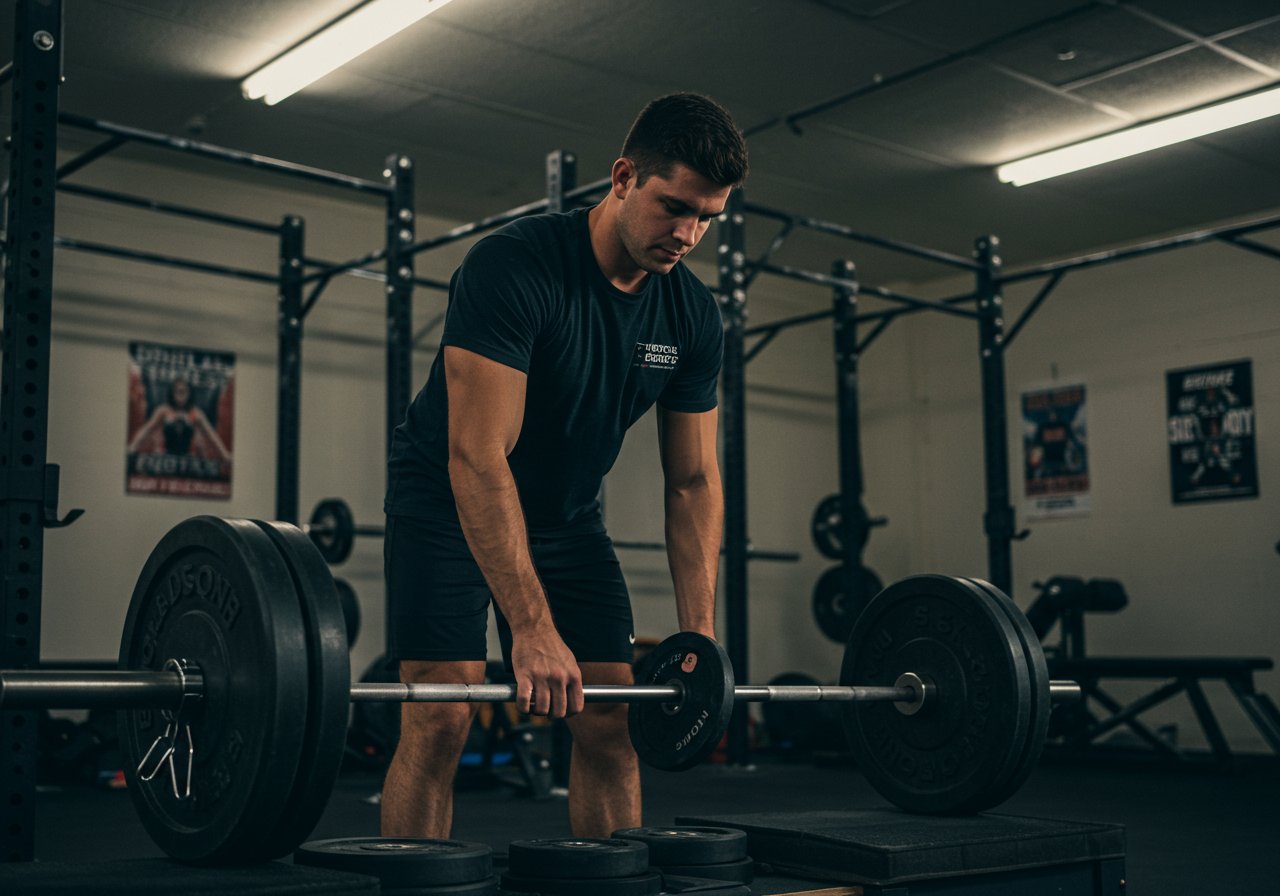
Choose a weekly split (3 sessions). Start with: Session A — full-body strength, Session B — conditioning + core, Session C — full-body strength + mobility finisher. Optional: add a short Zone 2 walk/ride on two non-lifting days.
Build each session. Strength template: 4–6 movements hitting squat, hinge, push, pull, lunge, carry. 2–4 sets of 5–12 reps at RPE 6–8 (leave 2–4 reps in reserve), 2–3 minutes rest on big lifts. Conditioning template: 20–35 minutes mostly Zone 2 (you can talk in sentences), with 4–6 x 30–60s brisk efforts in Zone 4 as tolerated. Mobility: 5–10 minutes focusing on hips, t-spine, and ankles or shoulders—paired between sets or at session end.
Progress the load and dose. Add a small step each week: +2.5–5 lb to key lifts or +1 rep per set; +2–5 minutes to Zone 2; an extra interval if recovery is good. Keep RPE and HR zones honest.
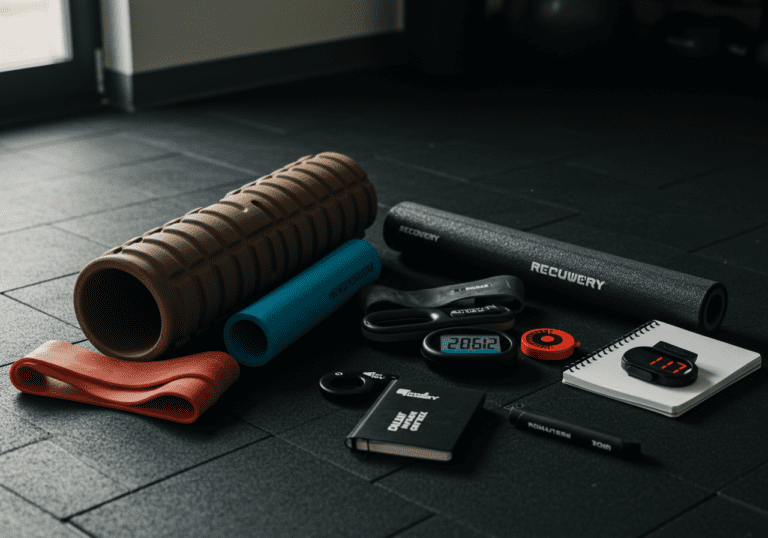
Recovery and nutrition. Aim for protein around 1.6–2.2 g/kg bodyweight daily; fill carbs to support training (often 3–5 g/kg for mixed training), fats to appetite. Hydrate, and consider creatine monohydrate 3–5 g/day if strength is a goal; caffeine 1–3 mg/kg 30–45 minutes pre-workout if tolerated. Sleep 7–9 hours.
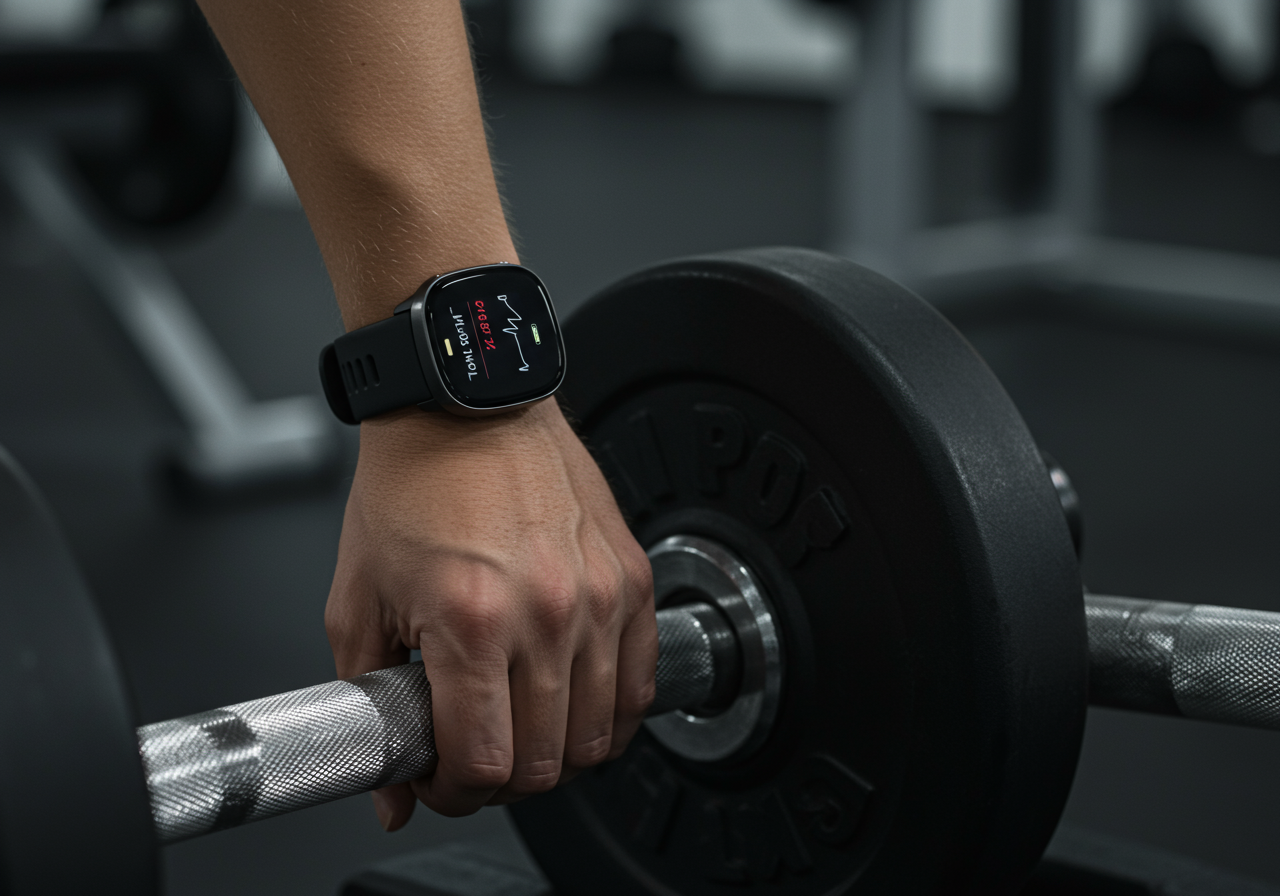
Track what matters. Log sets/reps/RPE, heart rate zones, steps, and sleep. I use Garmin/Apple Watch for HR and steps, Strava for runs/rides, and MyFitnessPal for nutrition. A simple note like “felt heavy today, slept 5 hours” explains stalled lifts better than guessing.
Plan deloads and tests. Week 4 or 5 and week 9 can be lighter (reduce volume by ~30–40%). Week 12 is your test week: recheck baseline lifts, your easy cardio test, and range of motion.
Example conditioning (25–35 minutes): Warm-up — 5 minutes easy pace. Main — 18–25 minutes Zone 2 steady effort. Optional — 4×45s brisk efforts in Zone 4 with 90s easy between. Cool-down — 3–5 minutes easy + breathing.
Scale Loads and Cardio by Experience Level
Progression map — adjust loads by RPE and cardio by HR zones; choose the track that matches your training age.
Weeks 1–2: Technique & Base — B: 2–3 sets main lifts @ RPE 6; Z2 15–20 min. I: 3 sets @ RPE 6–7; Z2 20–25 min. A: 3–4 sets @ RPE 7; Z2 25–30 min.

Weeks 3–4: Small Steps — B: +1 rep/set or +2.5 lb; Z2 +5 min. I: +5 lb big lifts; add 1 extra interval. A: +5–10 lb if RPE ≤7; add tempo work on 1 lift.

Week 5: Light Week — B/I/A: reduce volume ~30–40%, keep movement quality high; Z2 only, skip intervals if tired.

Weeks 6–7: Build Again — B: repeat week 3 with better form. I: add a 4th set on first lift. A: 4–5 sets on primary, add 1 high-intensity cardio session (6×60s).

Week 8: Strength Emphasis — B: try last week’s loads for cleaner reps. I: push sets @ RPE 7–8 on primary lifts. A: introduce top set @ RPE 8, back-off sets @ -10%.

Week 9: Refresh — B/I/A: drop volume ~30%; keep Z2; include extra mobility and sleep focus.

Weeks 10–11: Peak Practice — B: hold RPE 7, keep consistency. I: slight load jumps; rehearse test movements. A: two top sets @ RPE 8 on primaries; cardio intervals every 5–7 days.

Week 12: Test & Taper — B: retest easy mile/6-min walk and rep-max with 2–3 reps in reserve. I: test 5–10RM safely and short time trial. A: test 3–5RM or performance; reduce accessory work 50%.
How to choose your track: Beginner (new or returning after 6+ months), Intermediate (6–24 months consistent training), Advanced (2+ years with solid technique).
What success looks like: Retesting should show smoother technique, steadier heart rates at the same pace, and fewer aches. In similar coaching blocks, clients commonly report easier daily movement, better posture, and confidence under the bar.
References & Further Reading
The following peer-reviewed research and authoritative guidelines support the recommendations in this article:
Maintain RPE 6-8, Deload When Stalled, Prioritize Recovery
Frequency & intensity: Three sessions per week is enough for most beginners. Keep most strength work at RPE 6–8 and most cardio in Zone 2. Sprinkle brief high-intensity intervals only when recovery is strong.
Common mistakes: Skipping warm-ups, chasing maximal weights weekly, adding intervals before building an aerobic base, and ignoring sleep. If a lift stalls for two weeks, reduce volume by a third for one week, then rebuild.
Troubleshooting: Plateaus — change one variable: reps, tempo, exercise variation (e.g., front squat instead of back squat), or add a light week. Overtraining signs — elevated resting HR, poor sleep, irritability. Cut volume 30–50% for 7 days and walk more. Motivation dip — shorten sessions to 30 minutes and keep the streak alive. Injury niggles — swap pain-provoking moves for similar patterns (e.g., RDL instead of conventional deadlift) and increase mobility and single-leg work.
Nutrition checkpoints: If fat loss is a goal, consider a modest calorie deficit while keeping protein high. If performance is primary, eat at maintenance with carbs around workouts. Reassess weekly energy based on body weight trends and training quality.
Progress tracking: Use a simple sheet or app: record date, exercise, sets/reps/RPE, HR zones, sleep hours, and a 1–10 readiness rating. Over time, patterns appear and decisions get easier.
Next steps: Save this plan, schedule your first three sessions, and set calendar reminders for weeks 5 and 9 deloads. If you found this useful.
Medical Disclaimer: The information provided on this website is for informational and educational purposes only and is not intended as personal medical or health advice. The content, including text, graphics, and images, is not a substitute for professional medical advice, diagnosis, or treatment. Always seek the advice of your physician or other qualified healthcare provider…
Medical Disclaimer: The information provided on this website is for informational and educational purposes only and is not intended as personal medical or health advice. The content, including text, graphics, and images, is not a substitute for professional medical advice, diagnosis, or treatment. Always seek the advice of your physician or other qualified healthcare provider…
Medical Disclaimer: The information provided on this website is for informational and educational purposes only and is not intended as personal medical or health advice. The content, including text, graphics, and images, is not a substitute for professional medical advice, diagnosis, or treatment. Always seek the advice of your physician or other qualified healthcare provider…
Medical Disclaimer: The information provided on this website is for informational and educational purposes only and is not intended as personal medical or health advice. The content, including text, graphics, and images, is not a substitute for professional medical advice, diagnosis, or treatment. Always seek the advice of your physician or other qualified healthcare provider…
Medical Disclaimer: The information provided on this website is for informational and educational purposes only and is not intended as personal medical or health advice. The content, including text, graphics, and images, is not a substitute for professional medical advice, diagnosis, or treatment. Always seek the advice of your physician or other qualified healthcare provider…
Medical Disclaimer: The information provided on this website is for informational and educational purposes only and is not intended as personal medical or health advice. The content, including text, graphics, and images, is not a substitute for professional medical advice, diagnosis, or treatment. Always seek the advice of your physician or other qualified healthcare provider…