Medical Disclaimer: The information provided on this website is for informational and educational purposes only and is not intended as personal medical or health advice. The content, including text, graphics, and images, is not a substitute for professional medical advice, diagnosis, or treatment. Always seek the advice of your physician or other qualified healthcare provider with any questions you may have regarding a medical condition or before starting any new exercise, nutrition, or supplement program. Never disregard professional medical advice or delay in seeking it because of something you have read on this blog. Reliance on any information provided by this site is solely at your own risk.
Master Key Metrics to Build Smarter Training Plans
Smartwatch and Fitness Tracker Comparison drives smarter training when you know which metrics matter and how to apply them.
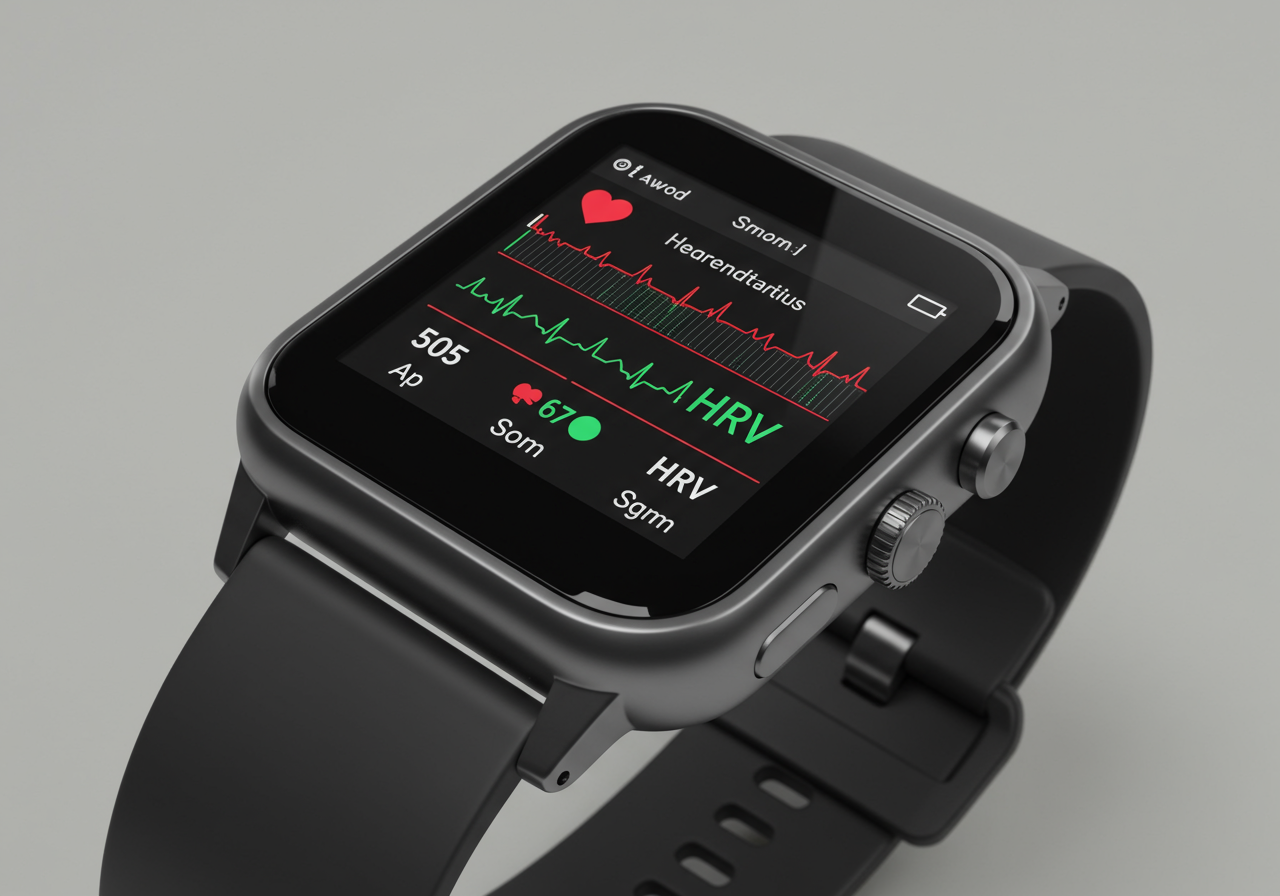
The most useful metrics are heart-rate accuracy, GPS pace and distance, HRV, VO2max estimate, sleep quality, and training load/readiness.
In this guide, I’ll show you how to use those numbers to build a complete plan covering cardio, strength, mobility, and daily activity—plus how to progress, troubleshoot, and validate results.
How Wearable Data Translates Physiology Into Daily Decisions
Wearables translate physiology into daily decisions. Heart-rate zones align with energy systems and lactate thresholds. HRV reflects nervous system readiness. GPS pace and elevation help dose aerobic stress. Sleep duration and consistency predict recovery capacity. Training load models summarize cumulative stress so you avoid the classic boom-bust cycle.
In practice and in peer-reviewed research, structured zone work, sufficient recovery, and progressive overload outperform guesswork. The caveat: data must be accurate and interpreted in context. Optical wrist HR is generally good at steady efforts but can lag during intervals; a chest strap improves precision. VO2max and calorie burn are estimates—use them as trends, not absolutes.
Device considerations I’ve seen across clients:
Garmin: strong GPS, training load, and course features; great with chest straps.
Apple Watch: very good optical HR and ecosystem; recovery features improving; GPS solid in open areas.
Polar: excellent HR algorithms, robust orthostatic tests; good for zone purists.
Fitbit: accessible, solid sleep tracking; training load simpler.
Whoop/Oura: recovery-first (HRV, sleep staging); best paired with a GPS-capable device for outdoor pace and distance.
Bottom line: pick for accuracy in your main sport and for metrics you’ll actually use.
Turn Device Metrics Into a Complete Training System
Follow these steps to turn metrics into a full training system.
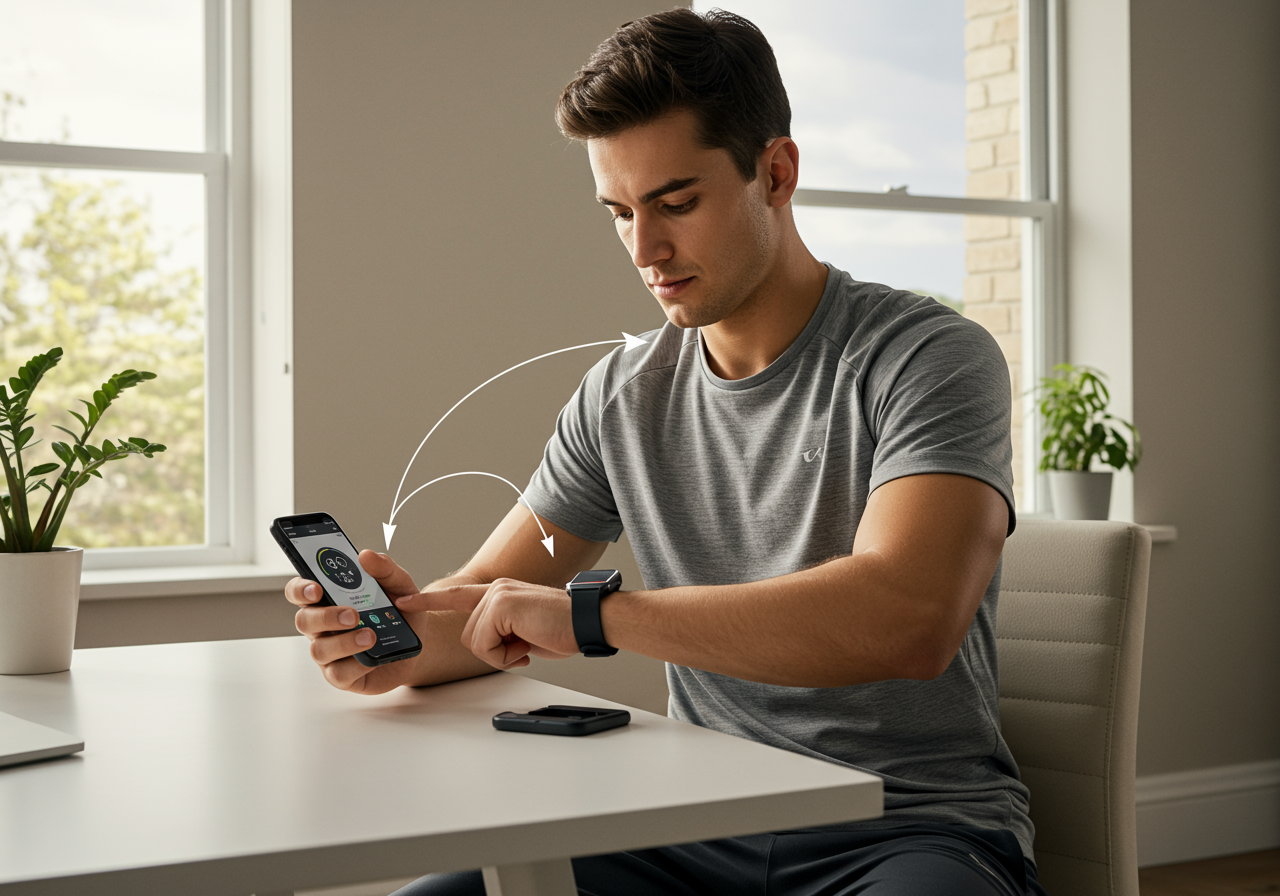
Set up your device: snug fit above the wrist bone; enable GPS + auto-lap. Pair a chest strap for intervals. Calibrate stride if your watch supports it.
Define your zones: use a recent 20–30 minute hard effort or a lab/field threshold test to set heart-rate zones. If new, start with 5 zones using the talk test and adjust weekly.
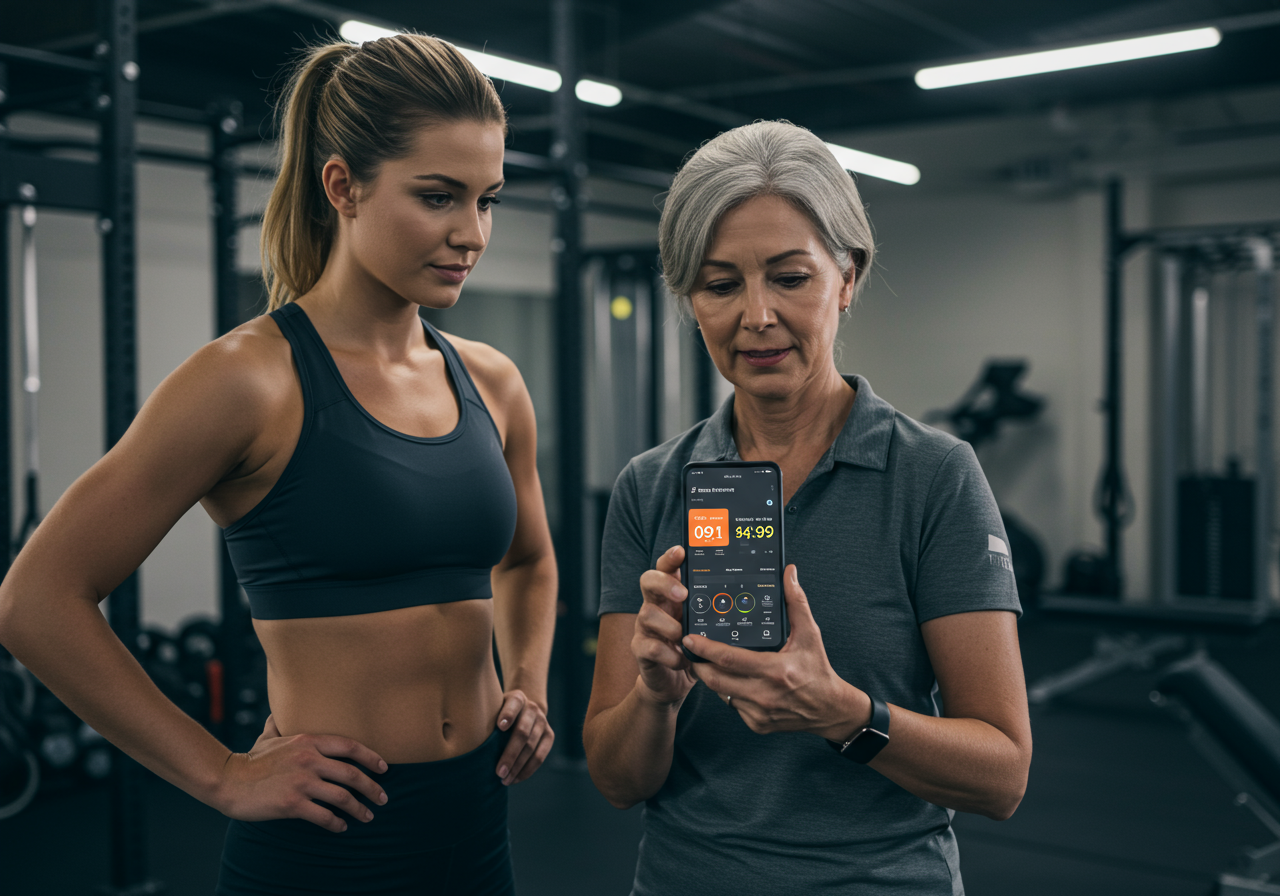
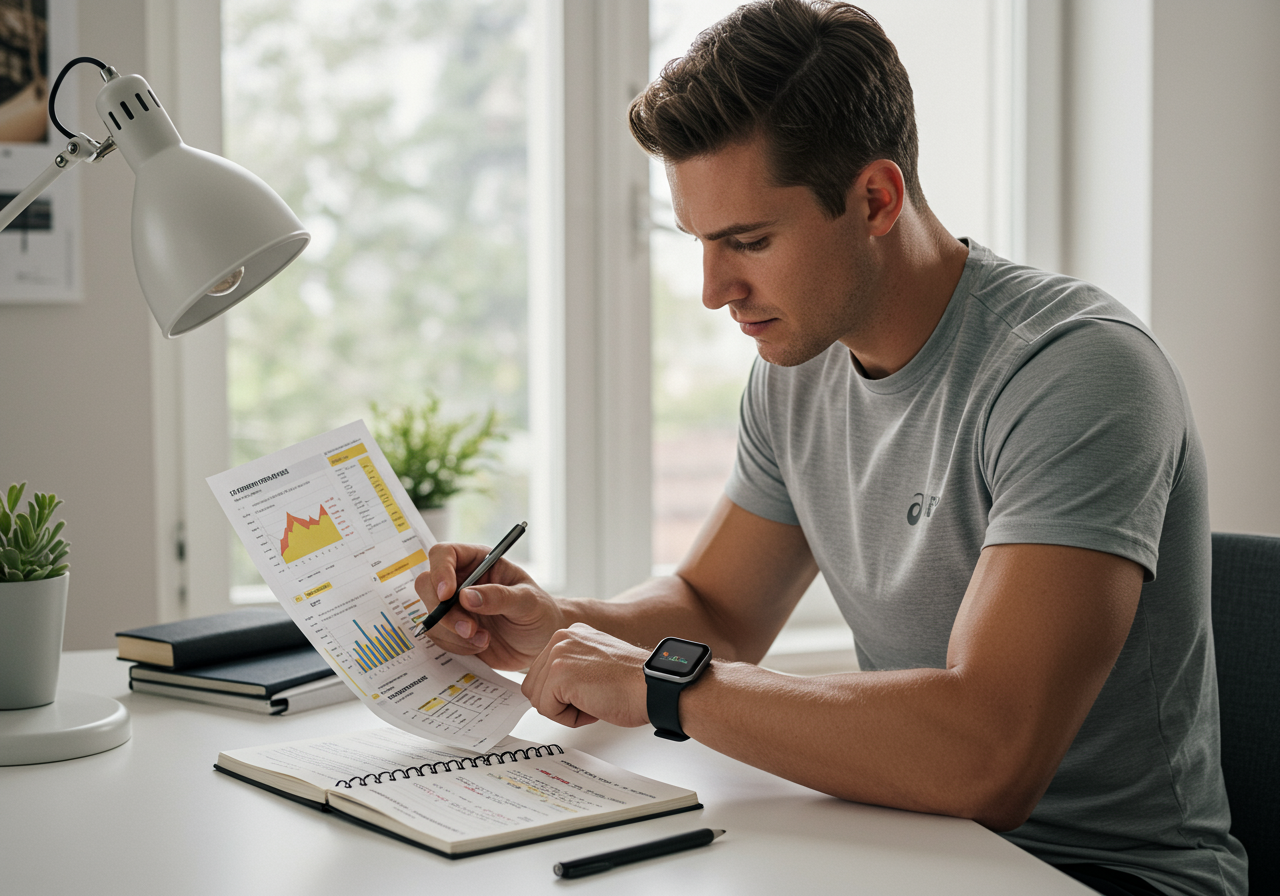
Collect a baseline week: wear the device 24/7. Note resting HR, HRV trend, typical sleep, step count, and a comfortable 30-minute run/walk pace. Log everything in Strava, Garmin Connect, Polar Flow, or Apple Fitness.
Cardio sessions (3–5 days/week):
Zone 2 aerobic: 30–60 minutes keeping HR steady; you should speak in full sentences.
Threshold/tempo: 2×8–12 minutes at comfortably hard, HR near your LT1–LT2 boundary.
Intervals (once weekly after 2–3 weeks): 5–8×2 minutes fast with equal easy recoveries; pace by power or lap pace, verify with HR lag.
Strength (2–3 days/week, full-body):
Squat/hinge, push, pull, carry. Start 2–3 sets of 6–12 reps at RPE 6–8.
Progress load when last reps feel strong and next-day HRV and soreness normalize.
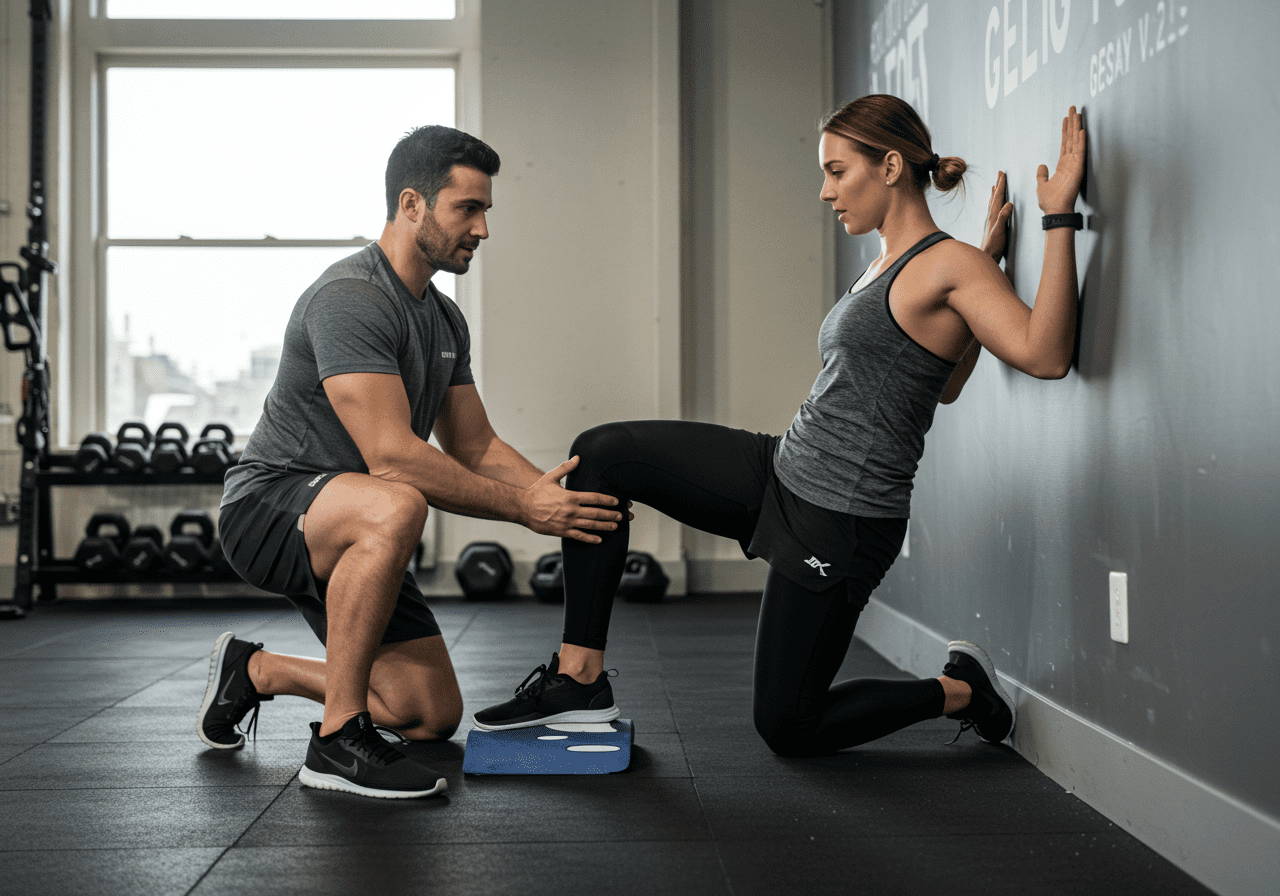
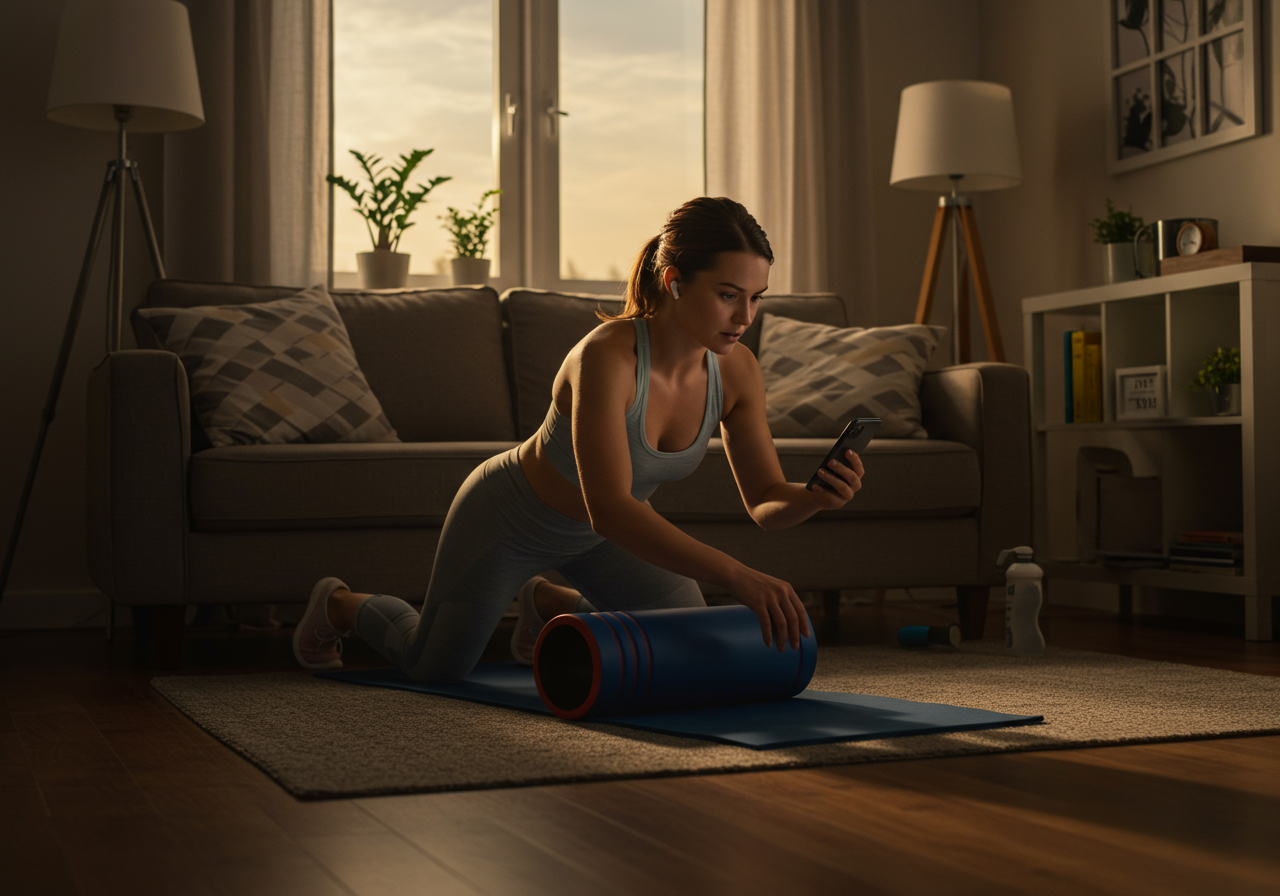
Mobility (daily, 8–12 minutes): hips, thoracic spine, ankles, plus two movement prep drills before workouts.
NEAT and steps: aim 7–10k steps on non-running days. Use watch reminders to break long sitting.
Fuel and recover: protein 1.6–2.2 g/kg/day; carbs around training; 7–9 hours sleep. Consider creatine 3–5 g/day; caffeine 60–90 minutes pre-hard sessions if tolerated.
End-of-day checks: review training load, time in zone, and sleep. If HRV dips and resting HR rises for two days, reduce intensity the next day.
Personal example: during my last 8-week 10K rebuild (Garmin + Polar H10), Zone 2 sat at 135–145 bpm. Long run pace moved from about 5:25/km to roughly 4:55/km as volume rose modestly. In the weight room, my 5×5 back squat increased from ~80 kg to ~95 kg while HRV remained stable by keeping easy days truly easy.
Client note — Maya (new runner): “Using a Fitbit for sleep and a borrowed chest strap for runs, I kept most miles in Zone 2. In 10 weeks, stairs at work stopped winded me, and my resting HR dropped from high 70s to low 60s.”
Progress From Beginner to Advanced Using HRV and Zones
Advance methodically. Use HR zones, HRV trends, and perceived effort (RPE) to pace increases.
Progression overview — adjust by readiness (HRV) and RPE.
Weeks 1–2 (Beginner): 3× Zone 2 (25–35 min), 2× full-body strength (2×10 @ RPE 6), 8–10k steps/day; Focus: technique, consistency.

Weeks 3–4: 3–4× Zone 2 (30–45 min), add 4×1 min strides, strength 3×8 @ RPE 7; Mobility daily 8 min; Sleep 7.5+ h.

Weeks 5–6 (Intermediate): 2× Zone 2 (40–60 min), 1× tempo 2×8–10 min, 1× hills 6×45 sec; Strength 3×6–8 @ RPE 7–8; Steps 8–12k.

Weeks 7–8: 2× Zone 2 (45–60 min), 1× intervals 6×2 min, 1× long easy + strides; Strength 4×6 main lift + accessories; Deload if HRV low 3 days.

Weeks 9–10 (Advanced): Polarized 80/20 split; 1× long run (75–90 min Z2), 1× threshold 3×8–10 min, 1× short intervals 10×1 min; Strength 3–5 reps heavy (RPE 8) + plyos.

Weeks 11–12: Maintain volume, sharpen intensity; Test 5K or 20-min time trial; Strength reduce volume 30–40% test week; Mobility 12–15 min/day.
Strength specifics: add 2.5–5 kg to compound lifts when you can complete all prescribed reps at the target RPE and next morning HRV is near your weekly average. If soreness or resting HR is elevated, hold or reduce.
Cardio specifics: increase weekly time-in-zone by 10–15% maximum if HRV is stable and you feel fresh. If HRV dips for two consecutive days, cut intensity and return to Zone 2.
Avoid Common Mistakes and Troubleshoot Training Plateaus
Frequency: start with 4–5 total sessions weekly (cardio 3–4, strength 2–3, mobility daily).
Intensity anchors: primary—HR zones; secondary—RPE; tertiary—pace/power. Keep easy days easy.
Common mistakes: chasing calories burned, ignoring sleep, doing threshold too often, and upgrading gear before upgrading habits.
Troubleshooting plateaus: add a deload week, adjust zone boundaries using a fresh threshold effort, swap one tempo for strides, or vary terrain.
Injury prevention: progress running volume gradually, rotate shoes, lift year-round, and use soft surfaces. Stop sessions if sharp pain alters your form.
Nutrition: protein 1.6–2.2 g/kg/day, carbs around hard sessions, electrolytes in heat. Creatine 3–5 g/day is well-supported; caffeine helps performance but can disturb sleep—time it carefully.
Validation: compare 4–6 week metrics—resting HR trends down, HRV steadier, Zone 2 pace faster at same HR, and strength reps or load up. In my client groups, most see noticeable 5K pace and energy improvements within 8–12 weeks when they stay consistent with zones and recovery.
Next steps: sync your accounts (Garmin/Strava/MyFitnessPal), print the progression, and book a baseline test date.
Medical Disclaimer: The information provided on this website is for informational and educational purposes only and is not intended as personal medical or health advice. The content, including text, graphics, and images, is not a substitute for professional medical advice, diagnosis, or treatment. Always seek the advice of your physician or other qualified healthcare provider…
Medical Disclaimer: The information provided on this website is for informational and educational purposes only and is not intended as personal medical or health advice. The content, including text, graphics, and images, is not a substitute for professional medical advice, diagnosis, or treatment. Always seek the advice of your physician or other qualified healthcare provider…
Medical Disclaimer: The information provided on this website is for informational and educational purposes only and is not intended as personal medical or health advice. The content, including text, graphics, and images, is not a substitute for professional medical advice, diagnosis, or treatment. Always seek the advice of your physician or other qualified healthcare provider…
Medical Disclaimer: The information provided on this website is for informational and educational purposes only and is not intended as personal medical or health advice. The content, including text, graphics, and images, is not a substitute for professional medical advice, diagnosis, or treatment. Always seek the advice of your physician or other qualified healthcare provider…
This content is for general informational purposes only. Downloadable program PDFs are often used to present structured plans with clear steps and tracking elements. A well-organized format can make it easier to follow and complete. A practical approach is to define a clear goal, organize steps logically, include tracking elements, and provide simple follow-up actions….
Medical Disclaimer: The information provided on this website is for informational and educational purposes only and is not intended as personal medical or health advice. The content, including text, graphics, and images, is not a substitute for professional medical advice, diagnosis, or treatment. Always seek the advice of your physician or other qualified healthcare provider…