Medical Disclaimer: The information provided on this website is for informational and educational purposes only and is not intended as personal medical or health advice. The content, including text, graphics, and images, is not a substitute for professional medical advice, diagnosis, or treatment. Always seek the advice of your physician or other qualified healthcare provider with any questions you may have regarding a medical condition or before starting any new exercise, nutrition, or supplement program. Never disregard professional medical advice or delay in seeking it because of something you have read on this blog. Reliance on any information provided by this site is solely at your own risk.
eccentric training can treat and prevent tendinopathy when you load tendons gradually, respect pain, and progress with intent. This guide shows a full, beginner-friendly system that fits real life.
Direct answer: Do slow, controlled eccentrics for the sore tendon 3–4 days weekly for 6–12 weeks, adding load while pain stays mild (≤3/10). You will learn exact exercises, progressions, cardio integration, nutrition and recovery, tracking methods, and safety cues.
Tendinopathy reflects a mismatch between tendon capacity and the loads we place on it. Eccentric loading helps realign collagen, improves tendon stiffness, and can provide a short-term analgesic effect when dosed well. In peer‑reviewed studies, eccentrics and heavy slow resistance often outperform rest and generic stretching for pain and function over 6–12 weeks, though outcomes vary by tendon and person.
Compared with isometrics (useful to calm pain) and concentric work (good later), eccentrics emphasize controlled lengthening under load—exactly the stimulus many sore tendons have missed. In coaching practice, combining a small dose of isometrics early with steady eccentric progression plus low‑impact cardio has consistently reduced morning stiffness and improved tolerance to activity.
My own Achilles grumbled after an overzealous hill block; slow heel‑lowering paired with easy cycling and better sleep brought it back. Clients report similar patterns: when we keep pain ≤3/10 and avoid abrupt spikes, capacity climbs without flare‑ups.
How to Apply Eccentric Protocols Safely
Warm‑up (5–8 min) — Easy bike or brisk walk, then gentle joint prep (ankle circles, knee flex/extend, wrist circles, hip shifts). No aggressive end‑range stretching.
Pain rule — Up to 3/10 discomfort during sets is acceptable if it settles within 24 hours and morning stiffness does not worsen. If pain jumps to 4/10+ or lingers next day, reduce load or volume.
Achilles tendon (heel drop on step) — Rise up with both feet; shift to the sore side; lower for 4–6 seconds until heel is below step; use both feet to come back up. Do straight‑knee and bent‑knee versions. 3–4 sets of 6–8 reps, 3–5 days/week. Add a backpack or dumbbell as you adapt.
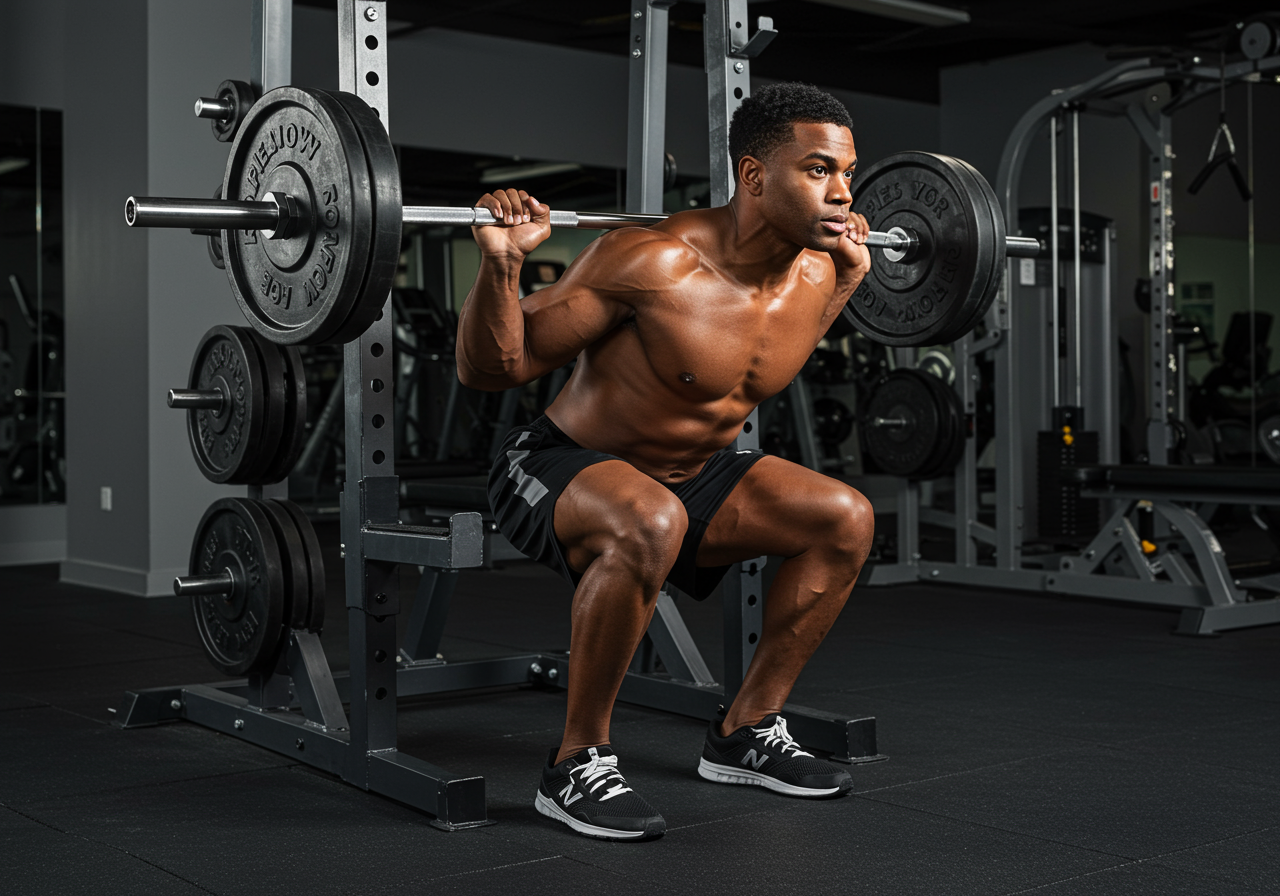
Patellar tendon (decline eccentric squat) — Stand on a 15–25° decline board or a sturdy ramp. Hold a support. Lower for 4–6 seconds to a pain‑tolerant depth; stand up using hands or other leg to de‑load the concentric. 3–4 sets of 6–8 reps, 3 days/week. Progress load via weight vest or dumbbells.
Lateral elbow (wrist extensor eccentric) — Forearm supported, palm down. Lift the dumbbell with the other hand, then slowly lower (4–6 seconds) with the sore side. 3–4 sets of 8–12 reps, 3–4 days/week. Start very light.
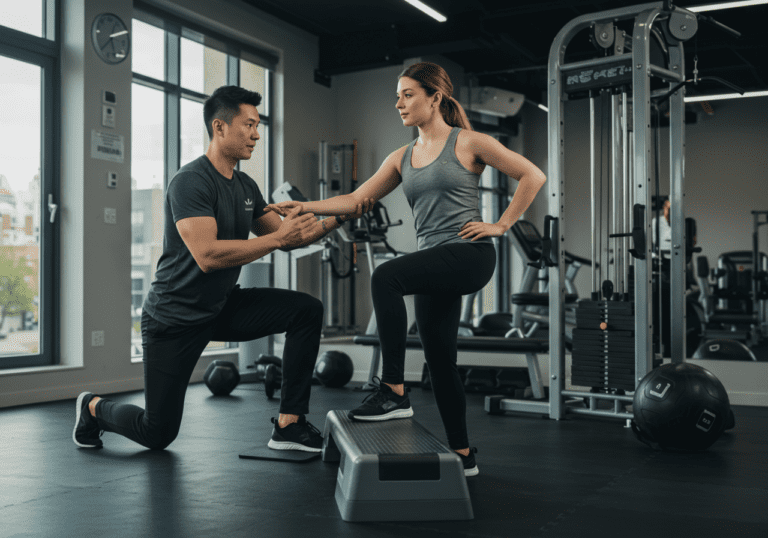
Gluteal tendon (hip hitch / step‑down) — Stand on a small step. Keep hips level and knee tracking over toes. Slowly lower the free leg to tap the floor (4–6 seconds), then return using assistance if needed. 3–4 sets of 6–10 reps, 3 days/week. Avoid hip adduction positions that compress the tendon.
Tempo & load — Use a 0–5–0–1 tempo (no bounce, 5‑second lowering, minimal pause, assist up). Increase weight when RPE ≤7 and symptoms remain stable for 24 hours. If flared, cut volume by ~30–50% for 48–72 hours, then resume.
Cardio integration — 20–30 minutes of low‑impact Zone 2 (easy conversational pace) on 2–3 nonconsecutive days: cycling, elliptical, brisk walk, pool running. This boosts circulation without overloading the tendon.
Whole‑body balance — Keep training the rest of the body. Use non‑provocative moves (e.g., goblet squats to a box for knee issues, hip hinge for Achilles, rows for elbow). Two short full‑body sessions/week maintain strength and mood.
Recovery & nutrition — Aim for 1.6–2.2 g/kg/day protein, plenty of colorful produce, and 7–9 hours sleep. Some athletes find benefit from 10–15 g gelatin or collagen plus vitamin C 30–60 minutes before loading; consider discussing this with a clinician.
Tracking tools — Log pain (0–10), reps, and load in a notes app. Use Garmin/Fitbit for HR zones; Strava for cardio. MyFitnessPal helps ensure enough protein. I also jot morning stiffness minutes—if it rises, I adjust volume that day.
Client note: “By week four, the slow lowers felt strong and my morning walk didn’t sting. The log kept me honest.” — Maya, desk‑based runner
Beginner to Advanced Progressions
Use this simple path to scale from pain‑calming work to sport‑ready capacity.
Progression overview (adjust pace to symptoms)

Level 1 (Weeks 1–2): 5 x 30–45s isometrics daily; introduce light eccentrics 2–3 x 6 with long lowers; easy Zone 2 cardio 2–3x/week

Level 2 (Weeks 3–4): Eccentrics 3–4 x 6–8 @ 4–6s lowering, 3–4 days/week; add small external load; maintain Zone 2

Level 3 (Weeks 5–8): Heavy‑slow eccentrics 4 x 6–8, progress load when pain ≤3/10; optional concentric assistance; begin return‑to‑impact (e.g., walk‑jog intervals) if morning stiffness stable

Level 4 (Weeks 9–12+): Blend eccentrics with tempos and isotonics (2–3s up, 4s down); introduce low‑dose plyometrics 1–2x/week if tolerated; reduce eccentric frequency to 2–3x/week while maintaining strength

Return to sport: Gradually increase sport volume 10–20% weekly if pain and next‑day stiffness remain stable
Caption: Plain‑text table summarizing weekly progression from pain relief to performance.
Beginner cues — Prioritize technique and tempo. Use rails or hands to help the up phase. Stop each set with 1–2 reps in reserve.
Intermediate cues — Add load steadily, not daily. Consider alternating straight‑knee and bent‑knee Achilles work, or decline angles for patellar tendons.
Advanced cues — Keep some eccentric volume while layering performance elements: split‑squat isometrics, tempo squats, short‑contact hops or pogos (if pain‑free next day). Reassess weekly.
Programming Tips and Safety
Frequency — Most do well with 3–4 eccentric sessions/week for the affected tendon, spaced to allow adaptation. Cardio 2–3x/week, full‑body strength 2x/week.
Intensity — Eccentrics should feel challenging by the last 2–3 reps but controlled (RPE 7–8). If form slips or pain rises above 3/10, reduce load or shorten sets.
Common mistakes — Rushing load jumps; bouncing through the bottom; aggressive static stretching into compression; ignoring the soleus (bent‑knee calf) for Achilles; neglecting sleep and protein.
Troubleshooting — Plateau: extend tempo to 6 seconds, add a small incline/decline, or insert a deload week (−30% volume). Overtraining flags: rising morning stiffness, poor sleep, irritability—cut volume and add an extra rest day. Motivation dips: track streaks in your app, schedule short sessions you can’t miss.
Monitoring — Watch morning stiffness minutes, the single‑leg calf‑raise count, and weekly pain trends. Consider tendon‑specific questionnaires (e.g., VISA‑A/VISA‑P) to quantify progress.
Safety — If pain spikes or you suspect a tear, pause loading and consult a licensed clinician. Diabetics and those with systemic conditions should individualize plans with medical guidance.
Next steps — Keep logging, review weekly, and adjust one variable at a time.
Medical Disclaimer: The information provided on this website is for informational and educational purposes only and is not intended as personal medical or health advice. The content, including text, graphics, and images, is not a substitute for professional medical advice, diagnosis, or treatment. Always seek the advice of your physician or other qualified healthcare provider…
Medical Disclaimer: The information provided on this website is for informational and educational purposes only and is not intended as personal medical or health advice. The content, including text, graphics, and images, is not a substitute for professional medical advice, diagnosis, or treatment. Always seek the advice of your physician or other qualified healthcare provider…
Medical Disclaimer: The information provided on this website is for informational and educational purposes only and is not intended as personal medical or health advice. The content, including text, graphics, and images, is not a substitute for professional medical advice, diagnosis, or treatment. Always seek the advice of your physician or other qualified healthcare provider…
Medical Disclaimer: The information provided on this website is for informational and educational purposes only and is not intended as personal medical or health advice. The content, including text, graphics, and images, is not a substitute for professional medical advice, diagnosis, or treatment. Always seek the advice of your physician or other qualified healthcare provider…
Medical Disclaimer: The information provided on this website is for informational and educational purposes only and is not intended as personal medical or health advice. The content, including text, graphics, and images, is not a substitute for professional medical advice, diagnosis, or treatment. Always seek the advice of your physician or other qualified healthcare provider…
Medical Disclaimer: The information provided on this website is for informational and educational purposes only and is not intended as personal medical or health advice. The content, including text, graphics, and images, is not a substitute for professional medical advice, diagnosis, or treatment. Always seek the advice of your physician or other qualified healthcare provider…

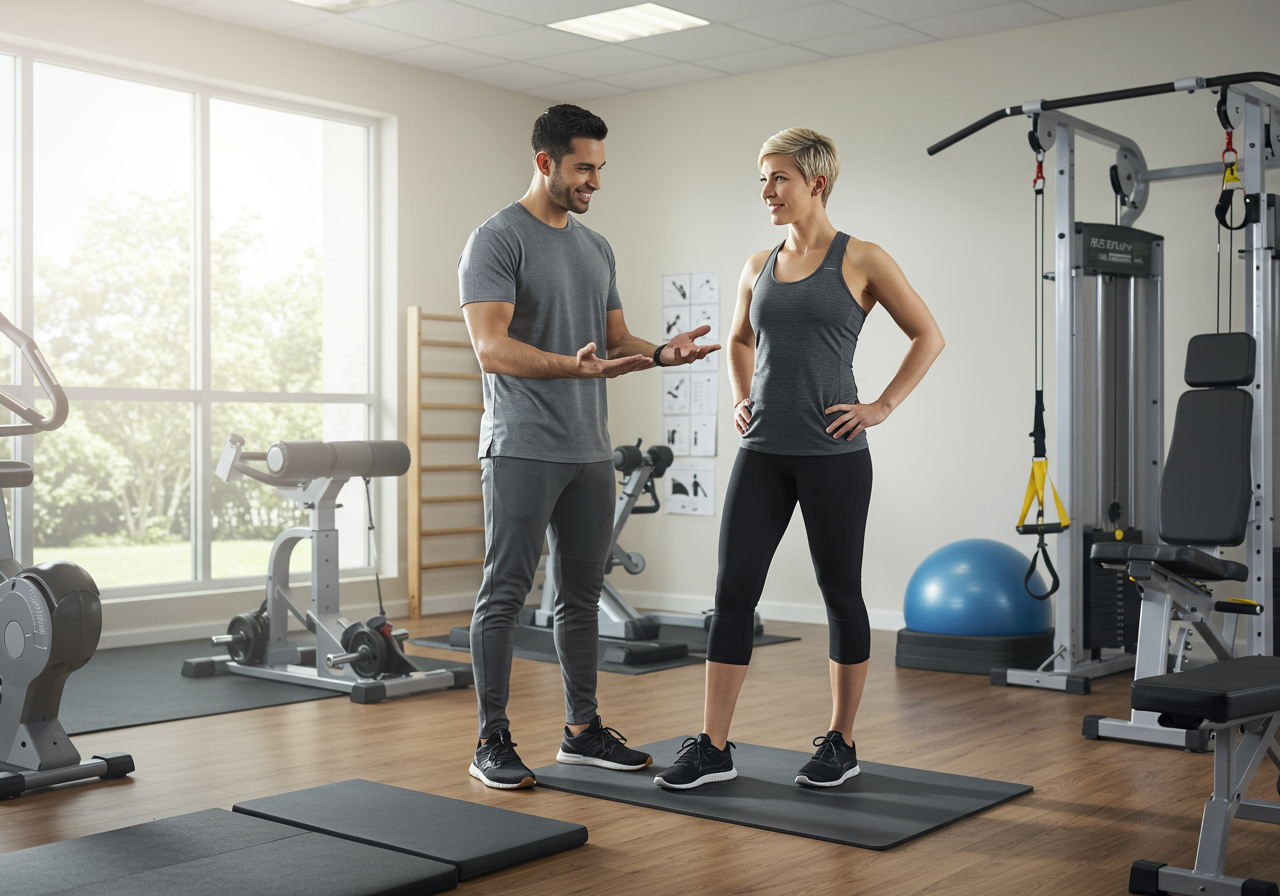 eccentric training can treat and prevent tendinopathy when you load tendons gradually, respect pain, and progress with intent. This guide shows a full, beginner-friendly system that fits real life.