Medical Disclaimer: The information provided on this website is for informational and educational purposes only and is not intended as personal medical or health advice. The content, including text, graphics, and images, is not a substitute for professional medical advice, diagnosis, or treatment. Always seek the advice of your physician or other qualified healthcare provider with any questions you may have regarding a medical condition or before starting any new exercise, nutrition, or supplement program. Never disregard professional medical advice or delay in seeking it because of something you have read on this blog. Reliance on any information provided by this site is solely at your own risk.
Cross-training strategies reduce repetitive stress and help beginners avoid overuse injuries while building cardio, strength, and mobility. You will learn how to rotate modalities, set intensities, and track recovery.
The quickest way to prevent overuse injuries is to rotate training stresses weekly and match volume to recovery signals.
By the end, you will have a simple weekly map, a 12-week progression, nutrition and recovery guidelines, and troubleshooting tactics used with real clients.
Rotate Training Stress to Prevent Overuse Injuries
Overuse injuries often arise when one tissue is asked to handle the same load pattern too frequently. Muscles adapt quickly, but tendons, fascia, and bone usually lag. Cross-training spreads stress across different tissues and joints, letting one area recover while another gets the workload.
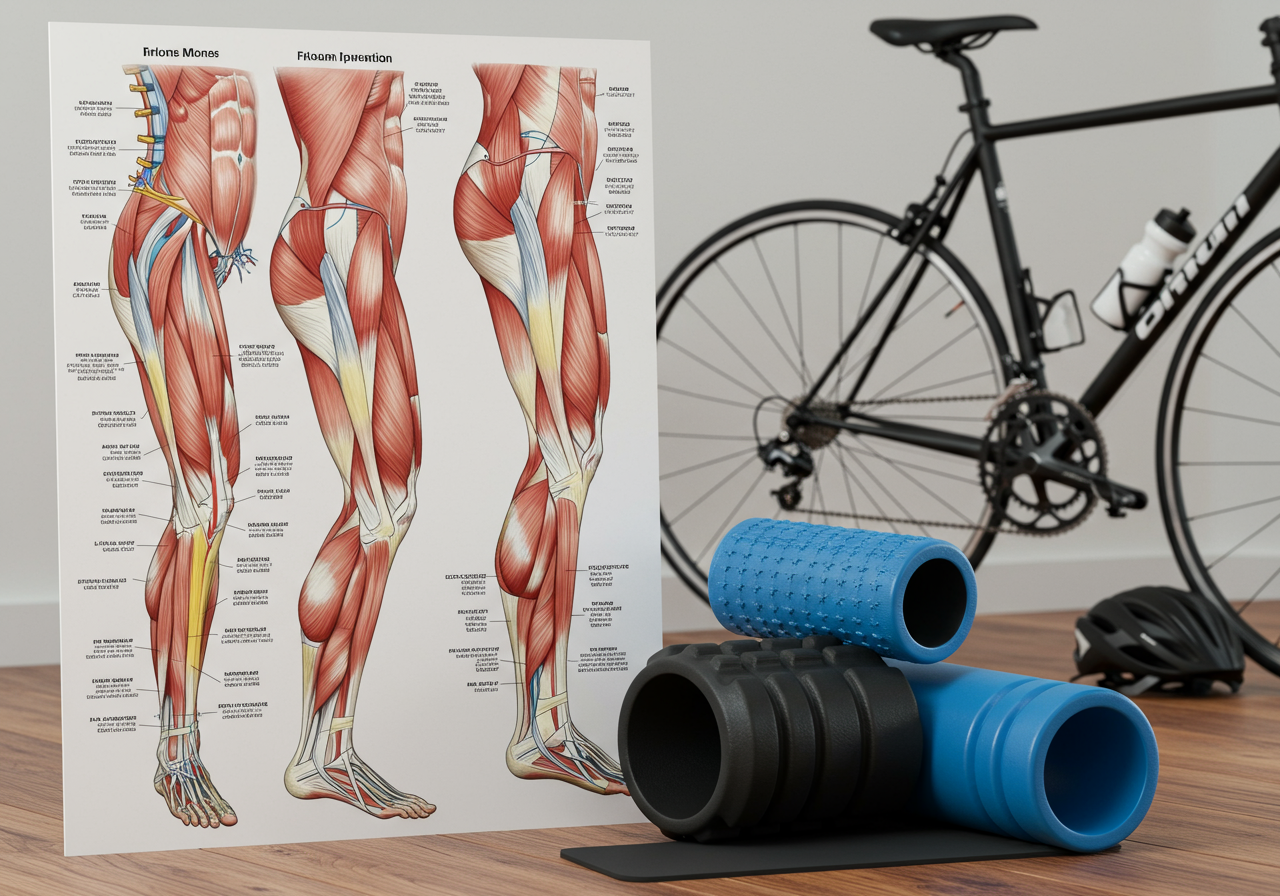
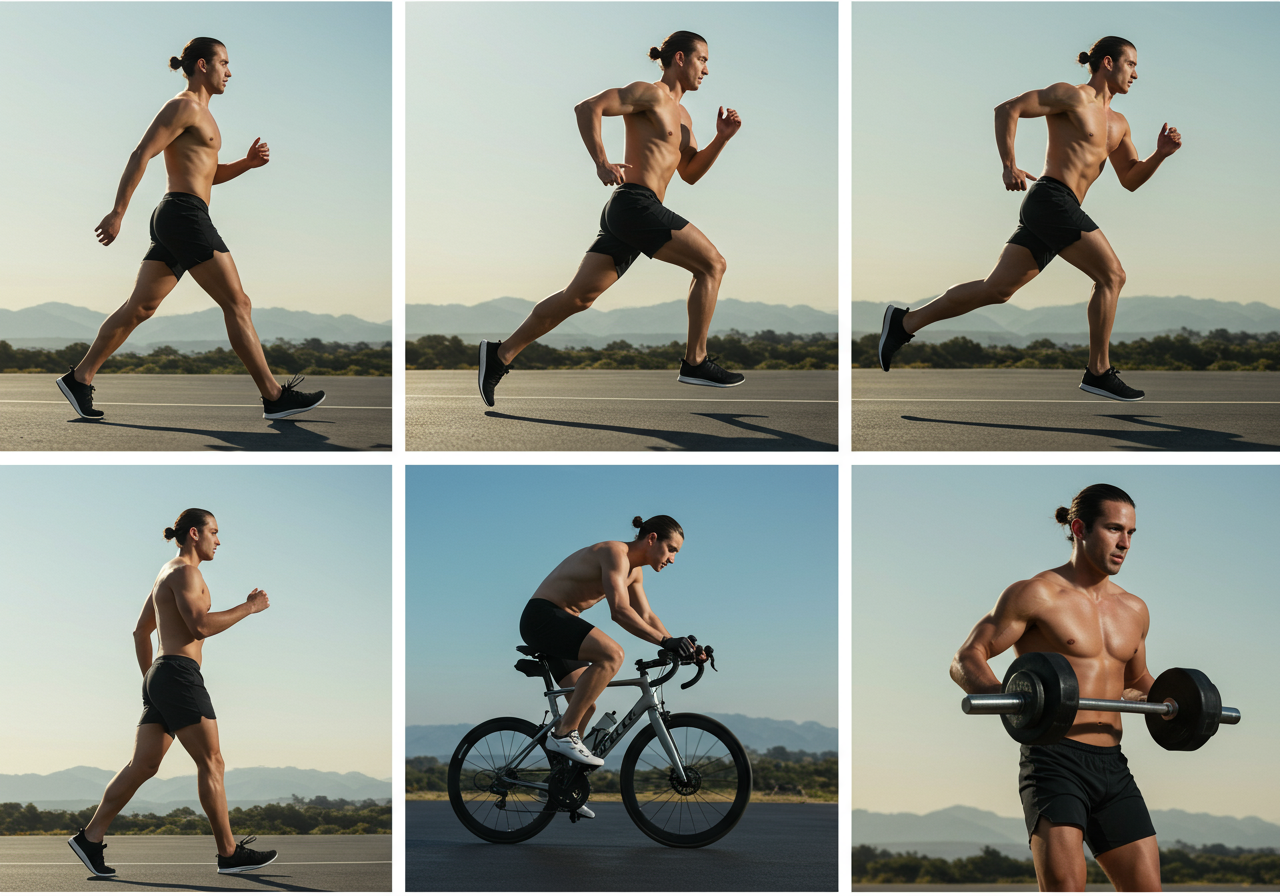
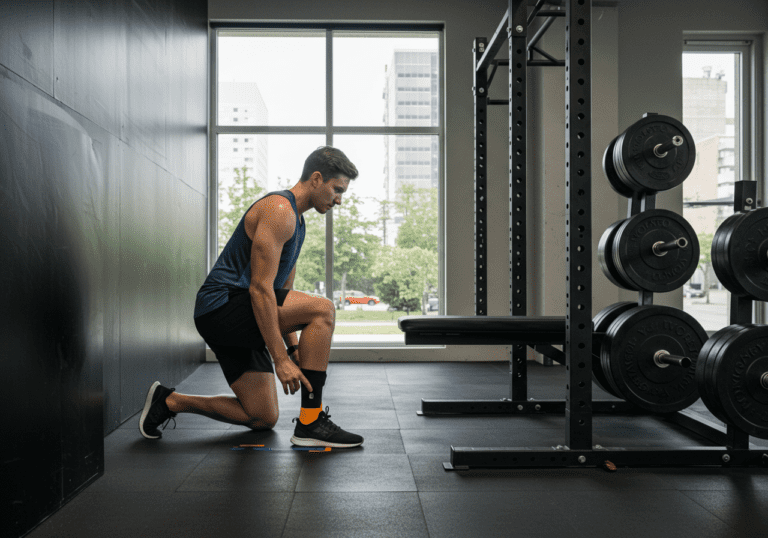
Low-impact cardio (bike, row, swim) builds aerobic capacity without the pounding from running. Strength training adds capacity to tendons and muscles, improves joint control, and stabilizes common weak links like hips and ankles. Mobility practice preserves range of motion and reduces compensations that concentrate stress.
A peer-reviewed study trend suggests varied loading reduces repetitive strain risk compared with single-modality programs, especially when volume is progressed gradually. In my coaching practice, this approach consistently calms hot spots like achy knees or tender Achilles while fitness still climbs.
Client note: After a desk-heavy pandemic year, Maya alternated biking and strength with short, technique-focused runs. She messaged, “Two weeks in, my knees felt calmer. By week six, easy runs were painless.” While results vary, this pattern shows up often in my logs.
Spread Load Across Tissues With Varied Modalities
Step 1 — Audit (10 minutes): List your last two weeks of training by type, minutes, and any soreness (0–10). Circle the repeating stressor (often running or a single lift).
Step 3 — Set intensities: Most endurance work at conversational effort (Zone 2; RPE 4–5). Short intervals 1–2 times weekly (RPE 7–8). Strength mostly RPE 6–7 with clean technique.
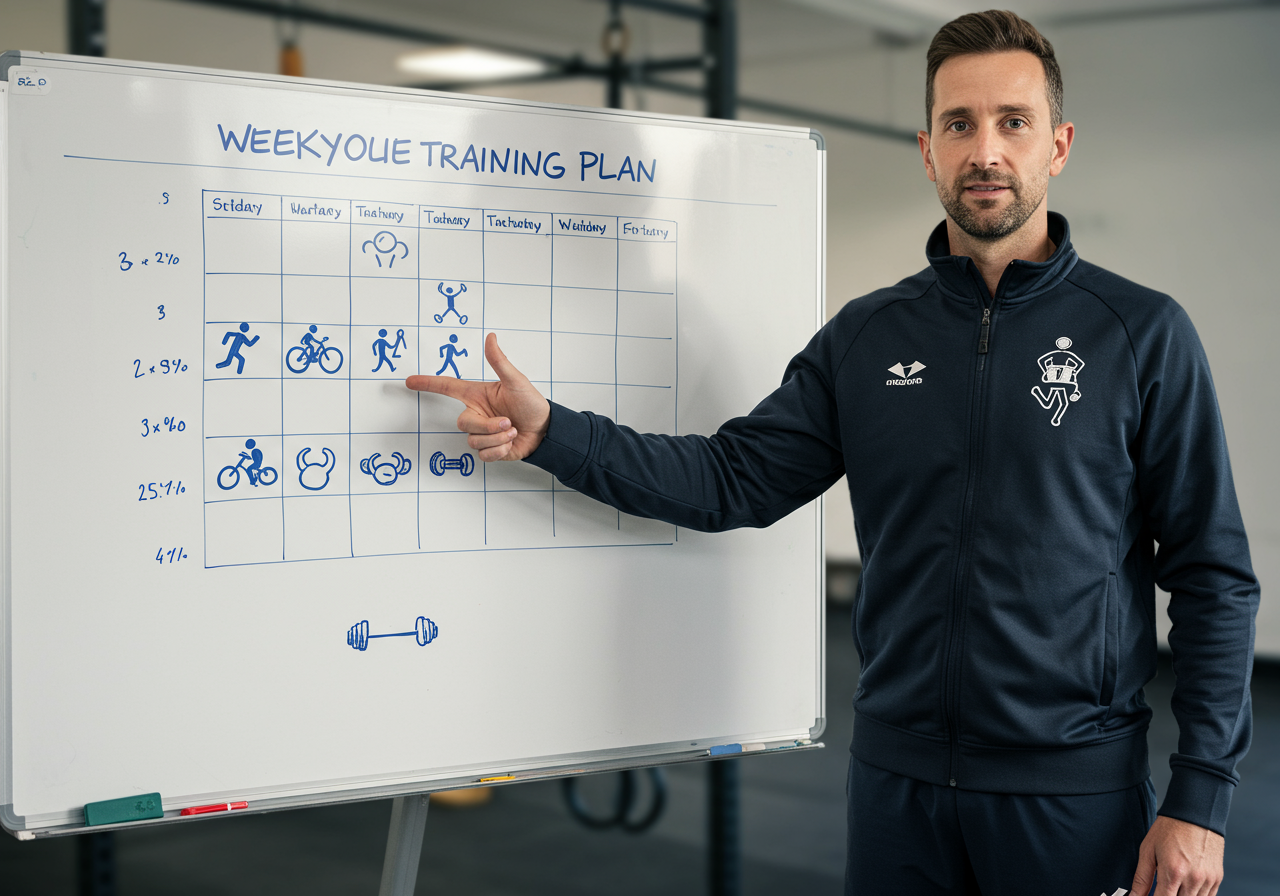
Step 4 — Build a simple rotation (example week):
Mon — Run technique + strides: 20–30 min Zone 2, then 4–6 x 15–20 s relaxed strides; easy walk recovery.
Tue — Strength (lower + core): Goblet squat 3×8, hip hinge 3×8, split squat 2×10/leg, side plank 3×20–30 s. Rest 90 s.
Wed — Bike or Row Zone 2: 30–45 min steady, nasal breathing, smooth cadence.
Thu — Mobility + Upper Strength: Shoulder pull-aparts 3×15, incline push-ups 3×8–12, band rows 3×12, ankle/hip mobility 10–15 min.
Fri — Low-impact intervals: 6–8 x 1 min @ RPE 7 with 2 min easy.
Sat — Hike or brisk walk 45–60 min; finish with calf/hip stretches 8–10 min.
Sun — Rest or gentle yoga 20–30 min.
Step 5 — Warm-up and cool-down: 5–8 min easy movement (march, arm circles, leg swings). Finish with 3–5 min easy cardio and light stretches.
Step 6 — Track the signals: Log sessions in Strava or Garmin. Note morning stiffness, localized soreness (0–10), and RPE. If soreness sticks above 4/10 for three days, swap the next impact day for low-impact.
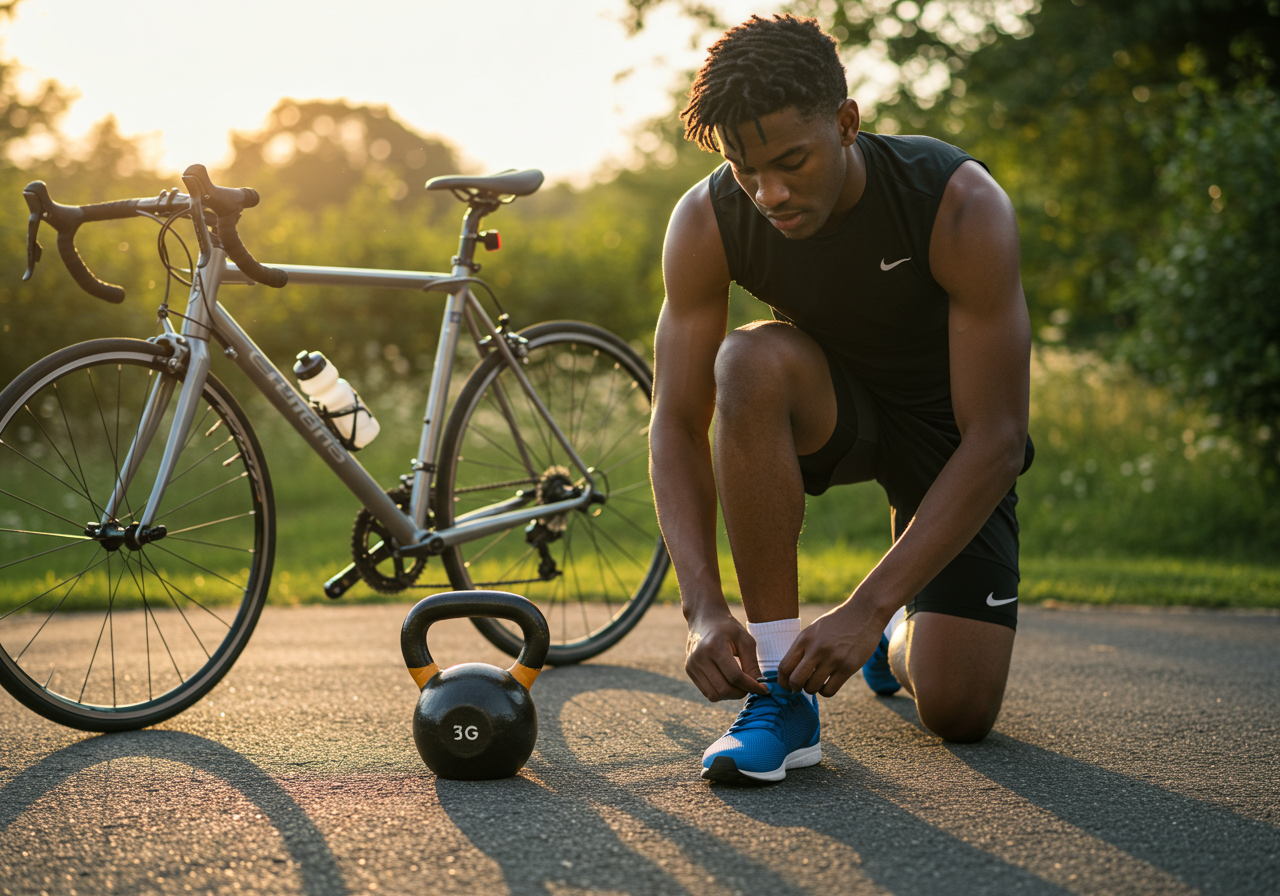
From the field: In my own base-building weeks, I rotate a 30–40 min Zone 2 run, a 45 min bike, a 35 min row, and two 30–40 min strength sessions. Heart rate sits in comfortable conversational range, and I keep strength at loads where the last two reps slow but stay smooth.
Audit, Pick Pillars, Set Intensities, Build Rotation
Use this 12-week map to build capacity safely. If any hotspot lingers, hold the week or reduce volume by 20% and retry.
Caption: Progression overview — rotate stressors while increasing capacity slowly.
Week 1–2: 3 cardio (2 low-impact, 1 short run), 2 strength, 1 mobility. Run 10–20 min Z2; bike/row 25–35 min Z2. Strength 3x8 light.

Week 3–4: 3 cardio (1 low-impact intervals, 1 run Z2, 1 bike Z2), 2 strength, 1 mobility. Run 15–25 min. Add strides. Strength 3x8–10 moderate.

Week 5–6: 4 cardio (2 low-impact incl. 1 interval, 1 run technique, 1 hike/walk), 2 strength. Run 20–30 min. Strength add hinge/split squat volume; RPE 6–7.

Week 7 (deload): Reduce total volume ~30–40%. Keep frequency, cut sets/minutes, no hard intervals.

Week 8–9: 4 cardio (1 tempo row/bike 10–15 min at RPE 6–7 inside session), 2 strength with slightly heavier top sets (2x6 at RPE 7), 1 mobility.

Week 10–11: 4 cardio (2 low-impact incl. intervals 8x1 min, 1 run 25–35 min Z2, 1 hike), 2–3 strength alternating upper/lower. Introduce single-leg work.

Week 12: Rebalance: Choose preferred modality test — 20–30 min steady effort or a relaxed time trial. Keep strength light for freshness.
Advancing rules: If you finish sessions with solid form and soreness ≤3/10 next morning, add 5–10% volume the next similar workout. If RPE spikes or sleep drops, hold or deload.
12-Week Map From Basics to Advanced Capacity
Frequency: Start with 5–6 sessions/week, but keep most short and easy. Pair one impact day with one low-impact day before a strength day. Avoid stacking two high-impact days.
Intensity guardrails: 70–80% of cardio should feel conversational. Save hard intervals for one session weekly at first. Strength stays technical; leave 2–3 reps in reserve.
Recovery and nutrition: Aim for protein around 1.6–2.2 g/kg bodyweight, carbs around training, and total calories that support energy (use MyFitnessPal or Cronometer to sanity check). Hydrate to pale-yellow urine. Sleep 7–9 hours with a consistent wind-down. Simple supplements that may help some people: creatine monohydrate (3–5 g/day), vitamin D if deficient, omega-3s; consult your clinician.
Troubleshooting:
Plateau: Reduce total impact minutes by 20% for 1–2 weeks and increase low-impact volume or technique drills.
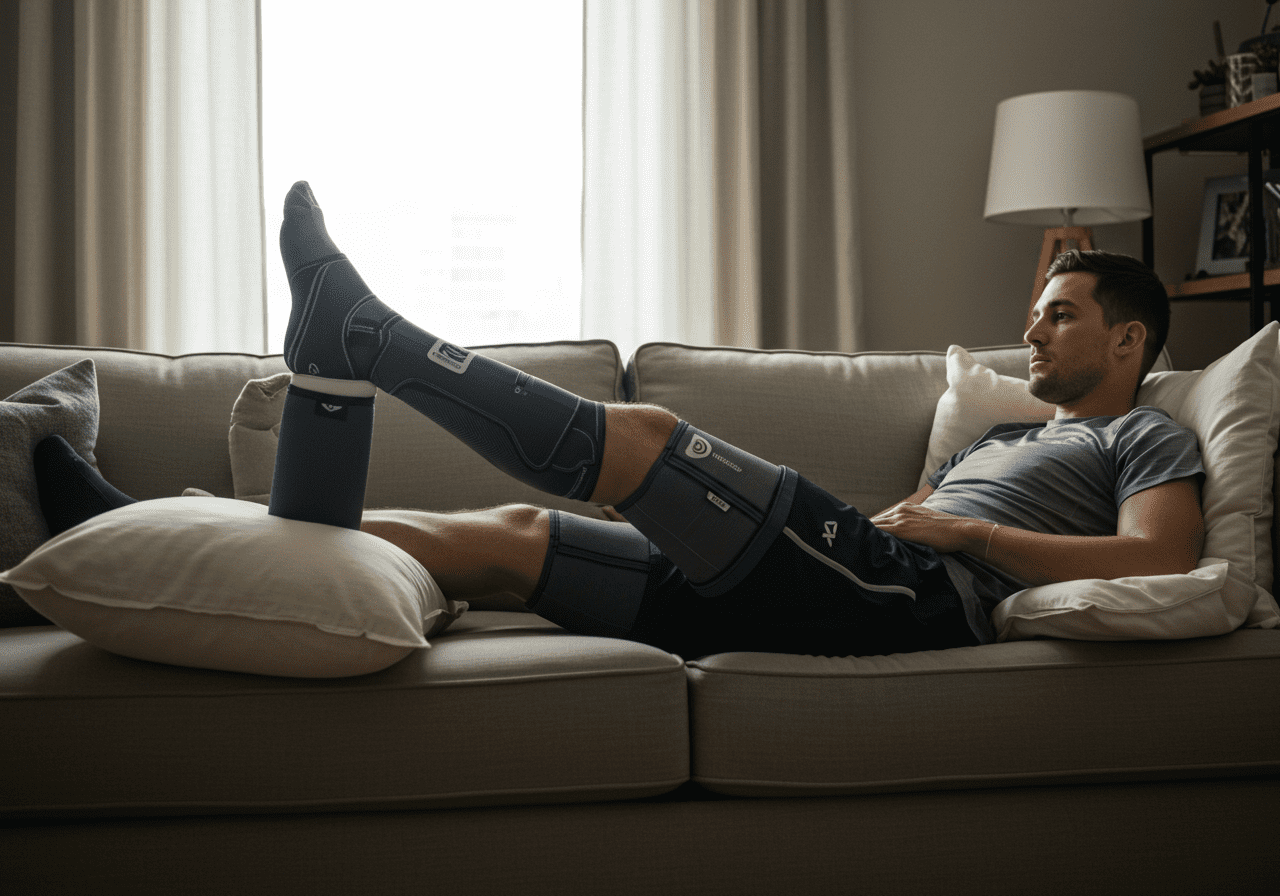
Hotspot pain: Swap run/jump sessions for bike/row; keep strength but shorten range or reduce load. Pain persisting >7–10 days warrants a qualified medical check.
Motivation dips: Shorten sessions to 10–20 min “minimum effective” workouts and schedule them at the same time daily. Habit beats hype.
Data to watch: Morning stiffness, localized soreness 0–10, RPE, and sleep. Tools like Garmin, Fitbit, or Oura help spot trends.
Validation: In practice, clients using this rotation often report fewer flare-ups and steady aerobic and strength gains within a couple of months. One runner’s note read, “I can bike hard midweek and still run pain-free on Saturday.” Your outcomes may differ, but the pattern is common.
Next steps: Save this plan, log two weeks, and adjust one variable at a time.
Medical Disclaimer: The information provided on this website is for informational and educational purposes only and is not intended as personal medical or health advice. The content, including text, graphics, and images, is not a substitute for professional medical advice, diagnosis, or treatment. Always seek the advice of your physician or other qualified healthcare provider…
Medical Disclaimer: The information provided on this website is for informational and educational purposes only and is not intended as personal medical or health advice. The content, including text, graphics, and images, is not a substitute for professional medical advice, diagnosis, or treatment. Always seek the advice of your physician or other qualified healthcare provider…
Medical Disclaimer: The information provided on this website is for informational and educational purposes only and is not intended as personal medical or health advice. The content, including text, graphics, and images, is not a substitute for professional medical advice, diagnosis, or treatment. Always seek the advice of your physician or other qualified healthcare provider…
Medical Disclaimer: The information provided on this website is for informational and educational purposes only and is not intended as personal medical or health advice. The content, including text, graphics, and images, is not a substitute for professional medical advice, diagnosis, or treatment. Always seek the advice of your physician or other qualified healthcare provider…
Medical Disclaimer: The information provided on this website is for informational and educational purposes only and is not intended as personal medical or health advice. The content, including text, graphics, and images, is not a substitute for professional medical advice, diagnosis, or treatment. Always seek the advice of your physician or other qualified healthcare provider…
Medical Disclaimer: The information provided on this website is for informational and educational purposes only and is not intended as personal medical or health advice. The content, including text, graphics, and images, is not a substitute for professional medical advice, diagnosis, or treatment. Always seek the advice of your physician or other qualified healthcare provider…