Medical Disclaimer: The information provided on this website is for informational and educational purposes only and is not intended as personal medical or health advice. The content, including text, graphics, and images, is not a substitute for professional medical advice, diagnosis, or treatment. Always seek the advice of your physician or other qualified healthcare provider with any questions you may have regarding a medical condition or before starting any new exercise, nutrition, or supplement program. Never disregard professional medical advice or delay in seeking it because of something you have read on this blog. Reliance on any information provided by this site is solely at your own risk.
Active recovery days unlock better long‑term gains by helping you train more often without feeling wrecked. Use light movement (Zone 1–2), mobility, and breath work between hard days to speed healing and preserve adaptations.
In this guide, you’ll learn exactly how to schedule easy days, what to do on them, and how to progress from beginner to advanced without losing momentum. I’ll share client wins, my own mistakes, and the tracking methods that keep results moving.
Easy movement increases circulation without adding damaging stress. That boosts nutrient delivery, clears metabolic byproducts, and nudges the nervous system toward a calmer, parasympathetic state. In practice studies, athletes who include low‑intensity sessions often tolerate more total training and return fresher for key days.
For strength, light aerobic work and mobility can reduce joint stiffness and maintain range of motion, so your next squat or press session feels smoother. For endurance, maintaining most volume at low intensity supports aerobic enzymes and capillarization. A peer‑reviewed study trend suggests that a high percentage of low‑intensity work correlates with better long‑term aerobic gains.
Personal note: when I added two easy 30‑minute Zone 2 spins after heavy lifts, my morning resting heart rate stabilized and my legs stopped feeling cement‑heavy on intensity days. One client, Maya, told me, “The green check in Garmin finally matched how I felt—ready.” Another client, Luis, said, “Two mellow walk‑and‑mobility days kept my knee happy while my deadlift went up each month.”
How to Design Your Active Recovery Sessions
Goal: Reduce fatigue, keep blood flowing, and reinforce movement quality without adding stress.
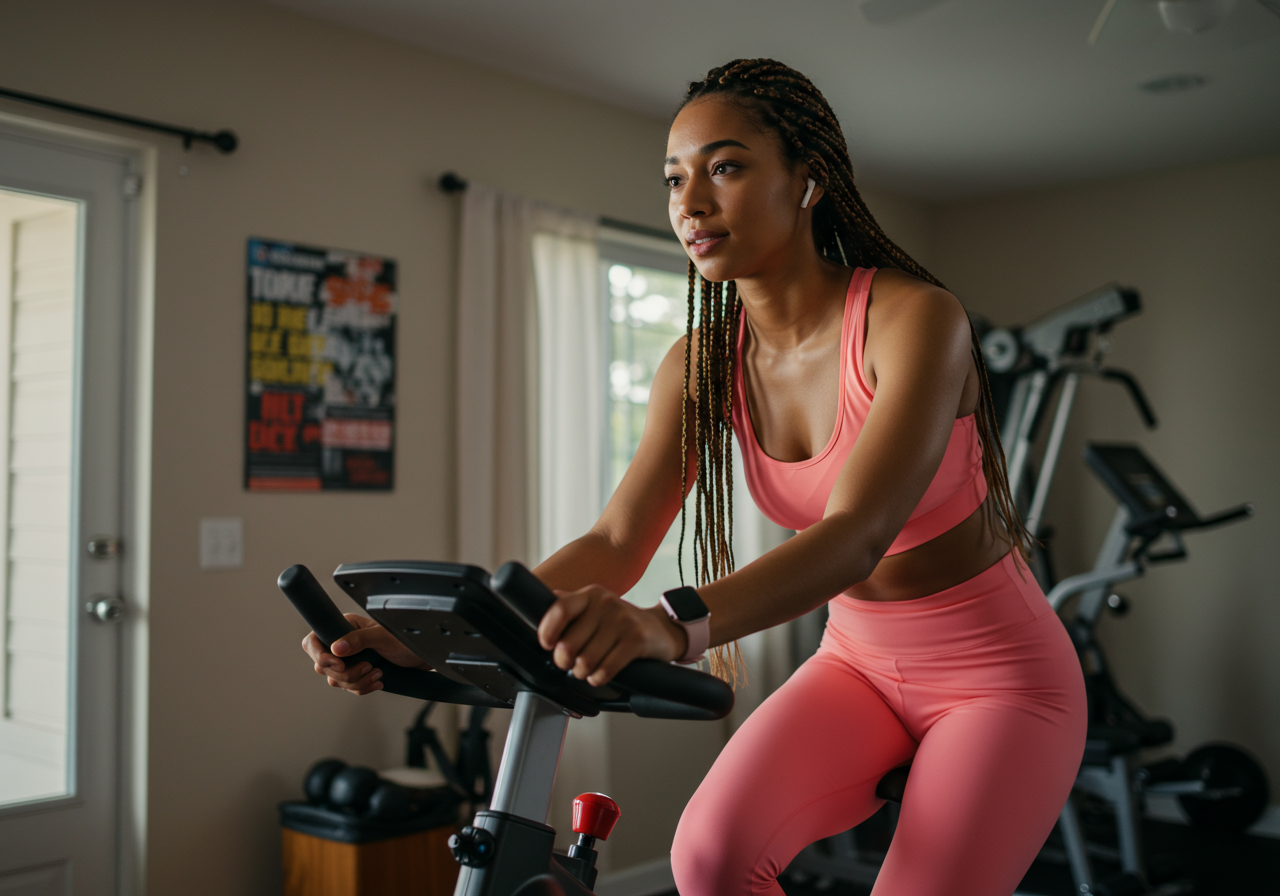
Pick the modality: 20–40 minutes of easy walking, light cycling, pool walking, or elliptical. If joints are cranky, choose non‑impact options.
Set the effort: Keep to Zone 1–2. Talk test: full sentences with nasal breathing. RPE 2–4 out of 10. If your watch shows decoupling or HR drift rising quickly, slow down.
Add mobility (8–12 minutes): Flow through ankle rocks, hip openers, T‑spine rotations, and shoulder CARs. Move slowly and breathe through your nose.
Breathing reset (3–5 minutes): 4‑second inhale, 6‑second exhale, lying on your back with feet elevated. This helps downshift the nervous system.
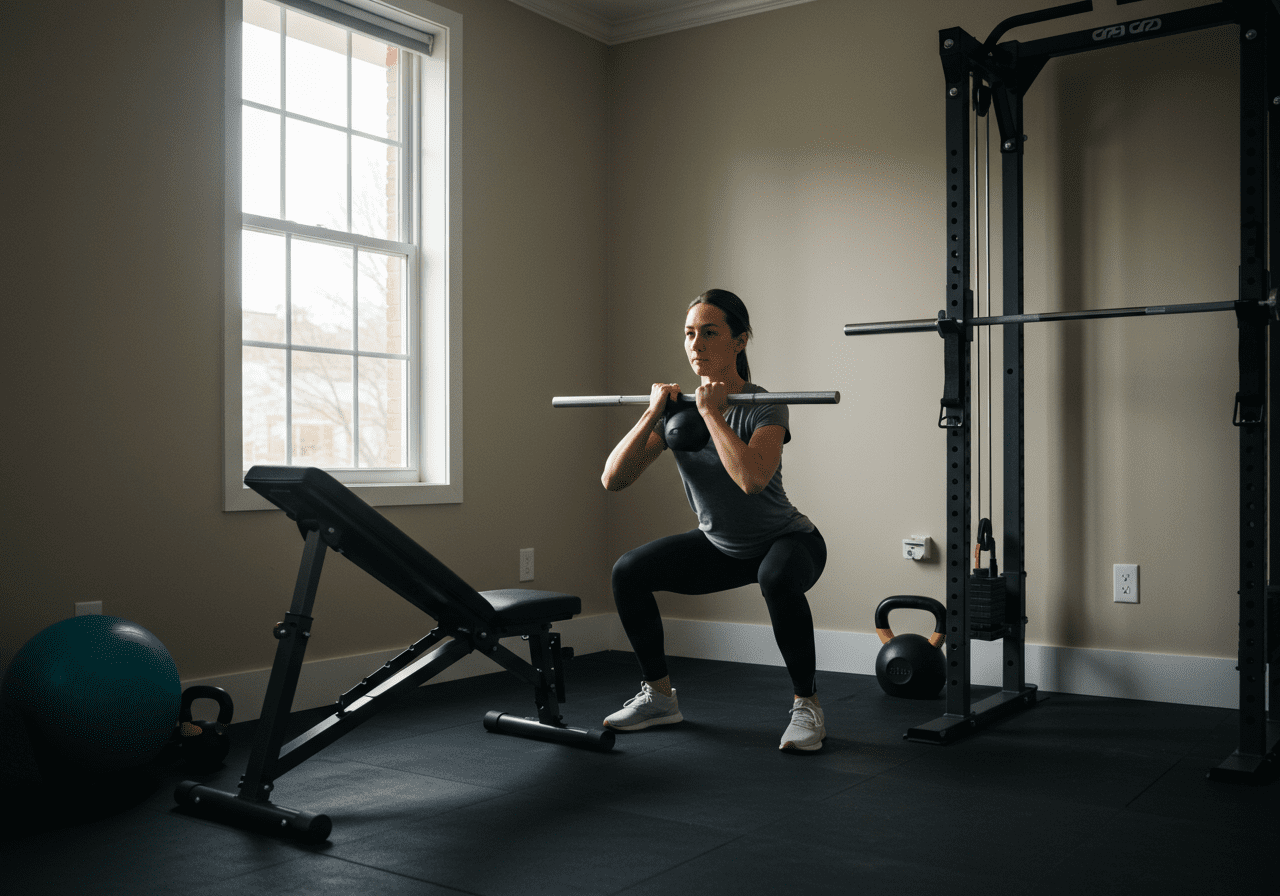
Optional skill micro‑dose (5–10 minutes): Technique drills at very low load—paused goblet squats, empty‑bar presses, or running drills (A‑marches). Stop well before fatigue.
Fuel and fluids: Spread protein across the day, include some carbs to refill muscle, and use electrolytes if you sweat. For fat loss, consider a mild calorie deficit; for muscle gain, maintain or slightly exceed maintenance.
Track it: Log duration, average HR, RPE, and a quick “legs feel” note in Strava or TrainingPeaks. I tag these as “AR” sessions so trends are easy to spot.
Quick 30‑minute sample: 20 min easy bike (HR in Zone 1–2) → 8 min mobility flow (hips, T‑spine, ankles) → 2 min breathing (long exhale).
What not to do: No sprints, no metabolic circuits, no high‑rep burnouts. Sweat is okay; struggling is not. If you’re debating intensity, go easier.
Beginner to Advanced Progressions
Use these weekly patterns to build resilience while keeping hard training sharp. Start simple, then extend time or add a small skill block only if you’re recovering well.
Caption: Suggested 4‑week build pairing intensive days with easy days for sustainable progress.
Week 1: Mon Hard Lower | Tue AR 25–30 min walk + 8 min mobility | Wed Hard Upper | Thu AR 25–30 min spin | Fri Moderate Full‑Body | Sat AR hike 30 min | Sun Rest

Week 2: Mon Hard Intervals | Tue AR 30–35 min + breathing | Wed Strength Technique | Thu AR 30–35 min pool walk | Fri Tempo/Hypertrophy | Sat AR 30 min walk | Sun Rest

Week 3: Mon Hard Lower | Tue AR 35–40 min + mobility | Wed Hard Upper | Thu AR 35–40 min spin | Fri Moderate Full‑Body | Sat AR 30–40 min easy trail | Sun Rest

Week 4 (deload): Mon Technique Only | Tue AR 20–25 min | Wed Light Circuits | Thu AR 20–25 min + breath | Fri Easy Skills | Sat AR 20–30 min | Sun Rest
Beginner: 2–3 AR sessions/week at 20–30 minutes. Keep all efforts conversational. Focus on joint‑friendly movement variety and consistent sleep.
Intermediate: 3 AR sessions/week at 30–40 minutes. Add a short technique dose (5–10 minutes) after the easy cardio. Watch weekly intensity: keep most time easy.
Advanced: 3–4 AR sessions/week at 30–45 minutes. Use AR days to rehearse sport skills at very low effort and to maintain mobility. Track training monotony/strain; if HRV trends down or legs feel heavy for 3+ days, shorten AR or swap for full rest.
Load management: If a hard day runs long or hits unusually high RPE, shorten the next AR session and emphasize breathing and mobility over duration.
Programming Tips and Safety
Frequency: Most lifters and runners thrive on 2–4 AR days per week depending on total training load. Pair an easy day after each high‑stress session.
Intensity guardrails: Maintain nasal breathing and an easy talk test. If your heart rate climbs steadily at the same pace, reduce pace, shorten session, or stop.
Common mistakes: Turning AR into a secret workout, skipping mobility, or under‑fueling. Another trap is using AR to “make up” for missed hard sessions—don’t.
Troubleshooting: Plateau? Keep hard days truly hard and easy days truly easy; consider a deload week. Feeling overtrained? Swap AR for full rest and reduce hard‑day volume the following week. Joint niggle? Choose non‑impact cardio and add gentle isometrics under guidance.
Tracking tools: I monitor RPE, morning resting HR, and HRV (Garmin/Whoop/HRV4Training). MyFitnessPal helps ensure enough protein and total calories. A simple note like “legs springy” or “hips tight” often predicts the next day’s quality better than numbers alone.
Recovery basics: Aim for regular sleep and protein across meals. Creatine can be taken daily regardless of intensity, and omega‑3s may help with general soreness. Always consult a professional if you have medical concerns.
Next step: Save this template, tag your easy sessions in your app, and review trends every two weeks. If you want more templates.
Medical Disclaimer: The information provided on this website is for informational and educational purposes only and is not intended as personal medical or health advice. The content, including text, graphics, and images, is not a substitute for professional medical advice, diagnosis, or treatment. Always seek the advice of your physician or other qualified healthcare provider…
Medical Disclaimer: The information provided on this website is for informational and educational purposes only and is not intended as personal medical or health advice. The content, including text, graphics, and images, is not a substitute for professional medical advice, diagnosis, or treatment. Always seek the advice of your physician or other qualified healthcare provider…
Medical Disclaimer: The information provided on this website is for informational and educational purposes only and is not intended as personal medical or health advice. The content, including text, graphics, and images, is not a substitute for professional medical advice, diagnosis, or treatment. Always seek the advice of your physician or other qualified healthcare provider…
Medical Disclaimer: The information provided on this website is for informational and educational purposes only and is not intended as personal medical or health advice. The content, including text, graphics, and images, is not a substitute for professional medical advice, diagnosis, or treatment. Always seek the advice of your physician or other qualified healthcare provider…
Medical Disclaimer: The information provided on this website is for informational and educational purposes only and is not intended as personal medical or health advice. The content, including text, graphics, and images, is not a substitute for professional medical advice, diagnosis, or treatment. Always seek the advice of your physician or other qualified healthcare provider…
Medical Disclaimer: The information provided on this website is for informational and educational purposes only and is not intended as personal medical or health advice. The content, including text, graphics, and images, is not a substitute for professional medical advice, diagnosis, or treatment. Always seek the advice of your physician or other qualified healthcare provider…
 Active recovery days unlock better long‑term gains by helping you train more often without feeling wrecked. Use light movement (Zone 1–2), mobility, and breath work between hard days to speed healing and preserve adaptations.