Medical Disclaimer: The information provided on this website is for informational and educational purposes only and is not intended as personal medical or health advice. The content, including text, graphics, and images, is not a substitute for professional medical advice, diagnosis, or treatment. Always seek the advice of your physician or other qualified healthcare provider with any questions you may have regarding a medical condition or before starting any new exercise, nutrition, or supplement program. Never disregard professional medical advice or delay in seeking it because of something you have read on this blog. Reliance on any information provided by this site is solely at your own risk.
30–45 minute workouts can build real strength when you focus on priorities, not fluff. This guide shows you exactly how to structure short sessions that still move the needle.
Lift twice weekly with full‑body supersets, RPE 7–9, 60–90 second rests, and optional 8‑minute density finisher.
You’ll learn a time‑efficient template, step‑by‑step execution, progression from beginner to advanced, and how to track outcomes, fuel recovery, and solve common plateaus.
Two weekly sessions drive measurable strength gains
Strength comes from sufficient mechanical tension and progressive overload. You don’t need long workouts; you need focused sets near challenging effort, done consistently.
In practice studies and major guidelines, two to three weekly full‑body sessions can improve strength when sets approach hard effort (RPE 7–9) and technique is solid. Short rest intervals (60–90 seconds) paired with big compound lifts keep intensity high without long sessions.
Client outcomes mirror this. Maya (38) moved her 5RM back squat from 60 kg to 78 kg across 12 weeks on three 40‑minute sessions. Another client, David (45), added 20 kg to his trap‑bar deadlift 3RM training twice weekly at lunch. Individual results vary, but tight structure plus progressive effort works.
Personally, my last 8‑week block averaged 39 minutes per session. Front squat rose from 95 kg × 6 to 110 kg × 5 while Garmin HR showed good recovery (HRV stable, resting HR unchanged). The key was focused main lifts, honest RPE, and not chasing every accessory.
Superset structure with RPE-based intensity control
Use this compact template two days per week (A/B), plus an optional Day C density session if time allows.
Session template (30–45 minutes)
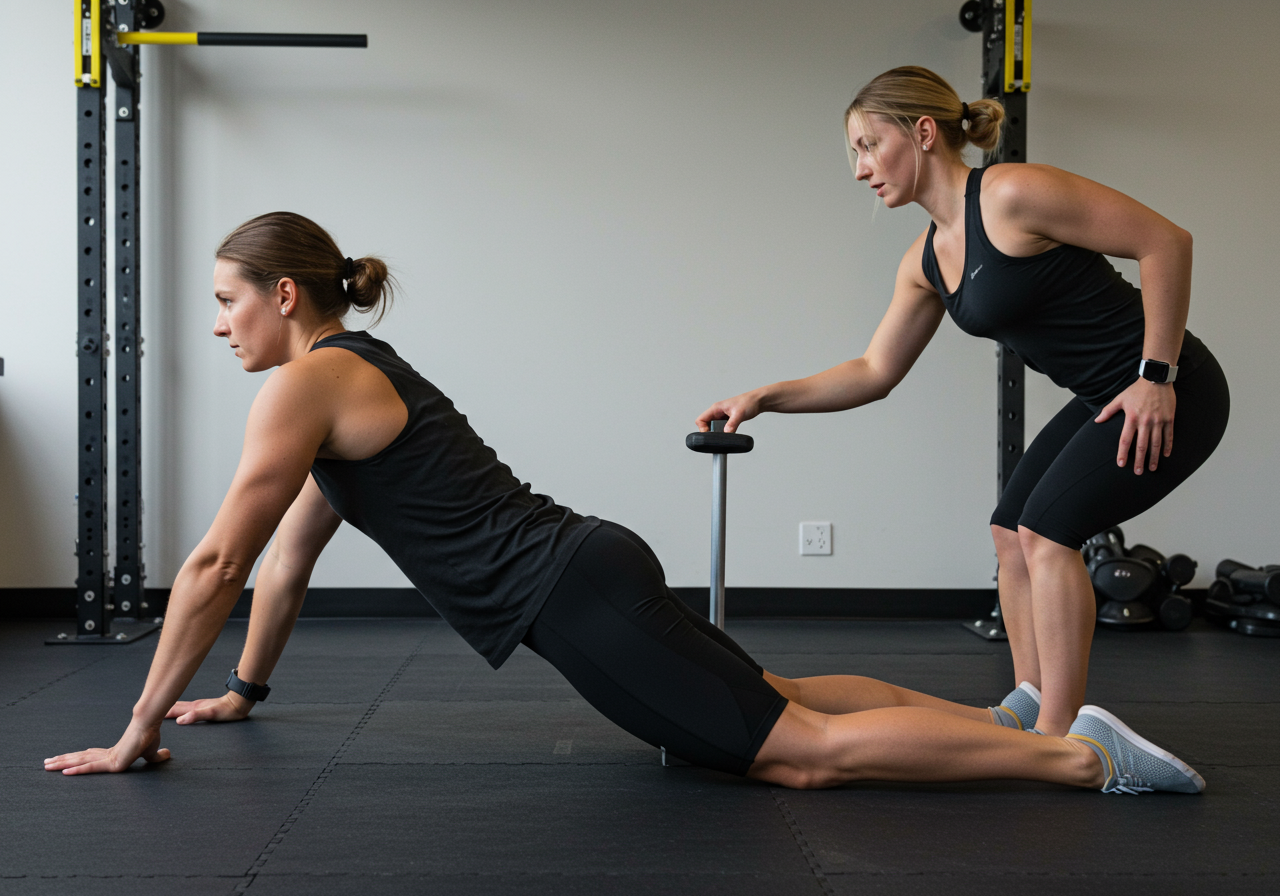
Warm‑up (5 minutes): 2 minutes easy cardio; then 3 drills: hip hinge reach, thoracic openers, band shoulder external rotations (8–10 reps each).
Power prep (3–5 minutes): Choose one—box jump 3×3 or kettlebell swing 3×8, strong but controlled. Rest ~45 seconds.
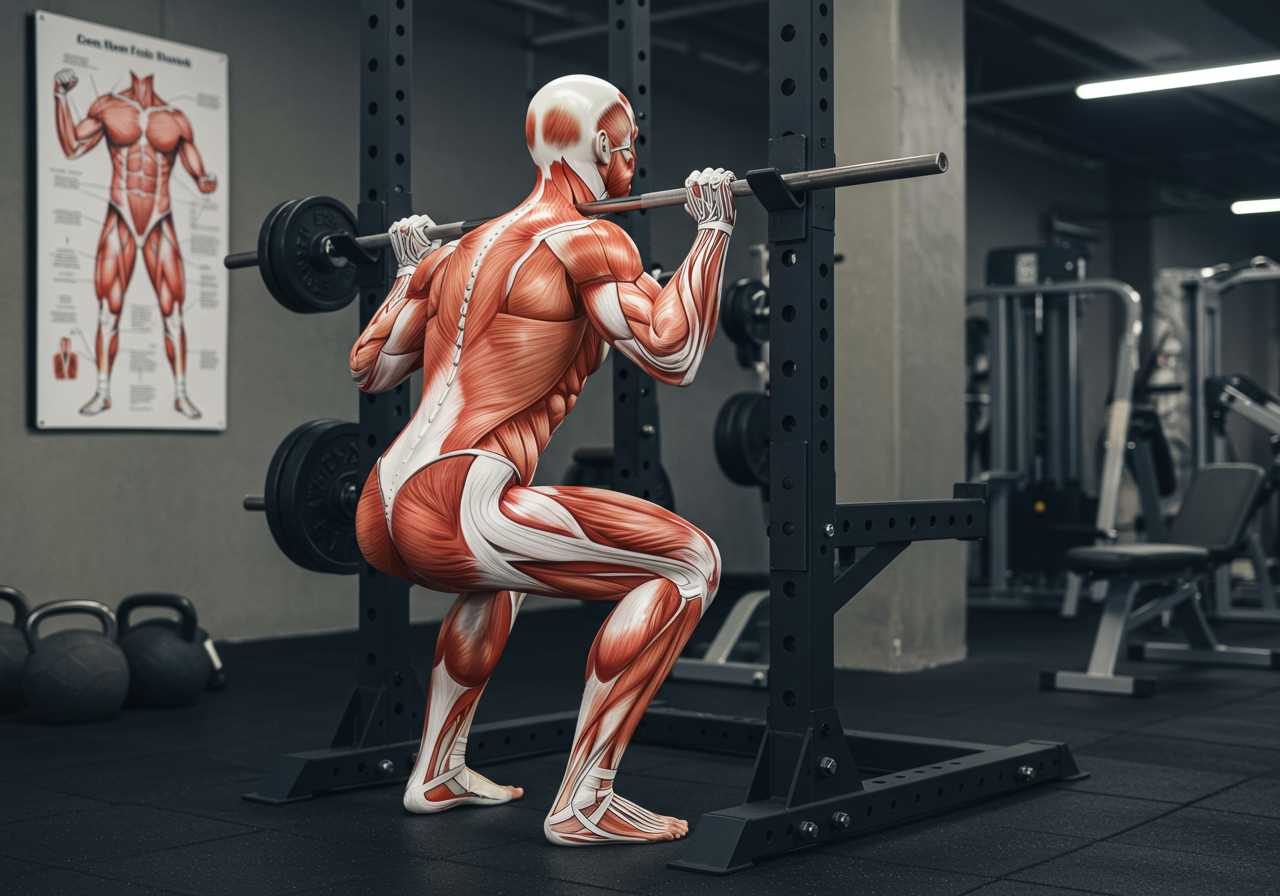
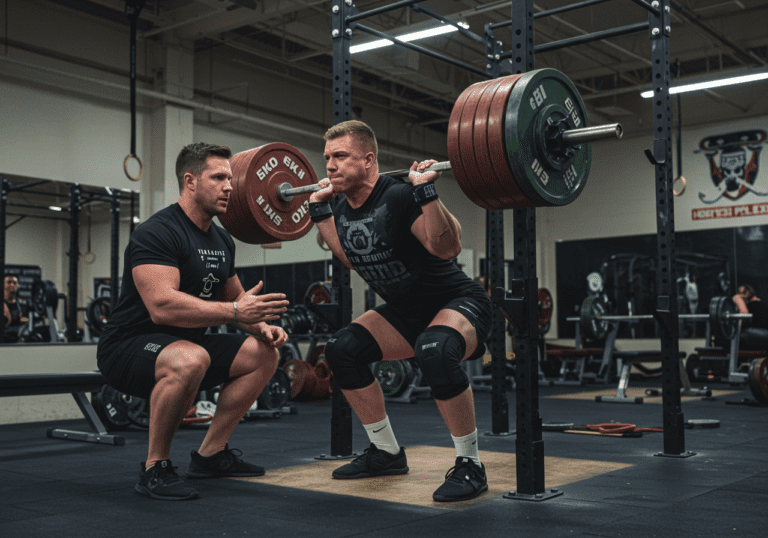
Main Block A (12–15 minutes): Superset a squat or hinge with a row. Example: Front squat 3–4×5–8 at RPE 7–9 paired with chest‑supported row 3–4×8–10 at RPE 7–8. Rest 60–90 seconds between moves.
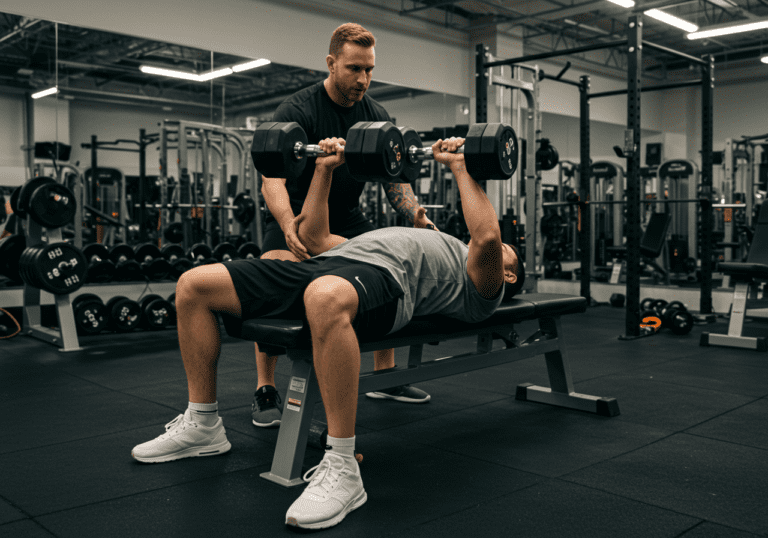
Main Block B (12–15 minutes): Superset a press with single‑leg or core. Example: Dumbbell bench 3–4×6–10 at RPE 7–9 paired with reverse lunges 3–4×8/side or a plank 3×30–45s. Rest 60–90 seconds.
Density finisher (6–8 minutes, optional): EMOM or AMRAP with lighter accessories (e.g., kettlebell Romanian deadlift 6–8 + band pull‑apart 12–15). Keep form pristine.
Cooldown (2–3 minutes): 3–5 slow breaths, then short stretches for hips, chest, and lats.
Day A example: Front squat + row, DB bench + reverse lunge, optional EMOM: bodyweight split squats alt. with band face pulls.
Day B example: Trap‑bar deadlift + chest‑supported row, overhead press + leg curl or dead bug, optional farmer carry laps.
30 vs 40 vs 45 minutes
30 min: Drop power prep or finisher, keep 3 rounds per main block, rest 60 seconds.
40 min: Keep everything, 3–4 rounds, rest 75–90 seconds when loads are heavy.
45 min: Add a second core or single‑leg move, or extend finisher to 8 minutes.
Cues that save time
Superset a big lift with a non‑competing move (e.g., squat + row) to work more in less time.
Cap warm‑ups: 2–3 ramp sets to your first work set. No more.
Set a timer for rests. When it beeps, lift.
My log snapshot: 41 minutes. Average HR 126 bpm, peak 156 (Garmin). Front squat 4×5 @ 100 kg (RPE 8), chest‑supported row 4×8 @ 60 kg, DB bench 3×8 @ 34 kg/hand. Felt strong; ended with 6‑minute EMOM carries.
Fuel and recovery
Pre‑session: 0.3–0.5 g/kg carbs + 0.2–0.3 g/kg protein 60–90 minutes prior (e.g., yogurt and fruit).
Post‑session: 0.3 g/kg protein within a few hours; hydrate with electrolytes if you sweat heavily.
Track with MyFitnessPal (food) and Strong or TrainHeroic (sets/RPE). Strava or Garmin can log HR/HRV trends.
Add reps, load, or rounds systematically
Progress through simple rules: add reps, add load, or add a round—only when form is sharp and RPE stays in the target zone.
12‑week time‑crunched strength progression at a glance.
Week 1: 3x8 @ RPE 6–7; 60s rests; learn movements

Week 2: 3x8 @ RPE 7; add 2.5–5 kg if reps stable

Week 3: 4x6–8 @ RPE 7–8; 60–75s rests

Week 4: 4x6 @ RPE 8; optional 6‑min EMOM finisher

Week 5: 4x5–6 @ RPE 8; add load if bar speed steady

Week 6: 4x5 @ RPE 8–9; rests 75–90s

Week 7: 5x4–5 @ RPE 8–9; density finisher light only

Week 8: 3x3–4 @ RPE 9 on main lift; accessories reduced

Week 9: Deload — 2x6 @ RPE 6–7; 50–60% usual volume

Week 10: 4x5 @ RPE 8; resume normal accessories

Week 11: 4x4–5 @ RPE 8–9; small load bumps

Week 12: Test estimated 3–5RM or AMRAP with 2 reps in reserve
Beginner
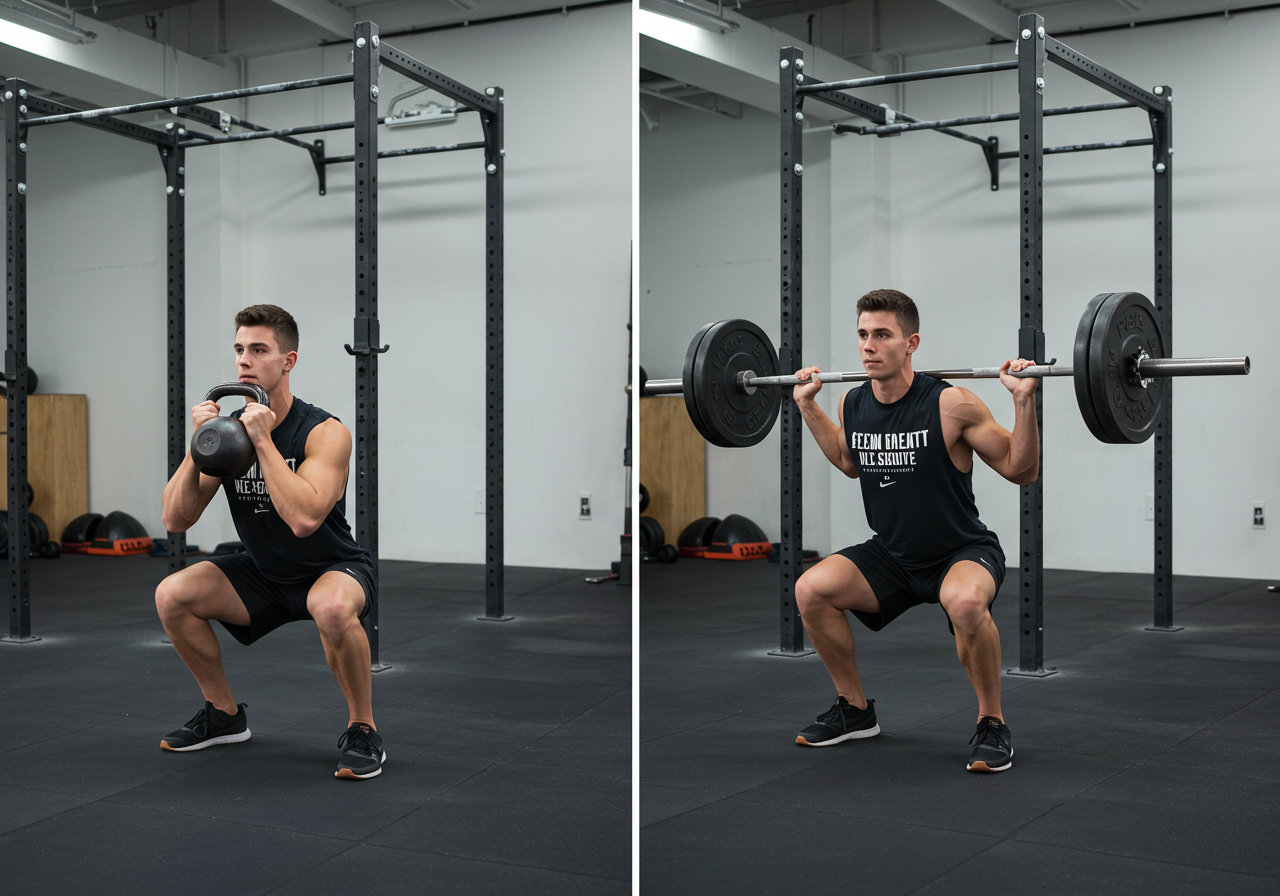
Start with goblet squat, trap‑bar deadlift, dumbbell bench, and chest‑supported rows.
Use RPE 6–8 for 4–6 weeks; master technique before chasing load.
Micro‑load with 1.25–2.5 kg jumps; keep rests 60–75 seconds.
Intermediate
Shift to barbell back/front squat, Romanian deadlift, bench or overhead press, and weighted rows.
Alternate rep targets weekly (e.g., 5s then 8s) to drive progress without burnout.
Optional 6–8 minute EMOM finishers for extra volume.
Advanced
Use E2MOM or cluster sets for the main lift (e.g., 4×2‑2‑2 @ ~85%, 20s intra‑set rest) when time is tight.
Track bar speed with phone video; if speed falls drastically, cut a set rather than chase fatigue.
Plan a deload every 4–6 weeks if life stress and training both run high.
Testimonial: “I stuck to two 40‑minute sessions, set a timer, and left a rep in the tank. My deadlift went from 90 kg × 5 to 110 kg × 5 in 10 weeks without feeling wrecked.” — K., remote client
References & Further Reading
The following peer-reviewed research and authoritative guidelines support the recommendations in this article:
Prioritize frequency and avoid common training errors
Frequency and intensity
Train 2–3 days per week. If slammed, prioritize two.
Live in RPE 7–9 for main lifts. Keep 1–3 reps in reserve most sets.
Rest 60–90 seconds for supersets; extend to 120 seconds on very heavy sets.
Common mistakes
Too many accessories. Two focused main blocks beat six scattered moves.
Skipping warm‑ups. Two ramp sets prevent most technique issues.
Chasing failure. Stop with good reps left; save grinders for test weeks.
Troubleshooting
Plateau: Add two reps across sets, or add 2.5 kg, or add one round—pick one lever per week.
Overreaching signs: HRV suppressed 3 days, poor sleep, cranky joints. Cut volume by 30–40% for one week.
Motivation dip: Set audible rest timers, train at the same hour, and keep a visible 3‑exercise checklist.
Niggles: Swap in pain‑free variants (e.g., goblet squat for back squat), reduce range, and book form check video.
Recovery & nutrition basics
Protein 1.6–2.2 g/kg/day; carbs around training help performance; hydrate to keep urine pale straw.
Sleep 7–9 hours. Short sessions still demand recovery.
Caffeine can help; avoid excess close to bedtime.
Monitor progress
Log sets, reps, RPE in Strong or TrainHeroic; review weekly.
Use Garmin/Fitbit for sleep and HRV trends; adjust volume when stress is high.
Retest 3–5RM or a rep‑out set every 6–12 weeks.
Next steps: Download a 45‑minute timer template, set two recurring calendar blocks, and start Week 1 today. Hit publish on your log—accountability turns minutes into muscle.
Medical Disclaimer: The information provided on this website is for informational and educational purposes only and is not intended as personal medical or health advice. The content, including text, graphics, and images, is not a substitute for professional medical advice, diagnosis, or treatment. Always seek the advice of your physician or other qualified healthcare provider…
Medical Disclaimer: The information provided on this website is for informational and educational purposes only and is not intended as personal medical or health advice. The content, including text, graphics, and images, is not a substitute for professional medical advice, diagnosis, or treatment. Always seek the advice of your physician or other qualified healthcare provider…
Medical Disclaimer: The information provided on this website is for informational and educational purposes only and is not intended as personal medical or health advice. The content, including text, graphics, and images, is not a substitute for professional medical advice, diagnosis, or treatment. Always seek the advice of your physician or other qualified healthcare provider…
Medical Disclaimer: The information provided on this website is for informational and educational purposes only and is not intended as personal medical or health advice. The content, including text, graphics, and images, is not a substitute for professional medical advice, diagnosis, or treatment. Always seek the advice of your physician or other qualified healthcare provider…
Medical Disclaimer: The information provided on this website is for informational and educational purposes only and is not intended as personal medical or health advice. The content, including text, graphics, and images, is not a substitute for professional medical advice, diagnosis, or treatment. Always seek the advice of your physician or other qualified healthcare provider…
Medical Disclaimer: The information provided on this website is for informational and educational purposes only and is not intended as personal medical or health advice. The content, including text, graphics, and images, is not a substitute for professional medical advice, diagnosis, or treatment. Always seek the advice of your physician or other qualified healthcare provider…