This content is for general informational purposes only.
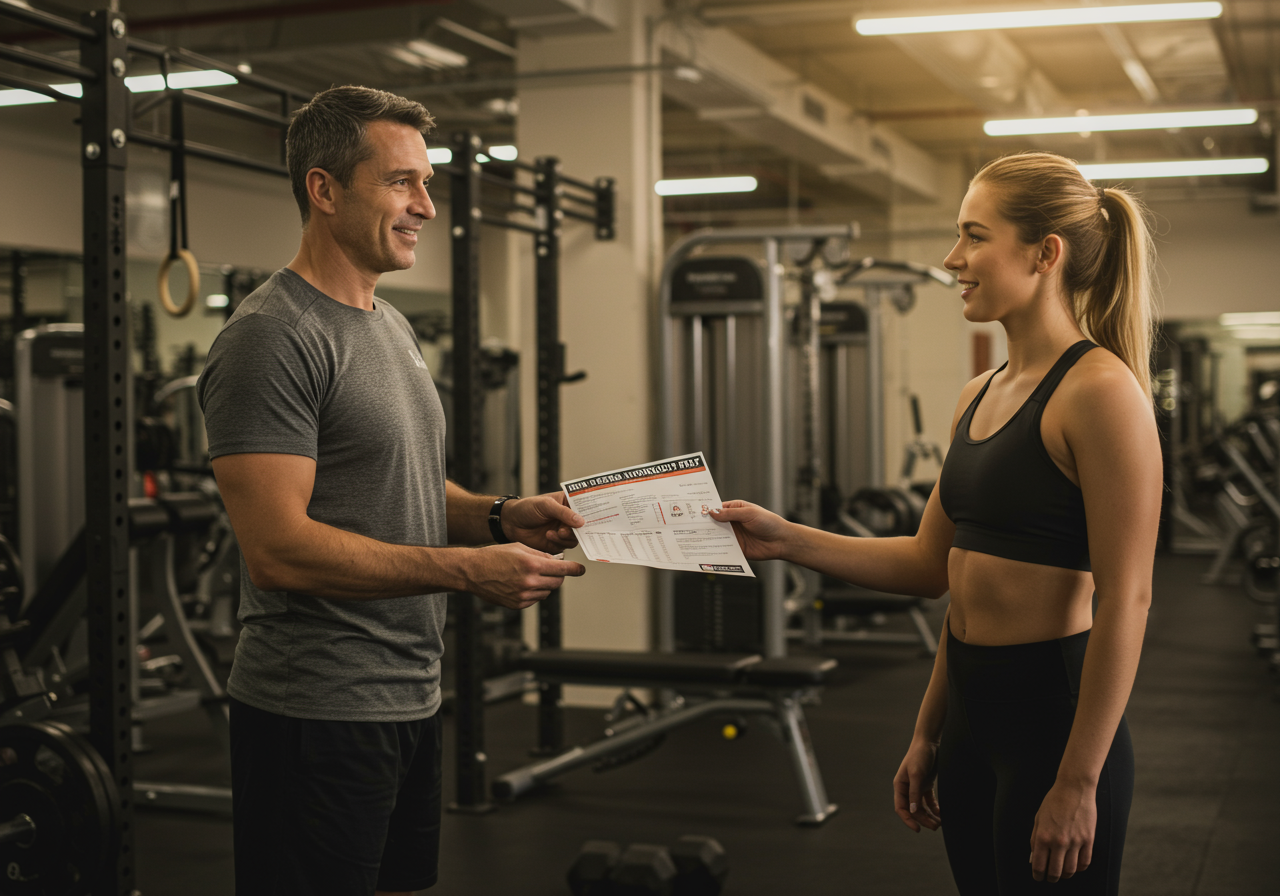
Downloadable program PDFs are often used to present structured plans with clear steps and tracking elements. A well-organized format can make it easier to follow and complete.
A practical approach is to define a clear goal, organize steps logically, include tracking elements, and provide simple follow-up actions.
People often look for clear and structured plans. When a PDF outlines a defined goal, includes phases, and provides tracking tools, it can support better consistency.
Combining structured guidance with simple tracking methods can make it easier to follow a routine. Including elements such as cardio, strength, and mobility in a balanced way may help maintain overall structure.
Tracking elements such as perceived effort or simple logs can support consistency by making progress easier to observe.
How to Build Your Workout PDF Step by Step
1) Choose one clear goal. Define a specific outcome and keep the focus narrow to maintain clarity.
2) Map training phases. Organize stages such as base, build, and lighter recovery periods. Include cardio, strength, and mobility in a balanced structure.
3) Draft the PDF structure.
Cover: goal, target audience, and time commitment.
Checklist: equipment and preparation.
Overview: weekly structure and effort guidelines.
Daily sessions: warm-up, main activity, and cooldown.
Scaling options: variations for different levels.
Mobility routines: short additional sessions.
Nutrition notes: simple meal structure and hydration.
Recovery: rest and lighter periods.
Tracking: logs and checklists.
FAQ: common adjustments.
Next step: simple follow-up action.
4) Keep instructions simple. Use short sentences and clear action steps.
5) Design for readability. Use clean layout, spacing, and simple formatting for easy reading.
6) Add follow-up structure. A simple sequence of reminders or check-ins can help maintain consistency.
7) Integrate tracking. Use simple logs for activity, effort, and routine consistency.
8) Include safety guidance. Provide general notes on adjusting intensity and recognizing discomfort.
Beginner to Advanced Progressions
Progress can be managed by gradually increasing intensity or duration while maintaining proper form and consistency. Including lighter periods can help maintain balance.
Eight-week example structure (adjust based on individual capacity)
Week 1–2 — Base

Beginner: Moderate sessions with simple structure and short duration.

Intermediate: Slightly longer sessions with added variation.

Advanced: Higher frequency with balanced intensity.


Week 3–4 — Build

Beginner: Small increases in duration or repetition.

Intermediate: Gradual increase in load or intensity.

Advanced: Structured variation with higher intensity sessions.


Week 5 — Consolidate

Focus on maintaining consistency and reinforcing technique.


Week 6 — Deload

Reduce overall volume and maintain light activity.


Week 7–8 — Peak & Review

Return to regular intensity and review overall progress.
Gradual progression and consistent tracking can support a stable routine over time.
Programming Tips and Safety
Frequency and intensity. Start with a manageable number of sessions per week and maintain balanced intensity.
Routine support. Maintain consistent hydration, balanced nutrition, and sufficient rest.
Monitoring. Track basic indicators such as consistency, effort level, and overall routine adherence.
Troubleshooting.
Plateau: Adjust one variable at a time.
Fatigue: Reduce intensity or duration temporarily.
Motivation: Shorten sessions to maintain consistency.
Common mistakes:
Too many goals in one plan.
Lack of recovery periods.
Overly complex structure.
No clear next step.
Safety. Reduce intensity or stop if discomfort occurs and adjust the plan as needed.
Maintaining a simple and structured approach can make long-term consistency easier.
Medical Disclaimer: The information provided on this website is for informational and educational purposes only and is not intended as personal medical or health advice. The content, including text, graphics, and images, is not a substitute for professional medical advice, diagnosis, or treatment. Always seek the advice of your physician or other qualified healthcare provider…
Medical Disclaimer: The information provided on this website is for informational and educational purposes only and is not intended as personal medical or health advice. The content, including text, graphics, and images, is not a substitute for professional medical advice, diagnosis, or treatment. Always seek the advice of your physician or other qualified healthcare provider…
Medical Disclaimer: The information provided on this website is for informational and educational purposes only and is not intended as personal medical or health advice. The content, including text, graphics, and images, is not a substitute for professional medical advice, diagnosis, or treatment. Always seek the advice of your physician or other qualified healthcare provider…
Medical Disclaimer: The information provided on this website is for informational and educational purposes only and is not intended as personal medical or health advice. The content, including text, graphics, and images, is not a substitute for professional medical advice, diagnosis, or treatment. Always seek the advice of your physician or other qualified healthcare provider…
Medical Disclaimer: The information provided on this website is for informational and educational purposes only and is not intended as personal medical or health advice. The content, including text, graphics, and images, is not a substitute for professional medical advice, diagnosis, or treatment. Always seek the advice of your physician or other qualified healthcare provider…
Medical Disclaimer: The information provided on this website is for informational and educational purposes only and is not intended as personal medical or health advice. The content, including text, graphics, and images, is not a substitute for professional medical advice, diagnosis, or treatment. Always seek the advice of your physician or other qualified healthcare provider…