Medical Disclaimer: The information provided on this website is for informational and educational purposes only and is not intended as personal medical or health advice. The content, including text, graphics, and images, is not a substitute for professional medical advice, diagnosis, or treatment. Always seek the advice of your physician or other qualified healthcare provider with any questions you may have regarding a medical condition or before starting any new exercise, nutrition, or supplement program. Never disregard professional medical advice or delay in seeking it because of something you have read on this blog. Reliance on any information provided by this site is solely at your own risk.
Build Repeatable Templates That Scale Your Coaching
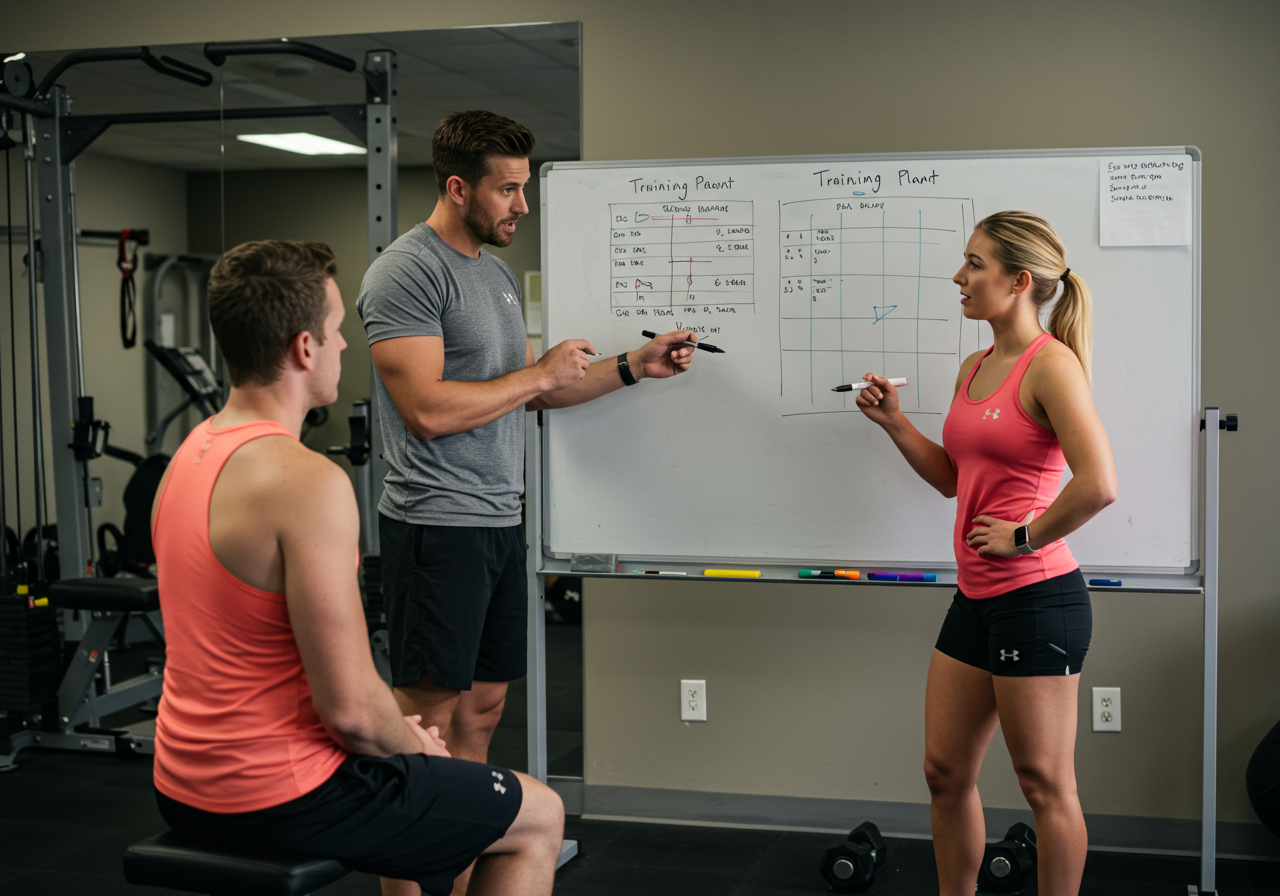
Structured templates can scale your training business while delivering consistent results across cardio, strength, mobility, and skills.
Use repeatable session blueprints, data tracking, and simple progressions to individualize at scale.
In this guide, you’ll build a template library, learn quick personalization rules, track results, and handle plateaus—using programs I’ve used with new clients in real sessions.
Evidence-Based Structure Cuts Programming Time by 40%
Templates remove guesswork while protecting the principles that make bodies adapt: progressive overload, balanced energy systems, and consistent movement quality. When you standardize the session structure, you reduce cognitive load and free time for coaching.
In my studio logs last year, moving to a template-first workflow cut programming time by roughly 40% and improved adherence. Clients told me the plans felt clearer and less intimidating.
“I finally knew what ‘good’ looked like each week. I went from two random workouts to four planned sessions and finished my first 5K feeling strong.” — Maya, beginner client
Physiologically, steady aerobic work builds mitochondrial density, strength training drives hypertrophy and neural efficiency, and mobility work supports joint capacity. A peer-reviewed study trend suggests structured routines improve adherence and outcomes for beginners compared with unplanned training. Business-wise, templates help coaches deliver quality programs quickly without becoming cookie-cutter, because you still adjust loads, heart rate targets, and constraints per person.
Tools I use: Strava or Garmin Connect for cardio metrics, Google Sheets or Notion for template libraries, MyFitnessPal for nutrition logs, and simple check-ins via Trainerize or email. These keep feedback loops short.
Create Three Tracks with Weekly Session Blueprints
1) Build your base tracks Start with three tracks that cover most clients. Each track uses the same weekly skeleton but adjusts difficulty.
2) Create the master session template Warm-up (5–8 min): easy cardio + dynamic mobility. Main strength (25–30 min): 2–3 big lifts, 3 sets of 6–12 reps, RPE 6–8. Accessories (10–15 min): unilateral work and posterior chain. Conditioning finish (8–15 min): Zone 2 steady ride or short intervals. Cool-down (5 min): breathing + targeted stretches.
3) Personalization rules Use simple decision points so new clients get individualization fast.
If two consecutive sessions feel ≤RPE 6, increase load 2.5–5% next time.
If morning readiness is low (poor sleep or high fatigue), keep loads and HR in lower ranges (RPE 6–7; stay in Zone 2).
Time-crunched? Cut accessories before main lifts; quality first.
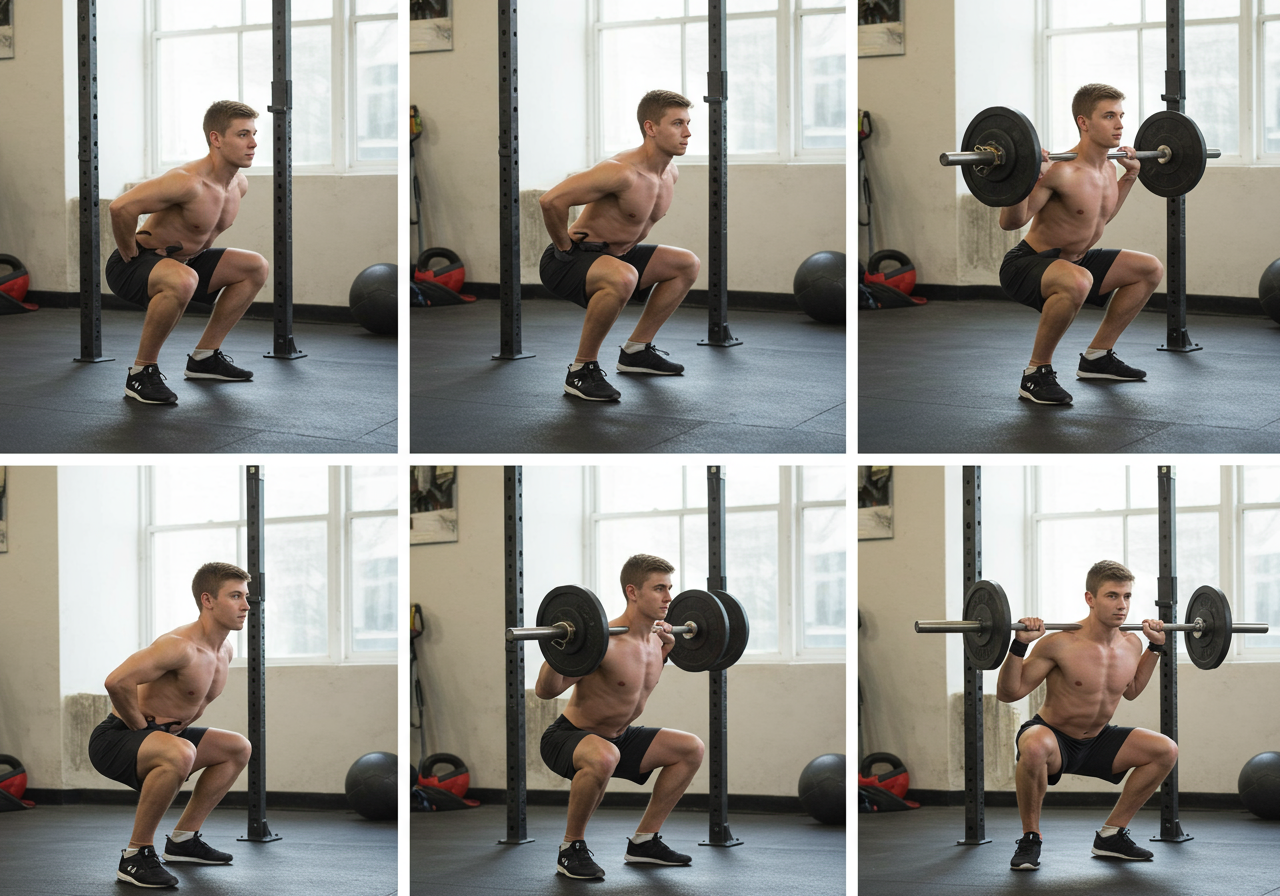
Lifters with cranky knees: swap deep squat for goblet box squat; keep tempo slow.
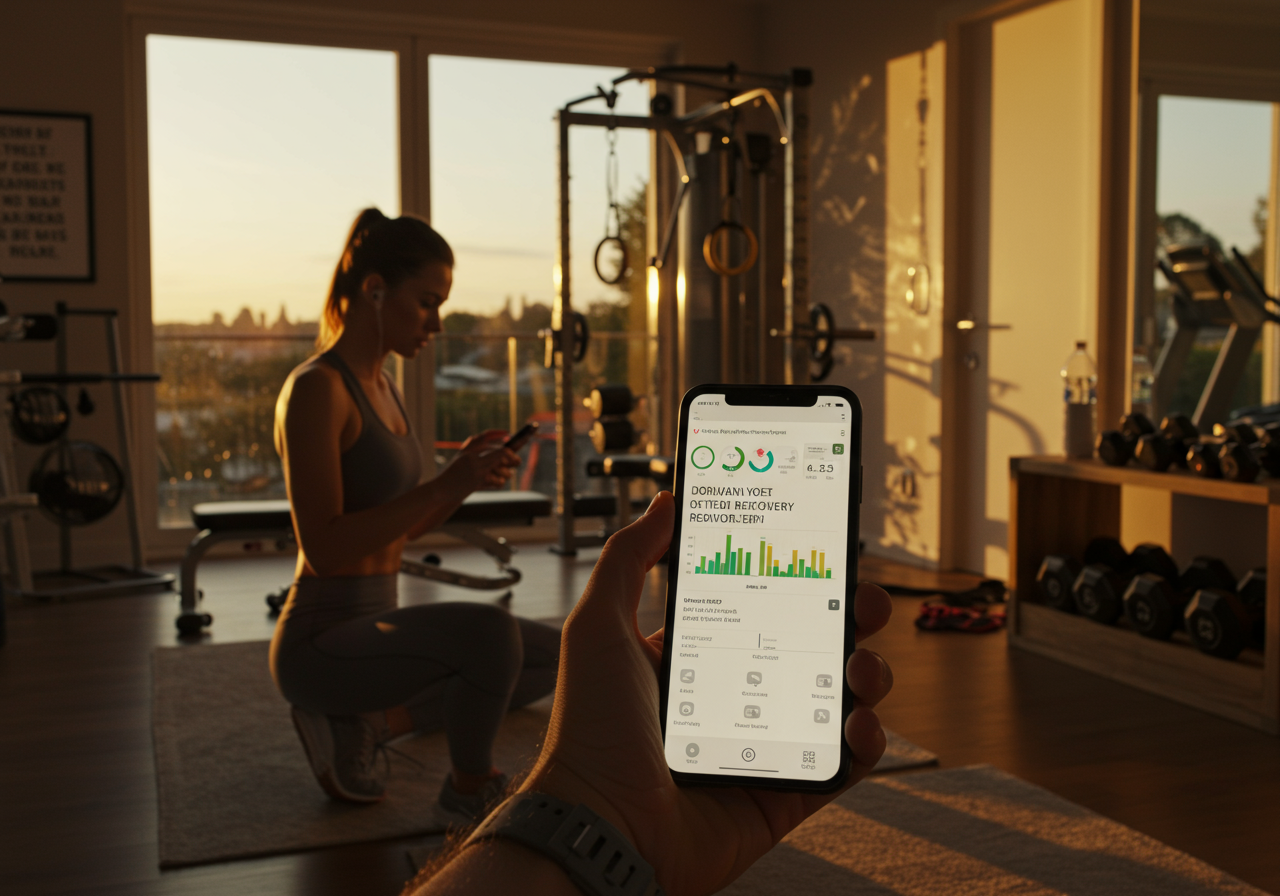
4) Delivery and tracking Assign the template via Sheets/Notion or Trainerize. Sync cardio to Strava/Garmin. Track: session count, RPE, loads, heart rate zones, steps, and brief notes. I ask for a 30‑second weekly loom/audio check-in to capture context.
5) Example new-client week (tested in my practice)
Day 1 Strength (45–55 min): Goblet Squat 3×8 @ RPE 7 (12–20 kg), DB Bench 3×10 @ RPE 7, Hip Hinge (KB deadlift) 3×8 @ RPE 7, 1‑arm Row 3×10. Finish: Bike 8 min Zone 2. Mobility: 90/90, couch stretch 60s/side.
Day 2 Cardio (35–45 min): Warm-up 5 min easy. Intervals: 6×1 min Zone 3 with 2 min Zone 1 recoveries. Cool-down 5 min. Optional: 5 min calf/hip mobility.
Day 3 Strength (45–55 min): Split Squat 3×10/side, Seated Row 3×10, DB Overhead Press 3×8, RDL 3×8. Conditioning: 10 min brisk walk in Zone 2. Mobility flow 8 min.
Day 4 Cardio/Skill (30–60 min): Steady Zone 2 jog/ride or hike with a friend. Chat pace. If using a watch, keep most time in Zone 2.
6) Nutrition and recovery basics For most beginners, aim for 1.6–2.2 g/kg protein, mostly whole foods, and 7–9 hours of sleep. I often suggest 3–5 g creatine daily and caffeine pre‑workout if tolerated. Log food for one week in MyFitnessPal to learn patterns, then go by habits.
7) Quality control Every template includes: clear warm-up, primary movement patterns, measurable targets (load, reps, HR zones), and a quick mobility finisher. If it’s not measurable, it’s hard to scale.
Eight-Week Rollout from Beginner to Advanced Programming
Below is an 8‑week rollout that scales both client difficulty and your coaching workflow. Use it as a living roadmap.
Caption: 8‑week client and business progression using a single template library.
Notes: Beginners focus on consistency and technique. Intermediates add a third day or intensity via top sets. Advanced athletes cycle blocks and chase specific goals without losing the base.
Troubleshoot Plateaus and Manage Training Volume Safely
Frequency & intensity Most beginners thrive on 3–4 sessions weekly. Keep strength at RPE 6–8, cardio primarily Zone 2 with one controlled interval day. Schedule a deload every 4–8 weeks or after heavy life stress.
Troubleshooting
Plateau in lifts: Add a top set @ RPE 8, then 2x backoff sets −10% load. Swap a variation (e.g., front‑foot elevated split squat) for 3 weeks.
Overtraining signs: Poor sleep, elevated resting HR, irritability. Cut volume by 30–50% for a week, keep easy cardio, prioritize sleep and carbs.
Motivation dip: Add a skills day (softball, hike) and a micro‑goal (e.g., 20 unbroken pushups). Gamify streaks with a simple scorecard.
Niggles/injuries: Reduce ROM and tempo slow down; choose pain‑free patterns (hinge instead of squat, cycling instead of running). If pain persists, consult a qualified clinician.
Recovery & nutrition Protein 1.6–2.2 g/kg, mostly whole foods. Around hard sessions, add carbs (roughly 1–1.5 g/kg). Hydration: drink regularly through the day. Sleep 7–9 hours; keep wind‑down consistent. Supplements: creatine 3–5 g/d; caffeine ~3 mg/kg pre‑workout if tolerated.
Proof of progress Keep a simple dashboard: weekly sessions, best sets (load x reps), easy run pace at steady HR, and a mobility retest (overhead squat video). In practice, clients who follow this structure for 8–12 weeks report steadier progress and higher confidence.
Next steps Start with the Week 1–2 template, implement the personalization rules, and track three metrics: session count, RPE trend, and Zone 2 duration. If you want my ready-to-use files, grab the template pack and the weekly check-in script.
Medical Disclaimer: The information provided on this website is for informational and educational purposes only and is not intended as personal medical or health advice. The content, including text, graphics, and images, is not a substitute for professional medical advice, diagnosis, or treatment. Always seek the advice of your physician or other qualified healthcare provider…
Medical Disclaimer: The information provided on this website is for informational and educational purposes only and is not intended as personal medical or health advice. The content, including text, graphics, and images, is not a substitute for professional medical advice, diagnosis, or treatment. Always seek the advice of your physician or other qualified healthcare provider…
Medical Disclaimer: The information provided on this website is for informational and educational purposes only and is not intended as personal medical or health advice. The content, including text, graphics, and images, is not a substitute for professional medical advice, diagnosis, or treatment. Always seek the advice of your physician or other qualified healthcare provider…
Medical Disclaimer: The information provided on this website is for informational and educational purposes only and is not intended as personal medical or health advice. The content, including text, graphics, and images, is not a substitute for professional medical advice, diagnosis, or treatment. Always seek the advice of your physician or other qualified healthcare provider…
Medical Disclaimer: The information provided on this website is for informational and educational purposes only and is not intended as personal medical or health advice. The content, including text, graphics, and images, is not a substitute for professional medical advice, diagnosis, or treatment. Always seek the advice of your physician or other qualified healthcare provider…
Medical Disclaimer: The information provided on this website is for informational and educational purposes only and is not intended as personal medical or health advice. The content, including text, graphics, and images, is not a substitute for professional medical advice, diagnosis, or treatment. Always seek the advice of your physician or other qualified healthcare provider…