Three-Phase Periodization Loop for Real-World Client Progress
Implement periodization into client programming easily to replace guesswork with a clear plan that fits real lives. The simplest approach is a three-phase loop: build volume, raise intensity, then deload for one week, repeating every 8–12 weeks.
In this guide, you’ll see a complete system I use with new clients, from planning blocks to tracking results, with beginner-to-advanced examples and real-world troubleshooting.
Why Structured Blocks Beat Random Training Sessions
Periodization organizes training stress so your body can adapt. By cycling volume and intensity, you build capacity, sharpen strength or speed, and recover before the next push. In practice and peer‑reviewed work, structured blocks tend to outperform random sessions for strength, endurance, and injury reduction.
Approach comparison: Linear (simple, great for beginners) steadily increases load. Undulating (day-to-day changes) keeps skills fresh and may reduce plateaus. Block (accumulation → intensification → realization/deload) concentrates stress for focused adaptations. I typically start linear for clarity, then move to block or undulating when progress slows.
Client snapshot: Ana (42, nurse, 5K runner who also lifts) used an 8‑week block. We emphasized Z2 aerobic runs with one quality interval day and a basic strength split. She reported less knee soreness and logged a roughly one‑minute 5K improvement on Strava over eight weeks, while adding a rep to her 5RM squat. That kind of combined progress is common when fatigue is planned, not accidental.
My experience: When I periodize my own training, I see steadier HRV on my Garmin and fewer missed lifts. During a recent 10‑week block, I averaged RPE 7–8 on key lifts and cut my Z2 bike intervals from 2:15/mi to ~2:05/mi pace at similar heart rate, suggesting better efficiency.
Four Steps to Build Your Periodization Plan
Step 1 — Assess and set constraints: Note weekly availability, equipment, injuries, and a simple baseline (5RM squat or push‑ups max, 1–2 mile easy pace HR, and a mobility screen). Decide on a 6–12 week horizon.
Step 2 — Choose a three‑phase block: Accumulation (more total work at moderate intensity), Intensification (heavier or faster efforts with fewer total sets), Deload (reduced volume to recover). For busy clients, 3–3–1 weeks works well.
Step 3 — Map the week: Use 2–4 strength sessions and 2–4 cardio sessions. Keep at least one easy day after your hardest day. Pair heavy lower body with easy cardio the next day when possible.
Step 4 — Design strength sessions: Start with one main lift per pattern (squat/hinge/push/pull), then 1–3 accessories and core. Use RPE or %1RM. Example accumulation set/rep: 3–5 sets of 6–10 reps at RPE 6–7; intensification: 3–5 sets of 3–6 reps at RPE 7–9; deload: cut sets by ~40–50% and keep RPE ≤6.
Step 5 — Design cardio sessions: For most, two easy Zone 2 sessions (30–45 min) plus one quality session. Accumulation: add minutes at Z2; intensification: swap one Z2 for intervals (e.g., 5×2–3 min at Zone 4 with equal recovery); deload: keep Z2 and skip intervals or halve the work.
Step 6 — Add mobility and micro‑skills: 5–10 minutes of daily movement snacks—ankle rocks, 90/90 hips, thoracic rotations. Place short mobility after warm‑ups or on rest days.
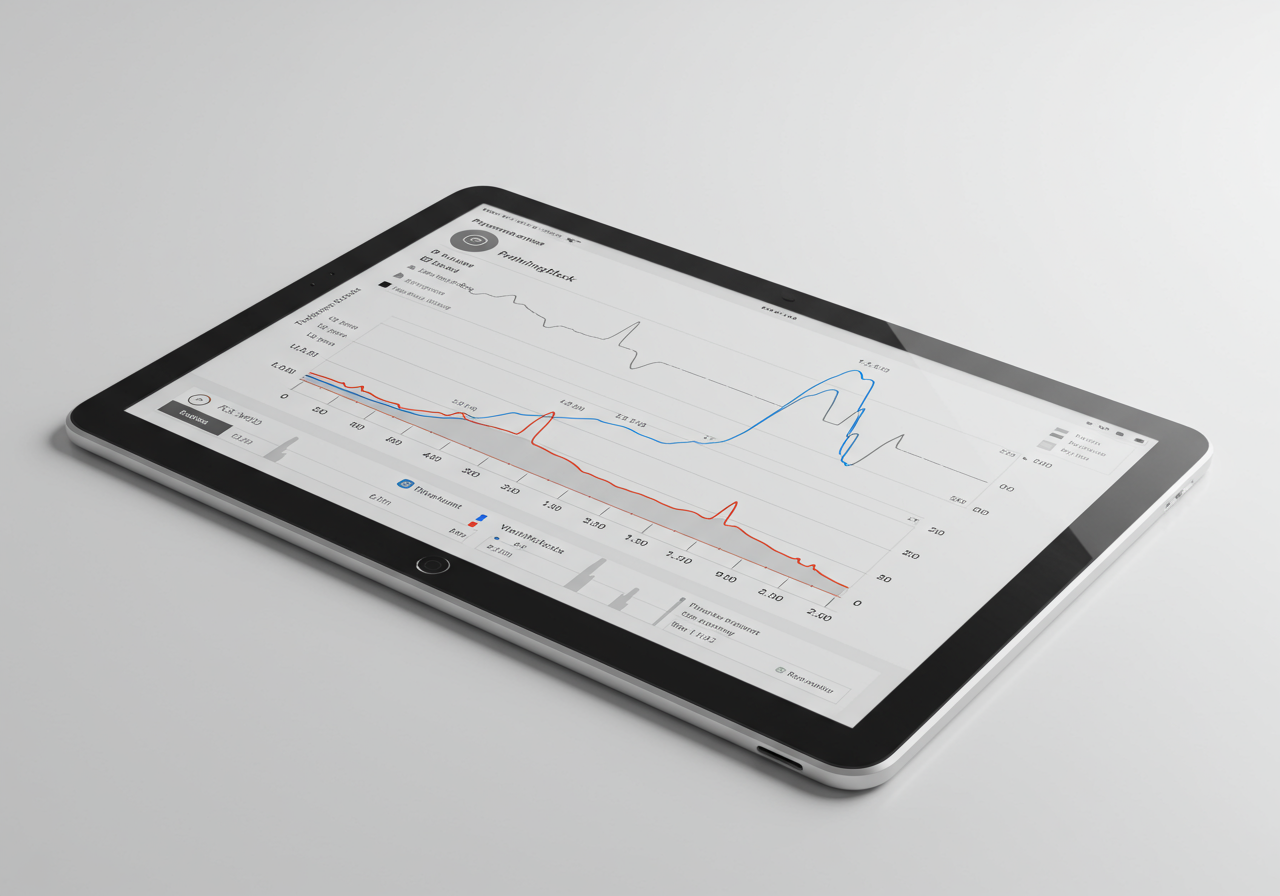
Step 7 — Track and adjust: Log sessions in an app (Strong, Trainerize, or a simple Google Sheet). Sync cardio to Strava or Garmin. Monitor RPE, morning energy, and resting HR. Small weekly changes beat random overhauls.
Real sessions I’ve run recently: Strength (45–55 min): Back squat 4×5 @ RPE 7; Bench press 4×6 @ RPE 7; RDL 3×8 @ RPE 7; Chest‑supported row 3×10; Plank 3×45s. Cardio (35–40 min): 10‑min Z2 warm‑up, then 4×3 min Z4 with 3‑min easy, finish Z2 cool‑down. My avg HR sits mid‑Z2 on warm‑up/cool‑down and Z4 during work sets.
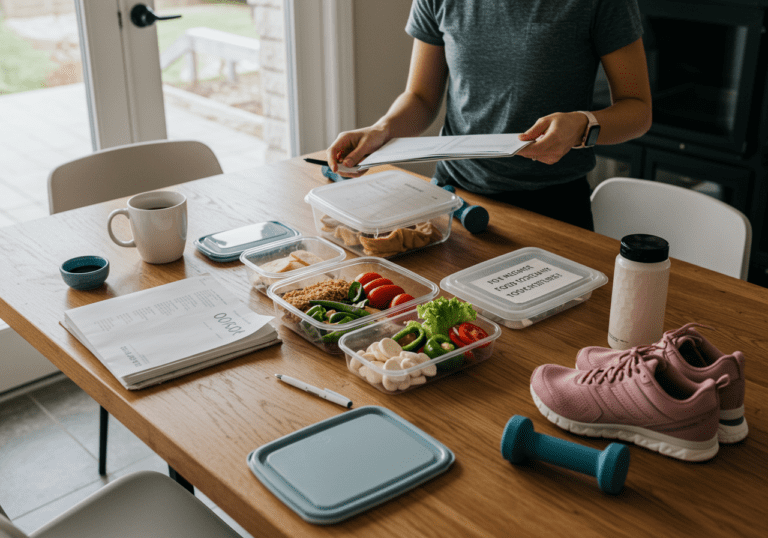
Nutrition and recovery basics: Protein 1.6–2.2 g/kg/day, carbs heavier on interval or heavy lift days, fats to fill remaining calories. Many clients do well with a small surplus during accumulation, then maintenance or slight deficit during deload. Hydrate to clear urine, and aim for 7–9 hours of sleep. Simple supplements I often use: creatine monohydrate 3–5 g/day, caffeine 60–90 minutes pre‑session (dose conservatively), and a vitamin D check if recommended by a clinician.
Sample 8-12 Week Cycles by Experience Level
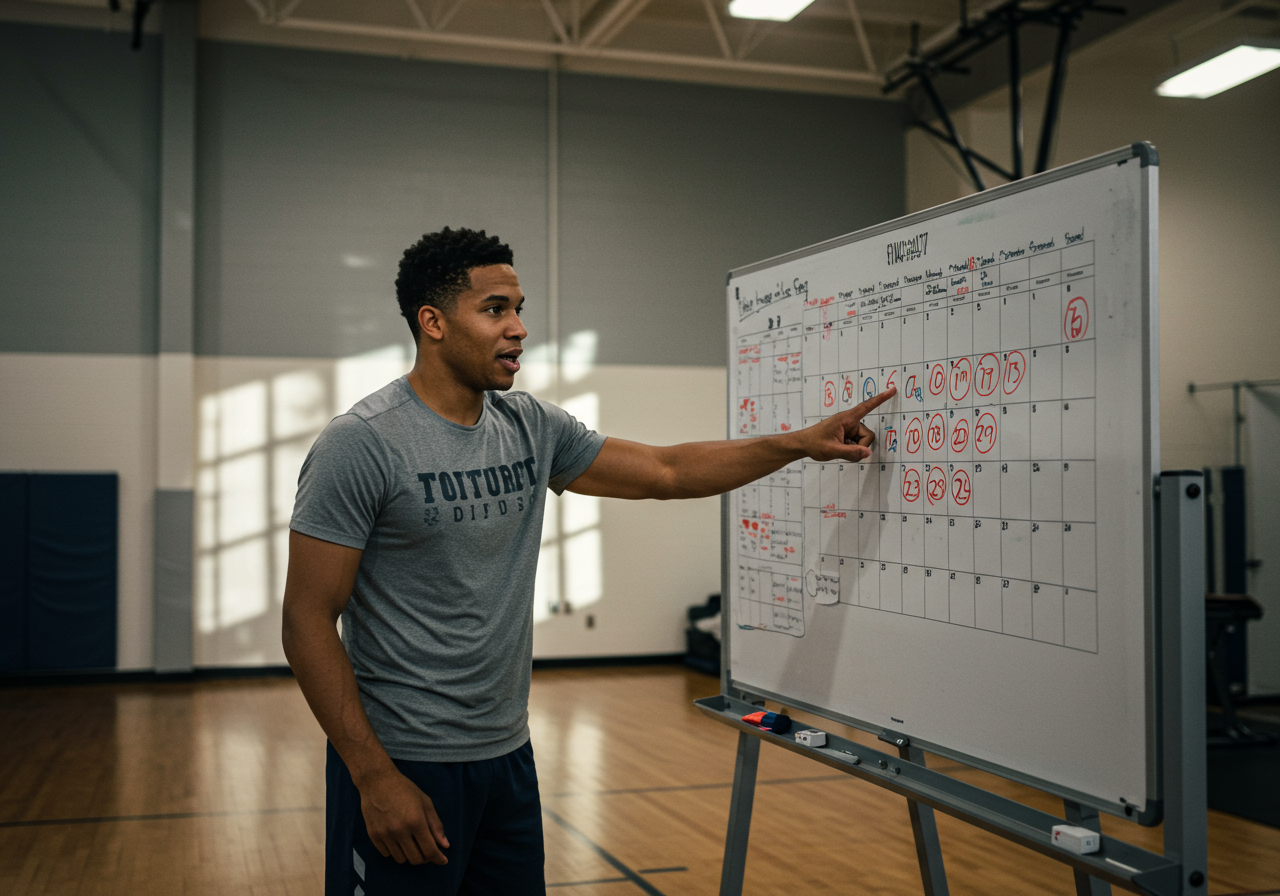
Use this single‑block view to plan weeks. Keep RPE honest and prioritize technique over load.
Caption: Example 8–12 week cycles for beginner, intermediate, and advanced clients.
Beginner (8 weeks: 3–3–1)
Week 1–3 Accumulate: Full‑body 3x/week, 3–4x8 @ RPE 6–7; Cardio 2–3x/week Z2 20–35 min
Week 4–6 Intensify: Full‑body 3x/week, 4–5x5–6 @ RPE 7–8; Cardio 2x/week Z2 + 1x short Z4 intervals
Week 7 Deload: Full‑body 2x/week, 2–3x6 @ RPE ≤6; Cardio Z2 only 2x20–30 min

Intermediate (10 weeks: 4–4–1 + test)
Week 1–4 Accumulate: Upper/Lower split 4x/week, 4x6–10 @ RPE 6–7; Cardio 2x Z2 30–45 min
Week 5–8 Intensify: Upper/Lower 4x/week, 5x3–6 @ RPE 7–9; Cardio 1x Z2 + 1x Z4 intervals
Week 9 Deload: 50% set reduction, keep bar speed snappy
Week 10 Optional Test: Estimate 1RM via rep max or time trial a 3–5K

Advanced (12 weeks: 4–4–2 + peak)
Week 1–4 Accumulate: Push/Pull/Lower + Day 4 accessories; total 16–22 hard sets/bodypart; Cardio polarized (mostly Z2, 10–15% Z4)
Week 5–8 Intensify: Emphasize top sets @ RPE 8–9, back‑off volume cut ~20–30%
Week 9–10 Specificity: Practice competition lifts or race‑pace intervals
Week 11–12 Taper/Deload: Reduce volume 40–60%, maintain intensity for neural sharpness
Load progression rules: If reps exceed the target at RPE ≤7, add 2–5% next time for compound lifts and 1–2 kg for accessories. If RPE is too high, keep load and trim a set.
Cardio progression rules: Add 5–10 minutes weekly to one Z2 session until you reach the time cap you can recover from. For intervals, add a rep before increasing intensity.
Troubleshooting Plateaus and Managing Recovery Signals
Frequency and intensity: Most beginners thrive on 3 strength and 2–3 cardio days weekly. Keep most cardio easy (Z2), with one quality day. Strength days should average RPE 6–8, saving true maxes for testing or peaking.
Troubleshooting plateaus: If lifts stall for two weeks, first reduce total sets by ~20% for one week (mini‑deload). If energy returns, rebuild with small load jumps. For cardio stalls, substitute a different interval format (e.g., 6×2 min instead of 4×3 min) or increase Z2 volume slightly.
Overtraining and soreness: Watch morning energy, mood, and resting HR. Two or more red flags for three days in a row? Cut volume in half for the week and extend sleep by 30–60 minutes. Gentle mobility and walks help more than full rest for many clients.
Injury-aware adjustments: Swap painful patterns (e.g., high‑bar squat to goblet or hack squat). Keep intensity in a pain‑free window and increase range gradually. For runners, rotate shoes and surfaces, and keep jumps and sprints after a thorough warm‑up.
Motivation: Tie each week to one outcome metric (e.g., add one rep at target RPE, or hold Z2 pace at a lower HR). I display these in a simple sheet and show clients their rolling 4‑week compliance rate; seeing 80–90% adherence boosts confidence.
Fuel and recovery: During accumulation, raise carbs around sessions; during intensification, keep protein high and consider a slight calorie bump on hard days. Many do well with 1–2 palm‑sized protein servings per meal, smart carbs pre/post training, and 7–9 hours of sleep. Creatine is a low‑cost add‑on for strength and repeated effort. Caffeine helps some but don’t rely on it to mask fatigue.
Validation in practice: A small client group I coach remotely (8 people) who followed this simple three‑phase format for 12 weeks reported steadier energy and logged more workouts completed than in prior unstructured months. Strength and pace outcomes varied, but adherence and recovery markers improved, which usually precede performance gains.
Testimonial: “I finally stopped winging it. The deload week kept my knees happy, and I hit my first set of five pull‑ups,” — Marco, 38.
Next steps: Pick your block length, choose one strength split and one cardio template, and start logging today. If you want my templates and tracker, subscribe and I’ll send the sheet I use with new clients.
From scattered workouts to a structured training roadmap Endurance periodization turns scattered training into a simple roadmap from base to build to peak. Best approach: build easy volume, layer threshold/VO2 work, then taper to arrive fresh. In a few minutes, you’ll see how to structure your weeks, progress from beginner to advanced, fuel and recover…
Replace foods you eat with healthier alternatives daily A food swap guide makes healthier eating automatic while you build fitness. You will pair simple meal upgrades with cardio, strength, and mobility. Direct answer: Make a personal list of current foods and replace each with a healthier option you will actually eat. In minutes, you’ll map…
Build Fitness While Protecting Your Joints Daily Low-impact cardio helps you build fitness without irritating your knees, hips, or back. Best joint-friendly options include walking, cycling, elliptical, swimming, rowing, and pool running. In the next minutes, you’ll get a complete, beginner-friendly conditioning system with clear sessions, weekly progressions, nutrition and recovery tips, and simple tracking…
Dynamic Warm-Ups and Strategic Cool-Downs for HIIT Warm-up and cool-down decide whether high-intensity cardio feels sharp or sloppy. Today you’ll get a complete system that scales from beginner to advanced. The best approach is 10–12 minutes of dynamic ramp-up and 8–10 minutes of easy aerobic plus breathing and light mobility afterward. You’ll learn why these…
Build Your Weekly Plan in Minutes A weekly cardio plan can be built in minutes and scaled to any schedule. You’ll learn how to pick session types, set heart rate zones, and progress safely. Direct answer: Set 3–5 sessions, mix zones 2–5, start with 90–150 weekly minutes, and add 5–10% time or intensity every 1–2…
Build Your Weekly Training and Recovery Schedule This recovery tools buying guide sits inside a full training plan that blends cardio, strength, and mobility for consistent results. Quick answer: Start with a firm foam roller and a mid-pressure massage ball, train 3–4 days weekly, track effort, and sleep 7–9 hours. You will learn how to…