A gear audit built into your training prevents injuries and keeps progress steady. This guide gives you a complete weekly plan plus a safety and maintenance checklist.
Direct answer: Train 3–4 days weekly; run a 2-minute gear audit before sessions; progress gradually; log sleep, nutrition, and performance.
Equipment Integrity Prevents Injuries and Training Setbacks
Programming shapes your results, but the quiet variable is equipment integrity. A loose collar, a flattened shoe midsole, or a frayed band can derail months of training. Regular checks reduce avoidable setbacks and keep technique consistent.
Physiology-wise, steady progressive overload plus adequate recovery remodels muscle, connective tissue, and aerobic capacity. When gear is reliable, force transfer is predictable, and you can push safely at the right RPE or heart-rate zone.
I learned this the hard way: a rushing session with a worn jump rope and tired shoes made my calves cranky for a week. After adding a 2-minute pre-session check, tweaks dropped and my Zone 2 runs felt smoother. Clients echo this—fewer interruptions and more confident training—though outcomes vary by adherence and training age.
Practice-based guidance from major sports health organizations emphasizes technique, gradual load, and prevention. A simple checklist operationalizes that advice daily.
Four-Day Weekly Structure With Pre-Session Checks
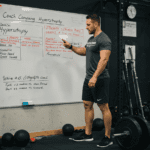
Use this simple weekly structure and pair every session with a fast gear check.
Weekly layout (3–4 training days):
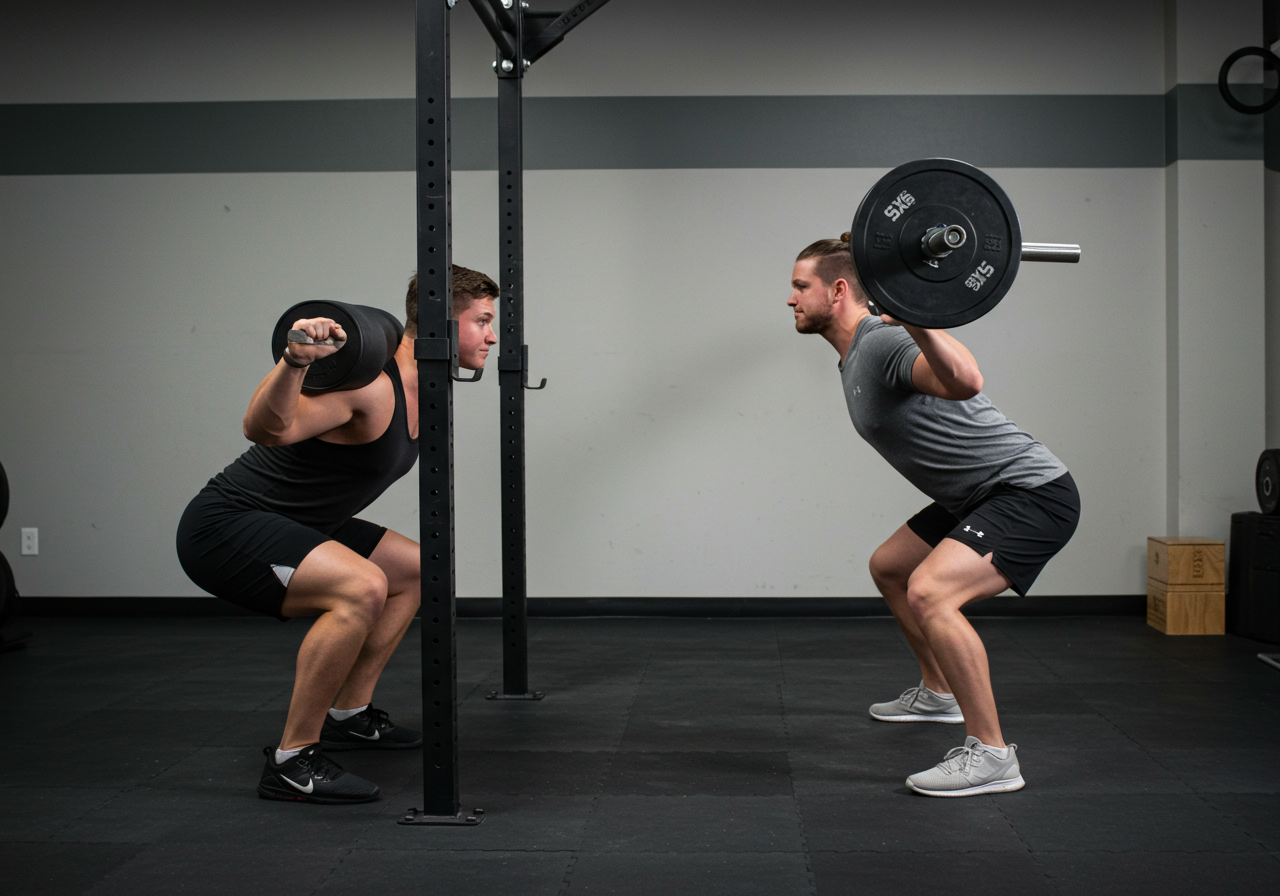
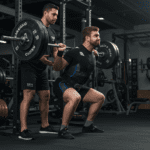
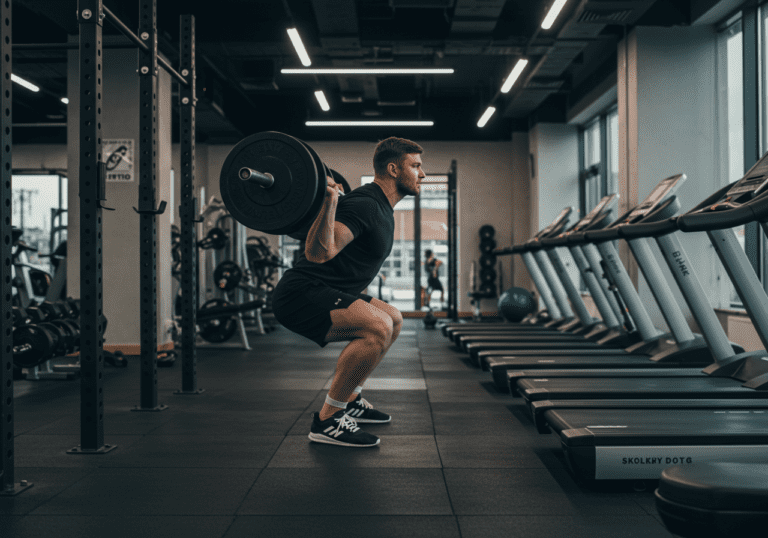
Day 1 — Strength A (45–60 min): Warm-up; squat pattern; hinge accessory; push; row; carry. Aim 3×6–10 at RPE 6–8.
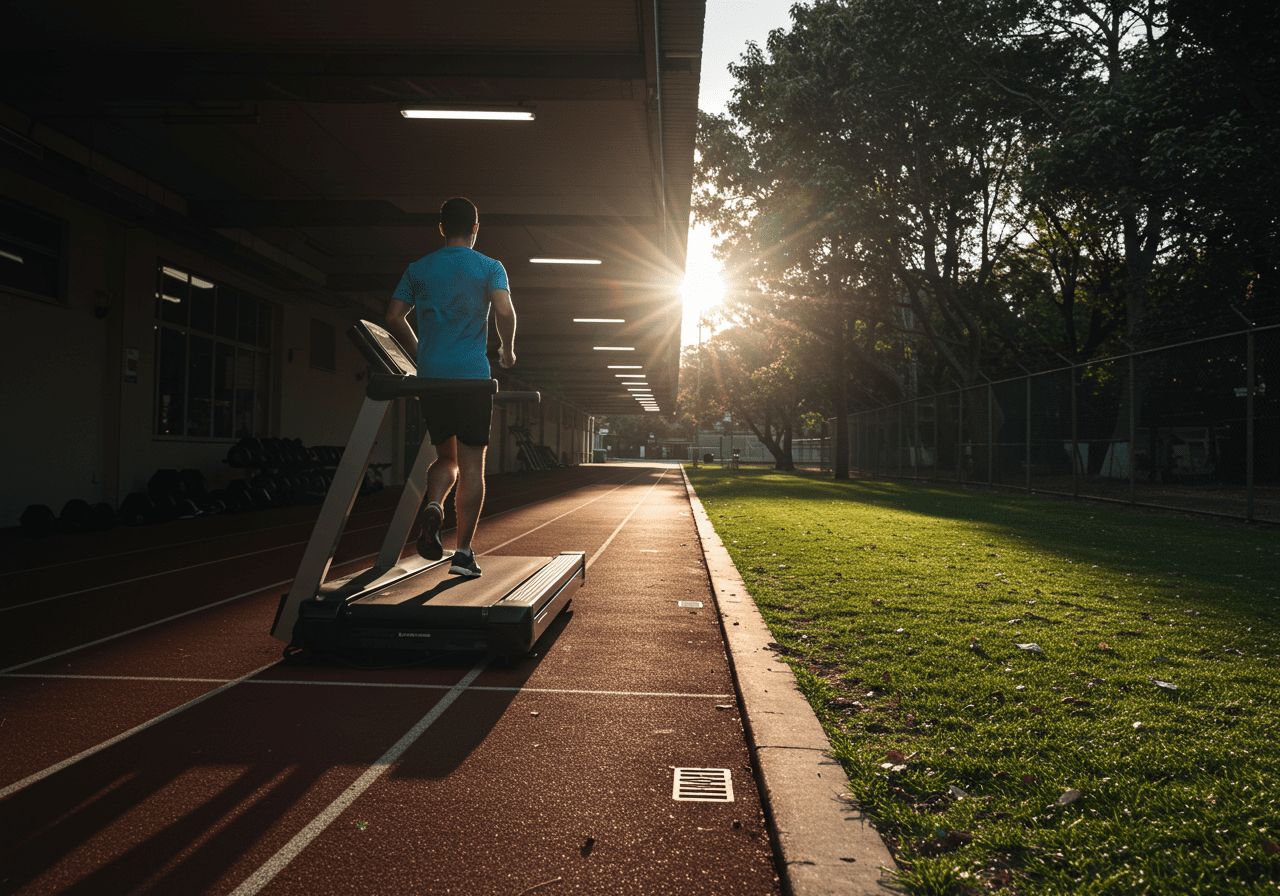
Day 2 — Cardio Z2 (30–50 min): Conversational pace; HR roughly 60–70% max. Optional 5×20-sec strides at the end.
Day 4 — Strength B + Intervals (45–60 min): Hinge focus (e.g., deadlift or kettlebell swing); lunge; vertical press; pull; then 6–10 min of short intervals (e.g., 6×30 sec fast/90 sec easy).
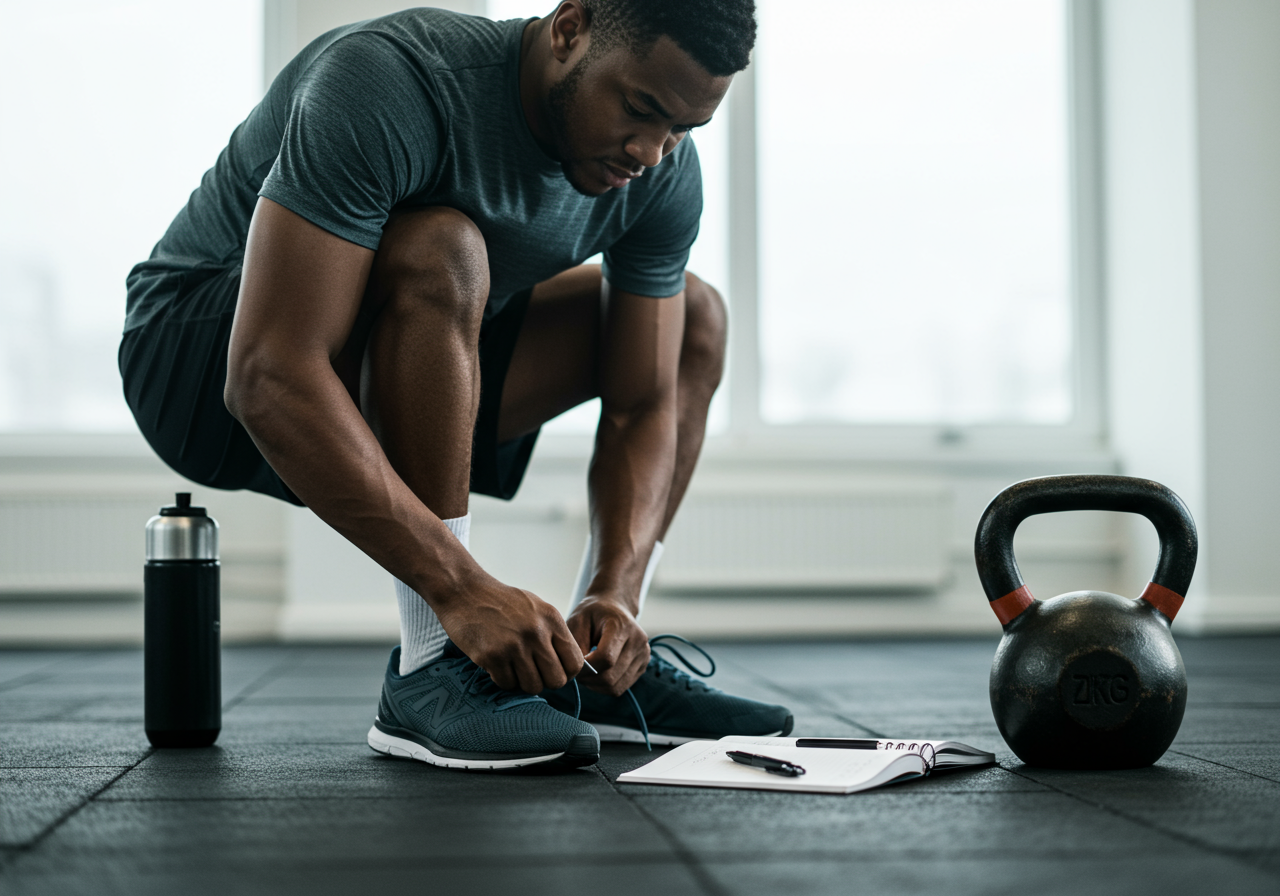
Before every session (2-minute gear audit):
Space: Clear floor; check for slip hazards.
Footwear: Look for compressed midsoles or peeling tread; lace snugly.
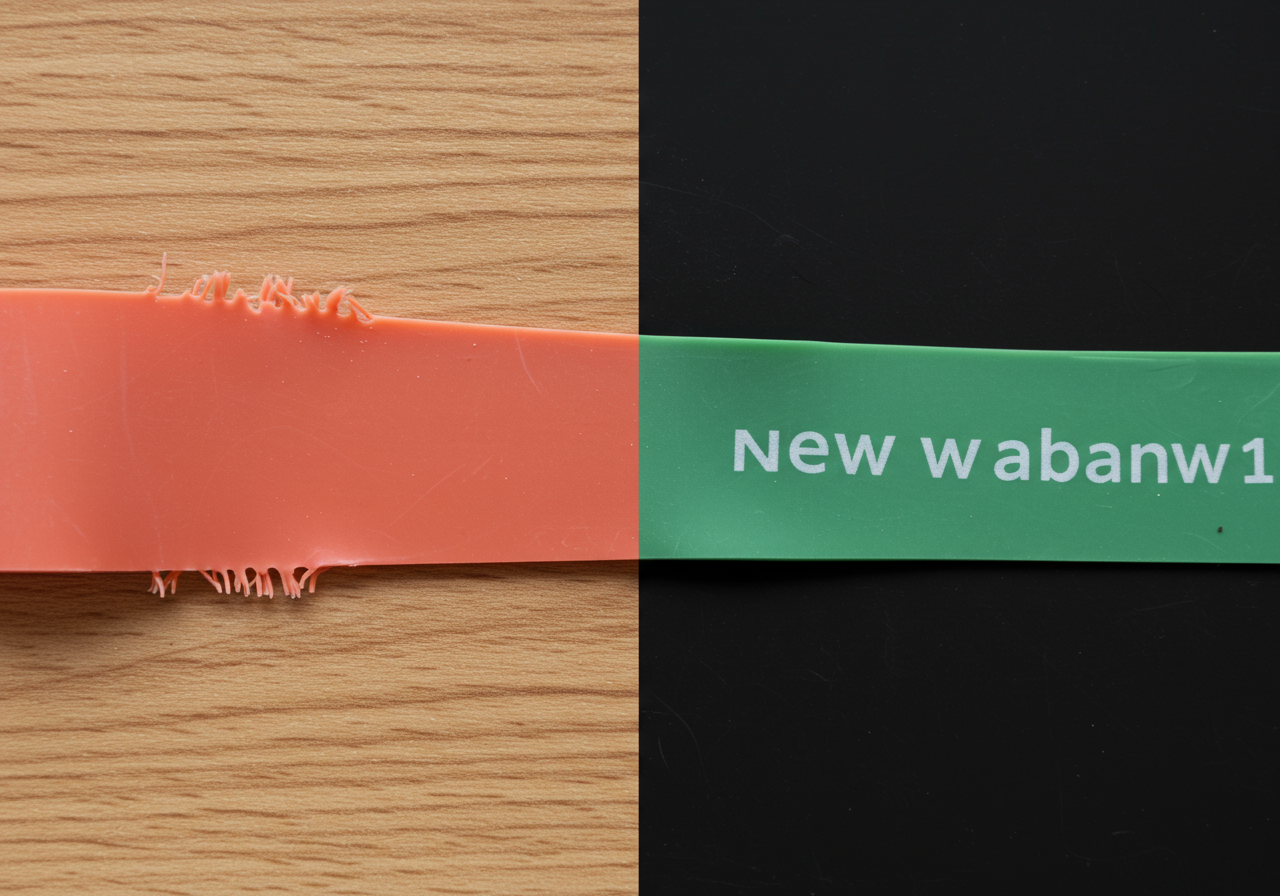
Strength gear: Tighten barbell collars; verify rack pins and safeties; inspect bands for cracks; wipe chalk/sweat from knurling.
Cardio gear: Bike tires inflated; quick chain wipe and spin; treadmill belt centered; rower foot straps intact.
Tech/tools: Start watch or app; battery >20%; log template open.
Weekly deep check (10 minutes):
Tighten bolts on racks, benches, pedals; look for loose hardware.
Clean sweat salt off metal; light oil on bar sleeves or bike chains (per manufacturer).
Check bands and cables under tension; retire any that thin or crack.
Cardio Z2 example: 40 minutes at a pace where you can hold a sentence. If you use a wearable, stay near your individual Zone 2. I’m usually 130–140 bpm for steady-state.
Load progression: If last set ≤RPE 7, add 2.5–5% next time. If form degrades or RPE ≥9, hold or reduce load.
Tracking tools I use: Strength app (Strong) for sets/reps; Garmin/Strava for HR and pace; MyFitnessPal for nutrition; notes on sleep (hours and quality) and morning resting HR.
Nutrition & recovery basics: Protein ~1.6–2.2 g/kg/day; carbs around training to fuel work; creatine monohydrate 3–5 g/day if tolerated; hydrate with electrolytes during heat. Sleep 7–9 hours; a 10-minute walk post-meal helps recovery.
Real-world notes: In my last 4-week block, back squat moved from 3×8 @ a moderate load to slightly heavier at similar RPE, and my Zone 2 average HR dropped a few beats at the same pace—consistent with better efficiency.
Twelve-Week Progression With Rotating Gear Focus
Advance volume, intensity, and skill while pairing a rotating focus for equipment checks.
Caption: 12-week roadmap for training stress and rotating gear checks.
Weeks 1–2 (Beginner): 3 days/week; Strength 2x/week @ RPE 6–7; Z2 25–35 min. Gear focus: shoes + bands.

Weeks 3–4: 3–4 days/week; add 1 set to main lifts; Z2 30–40 min. Gear focus: rack bolts, collars, bench pads.

Weeks 5–6 (Early Intermediate): Introduce barbell or heavier KBs; intervals 4x30 sec fast. Gear focus: bar sleeves, knurling rust, bike chain.

Weeks 7–8: Main lifts 3x6–10 @ RPE 7–8; Z2 40–50 min; intervals 6x30 sec. Gear focus: treadmill/rower belts, foot straps.

Week 9 (Intermediate): Slight load bump (+2.5–5%) if RPE ≤7; add single-leg work. Gear focus: lunge area stability, mat wear.

Week 10: Maintain volume; technique refinement; practice bracing and tempo. Gear focus: lighting, floor traction, chalk management.

Week 11 (Deload): Reduce volume ~30–40%; keep movement quality high. Gear focus: deep clean, re-lube moving parts.

Week 12 (Test/Assess): Retest 5-rep loads or 8-min submax pace; compare notes. Gear focus: replace worn items; archive photos of wear patterns.
How to climb levels: Beginners master form and consistent logs. Intermediates add small load waves and short intervals. Advanced lifters blend heavy sets (RPE 8) with microcycles and specific conditioning targets, always capped by pristine equipment.
If progress stalls: Hold load and add one easy back-off set; or reduce volume 20% for a week and improve sleep and carb timing. Check gear—wobbly benches and slick soles can mask strength.
Safety Tips and Recovery Metrics for Progress
Frequency & intensity: Most beginners thrive on 3–4 days/week. Keep most work at RPE 6–8, with rare pushes. For cardio, 80–90% easy, 10–20% hard.
Common mistakes:
Skipping the gear audit because “it’s fine.” Small issues become big injuries.
Chasing load weekly without form videos or notes.
Under-fueling on strength days; carbs are levers for performance.
Sleeping <6 hours and expecting steady progress.
Monitoring: Log session RPE, top set load/reps, total time, and one recovery metric (sleep hours or resting HR). If morning HR is elevated 5–7 days in a row and RPE climbs, back off.
Troubleshooting:
Plateau: Add a technique primer (tempo reps or pauses), or shift rep range for two weeks.
Overreaching signs: Mood dips, high RPE at normal loads, lingering soreness. Deload 30–40% and emphasize sleep, protein, and steps.
Motivation lapses: Book a mini-test at Week 4 and 8; train with a friend; set app reminders for the audit.
Niggles: Reduce ROM or swap patterns (e.g., goblet for back squat), keep Z2 easy, and consult a qualified clinician if pain persists.
Client voices: “The 2-minute check became habit. No more ‘why did this feel off?’ days,” wrote a beginner after six weeks. Another noted fewer missed runs once she rotated shoes and logged reminders.
Next steps: Download the printable checklist, set monthly reminders, and subscribe for a video form library. Keep your training steady, your gear sound, and your body thriving.
Align Food Choices with Your Training Goals Learning how to read nutrition labels can supercharge beginner training by aligning food choices with workouts and recovery. This guide gives you an easy system for training, fueling, and tracking. Quick answer: choose clear serving sizes, 15–30 g protein per meal, higher fiber, lower added sugar, and match…
Build Athletic Range With Yoga-Based Mobility Training Yoga-based mobility improves athletic performance by building usable range, end-range control, and calm breathing under pressure. Today you’ll learn how to plug it into strength, cardio, and sport practice without losing time or power. Direct answer: Do 10–20 minutes of targeted flows before or after training, three to…
Blend Treadmill Control with Outdoor Running Specificity Treadmill vs Outdoor Running can be trained together with one plan. You will learn how to split sessions, match effort, and progress every week. Quick answer: blend 1–2 treadmill workouts for control and 2–3 outdoor runs for real‑world specificity to improve faster and safer. Precision Indoors, Real-World Resistance…
Hook & Quick Overview Shoulder Mobility Drills to Prevent Impingement and Pain matter because tight tissues and weak stabilizers make overhead movement cranky fast. This guide gives you a proven, beginner-friendly system. Direct answer: Practice 8–12 minutes of targeted mobility daily and 2 strength sessions weekly to reduce shoulder impingement risk and pain. You will…
Fast Start Deload weeks convert hard training into reliable progress by lowering fatigue while keeping your movement sharp. In this guide, you’ll learn when to schedule them, how much to cut, and simple templates that protect strength and joints. Plan deload weeks by reducing volume 30–50%, keeping technique sharp, and maintaining intensity around RPE 6–7…
Build Balanced Legs with Single-Leg Training Progressions Single-leg strength exercises fix wobbly knees, even out leg size, and translate to real-world power. This guide shows you the exact routines, weekly progressions, and recovery rules I use with new lifters and busy clients. Train them 2–3 days weekly, progress load and range, and expect steadier knees…