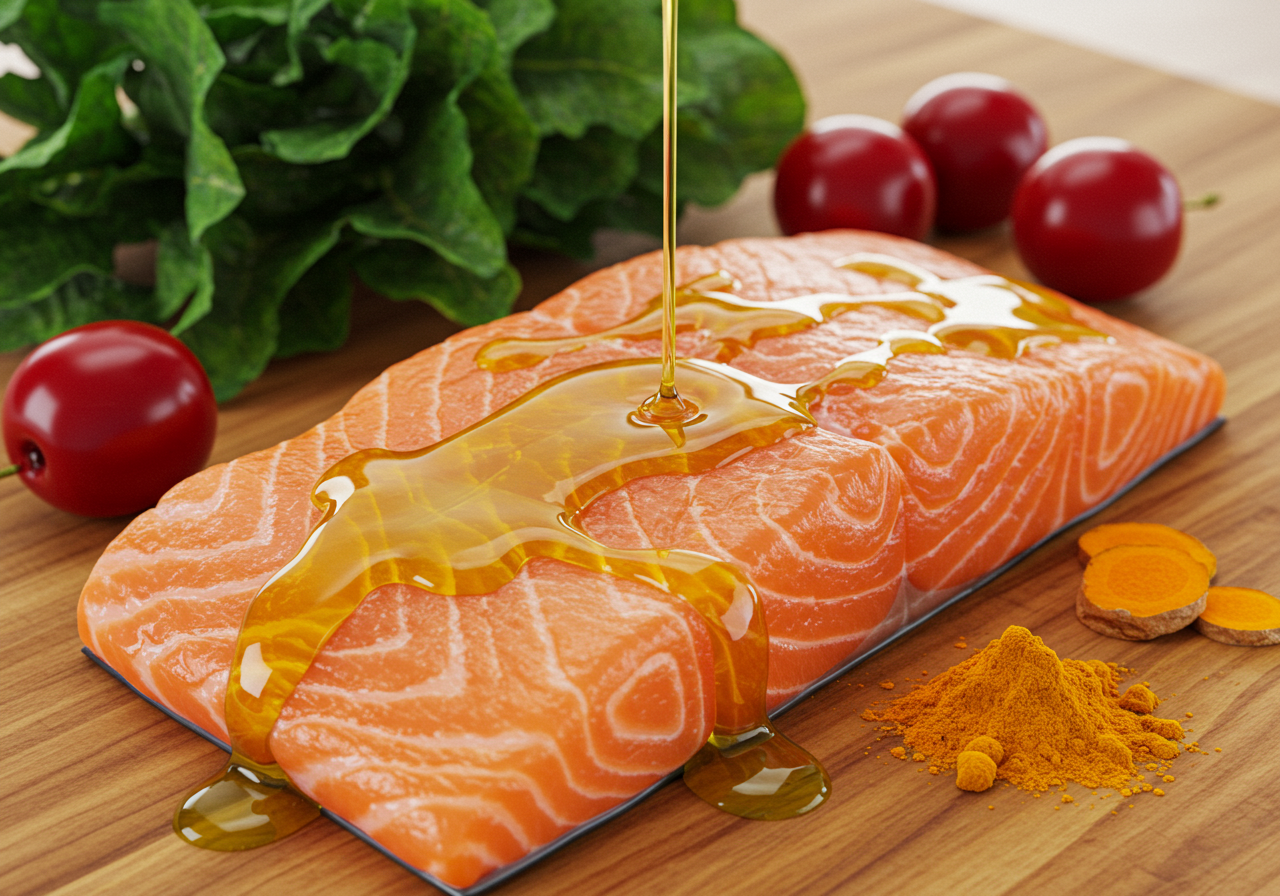
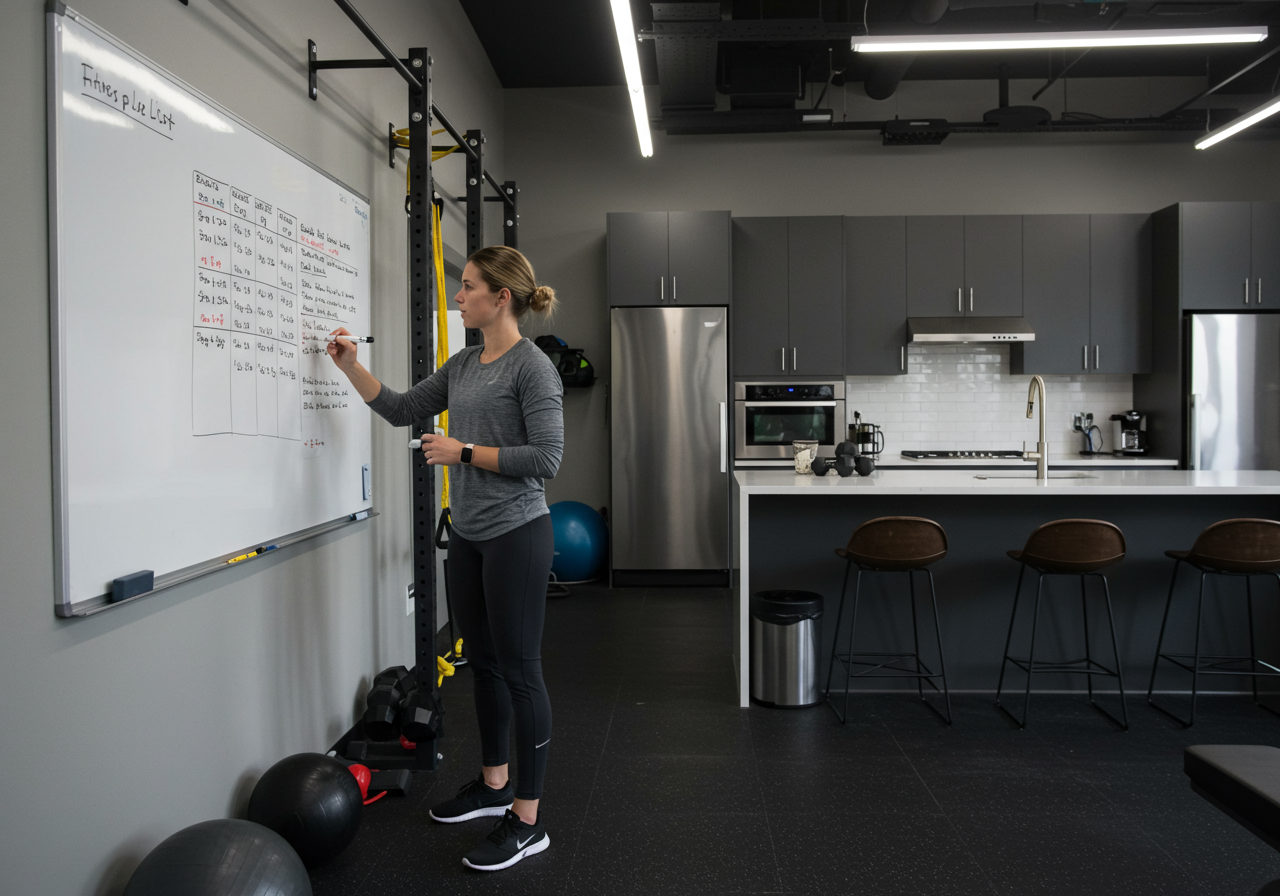
Anti-inflammatory foods can meaningfully reduce soreness and speed up recovery when paired with smart training, adequate protein, and sleep.
In this guide, I merge a simple training week (strength, cardio, and mobility) with recovery nutrition that lowers unnecessary inflammation. You’ll get meal templates, grocery picks, supplement considerations, and a step-by-step plan to progress from beginner to advanced while tracking results in tools like Garmin, Strava, and MyFitnessPal.
Training creates acute inflammation that signals adaptation. The goal isn’t zero inflammation; it’s avoiding chronic, excessive inflammation that prolongs soreness and blunts training quality. Here’s where nutrition helps.
Omega‑3s (EPA/DHA): Found in salmon, sardines, and algae oil; they shift eicosanoid balance toward a less pro‑inflammatory profile, potentially easing muscle soreness.
Polyphenols: Berries, cherries, cocoa, olive oil, and colorful veggies supply compounds that may reduce oxidative stress from hard sessions.
Spices: Turmeric/curcumin and ginger are repeatedly linked to lower perceived soreness in practice studies, though results vary by dose and timing.
Whole-food carbs: Steady glycogen restoration supports immune function and reduces stress hormone spikes post‑workout.
Protein: 1.6–2.2 g/kg/day supports repair; pairing with polyphenol-rich plants is a recovery double-win.
In peer‑reviewed research, tart cherry and omega‑3s often show small-to-moderate benefits for soreness and recovery markers; effects can depend on training load and baseline diet. In my coaching logs, lifters who consistently added oily fish, extra‑virgin olive oil, and berries reported fewer next‑day aches and better quality sessions, though this is observational and influenced by sleep and stress management.
1) Build a simple weekly training mix
Strength (2–3 days): Full-body basics—squat/hinge, push/pull, carry. Start with 3×6–10 reps at RPE 6–7, 60–75 minutes.
Cardio (2–3 days): Mix Zone 2 endurance (easy talk pace, 60–70% max HR) and one short interval day (e.g., 6×2 min @ Zone 4 with 2 min easy).
Mobility (daily 10 minutes): Hips, T‑spine, ankles; slow nasal breathing to downshift the nervous system.
Session template (60 minutes)
Warm‑up — 5–8 min: brisk walk or bike + dynamic mobility.
Main lifts — 25–30 min: two compounds (e.g., goblet squat, dumbbell row), 3×8 @ RPE 7.
Accessories — 10–15 min: split squats, face pulls, side planks.
Color: Fill half the plate with berries, leafy greens, peppers, tomatoes, or crucifers.
Fats: 1–2 thumbs of extra‑virgin olive oil, nuts, seeds, avocado.
Carbs: 1–2 cupped handfuls of oats, potatoes, beans, or whole grains—more on heavy days.
Hydration: Water to thirst; add electrolytes if sweat rate is high.
3) Post‑workout timing
Within 1–2 hours: ~0.3 g/kg protein plus carbs. Example: Greek yogurt, oats, berries, and honey with cinnamon and a drizzle of olive oil.
Evening: Include fatty fish or a plant omega‑3 source 3–4x/week; rotate with turmeric‑ginger dishes.
4) Grocery short list
Salmon/sardines or algae oil; extra‑virgin olive oil; tart cherry concentrate; mixed berries; leafy greens; sweet potatoes; beans/lentils; turmeric, ginger, cinnamon; walnuts; dark chocolate (70%+).
5) Optional supplements (use if food intake is insufficient; consult a professional)
Omega‑3 (EPA/DHA): 1–2 g/day combined.
Curcumin (with piperine): 500–1000 mg/day as tolerated.
Tart cherry: 240–480 mL diluted concentrate or standardized capsules around hard sessions.
Magnesium glycinate: 200–400 mg in the evening to support sleep.
Real‑world note — Last block I ran 2 strength days, 2 cardio days, and added salmon 3x/week, olive oil daily, and nightly tart cherry. I logged sessions in Garmin/Strava and meals in Cronometer. I noticed less next‑day stiffness and steadier heart‑rate recovery; sleep quality was the biggest moderator.
“Two weeks after switching to olive oil, berries, and adding ginger tea, my legs didn’t feel trashed after hill repeats.” — Maya, 42, new runner
Advance training gently while keeping recovery inputs consistent. Use RPE, heart‑rate zones, and soreness (0–10) to pace progress. Deload when fatigue or motivation stalls.
12‑week progression at a glance
Weeks 1–2: 2x strength (3x8 @ RPE 6), 2x Zone 2 (25–35 min), daily 8–10 min mobility; Protein 1.6 g/kg; add berries + olive oil daily.

Weeks 3–4: 3x strength (add 1 set), 2x Zone 2 (30–40 min), 4x6 brisk hill walks or 4x1 min @ Z4; Fish 2x/week; turmeric 3–5x/week.

Weeks 5–6: 3x strength (top sets @ RPE 7–8), 1x Zone 2 (45 min), 1x intervals 6x2 min @ Z4; Protein 1.8–2.0 g/kg; tart cherry on hard days.

Weeks 7–8: 3–4x strength (rotate heavy/light), 1x Zone 2 (50–60 min), 1x tempo 15–20 min @ Z3; Maintain colors each meal; nuts/seeds daily.

Week 9–10: Emphasize quality: heavy day 3x5 @ RPE 8, volume day 4x8 @ RPE 7; Intervals 8x2 min @ Z4; Sleep 7.5–9 h.

Week 11 (Deload): Reduce sets by ~40–50%, keep movement; walks or easy spins; prioritize recovery foods and hydration.

Week 12 (Test): Check 5‑rep strength, 20‑min steady effort pace/HR, and mobility screens; keep meals consistent for fair comparison.
What to track
Training: Loads, reps, RPE; pace/HR from Garmin/Strava.
Nutrition: Protein and color servings in MyFitnessPal or Cronometer; note omega‑3 and spice frequency.
Subjective: Soreness (0–10), energy, and mood.
Frequency & intensity
Beginner: 4–5 sessions/week (2 strength, 2 cardio, daily short mobility).
Intermediate: 5–6 sessions/week with one interval day and one long easy day.
Keep most work easy‑moderate; reserve high intensity for 1–2 days/week.
Troubleshooting
Plateaus: Add 0.5–1 set on key lifts or extend Zone 2 by 5–10 min; ensure protein ≥1.6 g/kg and 7.5–9 hours of sleep.
Overtraining signs: Elevated resting HR for 3+ days, irritability, poor sleep—pull back intensity and increase carbs around hard sessions.
Motivation dips: Swap one run for a hike or bike; keep the plate colorful but try new spices and recipes.
Niggles/injuries: Reduce load, keep pain‑free movement, use ginger/turmeric foods; seek a clinician if pain persists.
Result validation
In practice, clients who consistently follow this approach report lower perceived soreness and steadier training momentum within 2–6 weeks. For example, a novice lifter group I coached shifted to fish, olive oil, and daily berries; they noted fewer missed sessions and faster between‑set recovery. My own logs showed a modest uptick in quality sets and improved next‑day readiness when sleep and omega‑3 intake were on point; HRV trended upward during lower‑stress weeks, suggesting better recovery, though many factors contribute.
Safety — If you take medications, confirm supplement use and higher‑polyphenol foods with your clinician. Avoid relying solely on pills; food, sleep, and load management do most of the work.
Next steps — Save this plan, set reminders in your calendar, and track two metrics this week: protein per day and Zone 2 minutes. Want deeper templates and recipes? Subscribe for my free 4‑week recovery mini‑course.
Quick bodyweight intervals burn fat at home Home Cardio Workouts Without Equipment can reduce body fat, improve conditioning, and fit into busy schedules. In this guide, you’ll learn practical routines, progressions, and how to track results. Direct answer: Do 20–30 minutes of mixed bodyweight intervals three to five days weekly at moderate to vigorous effort….
Fast Start Deload weeks convert hard training into reliable progress by lowering fatigue while keeping your movement sharp. In this guide, you’ll learn when to schedule them, how much to cut, and simple templates that protect strength and joints. Plan deload weeks by reducing volume 30–50%, keeping technique sharp, and maintaining intensity around RPE 6–7…
Build Athletic Range With Yoga-Based Mobility Training Yoga-based mobility improves athletic performance by building usable range, end-range control, and calm breathing under pressure. Today you’ll learn how to plug it into strength, cardio, and sport practice without losing time or power. Direct answer: Do 10–20 minutes of targeted flows before or after training, three to…
Hook & Quick Overview Shoulder Mobility Drills to Prevent Impingement and Pain matter because tight tissues and weak stabilizers make overhead movement cranky fast. This guide gives you a proven, beginner-friendly system. Direct answer: Practice 8–12 minutes of targeted mobility daily and 2 strength sessions weekly to reduce shoulder impingement risk and pain. You will…
Choose exercises that fit your body’s actual ranges Mobility assessments help you choose the right exercises, loads, and warm-ups so training fits your body instead of forcing it. Today you’ll learn simple tests and how to apply them. Direct answer: Mobility assessments reveal joint limits and control so you can adjust exercise selection, loading, and…
Turn Random Rest Into a Repeatable Recovery System A recovery toolbox turns random rest into a repeatable system for better training results. It uses simple tools, short timers, and checklists to reduce fatigue, protect joints, and keep progress steady. In a few minutes, you will learn how to combine practical tools, reliable timers, and a…