Catch Overtraining Early With Simple Weekly Symptom Scans
Overtraining syndrome can sneak up on beginners; here’s how to identify it fast and recover properly. Core signs: lasting fatigue, performance decline, mood shifts, poor sleep; recover by cutting training volume, sleeping 7–9 hours, and fueling adequately.
In this guide, I’ll show you my field-tested system to catch warning signs early, adjust training loads without losing hard-won gains, and return to progress with confidence.
How Stress Hormones and HRV Reveal Training Imbalance
When training stress outruns recovery, the nervous and hormonal systems drift off balance. Athletes may show higher resting heart rate, lower heart rate variability, disrupted sleep, irritability, reduced appetite, and stalled performance. In practice and in peer‑reviewed reports, these patterns align with excessive cumulative fatigue.
Mechanistically, long spells of hard work with poor refueling can elevate stress hormones and dampen parasympathetic tone. That often presents as difficulty hitting usual paces or loads despite trying harder. If unaddressed, weeks of this state can lead to prolonged setbacks.
From my own log: a 6‑week build last spring with extra interval days looked great on paper, but Garmin HRV status trended low for five days, resting heart rate rose +8 bpm, and my easy Zone 2 runs felt like Zone 3. I reduced volume by half for a week, added carbs and sleep, and pacing normalized within 10 days.
Client Ana (beginner, busy nurse): “I went from dragging through lifts to PR’ing my goblet squat again after one deload week, earlier bedtimes, and a simple carb bump. I felt human.”
Track Resting Heart Rate and Session RPE Weekly
Run a weekly symptom scan (2–3 minutes). Rate each 0–3: fatigue, mood/irritability, sleep quality, soreness, appetite/libido, motivation, and performance consistency. Two or more at 2–3 is a yellow flag; four or more is red.
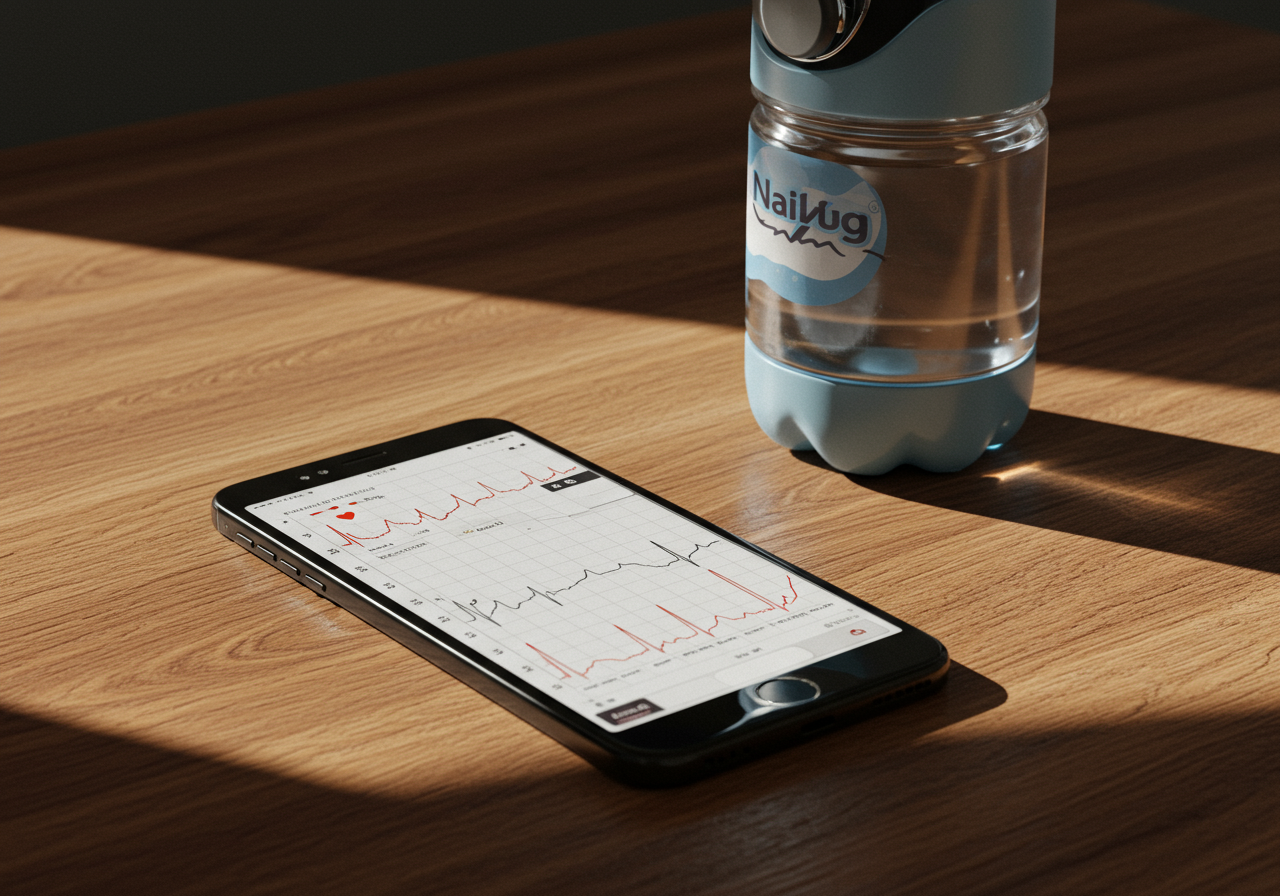
Track simple recovery metrics. Use a wearable or app (Garmin, Polar, Fitbit, WHOOP, Oura). Monitor resting heart rate (RHR), HRV trend, sleep hours, and training monotony (how similar your daily loads are). Baselines matter; watch trends rather than single numbers.
Quantify training load. For cardio, record minutes × session RPE (0–10). For strength, estimate volume (sets × reps × load) and note session RPE. Apps like Strava (cardio) and Hevy/Strong (lifts) help. Keep a simple weekly total and the ratio to your 4‑week average.
Use practical red‑flag thresholds. Examples I’ve found useful: RHR ↑ ≥5–10 bpm from baseline for 3+ mornings; HRV suppressed versus your 7‑day norm; performance drop across two sessions at usual effort; sleep under 7 hours for 3+ nights; mood/motivation rated 2–3 for most days.
Apply the tiered recovery protocol. – Green (no flags): Train as planned. – Yellow (1–2 red flags): Reduce volume 20–30% for 3–5 days; keep intensity mostly easy (Zone 2/RPE 5–6); swap one hard session for technique or mobility. – Red (3+ flags or persistent): Cut volume 40–60% for 7–10 days; avoid high‑intensity intervals and near‑max lifting; add two full rest days.
Fuel for repair. Protein 1.6–2.2 g/kg/day, carbs 3–6 g/kg/day for mixed training, fats to preference. Before hard sessions, add 30–60 g carbs; after, 20–40 g protein plus carbs. Hydrate with electrolytes if sweating heavily (aim for pale yellow urine). Log briefly in MyFitnessPal for a week to calibrate.
Sleep and stress hygiene. Target 7–9 hours. Consistent bedtime, dim lights an hour pre‑sleep, and a quick downshift routine (5 minutes nasal breathing or legs-up-the-wall). Caffeine cut 8 hours before bed.
Active recovery menu. 20–40 minutes easy Zone 1–2 cardio, light mobility, or a short walk after meals. For sore areas, try 5–10 minutes of localized mobility and gentle isometrics instead of full rest.
Rebuild carefully after a deload. Add back 10–15% weekly volume until you reach prior levels, reintroduce intensity with one quality session first, and retest a modest benchmark (e.g., 5‑rep load or a 12‑minute run) only when daily readiness feels good for 3–4 days.
See a clinician when needed. If fatigue persists beyond two weeks despite proper deload, if you have abnormal pain, or if you’re unsure about symptoms, consult a qualified health professional.
Eight-Week Beginner to Advanced Load Progression Plan
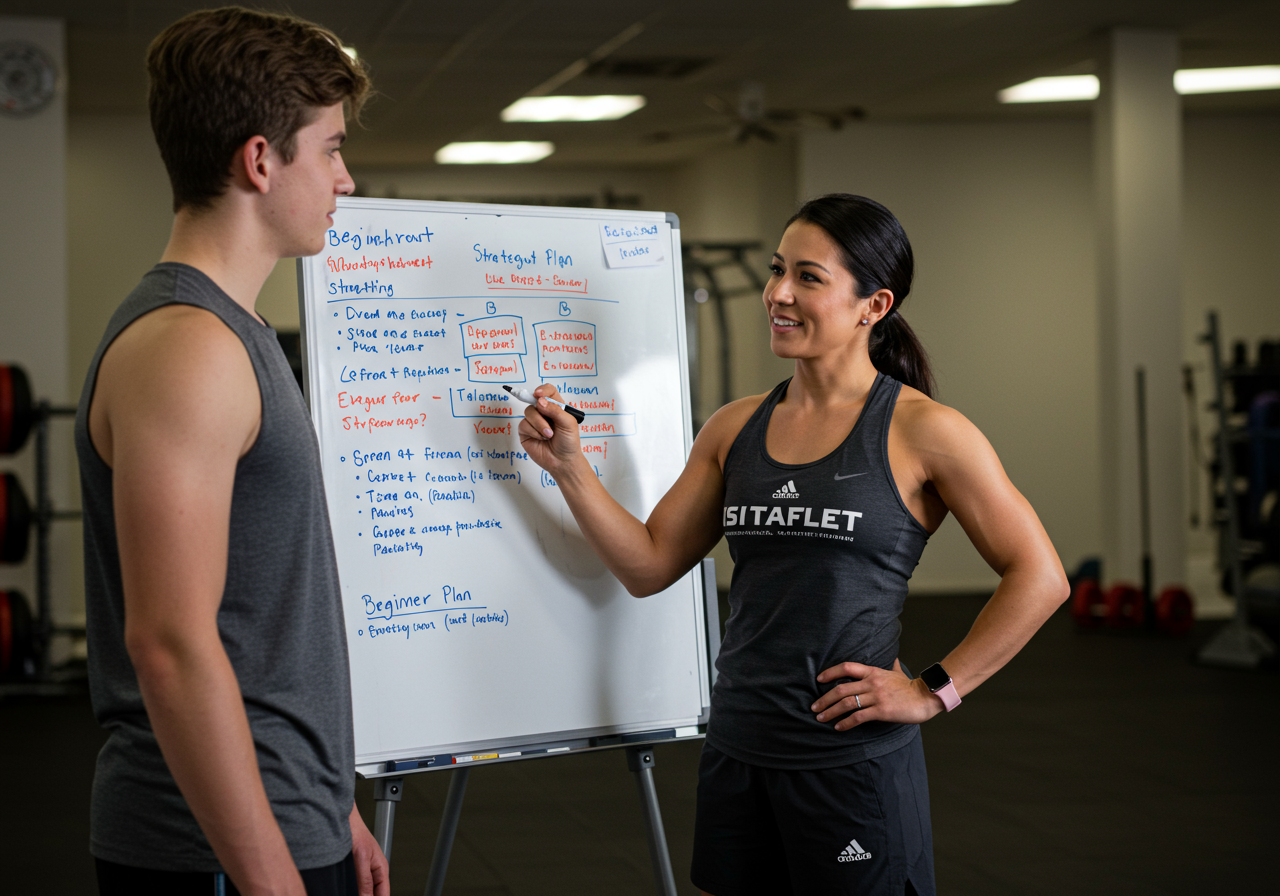
Caption: Example 8‑week load plan blending cardio, strength, and recovery to prevent overtraining while building fitness.
Week 1 (Beginner): 3 days full‑body (2x10 @ RPE 6), 2 x 25–35 min Z2 runs/rides, 2 rest days

Week 2: Same lifts (add 1 set), Z2 30–40 min, 1 optional strides/short hill sprints, 1 rest day

Week 3: Lifts 3x8 @ RPE 7, Z2 35–45 min, 1 tempo intro (10 min @ Z3), 1 rest day

Week 4 (Deload): Lifts 2x8 @ RPE 6, Z2 only 25–35 min, extra mobility, 2 rest days

Week 5 (Intermediate): Lifts 3x6 @ RPE 7–8, add 1 accessory, Z2 40–50 min, 1 interval (6x2 min @ Z4), 1 rest day

Week 6: Lifts undulate (3x8 lower, 4x5 upper), Z2 45–55 min, tempo 2x10 min @ Z3, 1 rest day

Week 7 (Advanced‑leaning): Lifts heavy day (4x4 @ RPE 8) + volume day (3x8 @ RPE 7), polarized cardio: 2 Z2 sessions 45–60 min + 1 hard (8x2 min Z4), 1 rest day

Week 8 (Deload/test): Reduce total volume 40%, keep light technique, one short benchmark: 12‑min run distance or 5‑rep load on a main lift
Notes for scaling: Beginners favor more Z2 and fewer hard days; intermediates add one intensity session; advanced athletes keep most training easy while protecting one high‑quality interval day and one heavy strength day.
Avoid Stacking Hard Days and Ignoring Mood Shifts
Frequency & intensity: Most beginners thrive on 3–4 days/week with one hard day. Intermediates can handle 4–5 days with two focused sessions. Keep easy days truly easy.
Common mistakes: Stacking hard days, chasing wearable scores, skipping carbs, testing maxes when tired, and ignoring mood changes. I’ve made them all—course‑correction beats stubbornness.
Monitoring: Track RHR/HRV upon waking, session RPE, and sleep. A simple Google Sheet, Strava for cardio, and a lifting app keep everything visible. Review weekly trends, not single spikes.
Injury caution: New pain that alters your movement calls for rest and assessment. Swap impact for cycling/elliptical, keep range‑of‑motion gentle, and escalate care if pain persists.
Nutrition & recovery boosters: Distribute protein across 3–5 meals, include carbs around training, stay hydrated, and aim for a consistent bedtime. Creatine monohydrate (3–5 g/day) can support training; check with your clinician if unsure.
Validating results: In my practice, after a 7–10 day volume cut plus sleep focus, most clients regain prior paces/loads within 1–3 weeks. In similar training reports, restoring easy‑day discipline prevents recurrence.
If you found this useful, subscribe for my free readiness checklist and a weekly progression planner template compatible with Garmin and Strava exports.
Quick Overview: Zone Targets and Weekly Structure Heart Rate Zone Training helps beginners build endurance smarter with clear intensity targets. You’ll learn how to set your zones, plan workouts, and track progress without guesswork. Direct answer: Spend most sessions in Zone 2, add short Zone 4–5 intervals weekly, and take at least one full rest…
Strategic Cold Plunge Timing for Recovery and Performance Cold water immersion can be a powerful recovery tool when you integrate it into a structured week of cardio, strength, and mobility. Use cold water immersion after cardio or on rest days, 2–10 minutes at 10–15°C, and avoid right after heavy lifting. In this guide you’ll learn…
Incremental loading in rehab gives you a clear path to restore capacity without re-injury. Increase load 2–10% when pain stays ≤3/10 during activity and the next day. In the next few minutes, you’ll learn the exact steps I use with clients and in my own training: pain rules, weekly progressions, session templates, tracking, and recovery…
Build Endurance With 2-4 Weekly Pool Sessions Swimming workouts for total-body endurance conditioning deliver cardio, core stability, and shoulder/hip strength with minimal joint stress. This guide shows you the exact session structure, weekly progressions, and recovery strategies I use with new swimmers. Direct answer: Train 2–4 times weekly, progress total meters by 10–15% max, and…