Turn Confusing Workouts Into Clear, Measurable Progress
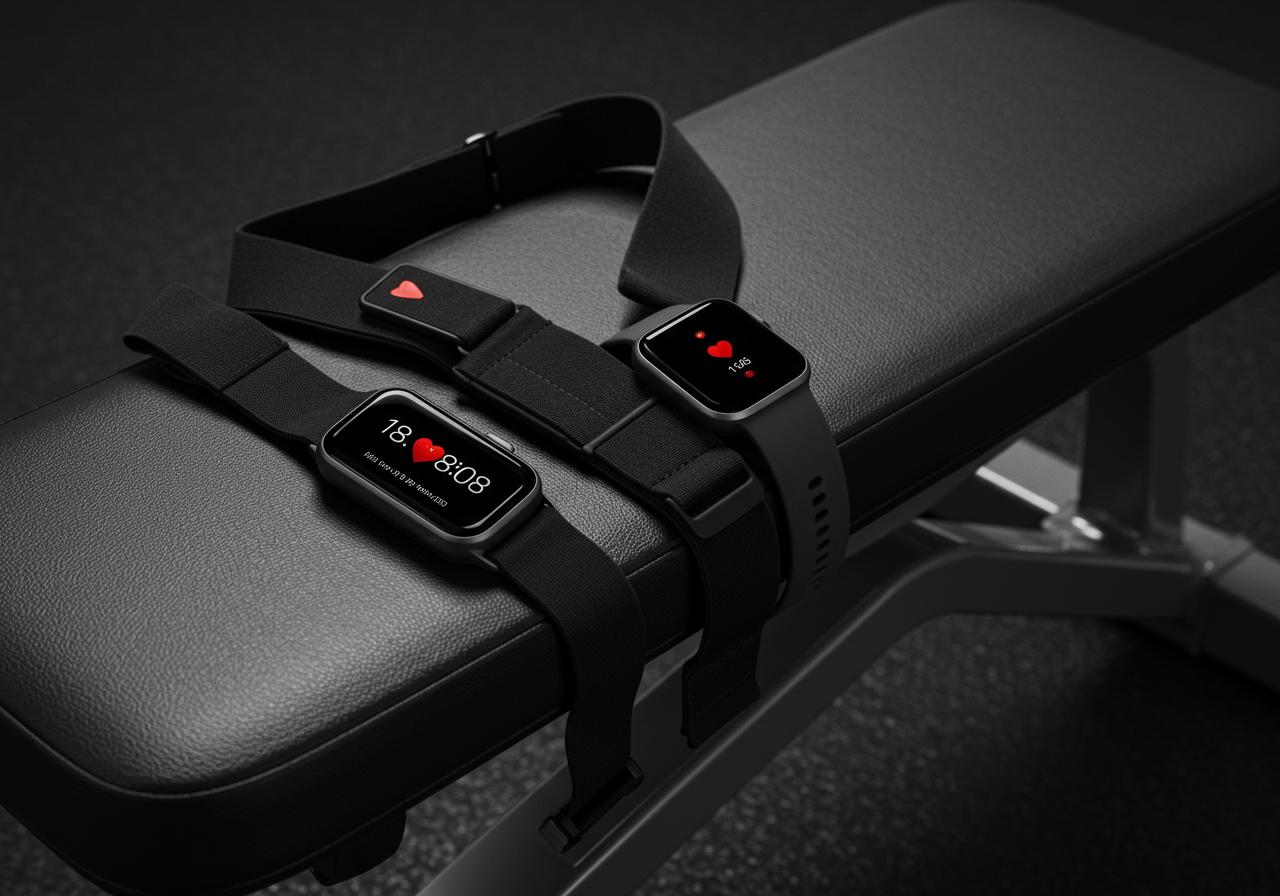
A heart rate monitor can turn confusing workouts into clear progress. In a few sessions, you 0 d see how your body responds and where to train for results.
Set zones, log time-in-zone, and compare pace or power at matched heart rates to confirm fitness gains.
Heart Rate Zones Build Aerobic Base and Threshold
Your heart rate reflects internal load four body s effort. Training by zones helps you build an aerobic base (easy, sustainable work), raise your threshold (comfortably hard), and sharpen top-end capacity (short, intense efforts). It s a more personal guide than pace, especially in heat, hills, or fatigue.
In practice, zone-based plans often deliver steadier progress than chasing speed alone. A peer-reviewed study trend suggests HR-guided endurance work can improve efficiency and reduce overreaching risk compared with arbitrary intensity. Chest straps generally read more accurately than wrist sensors, especially during intervals or strength movements.
From my coaching notes: a beginner cyclist using a chest strap saw their Zone 2 pace improve from ~16.5 to ~18.0 mph at the same heart rate after eight weeks, while reported effort dropped. Another client s 5K time improved about 3% after refining threshold work; their average race HR stayed similar, indicating better economy. Results vary, but this pattern is common when training and recovery are aligned.
Chest strap vs wrist: Straps (e.g., Polar H10, Garmin HRM) are best for fast changes; wrist optics can lag during sprints or lifts.
Decoupling (drift): If pace or power fades while HR stays the same, your aerobic base needs work or conditions (heat, dehydration) need adjusting.
Recovery signals: Resting HR and HRV trends help you avoid stacking hard days when your body s not ready.
How To / Step by Step
Pair your monitor correctly. Use a snug chest strap with fresh electrode contact (water or gel) for intervals. Pair to your watch or app (Garmin, Polar, Apple Watch + external strap, Fitbit). Start an activity and confirm stable readings during a brisk walk.
Get a safe starting max or threshold. If new to exercise, begin with a conservative estimate (e.g., age-based) for two weeks while you learn the feel. When ready, do a field test: a thorough warm-up, then 20 minutes at the best sustainable effort. Use the peak 20-minute average HR as a proxy threshold, or refine via a ramp plus hard finish. Stop if dizzy or in pain.
Build your zones (5-zone model). Use HRmax or threshold. Many apps will calculate automatically. If manual, a simple start: Z1 easy <60% HRmax; Z2 60 70%; Z3 70 80%; Z4 80 90%; Z5 >90%. Update after tests.
Run cornerstone workouts.
Base (Zone 2): 30 60 minutes steady breathing, conversation possible.
Tempo (upper Z3): 2 3 x 10 15 minutes with easy spins/jogs between.
Recovery (Z1): 20 30 minutes relaxed; great after strength days.
Log the right metrics. Track time-in-zone, average HR per segment, and pace or power at a fixed HR (e.g., your Zone 2 speed). Note RPE (1 10 scale) and conditions (heat, sleep, hydration).
Check decoupling (drift). Compare the first and second halves of a base session. If pace/power falls >~5% at the same HR, extend easy volume gradually before adding more intensity. TrainingPeaks shows this as Pa:Hr; many devices show similar metrics.
Strength counts too. For lifting days, let HR guide rest: start next set when HR drops below ~60 65% HRmax for hypertrophy work. Keep accessory circuits under a cap if you want a conditioning emphasis.
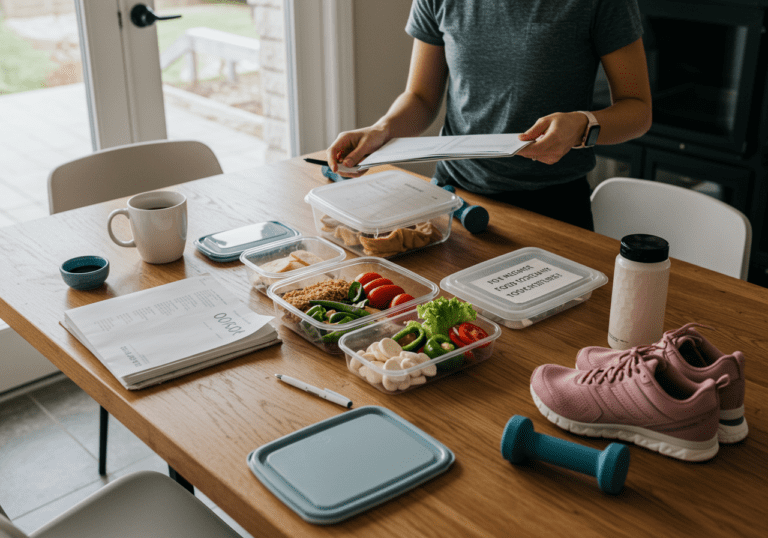
Sync and review. Use Garmin Connect, Polar Flow, Strava, or TrainingPeaks to visualize trends. For nutrition, log in MyFitnessPal or Cronometer to align fueling with training.
Nutrition & recovery basics: Aim for 1.6 2.2 g protein/kg/day, carbs to match workload (more on hard days), 7 9 hours sleep, and electrolytes in heat. Caffeine can lift performance but may raise HR; test your response.
Pair Your Monitor and Establish Safe Training Zones
Caption: Eight-week outline that increases time-in-zone and sharpens intensity while protecting recovery.
Weeks 1 2: 3 cardio days (2 x 30 60 min Z2, 1 x 6 8 x 60 90s Z4 with full recovery); 2 short strength sessions; 1 mobility.

Weeks 3 4: 3 4 cardio (1 x 45 65 min Z2, 1 x 2 x 10 15 min tempo Z3, 1 x 8 10 x 60 90s Z4); keep strength twice weekly.

Week 5 (deload): Cut cardio time and intensity by ~30 40%; technique and recovery focus; maintain easy Z1 Z2.

Weeks 6 7: 4 cardio (2 x Z2 totaling 90 120 min, 1 x Z3 tempo, 1 x Z4/Z5 intervals); optional strides or hill sprints.

Week 8: Re-test threshold or verify progress with a submax check (see below); adjust zones if warranted.
Beginner cues: Breathe through the nose or talk in full sentences during Z2. If HR jumps early, slow down for a minute, then ease back. Aim to add 5 10 minutes total Z2 per week.
Intermediate options: Choose a polarized approach (about 80% Z1/Z2, 20% Z4/Z5) or pyramidal (mostly Z2, some Z3, little Z4/5) based on preference. Cyclists can include a long Z2 ride; runners can add short post-easy-day strides (6 10 x 10 15 seconds) for coordination without spiking HR.
Advanced layers: Threshold blocks (3 x 12 16 min Z4 with generous recovery) for 3 4 weeks, then a lighter week. Keep strength (1 2 sessions) to maintain resilience: compound lifts 3 4 sets of 4 8 at RPE 7 9, avoiding failure to protect key endurance days.
Validating results (no max test needed): Repeat a 45 60-minute Zone 2 session on a similar route. If your pace or power at the same average HR improves (or RPE drops), your aerobic efficiency likely increased. In warm weather, confirm improvements across multiple sessions to offset heat effects.
Common pitfalls: Camping in mid-Zone 3 too often, chasing pace in heat or on hills, ignoring drift signals, and skipping deloads. Correct by adding easy volume first, using terrain-appropriate power/pace targets, and scheduling lighter weeks every 4 8 weeks.
Eight-Week Plan: Zone Two to Interval Intensity
Weekly rhythm: 3 5 cardio sessions (most in Z2), 2 strength, 1 mobility. Keep hard days hard and easy days easy.
Monitor readiness: Note morning HR or HRV trends, sleep, and mood. If two or more are off, delay intensity.
Heat, altitude, caffeine: Expect higher HR for the same pace. Use HR caps on hot days and hydrate with electrolytes. Test caffeine on easy days first.
Plateau fixes: Add 15 30 minutes weekly to Z2, or swap one tempo for true easy. Re-test zones and confirm sleep/protein adequacy.
Motivation dips: Use small streak goals (4 6 sessions/week), train with a friend, or chase time-in-zone targets instead of pace.
Injury prevention: Progress volume by ~5 10% per week, favor soft surfaces, rotate shoes, and include calf/hip strength. Stop if pain changes your stride.
Fuel and recovery: Carbs around hard sessions, protein 1.6 2.2 g/kg/day, and 7 9 hours sleep. Creatine can aid strength; for endurance, prioritize carbs and fluids first.
From the field: I stopped guessing. Seeing my Zone 2 pace climb at the same HR kept me consistent. Marcos, beginner runner. Similarly, I learned that my own intervals felt easier when I spaced them 48 hours apart and kept lifts submax on those weeks.
Next steps: Pair your device, build zones, and run two baseline sessions this week. I ll send a free zone calculator and training log to subscribers sign up to get it and a decoupling checklist.
Build Your Weekly Plan in Minutes A weekly cardio plan can be built in minutes and scaled to any schedule. You’ll learn how to pick session types, set heart rate zones, and progress safely. Direct answer: Set 3–5 sessions, mix zones 2–5, start with 90–150 weekly minutes, and add 5–10% time or intensity every 1–2…
Dynamic Warm-Ups and Strategic Cool-Downs for HIIT Warm-up and cool-down decide whether high-intensity cardio feels sharp or sloppy. Today you’ll get a complete system that scales from beginner to advanced. The best approach is 10–12 minutes of dynamic ramp-up and 8–10 minutes of easy aerobic plus breathing and light mobility afterward. You’ll learn why these…
Build engagement through small wins and progression A 30-day challenge can keep users engaged when it blends simple wins with steady progression, clear tracking, and recovery. Build it by mixing small daily wins, progressive difficulty, and clear tracking. In this guide you’ll get a complete template: cardio, strength, mobility, and activity days; level-based progressions; tracking…
Build Fitness While Protecting Your Joints Daily Low-impact cardio helps you build fitness without irritating your knees, hips, or back. Best joint-friendly options include walking, cycling, elliptical, swimming, rowing, and pool running. In the next minutes, you’ll get a complete, beginner-friendly conditioning system with clear sessions, weekly progressions, nutrition and recovery tips, and simple tracking…
Build Your Weekly Training and Recovery Schedule This recovery tools buying guide sits inside a full training plan that blends cardio, strength, and mobility for consistent results. Quick answer: Start with a firm foam roller and a mid-pressure massage ball, train 3–4 days weekly, track effort, and sleep 7–9 hours. You will learn how to…
Replace foods you eat with healthier alternatives daily A food swap guide makes healthier eating automatic while you build fitness. You will pair simple meal upgrades with cardio, strength, and mobility. Direct answer: Make a personal list of current foods and replace each with a healthier option you will actually eat. In minutes, you’ll map…