Master lactate threshold testing and zone-based training systems
Lactate threshold is the anchor metric you’ll use to pace, build endurance, and recover smarter. Here you’ll learn how to test it, interpret it, and train around it.
Lactate threshold is the fastest steady pace you can hold for 30–60 minutes; train slightly below and just above it to raise it.
I’ll show the full system I use with beginners and time‑crunched athletes: simple home tests, zone setup, weekly templates, and progress tracking—plus strength, mobility, and fueling so the gains stick.
Threshold training drives mitochondrial density and sustainable race pace
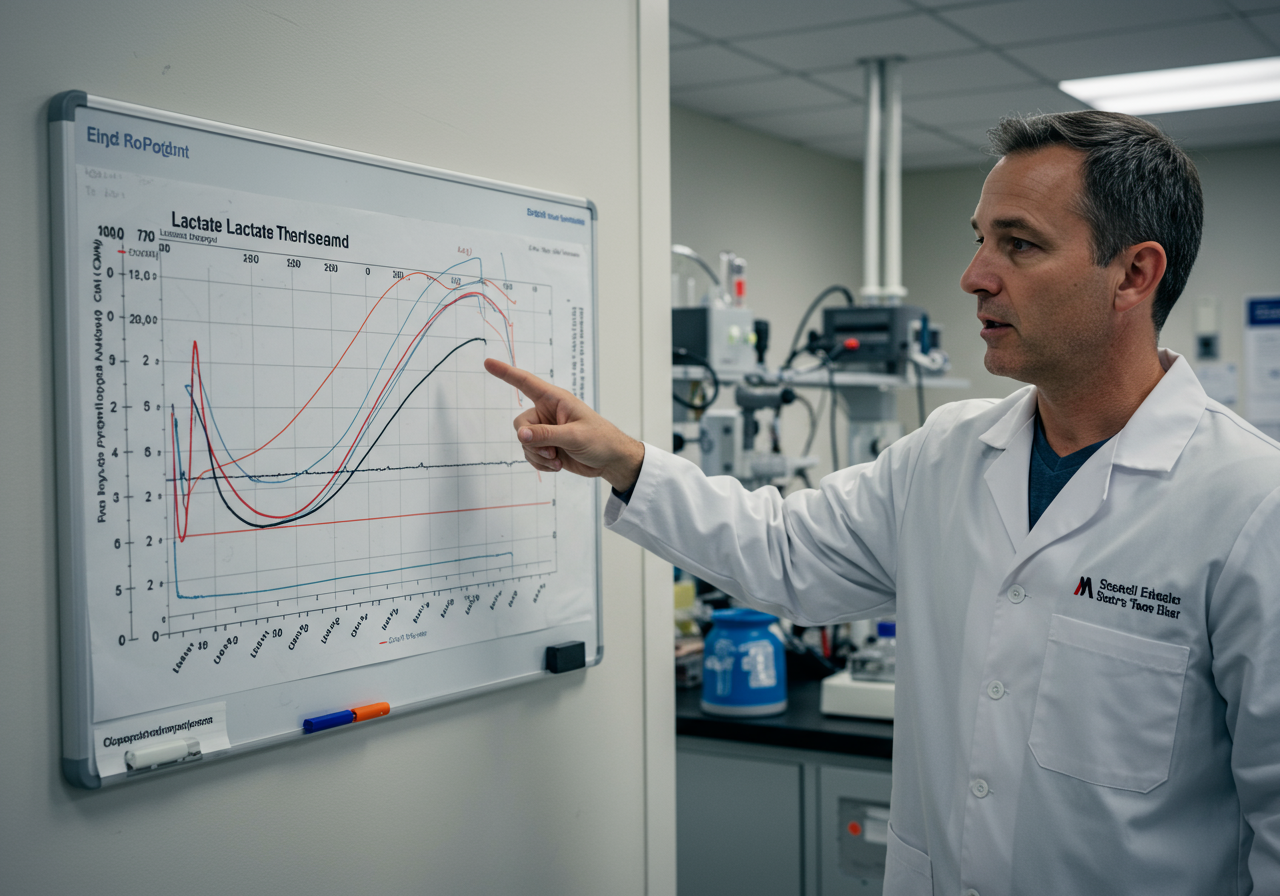
Lactate threshold (often LT2 or maximal steady state) marks where lactate production and clearance balance. Training near this point increases mitochondrial density, capillary growth, and buffering capacity—improving the speed or power you can sustain without blowing up.
In practice studies, athletes who spend consistent time just under threshold see reliable gains in time‑trial performance and perceived effort at race pace. A peer‑reviewed study trend shows threshold and tempo work improves endurance economy compared with easy‑only plans, provided recovery is managed.
My experience: during a half‑marathon block, my 30‑minute time‑trial (TT) pace improved from 4:45/km to 4:34/km over eight weeks with two threshold sessions weekly. Average HR for the final 20 minutes moved from 168 to 172 bpm on similar weather routes (Garmin + Strava logs). One client, Maya, a night‑shift nurse, said, “Holding 20 minutes at threshold used to wreck me. After six weeks, I PR’d my 5K by 42 seconds and felt in control.” Individual results vary, but this response is common when load is progressive and sleep/fuel are prioritized.
Why it beats guesswork: threshold anchors your zones for running, cycling, and rowing, which lets you distribute intensity wisely while keeping room for strength training, mobility, and easy aerobic work. This balance keeps injuries low and motivation high.
Run a 30-minute test and calculate training zones
Follow these steps to estimate your lactate threshold and build training around it—no lab required.
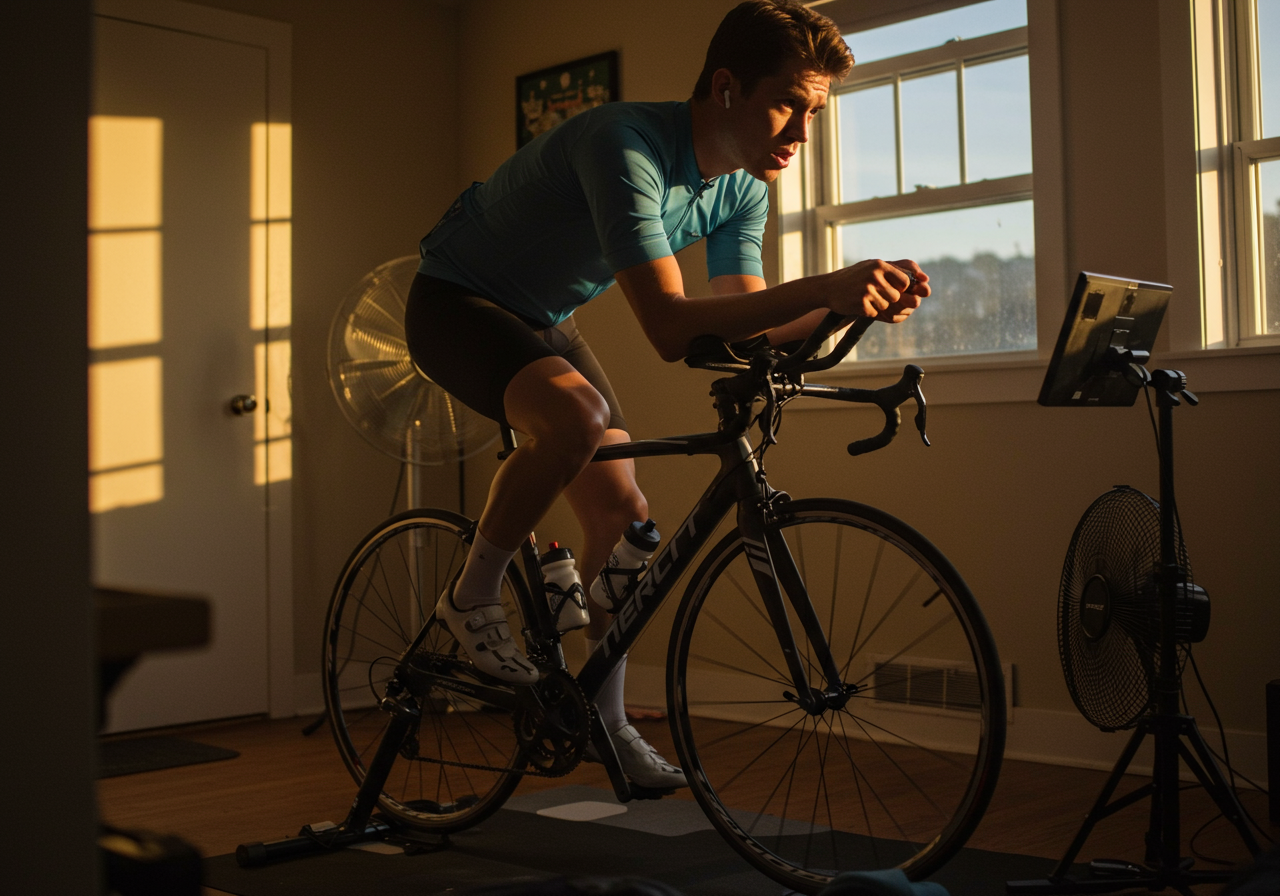
1) Choose your test and device • Running: 30‑minute solo TT on flat route or track. • Cycling: 30‑minute TT on a steady climb or smart trainer (ERG off). • Devices: Heart rate strap (Garmin/Polar), GPS or power meter (Stryd/watt pedals), app for logging (Strava, TrainingPeaks).
2) Warm‑up (10–15 minutes) • Easy pace 8–10 minutes, 3–4 strides or 30‑second spin‑ups, 1–2 minutes easy before starting. • Aim for calm breathing and relaxed form.
3) Execute the 30‑minute TT • Start controlled; aim for an effort you can maintain without fading. • Record average HR and pace/power. Your lactate threshold HR ≈ average HR of the final 20 minutes. Your threshold pace/power ≈ 30‑minute average pace/power. • RPE should feel 7–8/10, speech in short phrases only.
4) Set training zones anchored to threshold Running (HR or pace): • Easy/Aerobic (Z2): 75–85% of LTHR or 90–95% of easy conversational pace. • Steady/Tempo (LT−): 90–95% of threshold pace; 88–92% of LTHR. • Threshold (LT): 95–100% of threshold pace; 92–95% of LTHR. • VO2: >100% of threshold pace; >95% LTHR in late reps. Cycling (power): • Endurance: 56–75% of FTP (30‑min TT power is a decent field proxy; adjust later). • Sweet spot: 84–94% FTP. • Threshold: 95–100% FTP. • VO2: 105–120% FTP.
7) Strength, mobility, and technique • Strength (2×/week): goblet squats, RDLs, step‑ups, split squats, push‑ups, rows—2–3 sets of 6–10 reps at RPE 7. • Mobility (post‑run/ride): 60–90 seconds per side for calves, hip flexors, glutes, T‑spine; 5–8 minutes total. • Technique cues: tall posture, quick cadence, relaxed shoulders; on the bike, steady hip angle, even pressure through the pedal stroke.
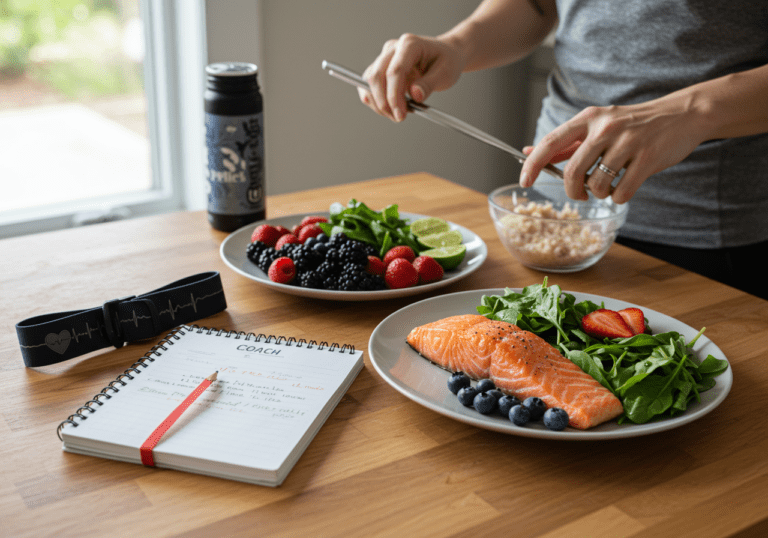
8) Fueling and recovery • Pre‑session: 1–2 g/kg carbs in the 3 hours prior for key threshold days; small coffee if tolerated. • During (sessions >60 min): 30–60 g carbs/hour + electrolytes (300–600 mg sodium/hour). • Daily: protein 1.6–2.2 g/kg, mostly whole foods; hydrate to pale‑straw urine; aim for 7–9 hours sleep. • Track fatigue: morning HRV or resting HR, plus session RPE and notes in Garmin/Strava.
9) Retest • Re‑do the TT every 4–6 weeks or use a 20‑minute TT with a small correction (for cycling power, ~95% as a starting estimate, then adjust by feel).
12-week progression from base intervals to race sharpening
Use this 12‑week arc to layer volume, then sharpen. Adjust the minutes if you’re cycling (slightly longer is fine) or returning from a layoff (start conservatively).
Caption: Progression overview—minutes and intensities anchored to your freshly tested threshold.
Weeks 1–4 (Build the base)

• Wk1: 2 × 6 min @ LT− (2 min easy); long easy 60–75 min; 2 strength sessions

• Wk2: 3 × 6 min @ LT− (2 min easy); long easy 70–80 min; 2 strength sessions

• Wk3: 2 × 8 min @ LT (3 min easy); long easy 75–90 min; 2 strength sessions

• Wk4: Deload — 1 × 12 min @ LT−; long easy 60–70 min; light strength (1–2 sets)


Weeks 5–8 (Extend and consolidate)

• Wk5: 2 × 10 min @ LT (3 min easy); long easy 80–100 min

• Wk6: 3 × 8 min @ LT (2–3 min easy); add 4–6 relaxed strides post‑run

• Wk7: 1 × 20–24 min @ LT− steady; optional 6–8 min @ LT at end

• Wk8: Deload — 2 × 8 min @ LT−; reduce long easy by ~20%


Weeks 9–12 (Sharpen and test)

• Wk9: 3 × 10 min @ LT (2 min easy) or bike 3 × 12 min @ 95–100% FTP

• Wk10: 2 × 12–14 min @ LT; include 8–10 min Z2 cool‑down

• Wk11: 1 × 20–30 min @ LT−; sprinkle 4 × 1 min @ VO2 (3–5k pace / 110–115% FTP)

• Wk12: Test — repeat 30‑min TT; reduce strength volume; celebrate gains
Strength progression • Weeks 1–4: 2×/week, 3 × 8 reps on big lifts at RPE 6–7. • Weeks 5–8: 2×/week, 3 × 6–8 reps at RPE 7–8; add single‑leg work. • Weeks 9–12: 1–2×/week, maintain: 2 × 5–6 reps, crisp bar speed; avoid heavy near test week.
Mobility progression • Keep 10 minutes after easy days; add occasional 5‑minute pre‑run activation (glute bridge, calf raises, band walks).
Signs to move up • HR drifts less than ~3–5 bpm across threshold reps, RPE falls, and you finish reps feeling you could add 1–2 minutes.
Monitor HR trends and avoid turning threshold into VO2
Frequency and placement • Most beginners thrive on 1 threshold session weekly; intermediates on 1–2. Separate threshold from heavy strength by 24 hours when possible.
Monitoring • Track time‑in‑zone, average HR for threshold reps, and RPE. Watch resting HR/HRV trends. If HR is elevated for 2–3 mornings with poor sleep, swap in easy Z2.
Common mistakes • Going too hard too often (turns threshold into VO2). • Testing in heat without noting conditions (HR and pace will skew). • Skipping carbs before key sessions; under‑fueling hides fitness and spikes perceived effort.
Troubleshooting plateaus • If pace stalls for 3–4 weeks, add volume at LT− before intensity, or extend reps by 2–3 minutes. Check hydration, iron status if persistently flat, and shoe/bike fit.
Injury‑smart changes • Reduce impact with cross‑training: replace a run threshold with a bike or row LT‑ set. Keep strength to support tissues—especially calves, glutes, hamstrings.
Recovery essentials • Aim 7–9 hours sleep. Protein 1.6–2.2 g/kg, carbs matched to workload, creatine 3–5 g/day if strength‑training, and omega‑3s if diet is low in fatty fish.
Next steps • After your retest, adjust zones, then rotate a 4‑week block: three build weeks + one deload. Layer in short VO2 intervals sparingly. Subscribe for my printable threshold log (Garmin/Strava compatible) and a fueling checklist.
Clear Plan to Restart Stalled Lifts Fast How to break through a strength plateau starts with a clear plan that adjusts volume, recovery, and technique without guessing. You will learn a simple system that gets lifts moving again. Direct answer: Deload briefly, then raise weekly hard sets 10–20% while improving sleep and technique to restart…
Mobility drills prepare joints for better performance Mobility warm-up sets your joints and nervous system for better movement, strength, and cardio performance. Quick answer: pair short mobility drills with activation, then rehearse the day’s pattern. In a few minutes, you will learn an easy sequence I use with new clients: breathing reset, joint prep, mobility–activation…
Restore T-Spine Extension for Pain-Free Overhead Lifts Thoracic mobility is the hinge that unlocks safe, powerful overhead lifts. In minutes per day, you can restore extension and rotation and protect your shoulders. Quick answer: Combine breath-led drills, end-range loading, and clean scapular mechanics practiced daily for 8–12 minutes. You’ll learn how to assess your T‑spine,…
Build Smart Sessions Without Burning Out or Injury Crossfit cardio WODs can supercharge your engine while protecting your joints when planned well. In this guide, you’ll learn how to build sessions, scale movements, use heart-rate zones, and progress without burnout. Do 2–3 short cardio WODs weekly, progress minutes or reps slowly, and cap intensity using…
Strength training for older adults builds confidence, mobility, and independence when progressed gradually and performed with good form. The safest plan uses simple exercises, pain-free ranges, and steady load increases. In the next few minutes you will learn a complete system: joint-friendly exercise choices, clear weekly progressions, safety cues, recovery habits, and how to confirm…
Start Strong Cycling Workout Plan for Endurance and Power Gains: here’s a simple path to ride longer, push harder, and recover better. Direct answer: Do 3–5 rides weekly—2 base, 1 threshold, 1 power/sprints, plus optional skills; progress volume or intensity every week. In this guide you’ll learn the exact ride types, how to set zones…