Strategic Cold Plunge Timing for Recovery and Performance
Cold water immersion can be a powerful recovery tool when you integrate it into a structured week of cardio, strength, and mobility.
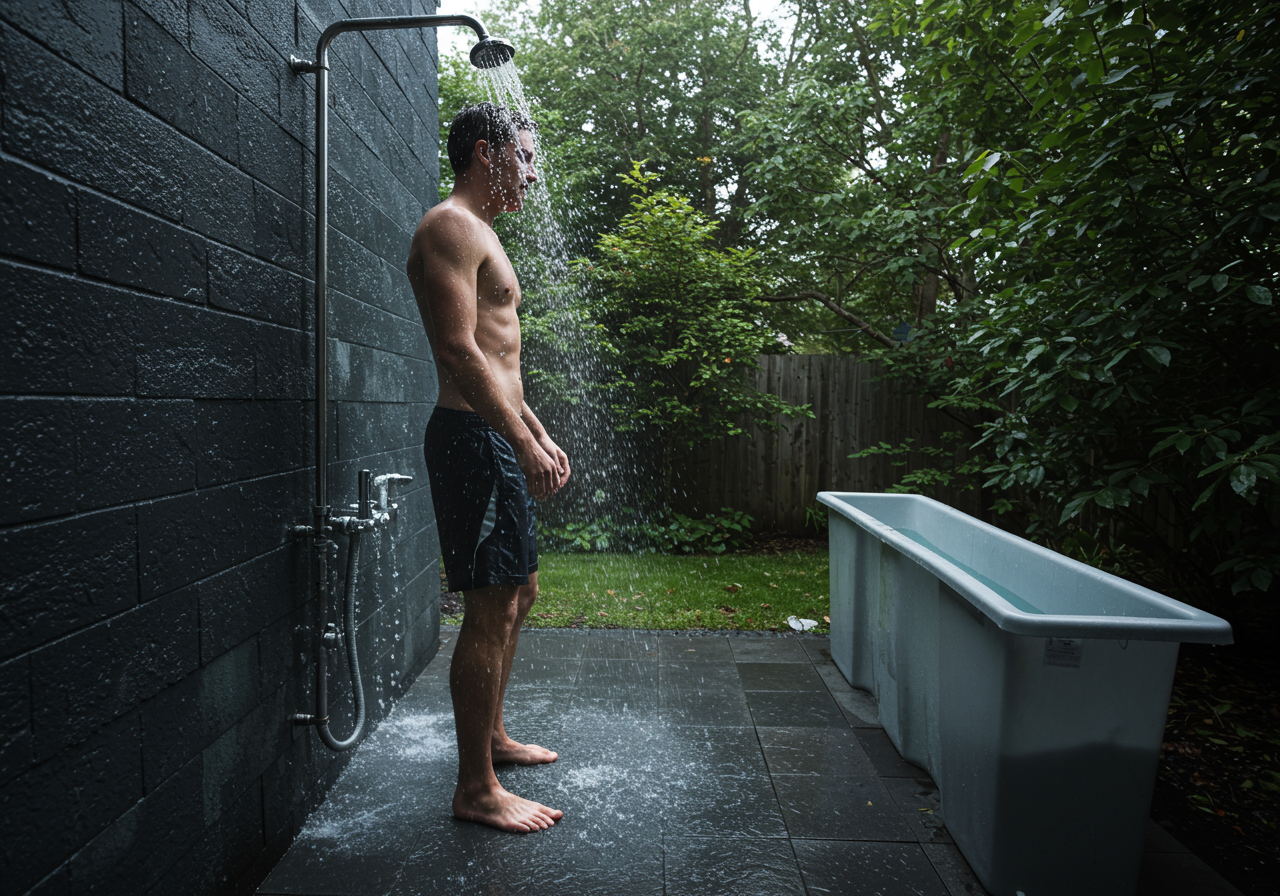
Use cold water immersion after cardio or on rest days, 2–10 minutes at 10–15°C, and avoid right after heavy lifting.
In this guide you’ll learn where CWI fits in your plan, how to progress safely, and how to verify results using simple metrics like soreness, sleep quality, readiness scores, and session RPE.
Vasoconstriction, Catecholamines, and Post-Workout Adaptation Science
Cold exposure triggers vasoconstriction, a surge in catecholamines, and a brisk breathing response. Many athletes feel less soreness and improved mood shortly after. In practice reports and peer‑reviewed studies, CWI can reduce perceived muscle damage and may support better sleep the night after a hard session.
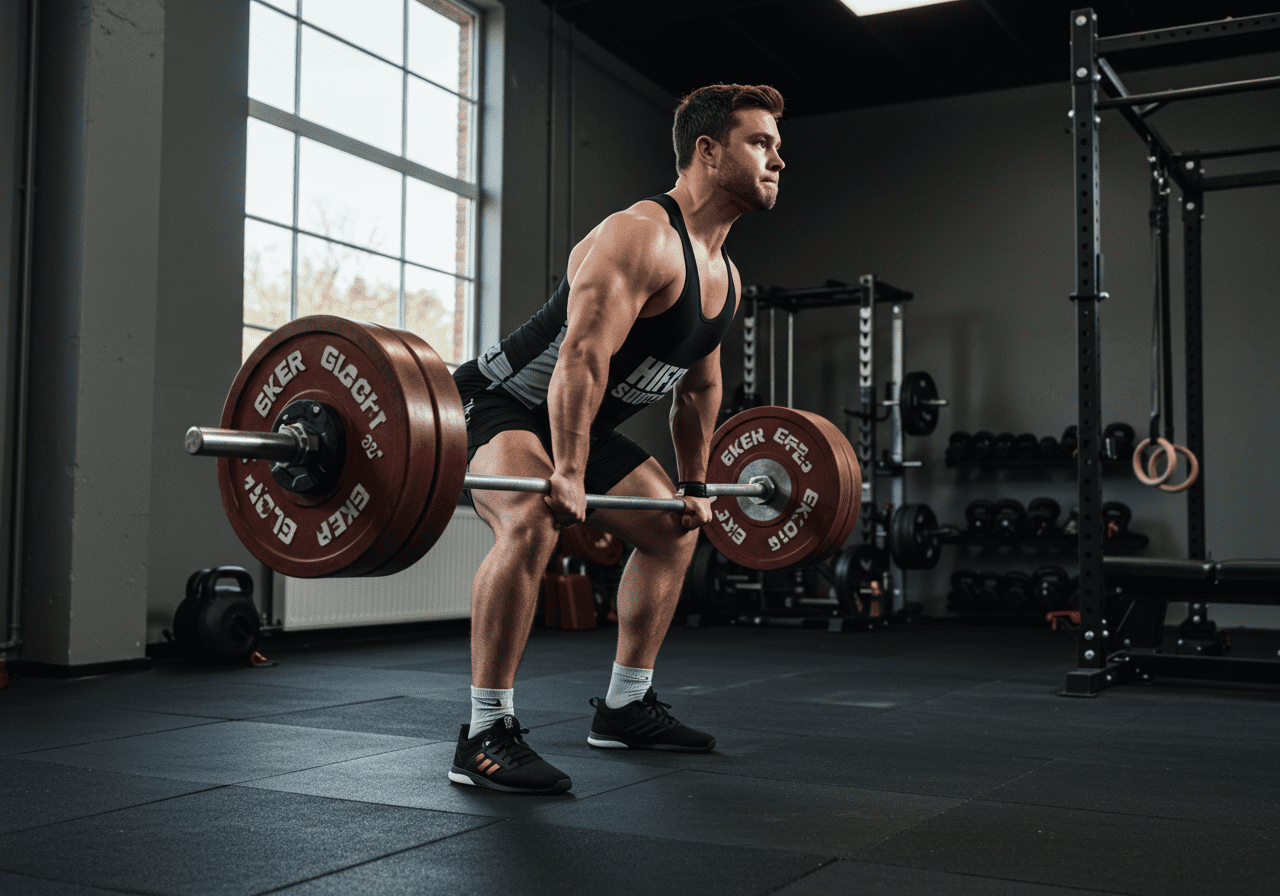
Important nuance: very cold water right after heavy resistance work can dampen anabolic signaling. That’s why I place CWI after cardio or at least 6–8 hours post‑lift when hypertrophy is the goal.
What I’ve seen: during a 12‑week 10K block, my Wednesday river dips (about 12°C for 4 minutes) after tempo runs helped me hit Thursday strength circuits with less residual soreness. A client, M., said, “Two short plunges a week felt like a reset button—my legs didn’t feel as heavy on long runs.” These are individual experiences; your response may differ.
Temperature Protocols: Safe Entry, Breathing, and Exit Guidelines
Screening and setup
If you have cardiovascular disease, uncontrolled hypertension, Raynaud’s, neuropathy, are pregnant, or feel unwell, skip CWI and speak with a clinician.
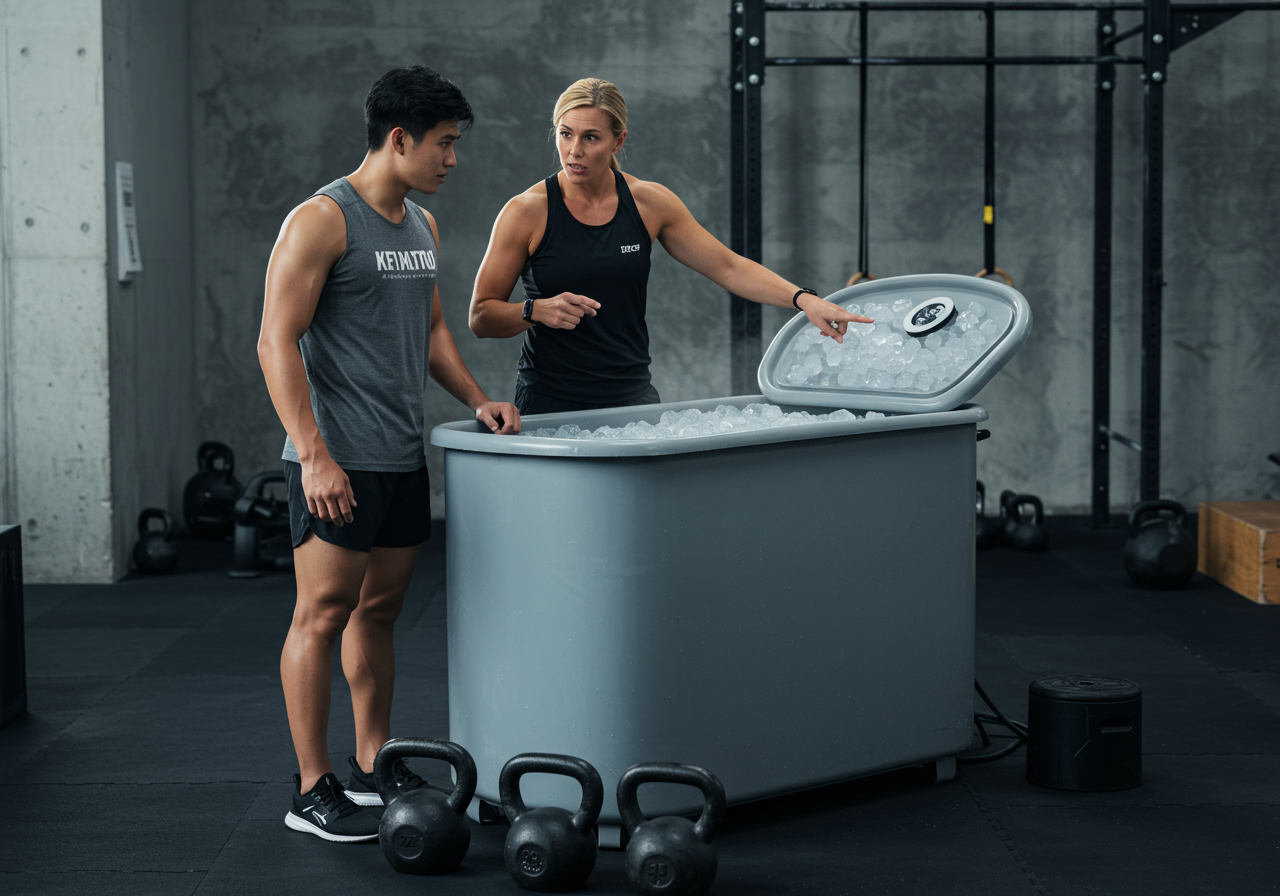
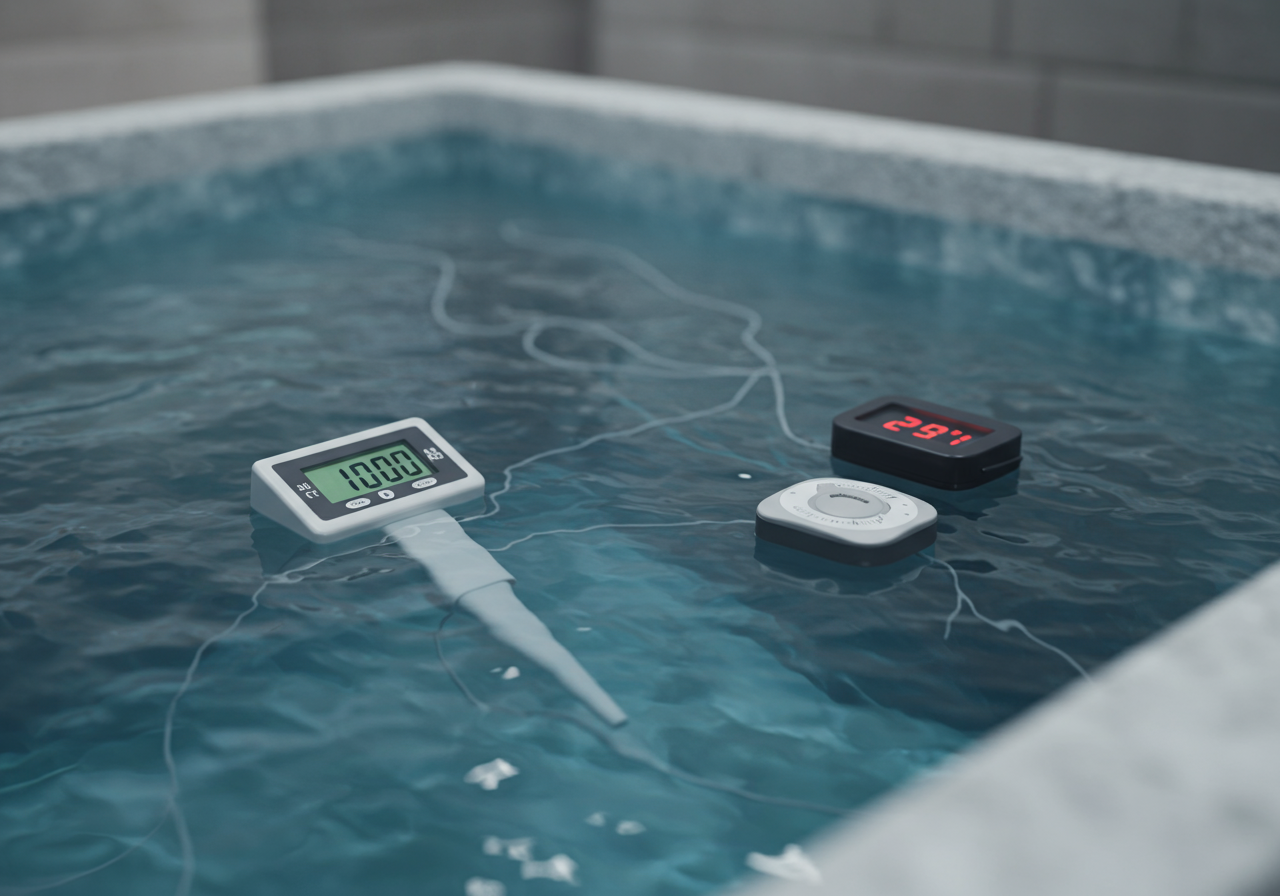
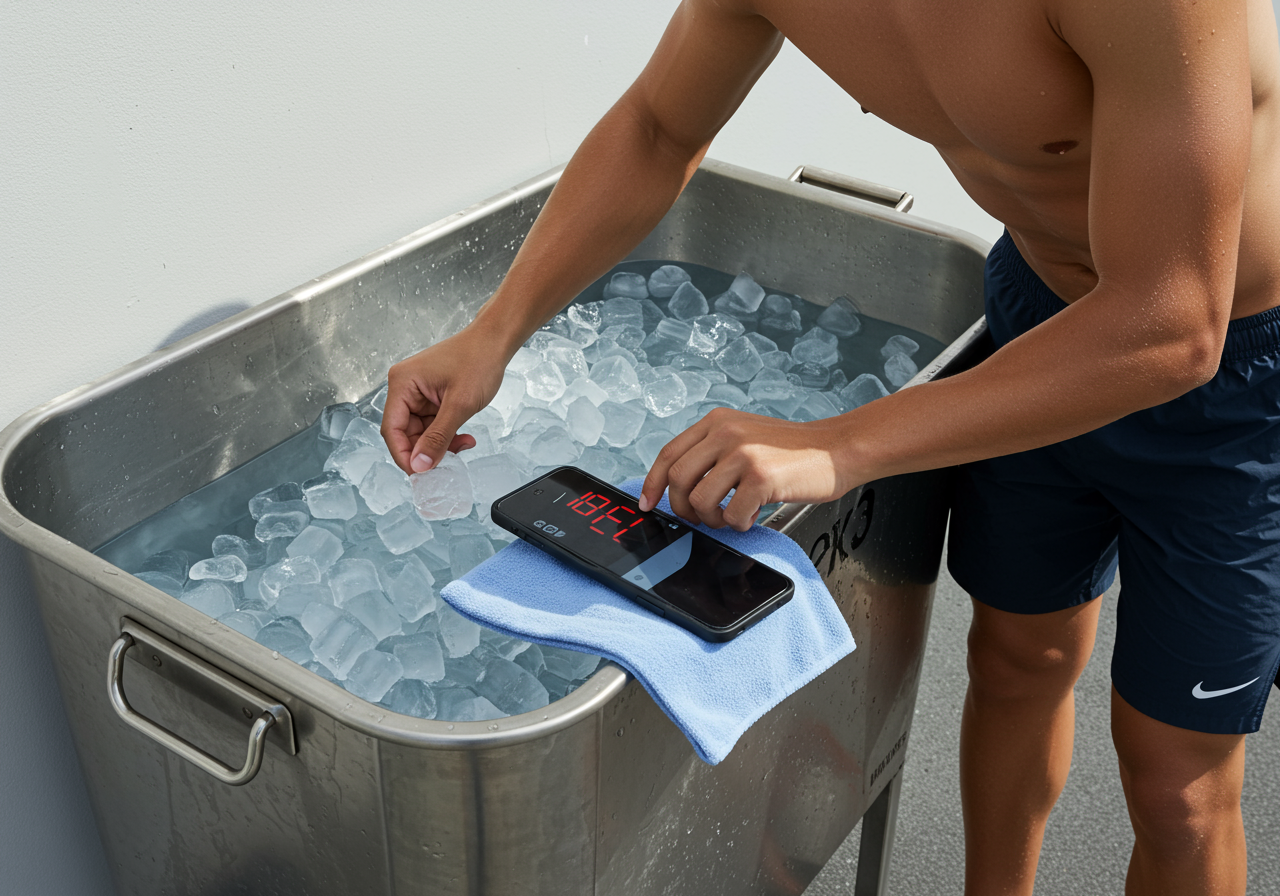
Gear: thermometer, timer, warm layers, beanie, non‑slip mat, and a safe exit path. I use a simple tub, a fridge thermometer, and my Garmin timer.
Temperature and time
Beginners: 15–18°C for 1–3 minutes, 1–2 sessions/week.
Intermediate: 10–15°C for 3–6 minutes, 2–3 sessions/week.
Advanced: 8–12°C for 5–10 minutes, 2–4 sessions/week as needed.
Entry and breathing
Enter gradually to mid‑torso. Keep shoulders down, jaw unclenched.
Use slow nasal breathing: 4–5 second inhale, 6–8 second exhale. If breathing is chaotic after 30–60 seconds, exit and try warmer/shorter next time.
Timing around workouts
After cardio: great window within 0–2 hours post‑session to reduce perceived soreness and calm the nervous system.
After strength: delay CWI 6–8 hours if the goal is muscle/strength. If lifting late, save CWI for the next morning.
On mobility days: a brief dip can enhance focus for easy movement work.
Rewarm carefully
Exit, towel off, put on warm layers, walk for 5–10 minutes, sip something warm. Avoid jumping straight into a very hot shower; allow your body to rewarm gradually.
Example weekly integration (what I run with beginners)
Mon — Strength A (45–60 min, RPE 6–7; compound lifts 3×6–8). No CWI. Post‑lift: light mobility and protein‑rich meal.
Tue — Cardio Z2 (35–45 min, HR Zone 2). Optional CWI 2–4 min at ~14–16°C, then rewarm walk and carbs + electrolytes.
Thu — Strength B (45–60 min, RPE 6–7; hinge/pull focus). No CWI for at least 6–8 hr.
Sat — Cardio Tempo or Intervals (e.g., 4×4 min Z4, 3 min easy). Optional CWI 3–5 min at ~12–14°C.
Daily — 8–12 min mobility (hips, T‑spine, ankles). Save a 2‑minute cool shower finish if you want a tiny dose on non‑plunge days.
Fuel and recovery
Protein: aim 1.6–2.2 g/kg bodyweight per day; distribute across meals.
Carbs around cardio days support glycogen repletion; I target 3–6 g/kg on moderate days.
Hydration: add electrolytes after sweating; CWI does not replace rehydration.
Sleep: prioritize a dark, cool room; I avoid late caffeine so the post‑CWI calm sticks.
Apps I use: Garmin for HR/HRV, Strava for sessions, and MyFitnessPal for quick macro checks.
Coaching cues
CWI is a stressor. Treat it like a light session: purposeful, brief, and followed by rewarming and food.
If performance stalls, remove CWI first before changing training volume.
12-Week Cold Exposure Progression: Beginner to Advanced
Progression overview—adjust one variable at a time (temperature, time, or frequency), not all at once.
Weeks 1–2 (Beginner): 1–2x/week; 15–18°C; 1–3 min; after cardio Z2. Focus: breathing control, calm exits.

Weeks 3–4 (Beginner+): 2x/week; 12–15°C; 2–4 min; after tempo or longer easy runs. Add light mobility post‑rewarm.

Weeks 5–6 (Intermediate): 2–3x/week; 10–14°C; 3–6 min; use 6–8 hr delay after heavy lifts. Introduce one contrast shower (warm/cool) midweek.

Weeks 7–8 (Intermediate+): 2–3x/week; 10–12°C; 4–7 min; prioritize sleep and carbs on hard cardio days.

Advanced (on‑going): 2–4x/week; 8–12°C; 5–10 min; cycle down to 1–2x in muscle‑gain blocks; up to 3–4x in peak endurance blocks.
How to validate results
Track soreness (0–10), sleep quality, and session RPE. Many clients report lower soreness by the second week.
Watch resting HR and morning readiness/HRV. In my logs, CWI on cardio days often coincides with steadier HRV and better sleep onset.
Performance markers: maintain or improve interval paces at similar heart rates; in lifting, look for normal load progressions while spacing CWI away from sessions.
Client snapshot
J., training for a charity 10K, used two 3–4 minute 12–14°C dips weekly post‑tempo. Over eight weeks, her Thursday easy runs felt smoother, and she kept progressing goblet squats without post‑lift CWI. Anecdotal, but consistent with what I see in practice.
Optimal Frequency, Timing Mistakes, and Troubleshooting Plateaus
Frequency and timing
Start with 1–2 sessions weekly. Add a third only if sleep, mood, and training quality remain solid.
Best pairings: post‑cardio and rest days. Keep 6–8 hours away from heavy lifting when you want muscle growth or strength gains.
Common mistakes
Going too cold too soon. If you’re shivering uncontrollably, it’s too cold or too long.
Using CWI to mask poor programming. Fix sleep, nutrition, and load management first.
Daily plunges during maximal strength phases. Instead, taper to one short cool shower finish if you miss the ritual.
Troubleshooting
Plateau or heavy legs: pause CWI for 7–10 days, then reintroduce once weekly after cardio.
Motivation dips: shorten to 60–90 seconds at a warmer 16–18°C to keep the habit alive.
Injury flags (numbness, unusual pain): stop and seek medical advice; CWI can mask symptoms temporarily.
Safety snapshot
Never train breath holds in water. Keep your airway free and have a clear exit.
Avoid unsupervised open water. Prefer a controlled tub or supervised plunge.
Warm up gradually; intense heat immediately after can cause dizziness.
Next steps
Log every session: temp, time, perceived chill (0–10), and how you slept.
Pair with a simple program: 2 strength days, 2 cardio days, daily mobility. Layer CWI as described.
If you want my templates and tracking sheet, subscribe—I’ll send a printable planner and Garmin/Strava integration tips.
Build Endurance With 2-4 Weekly Pool Sessions Swimming workouts for total-body endurance conditioning deliver cardio, core stability, and shoulder/hip strength with minimal joint stress. This guide shows you the exact session structure, weekly progressions, and recovery strategies I use with new swimmers. Direct answer: Train 2–4 times weekly, progress total meters by 10–15% max, and…
Quick Overview: Zone Targets and Weekly Structure Heart Rate Zone Training helps beginners build endurance smarter with clear intensity targets. You’ll learn how to set your zones, plan workouts, and track progress without guesswork. Direct answer: Spend most sessions in Zone 2, add short Zone 4–5 intervals weekly, and take at least one full rest…
Catch Overtraining Early With Simple Weekly Symptom Scans Overtraining syndrome can sneak up on beginners; here’s how to identify it fast and recover properly. Core signs: lasting fatigue, performance decline, mood shifts, poor sleep; recover by cutting training volume, sleeping 7–9 hours, and fueling adequately. In this guide, I’ll show you my field-tested system to…
Incremental loading in rehab gives you a clear path to restore capacity without re-injury. Increase load 2–10% when pain stays ≤3/10 during activity and the next day. In the next few minutes, you’ll learn the exact steps I use with clients and in my own training: pain rules, weekly progressions, session templates, tracking, and recovery…