Replace foods you eat with healthier alternatives daily
A food swap guide makes healthier eating automatic while you build fitness. You will pair simple meal upgrades with cardio, strength, and mobility.
Direct answer: Make a personal list of current foods and replace each with a healthier option you will actually eat.
In minutes, you’ll map your favorite meals to better versions, connect them to a beginner-friendly training plan, and track small wins that compound. I’ll share real sessions, client results, and fixes for common roadblocks.
Protein and fiber swaps improve training and recovery
Swaps reduce decision fatigue and cut calories without strict rules. Higher-protein and higher-fiber swaps support satiety, help maintain muscle, and stabilize energy for training. In peer-reviewed research and practice, pairing small nutrition shifts with consistent exercise improves body composition and cardio-metabolic markers.
My approach blends habit design with training. Protein-forward meals aid recovery from strength work; slow-digesting carbs steady Zone 2 cardio. When I kept a swap list and trained 4 days/week, my average resting HR trended down and lifts climbed steadily. Clients report similar patterns—fewer crashes, better adherence.
Personal week snapshot (Garmin + Strava): two 35–40 min Zone 2 runs (conversational, ~65–70% HRmax), two full-body lifts (RPE 6–8), 10–15 min mobility most evenings. Fueling was Greek yogurt bowls, air-fried potatoes, lean proteins, and water first. Two clients—Maya (38) and Luis (29)—said, “I finally know what to grab on busy days,” and “The swaps made meal prep feel doable.” Results vary, but adherence tends to rise because choices are simpler.
Audit meals and choose simple category-based food swaps
1) Audit 3 days of eating. Use MyFitnessPal or Cronometer. Note times when hunger returns fast and any high-calorie, low-satiety items.
2) Choose swaps by category. Prioritize taste and convenience so you’ll stick with them.
Breakfast: sugary cereal → Greek yogurt + berries + cinnamon; pastries → protein oats with chia.
Drinks: soda → sparkling water + lime; creamy lattes → Americano + splash milk.
Carbs: fries → air-fried potatoes; white bread → seeded whole grain; large tortillas → corn or low-cal wraps.
Proteins: breaded chicken → grilled/thighs trimmed; processed deli → rotisserie breast or tuna in water.
Sauces: mayo → Greek yogurt + mustard; heavy dressings → olive oil + vinegar + herbs.
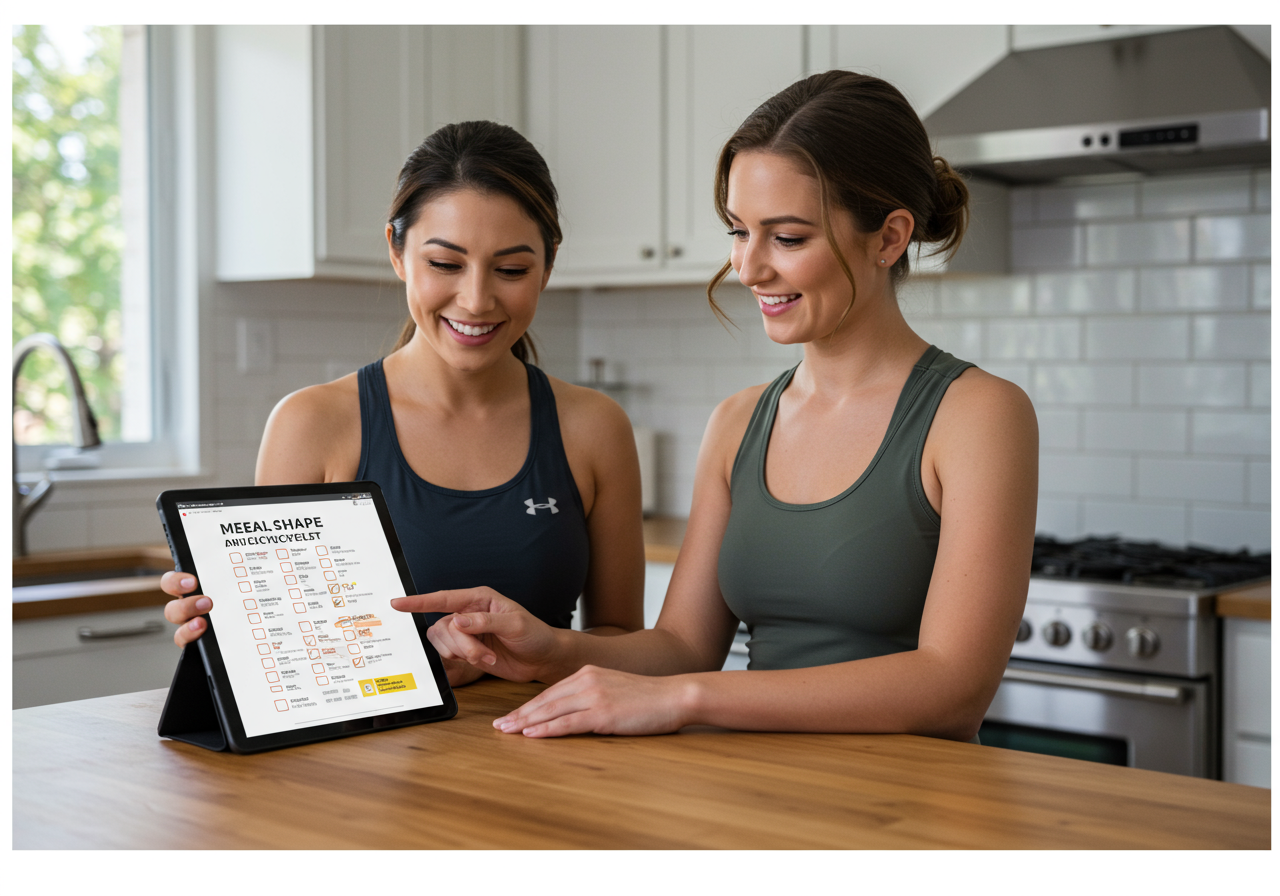
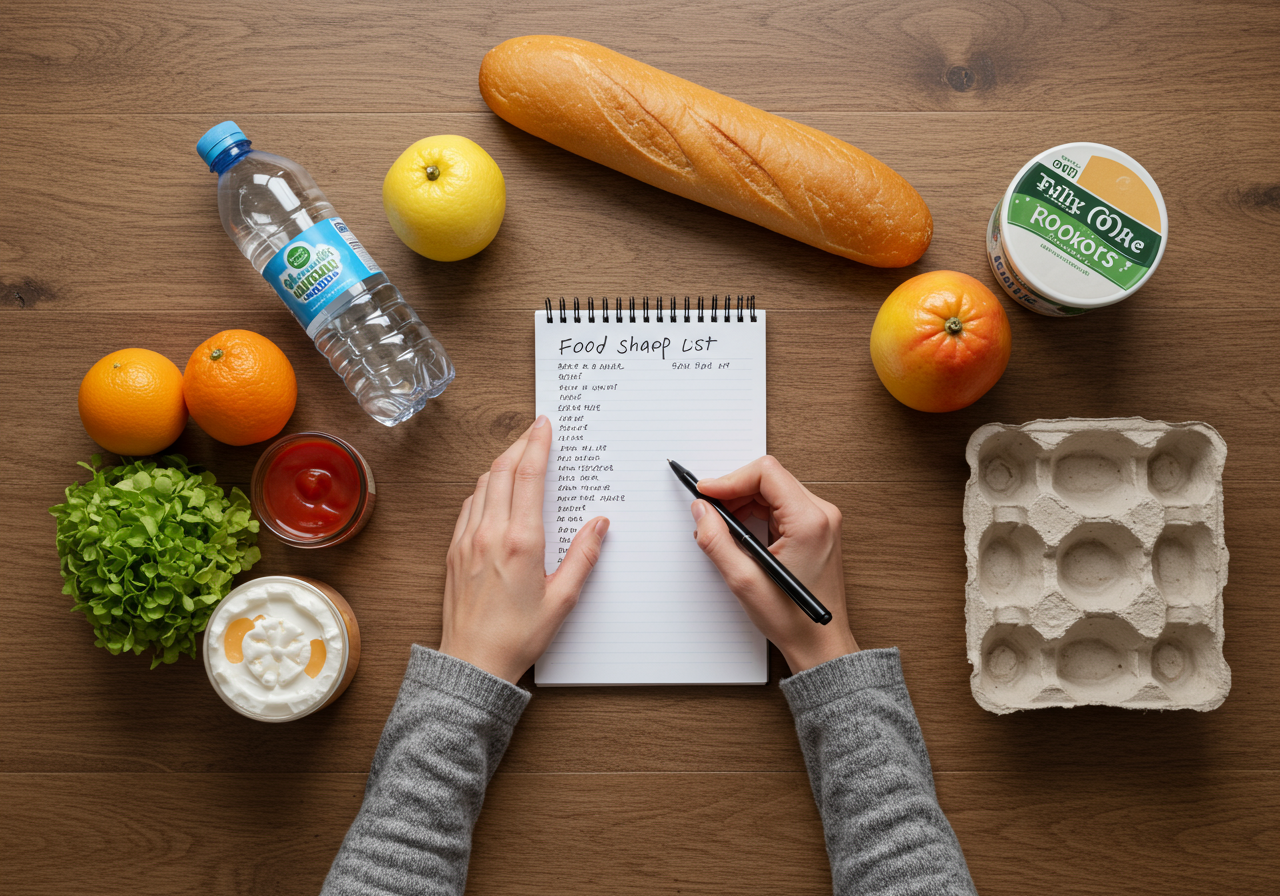
3) Build your swap guide. Write a 1:1 list: “If I want X, I choose Y.” Post it on your fridge and save it in your notes app. Add a grocery list for the new defaults.
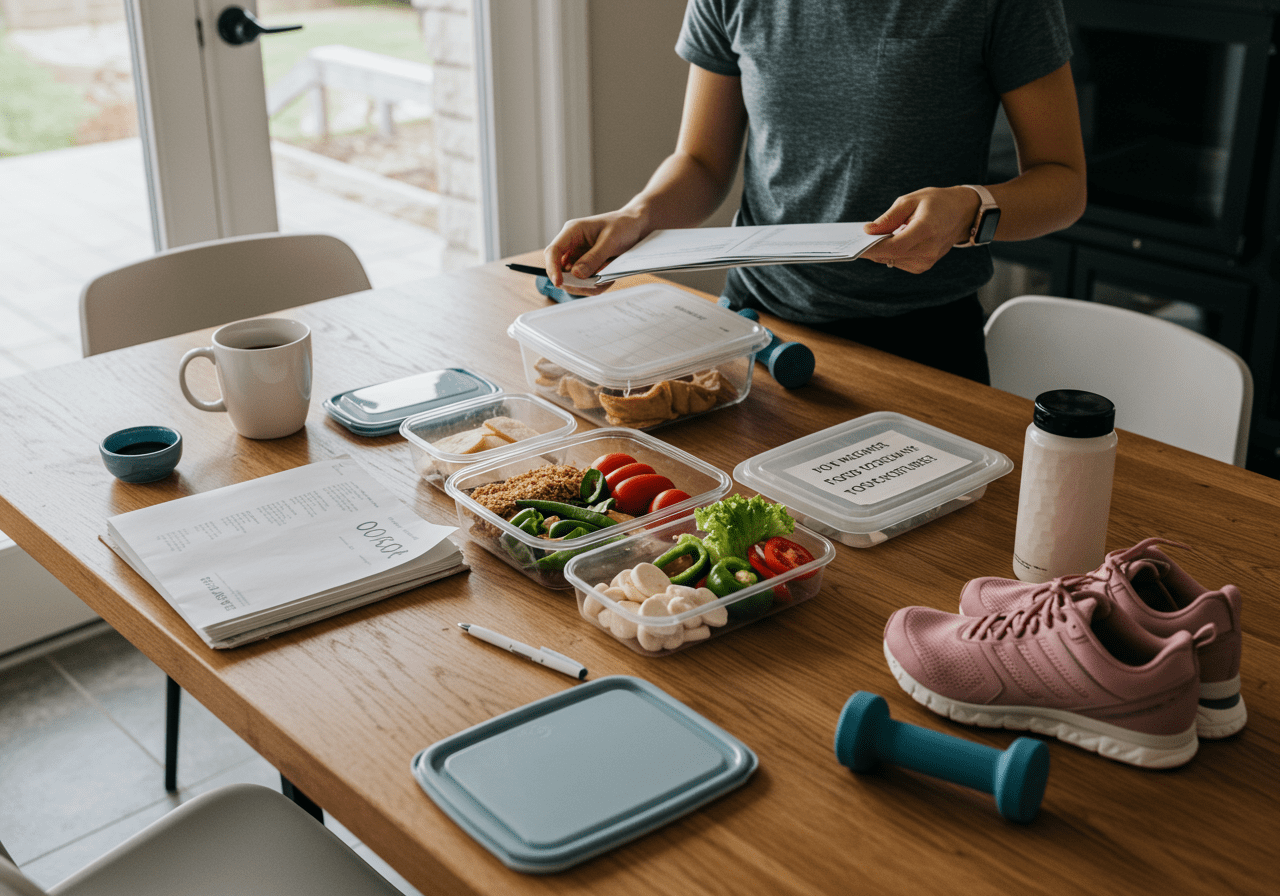
4) Stock and portion. Keep go-to items visible. Pre-cook a protein (chicken, tofu) and a carb (rice, potatoes) twice weekly. Portion crunchy snacks into single servings.
5) Tie swaps to training. On lifting days, anchor meals around protein (1.2–1.6 g/kg/day). For cardio days, use steady carbs (oats, fruit, potatoes) and hydrate early.
6) Simple training template (new exercisers):
Cardio: 2–3 sessions/week, 25–35 minutes, Zone 2 (you can talk in full sentences).
Strength: 2–3 sessions/week, full-body: squats or sit-to-stand, push (incline push-up), pull (band row), hinge (hip hinge), core—2–3 sets of 8–12, RPE 6–7.
7) Track and adjust. Weekly averages beat daily swings. Log steps, RPE, and meals. If progress stalls for two weeks, add one new swap, a 10-minute walk after meals, or one extra strength set.
Recovery notes: aim for 7–9 hours sleep, hydrate to pale yellow urine, consider creatine 3–5 g/day, and time caffeine away from late afternoon to protect sleep.
Scale training volume and swap complexity over twelve weeks
Use these levels to scale both your training and swap complexity. Keep effort honest using RPE (easy 6, hard 8). If a week feels rough, repeat it before progressing.
12-week progression combining training and food swaps (caption) Weeks 1–4 (Beginner): Cardio 3×25–30 min Zone 2; Strength 2×/week full-body 2–3×10–12 @ RPE 6–7; Mobility 10 min daily; Swaps: lock 3 core swaps + 1 drink swap; Protein 1.2–1.4 g/kg; Steps 7–9k. Weeks 5–8 (Intermediate): Cardio 2×30–40 min Zone 2 + 1×8×45s brisk intervals (RPE 7) with 75s easy; Strength 3×/week 3×8–12 @ RPE 7–8; Mobility 12–15 min; Swaps: expand to 5–7 swaps; Protein 1.4–1.6 g/kg; Steps 8–10k. Weeks 9–12 (Advanced): Cardio 2×35–45 min Zone 2 + 1×short hill reps; Strength 3×/week (Day A: squat/press, Day B: hinge/pull) main lifts 3×5 @ RPE 7–8 + accessories; Mobility 15–20 min; Swaps: 8–10 swaps, portion smart; Protein up to ~1.8 g/kg if cutting; Steps 9–11k.
Heart-rate guide: Zone 2 feels conversational. If you track HR, aim ~60–70% of estimated HRmax. Without devices, use talk test.
Personal and client milestones (representative): in practice, beginners often report steadier energy by week 2, better sleep by week 3, and looser waistbands around weeks 6–8 when adherence is high. My last cycle: goblet squat moved from 24 kg to 32 kg for sets of 8 while keeping protein at ~1.6 g/kg; easy runs felt smoother by week 6. Individual outcomes vary.
Fuel upgrades as you advance: pre-lift snack (fruit + yogurt), post-lift protein within a few hours, and add sodium on sweaty days (broth or salted potatoes) to support performance.
Start four sessions weekly and add one swap gradually
Frequency: start with 4–5 sessions/week total (cardio + strength + mobility). Intensity: keep most work easy to moderate; sprinkle short intervals after week 4. Deload: every 6–8 weeks, reduce volume ~30%.
Common mistakes and fixes:
Too many changes at once → cap at 1–2 new swaps/week.
Under-eating protein → add 1 palm-sized protein per meal.
Skipping hydration → drink a glass with each meal and before training.
Over-restricting → plan one flexible meal each week; keep portions mindful.
Plateaus → add a 10–15 min walk after meals or one extra accessory set; confirm sleep and steps.
Safety: warm up 5–8 minutes (easy cardio + dynamic moves). Pain that sharpens with each rep—stop and regress the exercise. If dizzy or unwell, cut the session and hydrate. For injuries, consult a qualified professional.
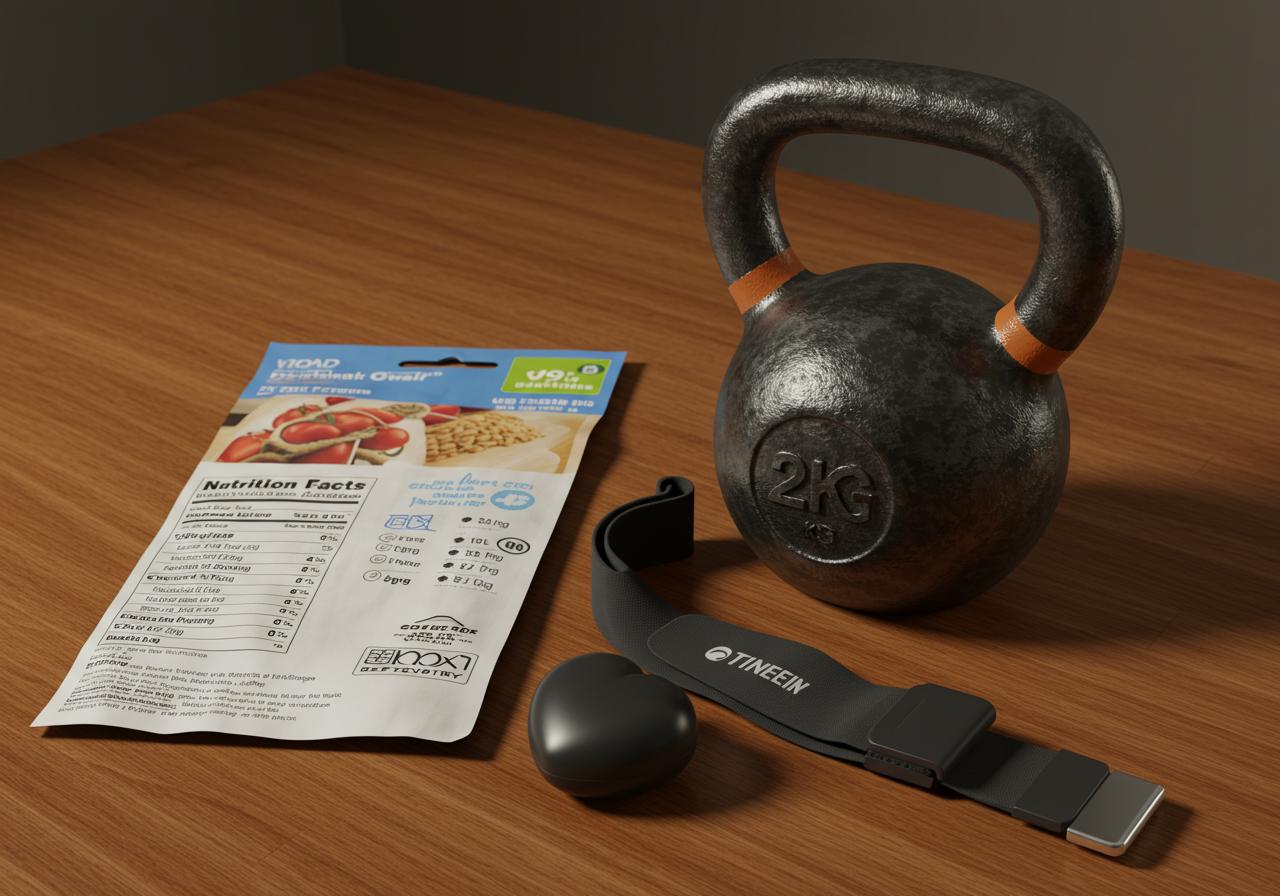
Monitoring dashboard (quick): weekly average scale weight, waist at navel, step count, RPE notes, compliance % with swaps, and sleep hours. Tools I use: Garmin/Apple Watch for HR and steps, Strava for cardio logs, Strong or Google Sheets for lifting, and MyFitnessPal for food.
Next steps: build your swap list today, schedule two Zone 2 sessions and two full-body workouts, and track adherence for seven days. If you want my printable swap-guide template and grocery list, subscribe and I’ll send the files.
Build engagement through small wins and progression A 30-day challenge can keep users engaged when it blends simple wins with steady progression, clear tracking, and recovery. Build it by mixing small daily wins, progressive difficulty, and clear tracking. In this guide you’ll get a complete template: cardio, strength, mobility, and activity days; level-based progressions; tracking…
Build Your Weekly Plan in Minutes A weekly cardio plan can be built in minutes and scaled to any schedule. You’ll learn how to pick session types, set heart rate zones, and progress safely. Direct answer: Set 3–5 sessions, mix zones 2–5, start with 90–150 weekly minutes, and add 5–10% time or intensity every 1–2…
Save Training Time with Compression and Elevation Cycles How to use compression and elevation for acute swelling can save training time and protect healing tissue. Apply snug compression and raise the limb above heart level for 20–30 minutes, 3–6 times daily. In this guide, you’ll learn the exact wrap method, elevation angles, safe movement pairings,…
Three-Phase Periodization Loop for Real-World Client Progress Implement periodization into client programming easily to replace guesswork with a clear plan that fits real lives. The simplest approach is a three-phase loop: build volume, raise intensity, then deload for one week, repeating every 8–12 weeks. In this guide, you’ll see a complete system I use with…
Compound Lifts Build Strength, Isolations Refine Details Compound vs Isolation Movements decide how fast you gain strength, muscle, and resilience. I’ll show you when each shines and how to blend them. Quick answer: Base training on compound lifts, then plug isolation where you need joint-friendly volume, symmetry, or rehab-friendly workload. You’ll leave with a full…
Turn Confusing Workouts Into Clear, Measurable Progress A heart rate monitor can turn confusing workouts into clear progress. In a few sessions, you 0 d see how your body responds and where to train for results. Set zones, log time-in-zone, and compare pace or power at matched heart rates to confirm fitness gains. Heart Rate…