Simple Two-Year Plan for Sustainable Strength Gains
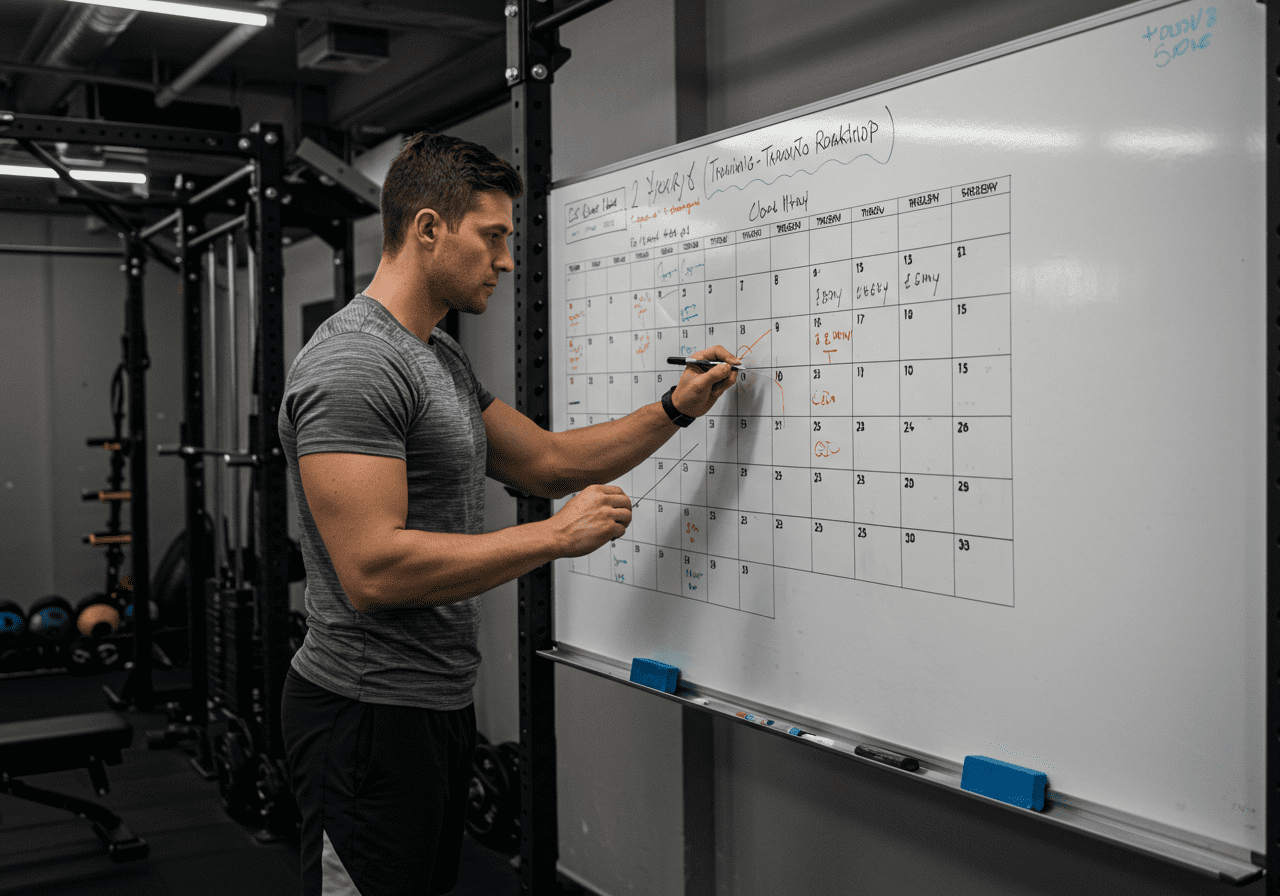
Long-Term Strength Roadmap lays out a simple, 2-year plan to build muscle, improve fitness, and stay durable without burnout.
Direct answer: Do three full-body lifts, two easy cardio sessions, and weekly mobility, then add small weight or reps when sets feel strong.
What you’ll get today: a complete, phased system (strength, cardio, mobility, activity), practical weekly structure, clear progress rules from beginner to advanced, and simple recovery and nutrition guidelines.
Physiology Behind Progressive Overload and Recovery Protocols
Strength improves function, bone density, and metabolic health. Cardio supports recovery capacity, heart health, and work tolerance. Mobility keeps joints moving well so your technique stays clean as loads rise.
Physiology in plain terms: train muscles with progressive overload, give connective tissue months to adapt, maintain an aerobic base for better training density, and manage stress with sleep and nutrition. This blend reduces plateaus and injury risk.
Practice-based outcomes: in coaching notes and community programs, lifters training 3–4 days weekly with phased volume and regular deloads commonly report steadier lifts and better recovery. Peer-reviewed research also supports periodized training, adequate protein intake, and zone 2 cardio for long-term progress (see major sports health org guidelines).
Quick testimonials (summarized): “I finally feel durable, not beaten up.” “Short cardio on off days helped me handle more volume.” Individual results vary, but these patterns show up consistently in real-world settings.
Weekly Blueprint with Full-Body and Cardio Sessions
Use this weekly blueprint to build the whole system. Keep sentences simple and track everything in your preferred app (I’ve used Garmin Connect, Strava, MyFitnessPal, and Fitbit).
Weekly layout — 5 sessions total:
Mon: Full-body A (main lifts + short accessories)
Tue: Easy cardio (zone 2) + 10-min mobility
Thu: Full-body B
Sat: Optional full-body short (or upper/lower split later)
Sun: Easy cardio or active recovery (walk, cycle, swim)
Warm-up (8–12 min) — 2–3 min easy cardio, then 6–8 min mobility: cat–cow, hip airplanes, ankle rocks, T-spine rotations. Finish with two light ramp-up sets for your first lift.
Main lifts — Cover these patterns each week:
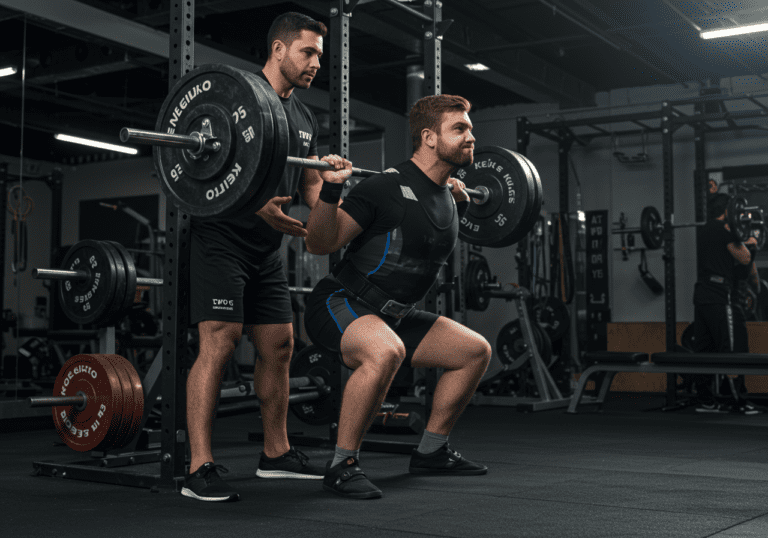
Squat pattern: goblet squat → front/back squat.
Hip hinge: Romanian deadlift → conventional or trap-bar deadlift.
Horizontal push: push-up → bench press or dumbbell press.
Carry/core: farmer carry, suitcase carry, planks, dead bug.
Start with 3 sets of 6–10 reps at RPE 6–7. When all sets land at RPE ≤7, add 2–5% load or 1–2 reps next time.
Cardio — Build a durable engine:
Zone 2: 30–45 min conversational pace (roughly 60–70% max HR). Example: brisk walk, easy bike, light jog. If you use Garmin or Fitbit, aim for steady green zones.
Optional intervals (once weekly after month 2): 6–8 × 60s hard / 90s easy at ~RPE 8-9. Keep total session time under 30 min.
Mobility & movement quality — 10-min micro-sessions most days:
Hips: 90/90 switches, couch stretch.
Shoulders/T-spine: wall slides, open books.
Ankles: knee-over-toe rocks.
Post-lift: 3–5 gentle static stretches (20–30s each) for tight spots.
Activity-based play — One enjoyable session weekly: hike, paddle, recreational sports. Keep it easy-to-moderate intensity; the goal is fun movement, not maximal effort.
Nutrition basics — simple rules:
Protein: about 1.6–2.2 g/kg/day; distribute across 3–4 meals.
Calories: small surplus if you want muscle gain; slight deficit if aiming to lose fat; keep lift performance steady while cutting.
Carbs: center on training days; include fruit, grains, potatoes, beans.
Fats: 0.6–1.0 g/kg/day from olive oil, nuts, eggs, fatty fish.
Supplements (optional): creatine monohydrate 3–5 g/day; caffeine 1.5–3 mg/kg pre-lift if tolerated; vitamin D if deficient (ask your clinician).
Hydration: clear urine most of the day; add electrolytes in heat.
Recovery — sleep 7–9 hours, dim screens at night, easy walks on rest days. Schedule a lighter week (deload) every 4–8 weeks or when fatigue lingers.
Tracking & feedback — keep it simple:
Log sets/reps/load and RPE (Strong, Hevy, or a basic notes app works).
Cardio: track average HR and pace in Strava or Garmin Connect.
Monthly checks: estimated 1RM from your top set, and a 1–2 mile easy run/walk pace.
Wellness: morning sleep score or HRV trend if your device supports it; adjust training if values dip for several days.
Example session (60–70 min) — A: Goblet squat 3×8 (RPE 7), Romanian deadlift 3×8, incline dumbbell press 3×10, one-arm row 3×10/side, farmer carry 3×30–40 m. Finish with 5–10 min zone‑2 bike cooldown.
Twenty-Four Month Phases from Foundation to Advanced
Follow these phases over 24 months. Add load or reps when the final set reaches RPE ≤7 and technique is clean. If you stall two weeks in a row, deload 20–30% for one week, then resume.
Two-year phased plan at a glance:
Month 0–2  | Foundation: learn lifts, 3×/wk full-body, 3×6–10 @ RPE 6–7, zone 2 twice weekly.

Month 3–6  | Novice build: add 2–5% load when ready; 3–4×/wk; introduce light intervals 1×/wk.

Month 7–9  | Early intermediate: upper/lower split 4×/wk; alternate higher-rep (8–12) and lower-rep (4–6) days; carries every session.

Month 10–12| Hypertrophy focus: 10–14 hard sets/muscle/week; accessories emphasized; keep zone 2 steady.

Month 13–15| Strength focus: main lifts 3–6 reps; small back-off sets 6–8 reps; microcycle deload every 4–6 weeks.

Month 16–18| Capacity block: add work density (shorter rests), maintain strength; intervals 1×/wk; technique tune-ups.

Month 19–21| Peak or performance: heavier doubles/triples (RPE 7–8); keep one light high-rep day; maintain zone 2.

Month 22–24| Consolidate: test lifts and a cardio marker; fix weak links; skills or sport practice; plan next year.
Beginner cues (Months 0–6): slow eccentrics, own the setup, pause 1s at the bottom on early sets; track RPE honestly. Missed reps are feedback to rest more, not push harder.
Intermediate cues (Months 7–15): organize weekly stress: one heavier day, one moderate day, one lighter pump day. Use variations to fix sticking points (e.g., pause squats, deficit pulls).
Advanced cues (Months 16–24): progress by improving bar speed at the same load, then add weight. Keep one easy week every 4–6 weeks and guard sleep fiercely.
Testing & checkpoints — every 8–12 weeks: estimate 1RM from a top set at RPE 8, record a 1–2 mile easy pace, and retest a long carry for distance. If two or more markers stall, pull back volume 10–20% for two weeks and reassess nutrition.
Frequency Guidelines and Troubleshooting Common Training Issues
Frequency & intensity — Start with 3 lifts/week and two zone‑2 cardio days. Most sets at RPE 6–8 keep progress steady without frying recovery. Save true maxes for test weeks.
Troubleshooting — Plateaus: reduce total weekly sets by 20% for one week and add sleep. Overuse niggles: replace the lift with a close variant (trap-bar for conventional, neutral-grip pressing) and cut volume in half for 1–2 weeks. Motivation dips: shrink the session to 20 minutes (one main lift + one accessory) and check the box; momentum beats perfection.
Injury safety — Sharp or radiating pain: stop, modify, and consult a clinician. Any pain lasting >48 hours after a lift: lighten load, review technique, and retry next week. Warm up joints before every session; don’t skip ramp-up sets.
Recovery & nutrition reminders — Protein at each meal, carbs around training, and consistent hydration. If fat loss is a goal, aim for a small deficit while keeping strength steady; if muscle gain, use a mild surplus and monitor waist and performance.
Result validation — In practice cohorts training 3–4×/week with phased blocks, lifters commonly report stronger main lifts, better work capacity, and easier daily movement within 6–12 months. Your timeline may differ; the key is consistent training, small progressions, and honest deloads.
Next steps — Download a simple 2‑year tracker (Google Sheet or your favorite app), set your first 8–12 week block, and subscribe for updated templates and coaching cues.
Quick Overview: Zone Targets and Weekly Structure Heart Rate Zone Training helps beginners build endurance smarter with clear intensity targets. You’ll learn how to set your zones, plan workouts, and track progress without guesswork. Direct answer: Spend most sessions in Zone 2, add short Zone 4–5 intervals weekly, and take at least one full rest…
Strategic Cold Plunge Timing for Recovery and Performance Cold water immersion can be a powerful recovery tool when you integrate it into a structured week of cardio, strength, and mobility. Use cold water immersion after cardio or on rest days, 2–10 minutes at 10–15°C, and avoid right after heavy lifting. In this guide you’ll learn…
Catch Overtraining Early With Simple Weekly Symptom Scans Overtraining syndrome can sneak up on beginners; here’s how to identify it fast and recover properly. Core signs: lasting fatigue, performance decline, mood shifts, poor sleep; recover by cutting training volume, sleeping 7–9 hours, and fueling adequately. In this guide, I’ll show you my field-tested system to…
Build Endurance With 2-4 Weekly Pool Sessions Swimming workouts for total-body endurance conditioning deliver cardio, core stability, and shoulder/hip strength with minimal joint stress. This guide shows you the exact session structure, weekly progressions, and recovery strategies I use with new swimmers. Direct answer: Train 2–4 times weekly, progress total meters by 10–15% max, and…
Incremental loading in rehab gives you a clear path to restore capacity without re-injury. Increase load 2–10% when pain stays ≤3/10 during activity and the next day. In the next few minutes, you’ll learn the exact steps I use with clients and in my own training: pain rules, weekly progressions, session templates, tracking, and recovery…