Medical Disclaimer: The information provided on this website is for informational and educational purposes only and is not intended as personal medical or health advice. The content, including text, graphics, and images, is not a substitute for professional medical advice, diagnosis, or treatment. Always seek the advice of your physician or other qualified healthcare provider with any questions you may have regarding a medical condition or before starting any new exercise, nutrition, or supplement program. Never disregard professional medical advice or delay in seeking it because of something you have read on this blog. Reliance on any information provided by this site is solely at your own risk.
Six-Week Plan for Better Movement and Less Stiffness
This 6-week mobility program teaches you to move easier, reduce stiffness, and protect your joints. You’ll learn assessments, daily micro-routines, focused sessions, and how to track progress.
Direct answer: assess, do 10–15 minutes daily, add three targeted sessions weekly, and retest at week six.
Why Mobility Combines Tissue, Joints, and Nervous System
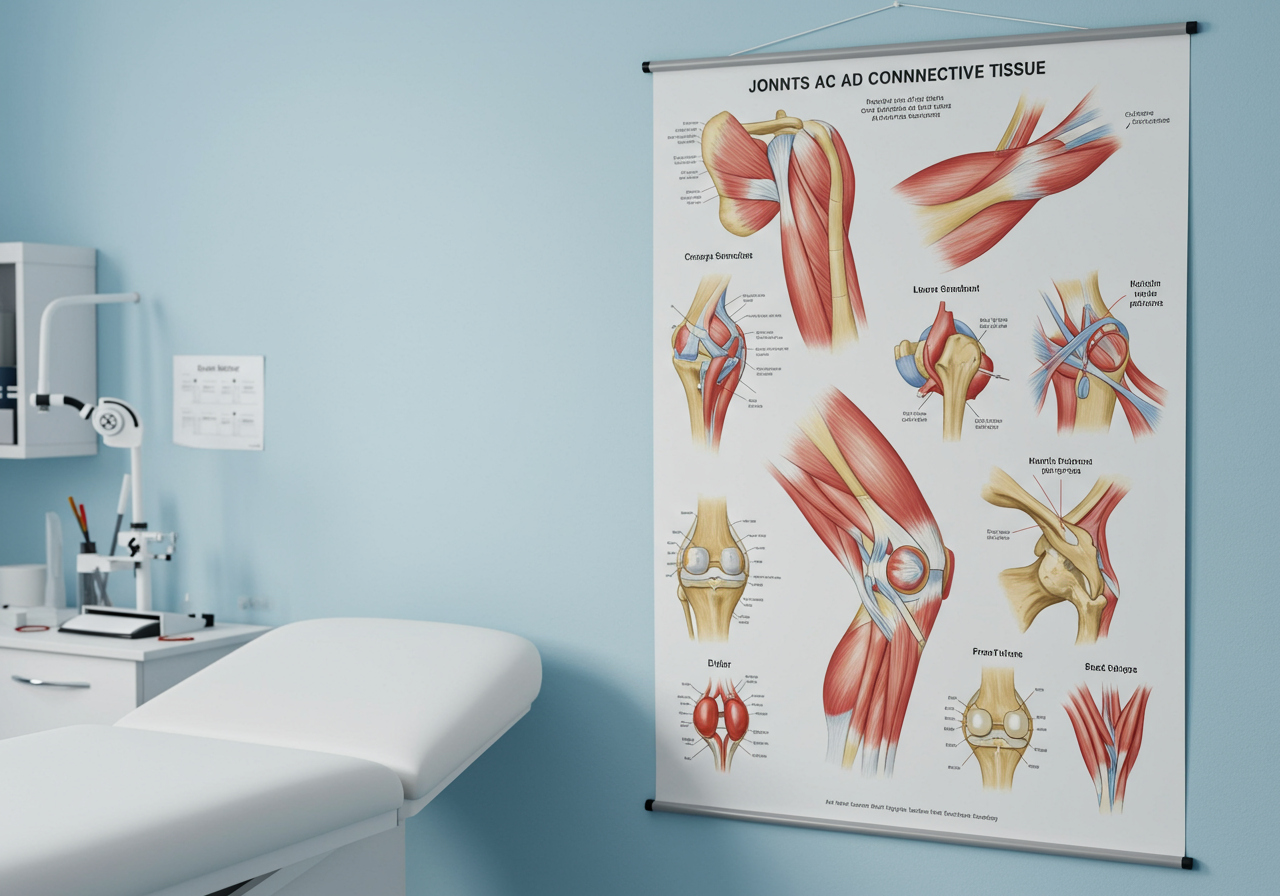
Mobility is how well your joints move under control. It combines tissue quality, joint capsule gliding, and your nervous system’s willingness to allow range. When mobility improves, lifts feel smoother, strides lengthen, and aches often fade.
In practice and peer-reviewed research, consistent mobility work helps range of motion and functional performance. Gains come from slow, repeated inputs: long exhales to reduce tone, end-range isometrics to teach control, and gentle tempo work that conditions tendons and fascia.
From my coaching log: when beginners add 10–15 daily minutes plus three focused sessions weekly, they typically notice easier squats, less morning stiffness, and more comfortable overhead reach within 4–6 weeks. A desk-working client put it this way:
“Week three was the turning point. My low back stopped nagging in the mornings, and I could reach the top cupboard without shrugging my shoulders.”
Baseline Tests and Daily Ten-Minute Micro-Routines
1) Baseline checks (5–8 minutes)
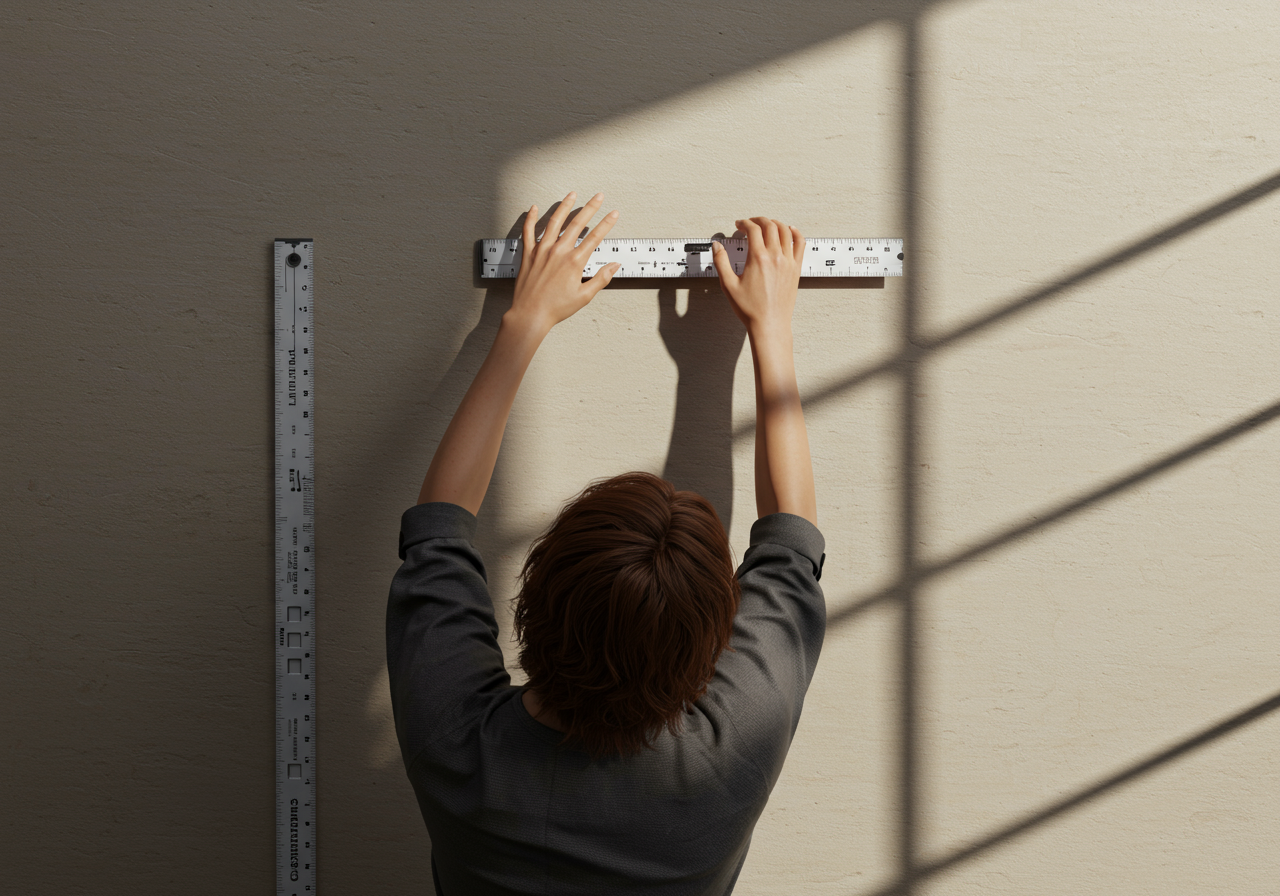
Overhead reach at wall: back, ribs, and head on wall; can you touch thumbs overhead to the wall without rib flare?
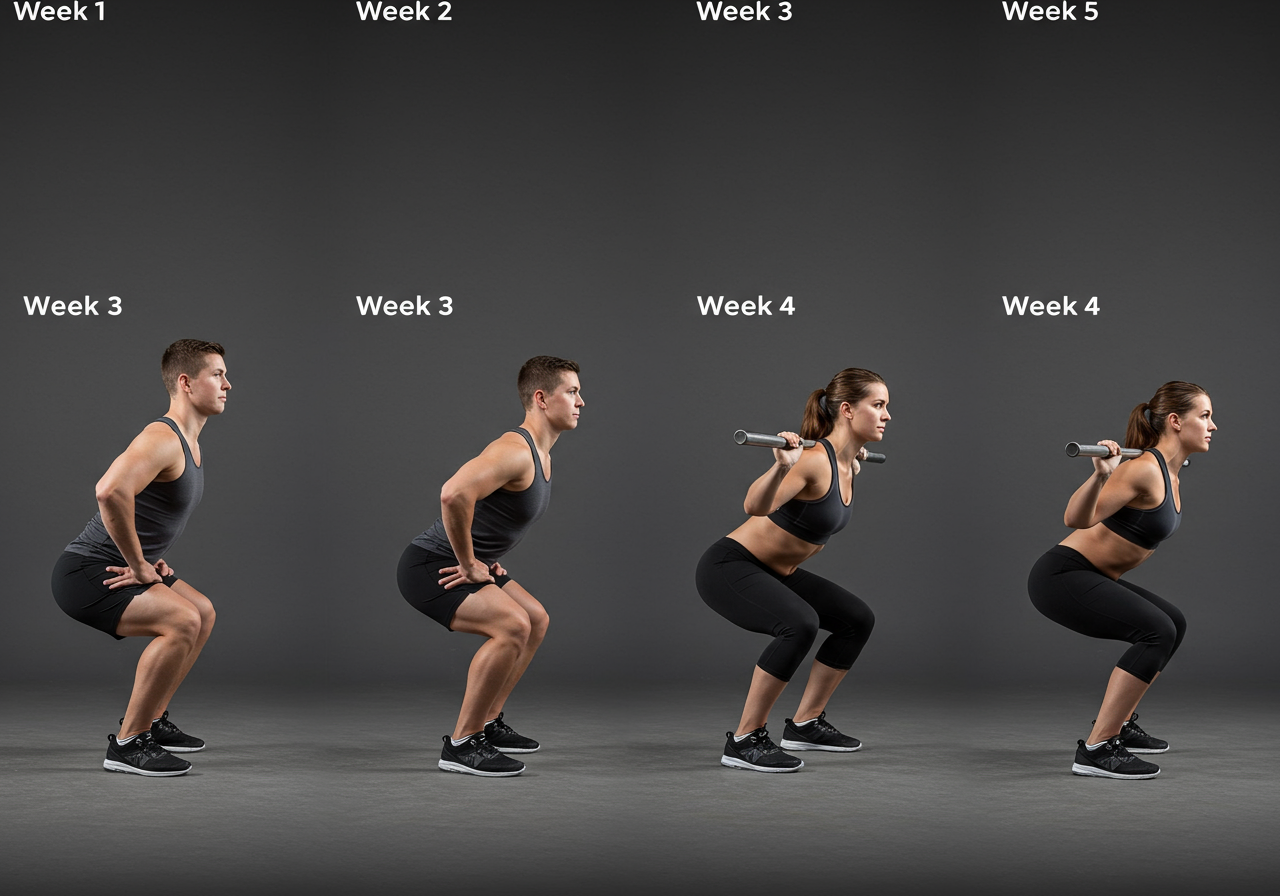
Deep squat hold: feet shoulder-width, heels down—how long is comfortable? Note any pinch.
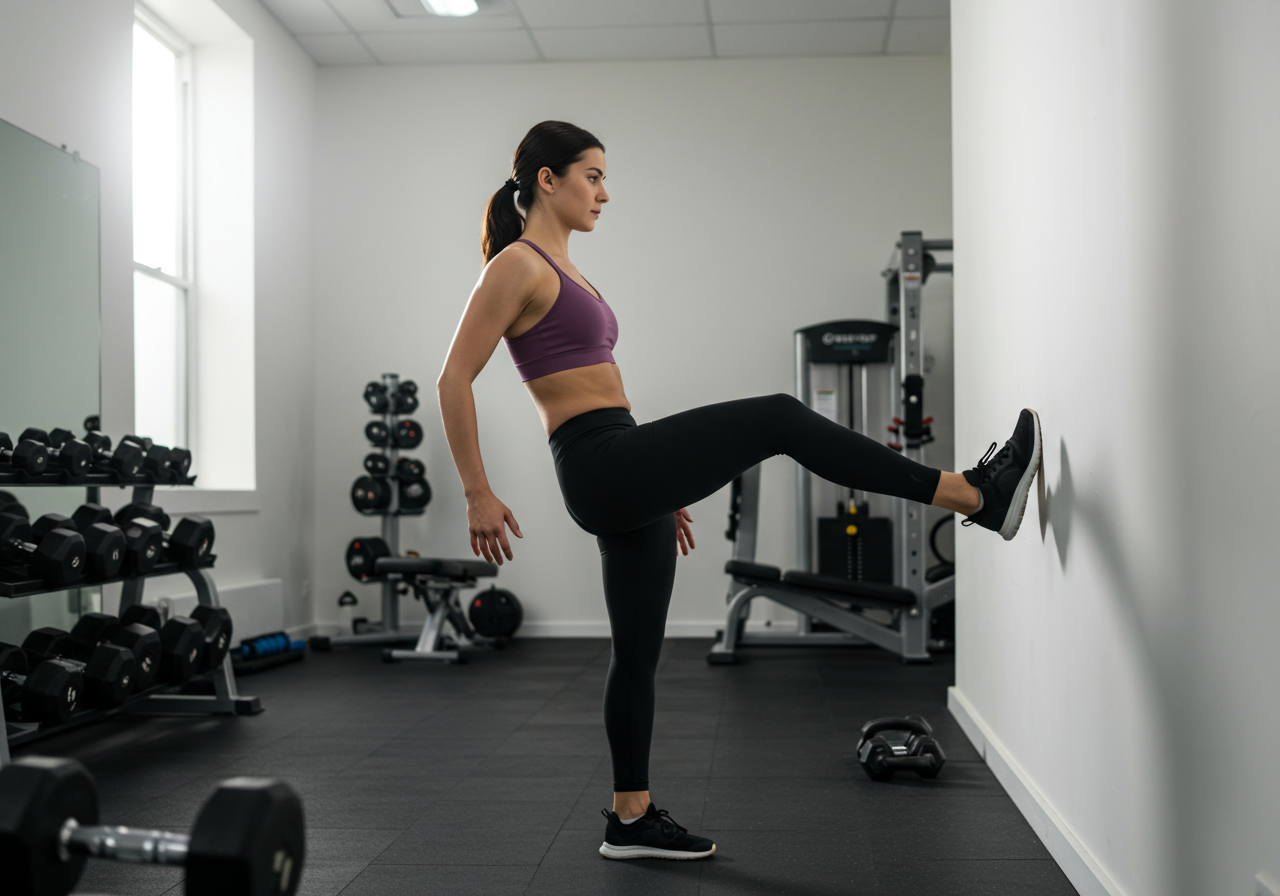
Active straight leg raise: lying down, lift one leg straight—compare sides.
Ankle knee-to-wall: big toe 8–12 cm from wall; can knee touch wall without heel lift?
Thoracic rotation: seated, arms across chest—rotate each way; note the easier side.
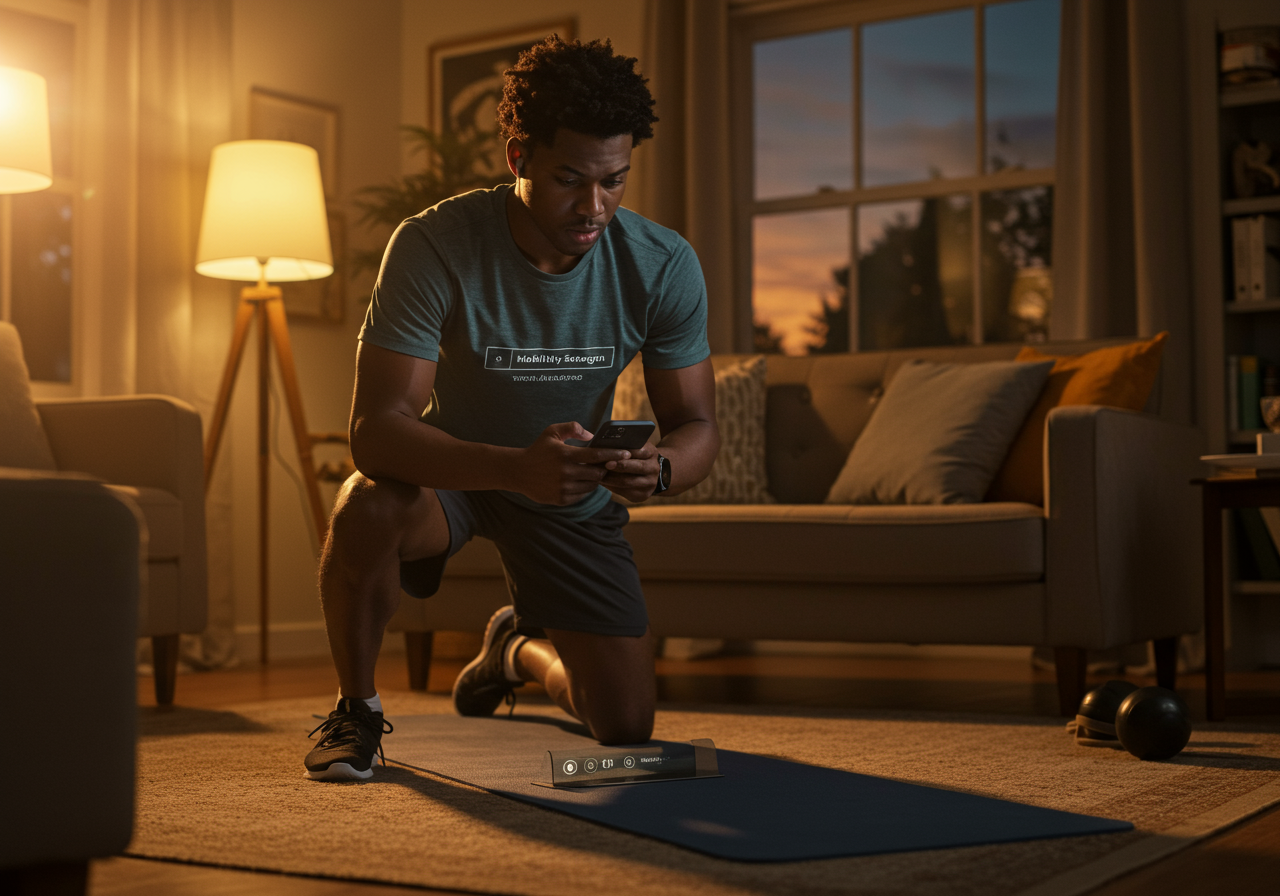
Record quick notes or short phone videos. I tag these in my Garmin and store details in Notion; clients also use the Strong app or a simple Google Sheet.
2) Daily micro‑routine (10–15 minutes)
Warm-up — 2–3 minutes easy movement (walk or march). Stay in Zone 1–2 by watch.
Breathing — 1 minute, nasal inhale, long 6–8 second exhale to reduce tension.
Targeted pair (choose hips or shoulders) — 2–3 moves, 45–60 seconds each side: e.g., 90/90 hip transitions, half‑kneeling hip flexor with glute squeeze, thoracic open books, hanging scapular shrugs.
Finish — 30–60 seconds quiet breathing; note one sensation you improved.
3) Three focused sessions per week (25–35 minutes)
Example split:
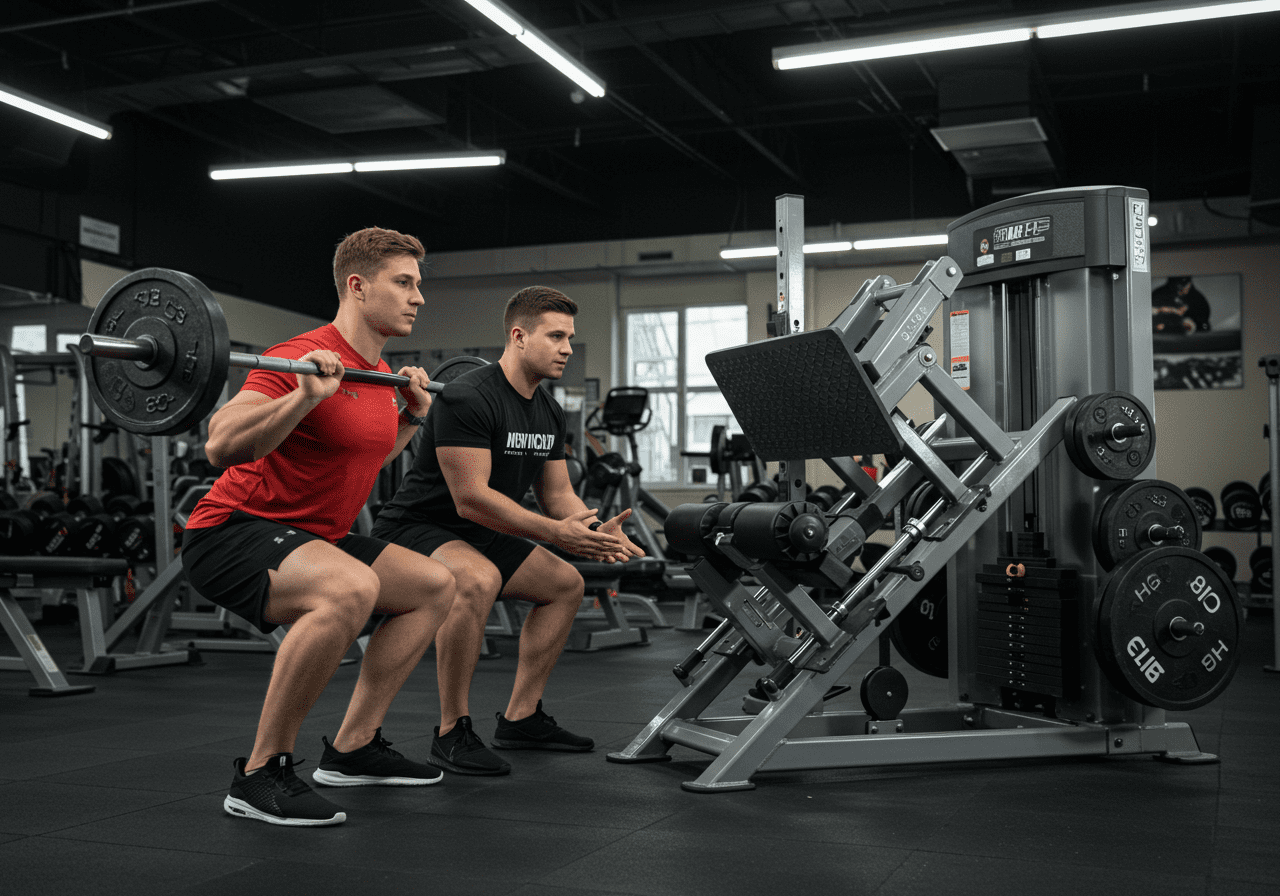
Day A — Hips & ankles: 90/90 lift‑offs, half‑kneeling dorsiflexion rocks, deep squat prying with a light kettlebell or dowel, couch stretch.
Day B — T‑spine & shoulders: foam roller T‑spine extensions, side‑lying rotations, doorway external rotation, hanging holds, serratus wall slides.
Day C — Full‑body flow: world’s greatest stretch, shin box get‑ups, Jefferson curl with a dowel or very light weight, ankle calf raises slow tempo.
Work sets: 2–3 sets per drill. Time or reps: 45–90 seconds holds or 6–10 slow reps. Intensity: mild–moderate stretch, RPE 3–6/10, never sharp pain. Tempo: smooth 3–5 second eccentrics; pause end range 2 seconds.
4) Tools and tracking
Timer apps, Pliability/GOWOD videos for demos, a mini‑band, dowel or light kettlebell.
Track sessions in Strava or Garmin as Mobility/Other; add notes: RPE, what improved, and any pain warning.
Nutrition & recovery: aim protein 1.6–2.2 g/kg, hydrate, and sleep 7–9 hours. Some athletes like collagen plus vitamin C 30–60 minutes before mobility; discuss supplements with a professional.
Coach note: Err on the side of “easy but consistent.” If you’re new, smaller daily doses beat heroic weekend sessions.
Weekly Progression from Basics to Loaded Mobility
Weekly plan at a glance:
Week 1: Baseline tests; daily 10–12 min micro‑routine; 2 focus sessions 20–25 min @ stretch RPE 3–4. Week 2: Daily 12–15 min; 3 focus sessions 25–30 min; add gentle end‑range isometrics (5–10 sec light contractions). Week 3: Keep volume; increase holds to 60–75 sec; add 1–2 reps eccentric lowers on tight areas; retest one drill mid‑week. Week 4: Daily 15 min; 3 focus sessions 30–35 min; introduce contract‑relax (2–3 light contractions, then deeper breath‑led range). Week 5: Add light loaded mobility (e.g., goblet squat prying, dowel Jefferson curl); hold ranges 75–90 sec if tolerated. Week 6: Slight deload mid‑week (reduce total sets by ~20%); formal retest all baselines; note changes and new priorities.
Intermediate: 15–20 min daily; 3 sessions 30–35 min; add end‑range isometrics and controlled eccentrics.
Advanced: 20+ min daily; 3–4 sessions 35–45 min; include light loaded mobility and longer positional breathing.
Retesting: Repeat week‑1 checks at the end of weeks 3 and 6. Compare notes, videos, and how daily life feels (sitting tolerance, stair comfort, overhead reach).
References & Further Reading
The following peer-reviewed research and authoritative guidelines support the recommendations in this article:
Frequency Guidelines, Common Mistakes, and Troubleshooting Tips
Frequency & intensity: Aim for 5–6 micro‑routines weekly plus 3 focused sessions. Stretch sensation should be present but calm; back off if pain exceeds 5/10, or if you feel numbness or sharp joint pain.
Common mistakes: Skipping breathing, rushing reps, holding your breath, forcing range, or overloading too fast. I’ve made all of these; progress improved when I slowed the tempo and logged sensations instead of chasing dramatic stretches.
Troubleshooting:
Plateau: switch drill angles (e.g., elevate front foot on hip flexor), change tempo, or reduce weekly volume 20% for one week.
Overdoing it: if joints feel cranky in the morning, cut sets by a third and keep only gentle CARs for 48 hours.
Motivation dip: set a 10‑minute timer and start; momentum usually follows. I also tag sessions in Garmin streaks for accountability.
Existing pain: stay inside pain‑free ranges; if symptoms persist, consult a qualified clinician before progressing.
Recovery & fuel: Prioritize sleep, light walks on off days, and protein across meals. I track protein in MyFitnessPal for two weeks to calibrate, then estimate. Hydrate and sprinkle movement breaks during desk hours.
Validation: In client logs, most report easier squats, smoother overhead reach, and less morning tightness by week six. In my own spring cycle, front squats felt more upright and ankles stopped limiting depth. Your results will vary—consistency and smart intensity are the biggest levers.
Next steps: Retest, keep two areas as maintenance, and start a fresh 6‑week block focusing on your next bottleneck. If this helped.
Medical Disclaimer: The information provided on this website is for informational and educational purposes only and is not intended as personal medical or health advice. The content, including text, graphics, and images, is not a substitute for professional medical advice, diagnosis, or treatment. Always seek the advice of your physician or other qualified healthcare provider…
Medical Disclaimer: The information provided on this website is for informational and educational purposes only and is not intended as personal medical or health advice. The content, including text, graphics, and images, is not a substitute for professional medical advice, diagnosis, or treatment. Always seek the advice of your physician or other qualified healthcare provider…
Medical Disclaimer: The information provided on this website is for informational and educational purposes only and is not intended as personal medical or health advice. The content, including text, graphics, and images, is not a substitute for professional medical advice, diagnosis, or treatment. Always seek the advice of your physician or other qualified healthcare provider…
Medical Disclaimer: The information provided on this website is for informational and educational purposes only and is not intended as personal medical or health advice. The content, including text, graphics, and images, is not a substitute for professional medical advice, diagnosis, or treatment. Always seek the advice of your physician or other qualified healthcare provider…
Medical Disclaimer: The information provided on this website is for informational and educational purposes only and is not intended as personal medical or health advice. The content, including text, graphics, and images, is not a substitute for professional medical advice, diagnosis, or treatment. Always seek the advice of your physician or other qualified healthcare provider…
Medical Disclaimer: The information provided on this website is for informational and educational purposes only and is not intended as personal medical or health advice. The content, including text, graphics, and images, is not a substitute for professional medical advice, diagnosis, or treatment. Always seek the advice of your physician or other qualified healthcare provider…